
Filter and sort
- High satisfaction on Trustpilot
- Authorised retailer
- 100+ designer brands
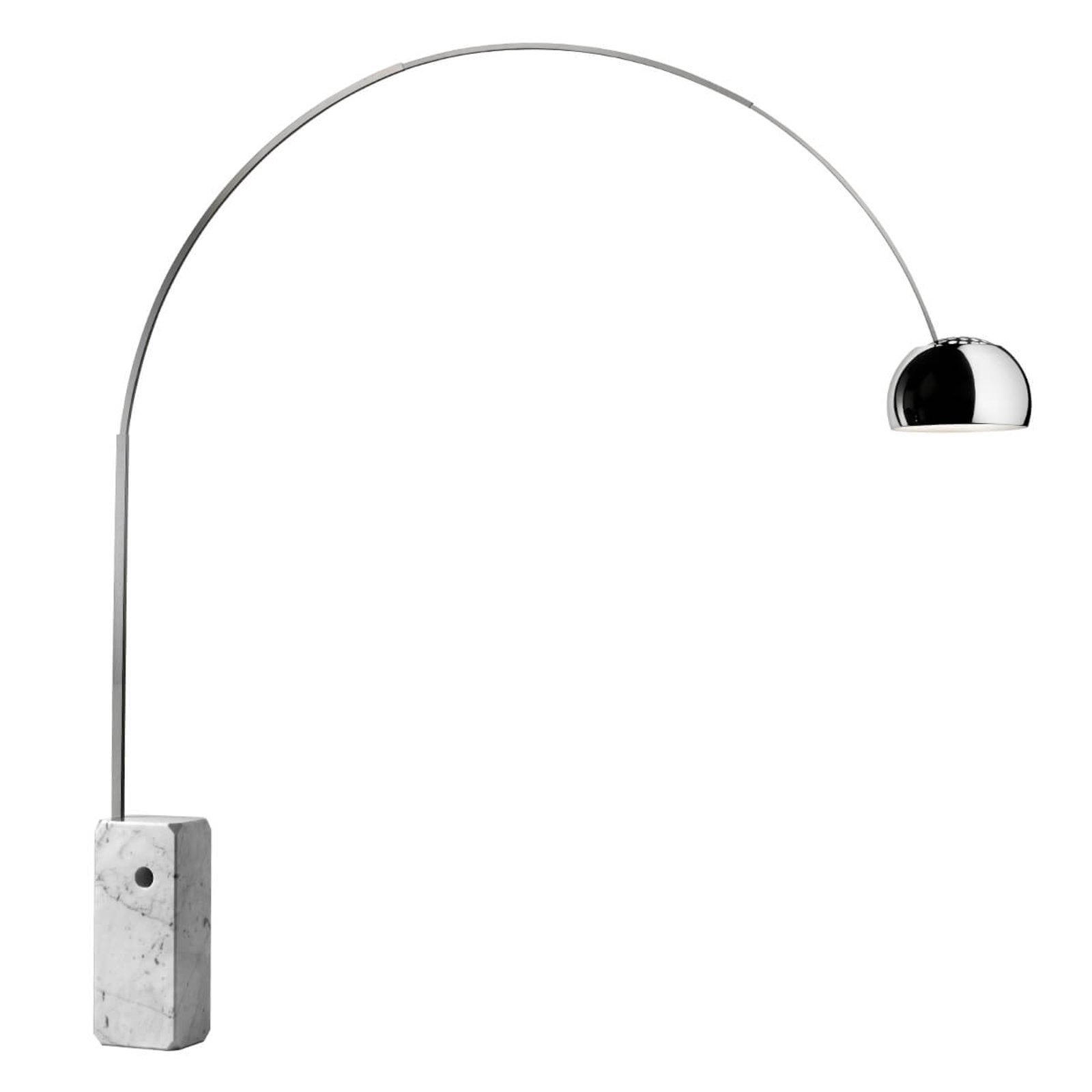
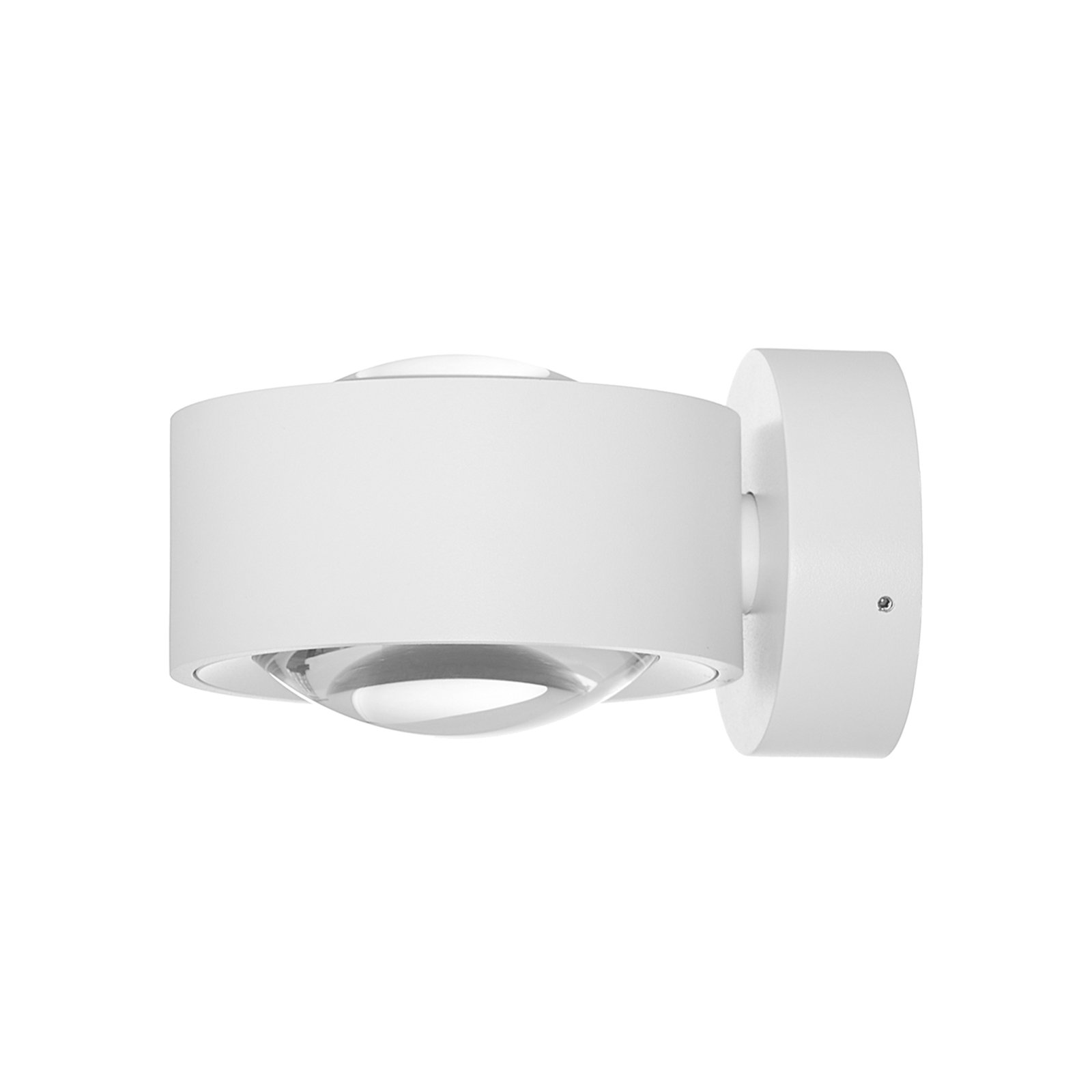
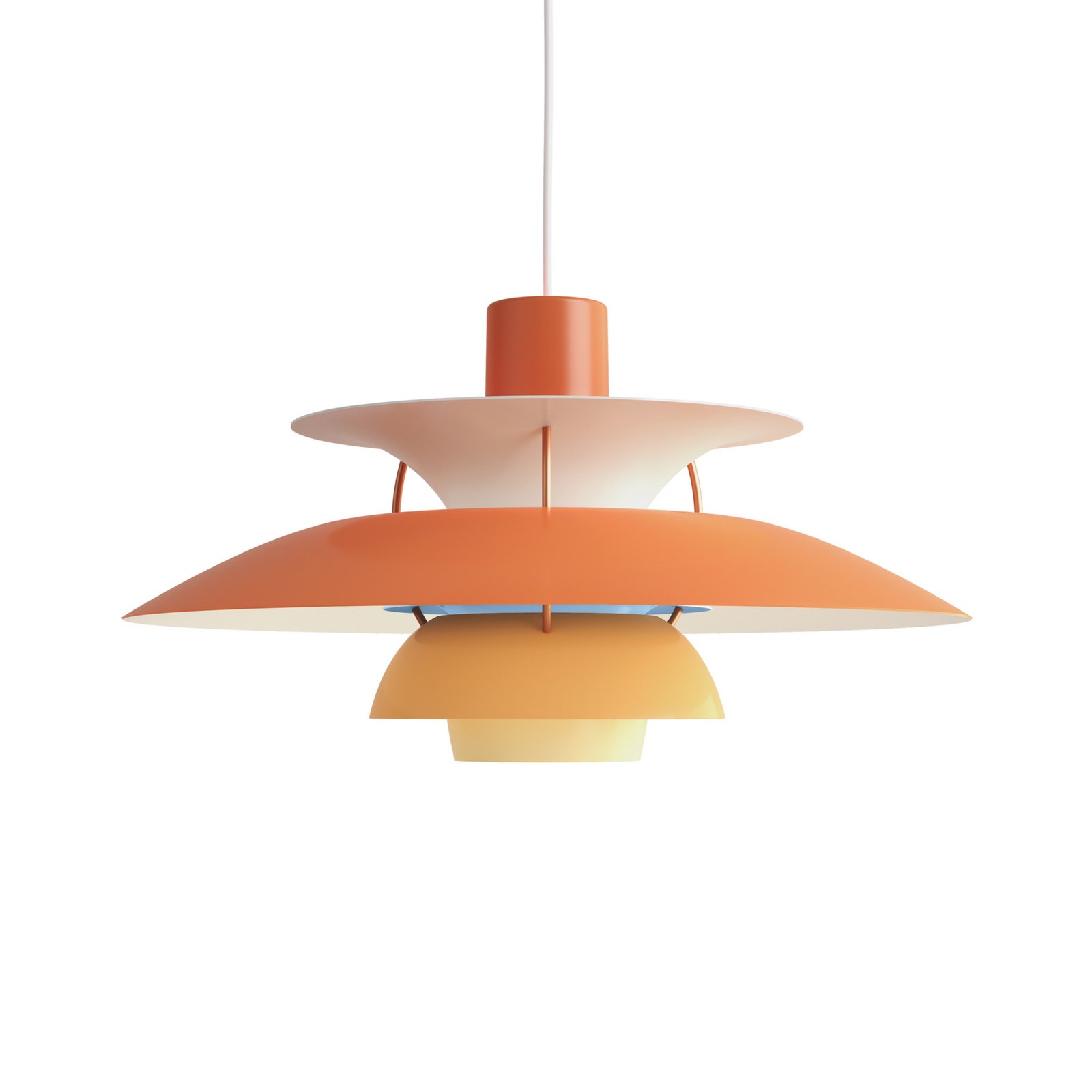
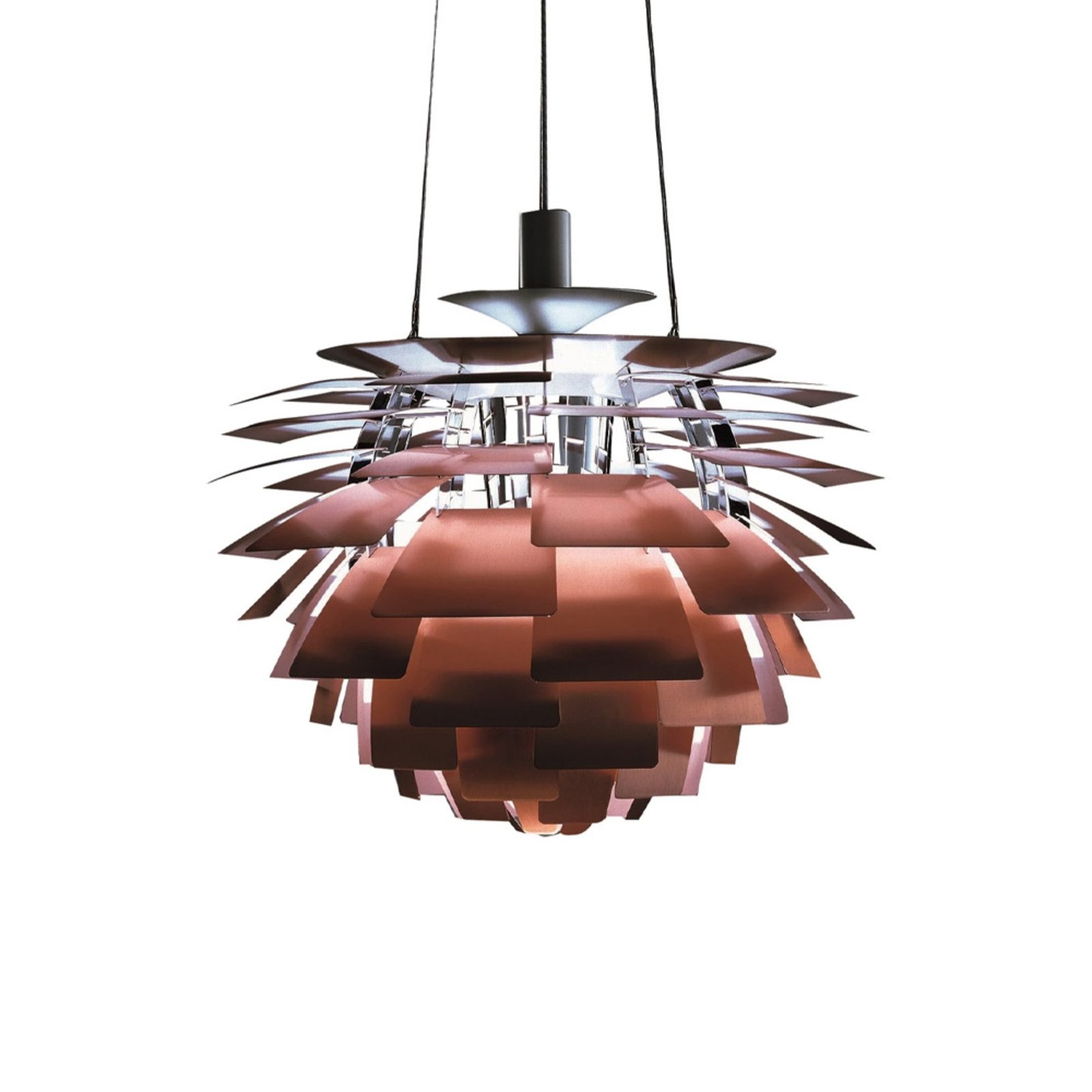
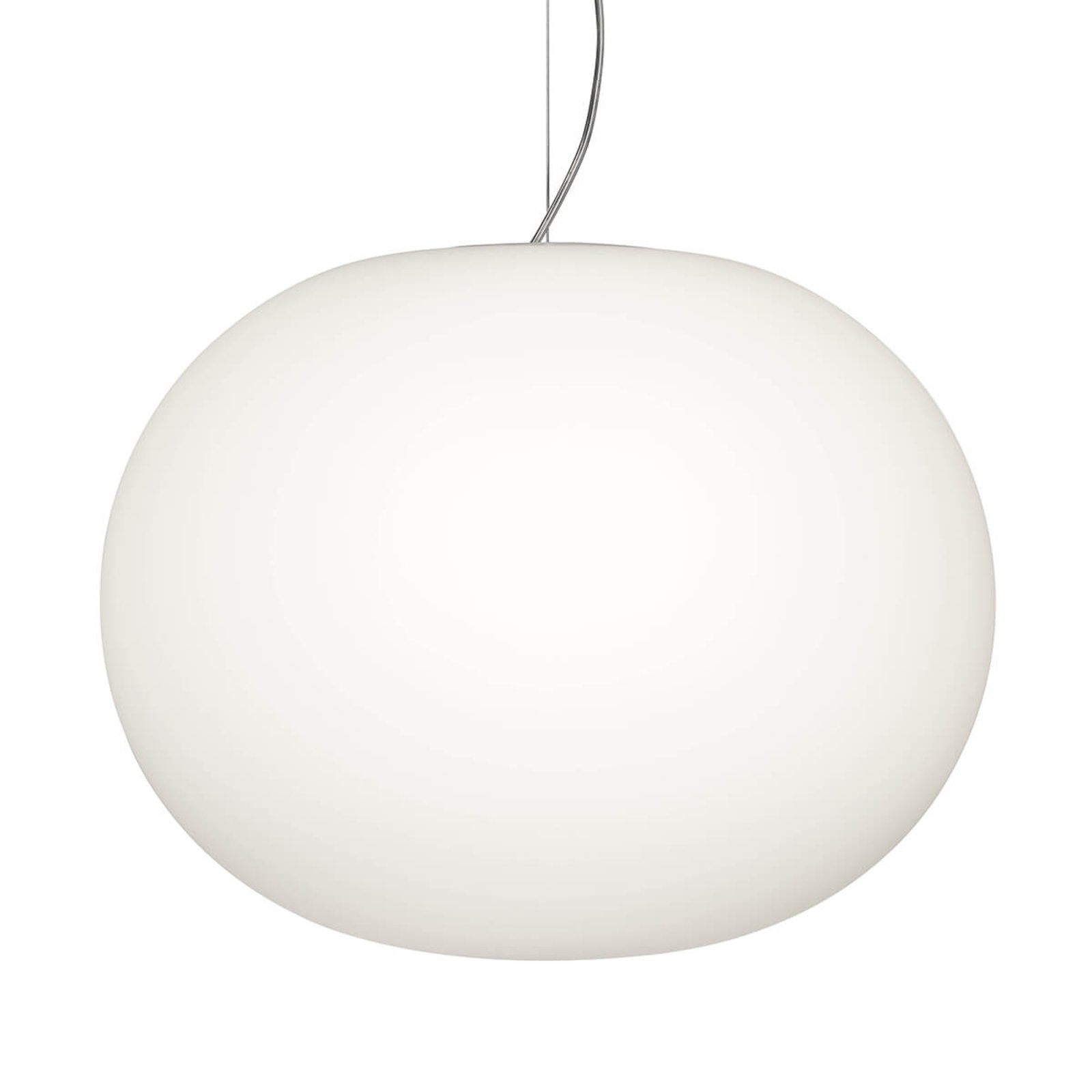
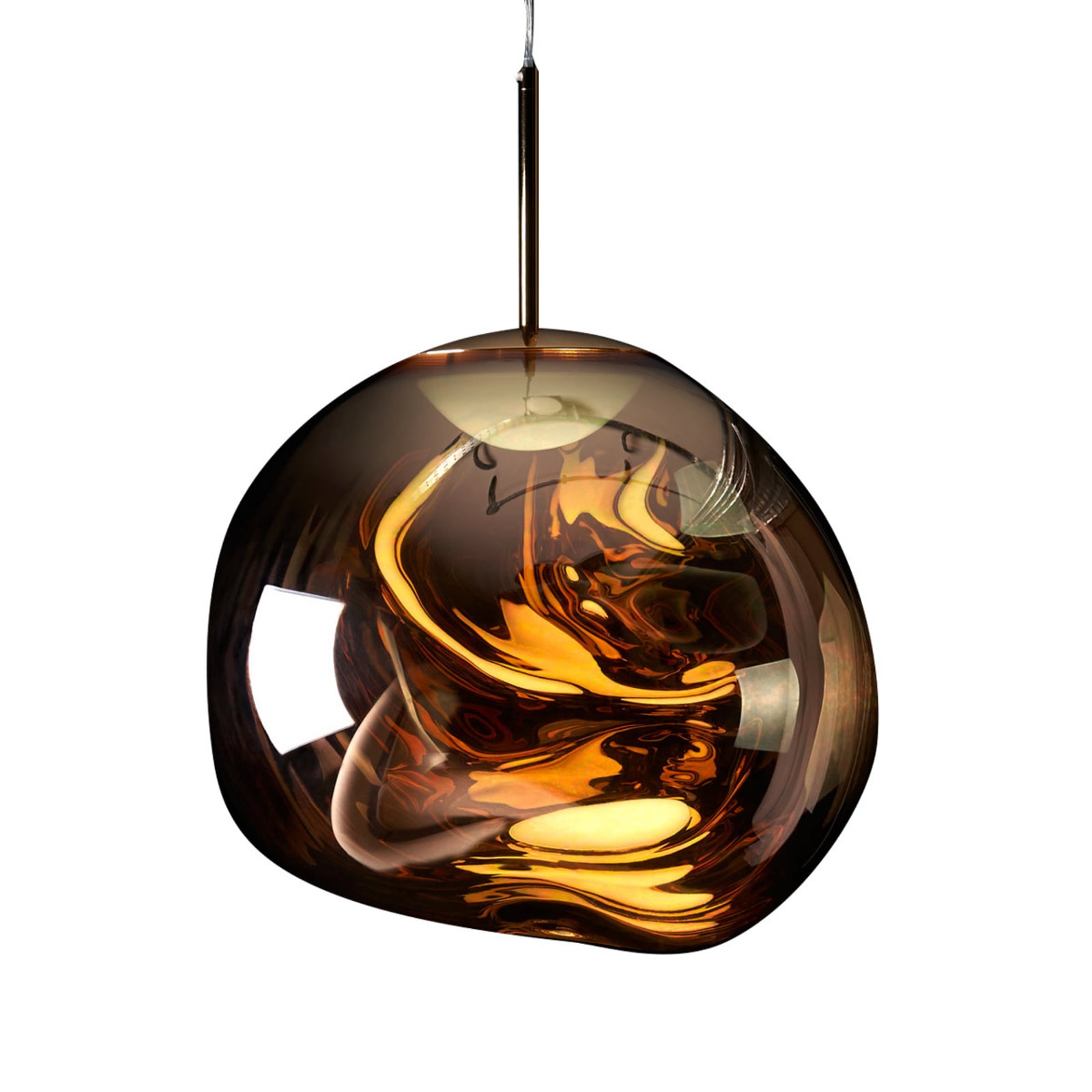
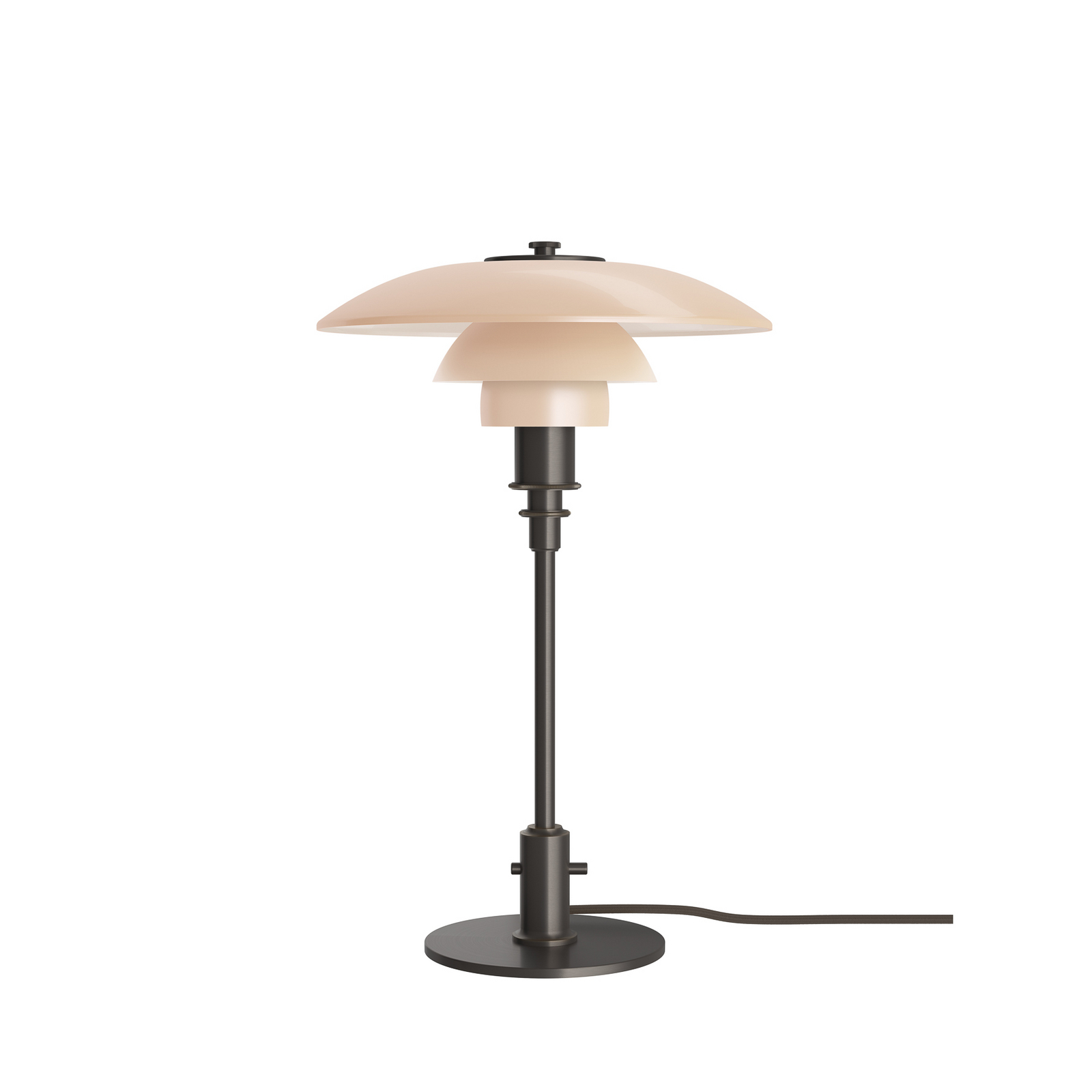
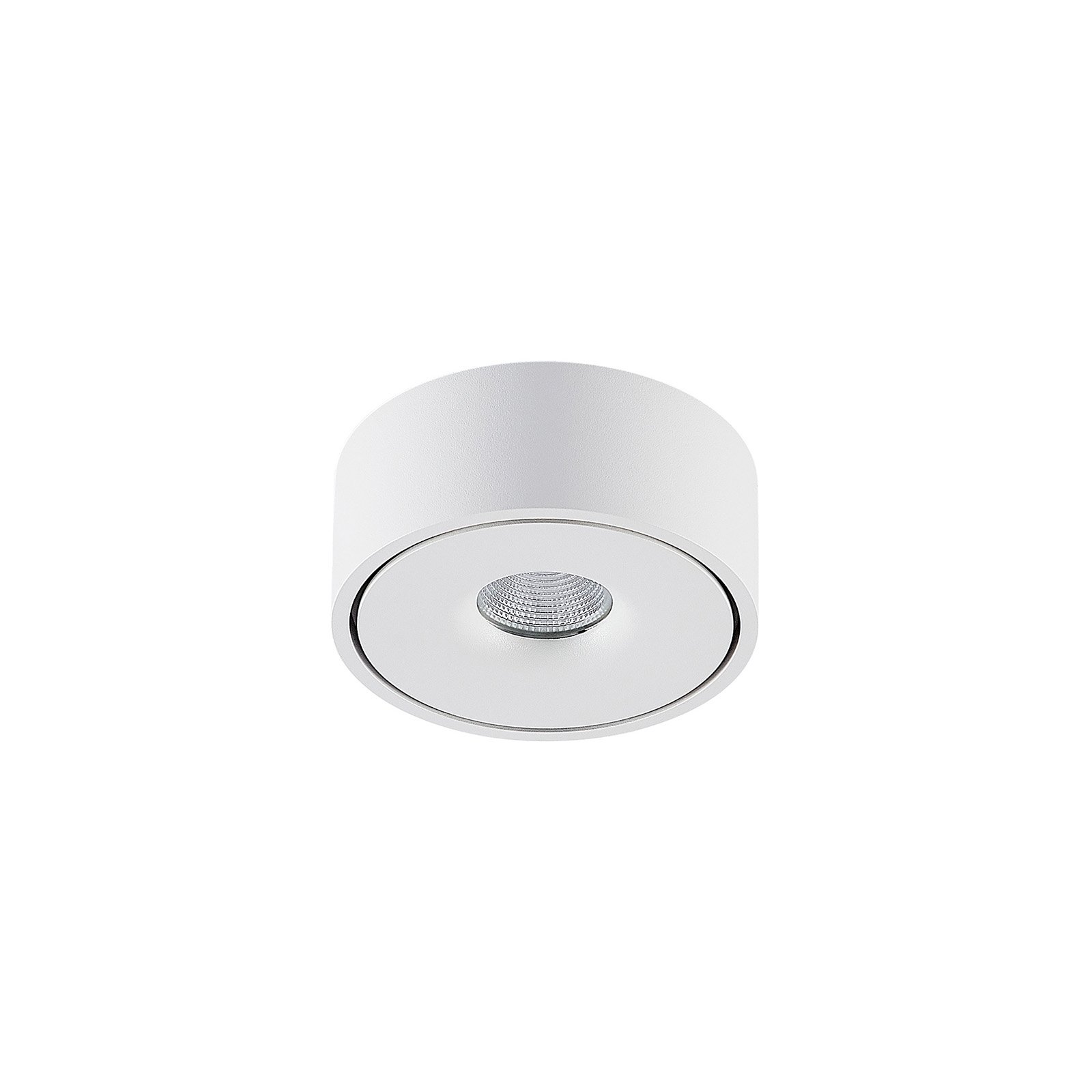
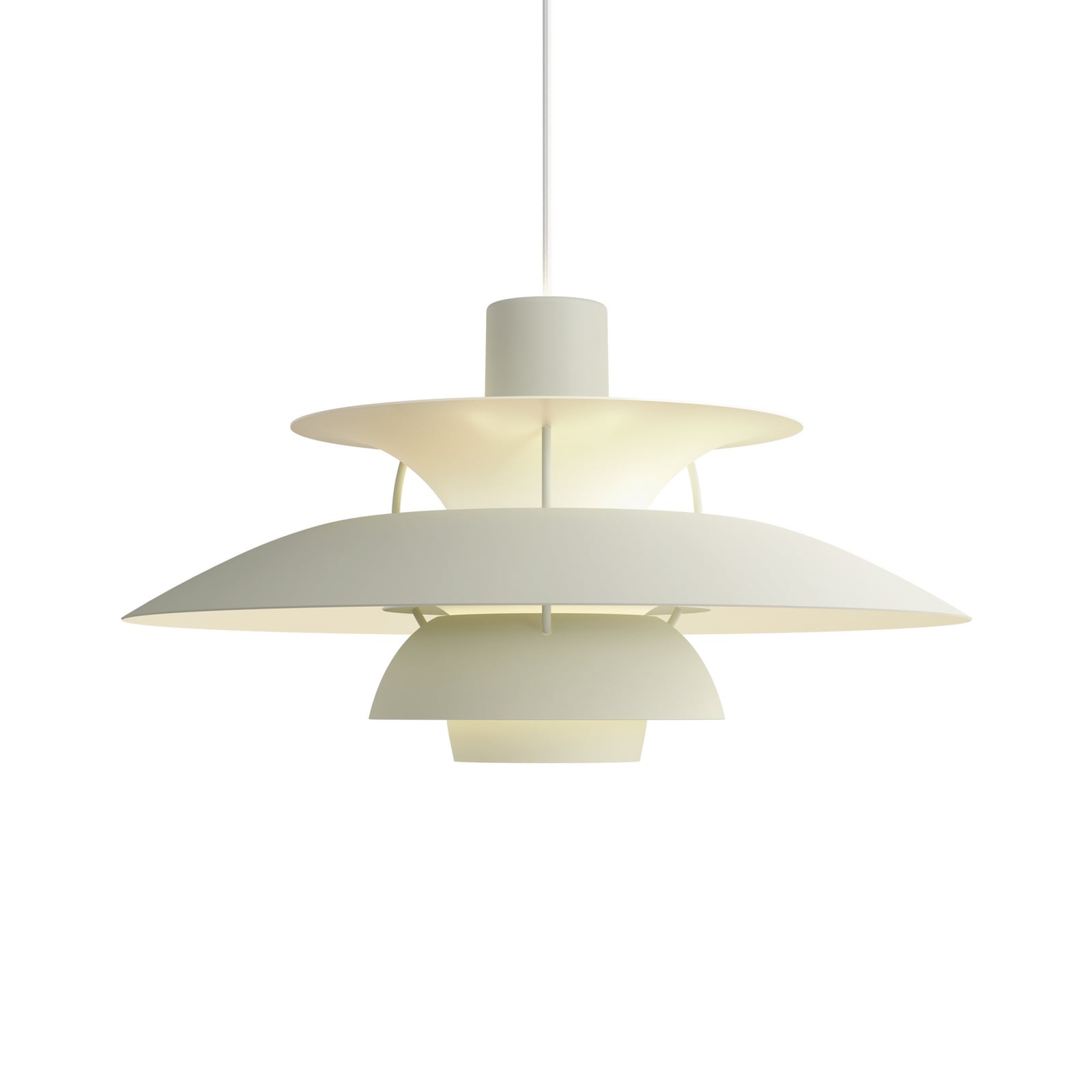
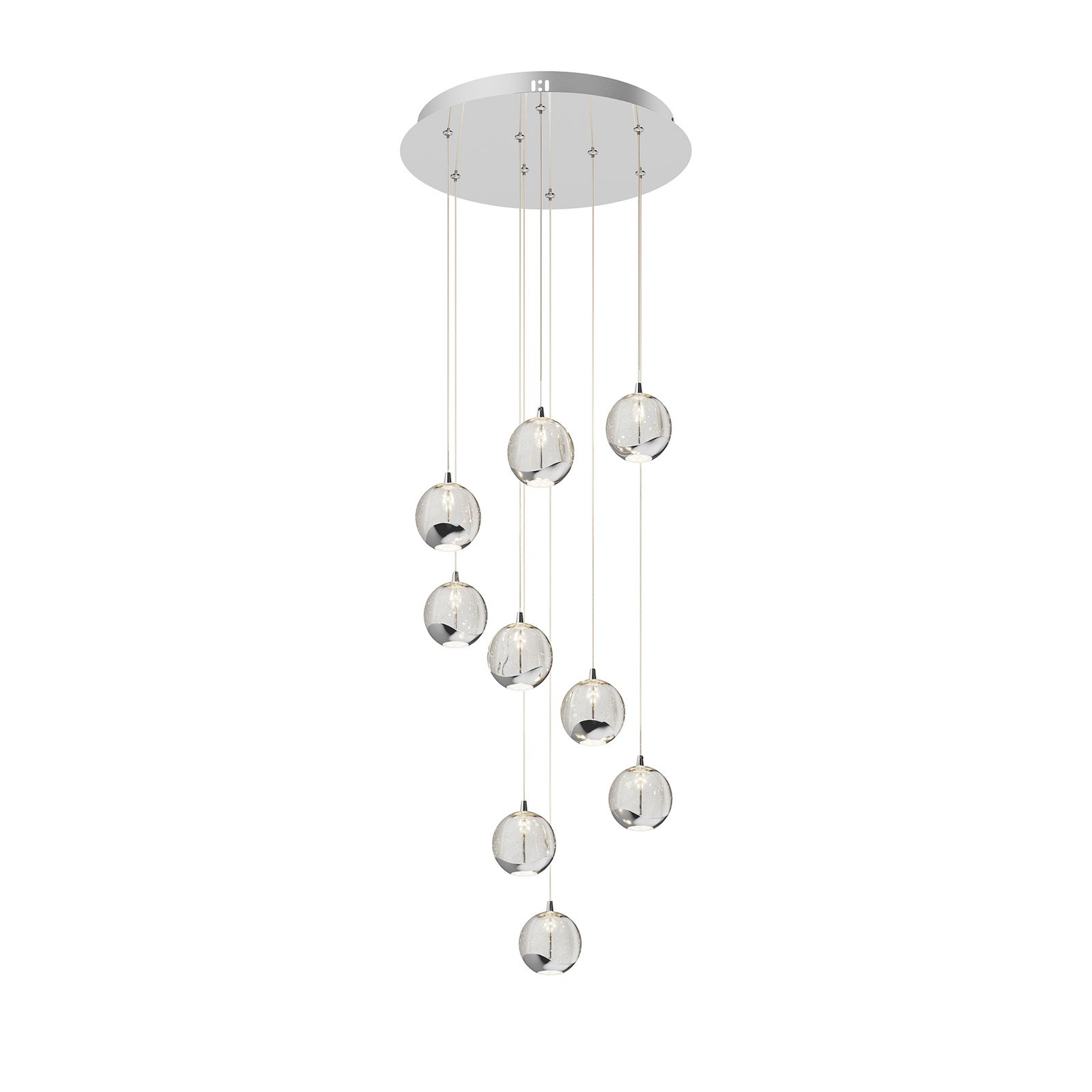
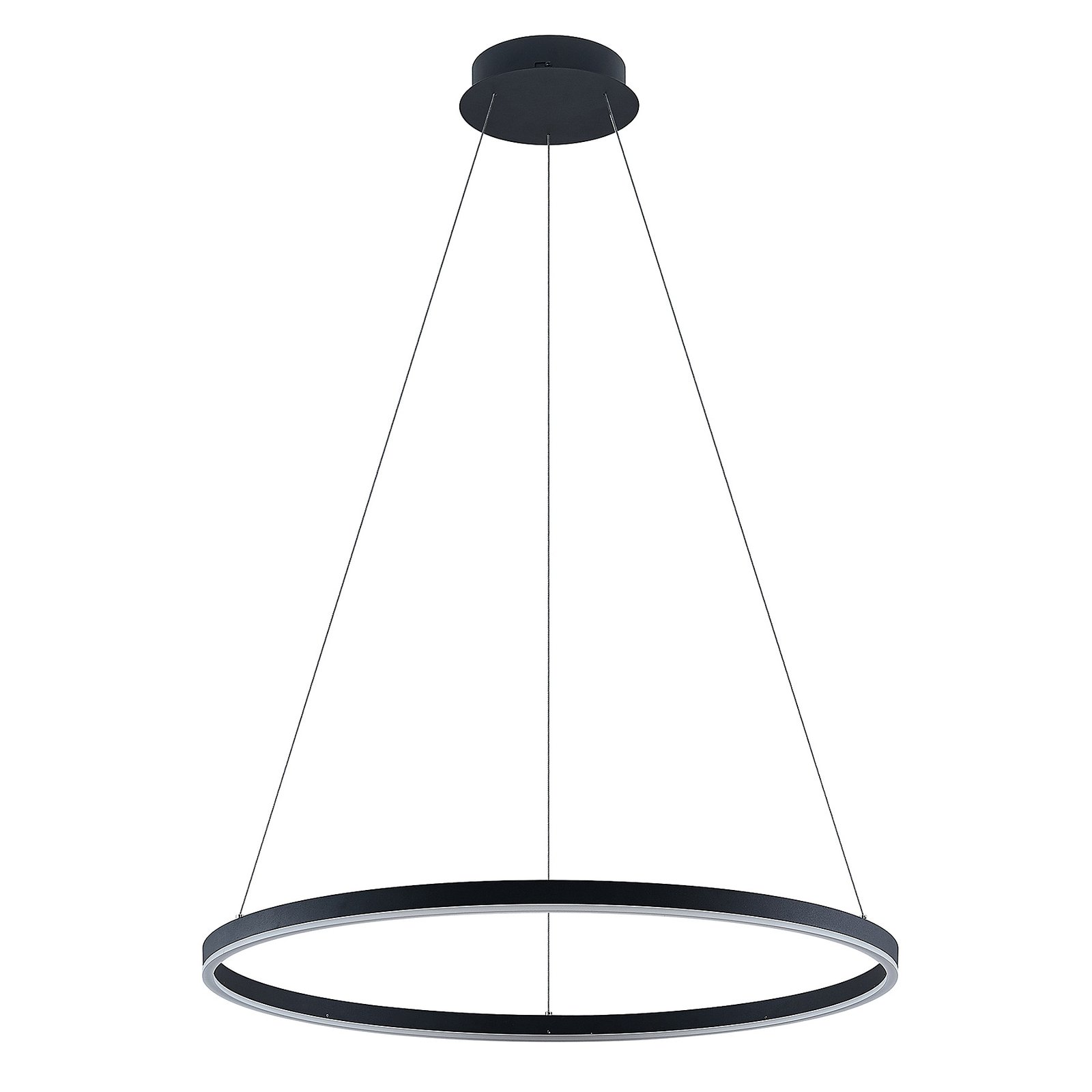
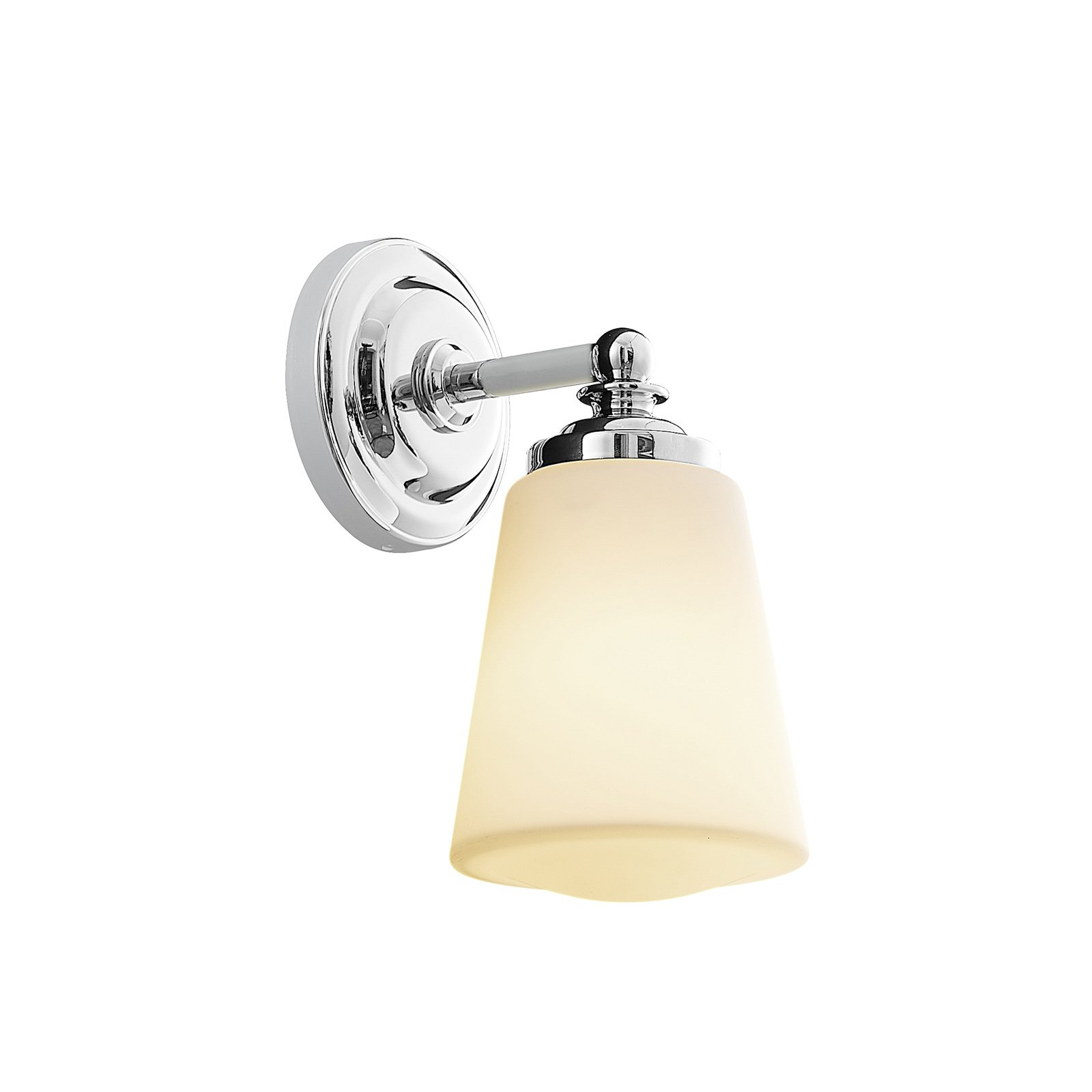

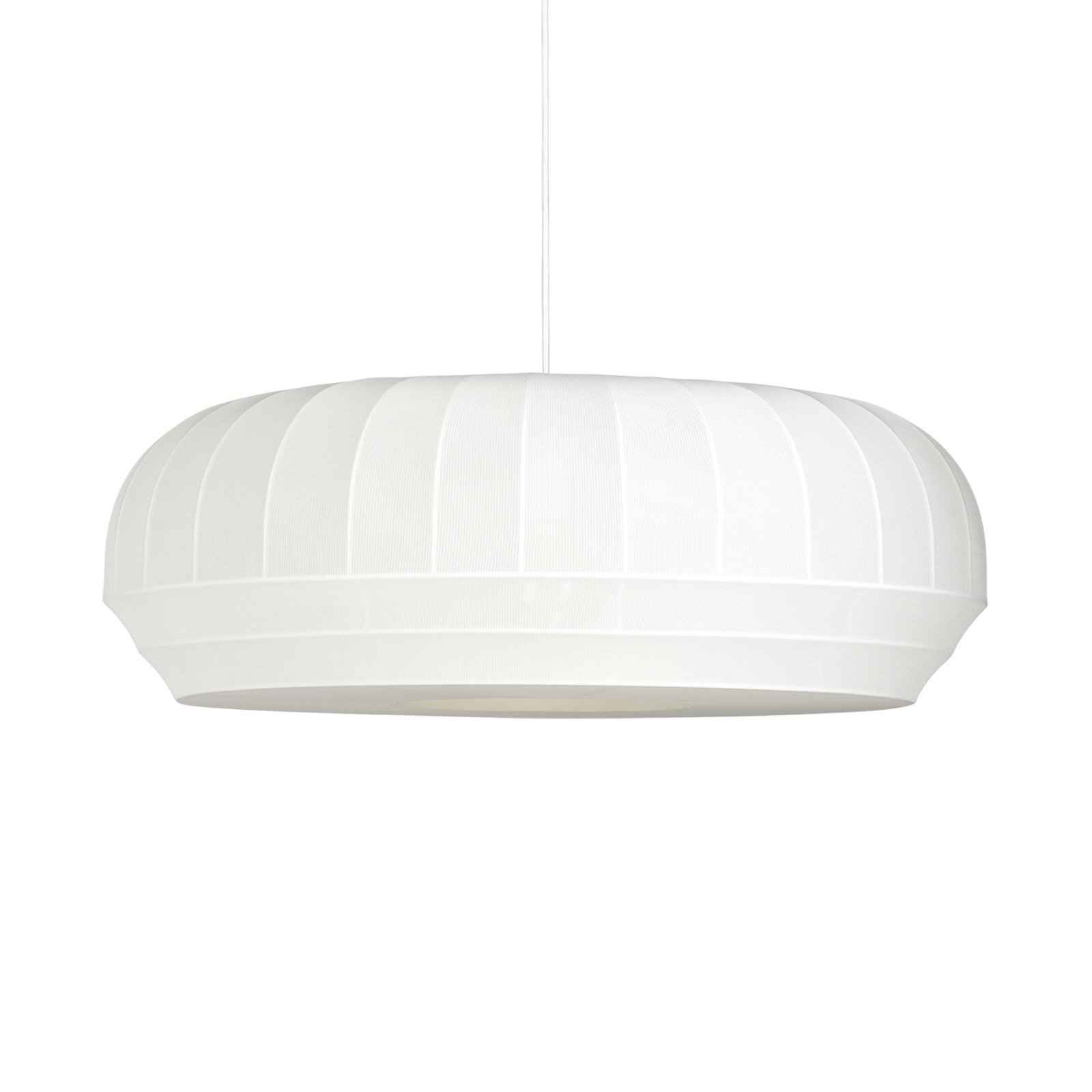
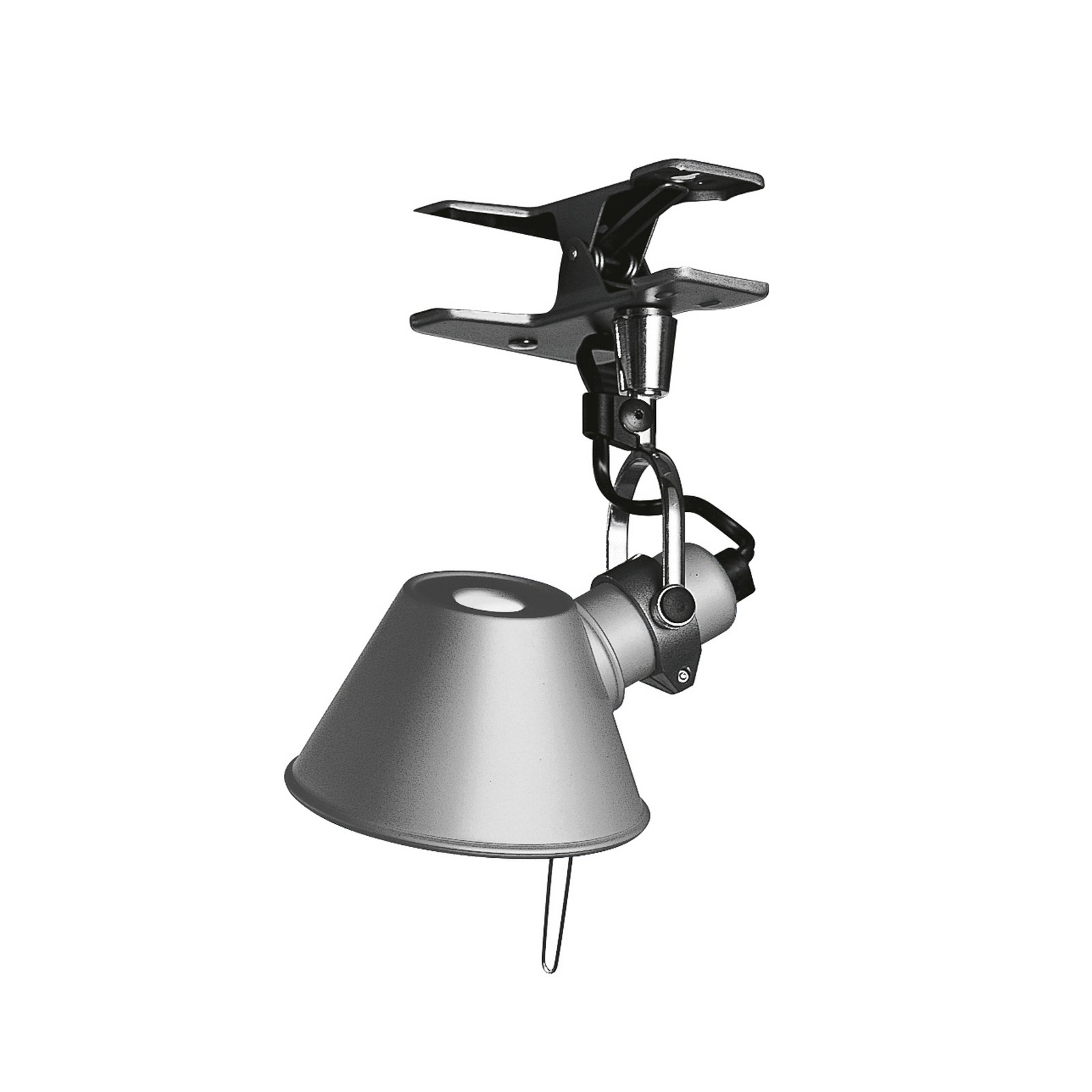
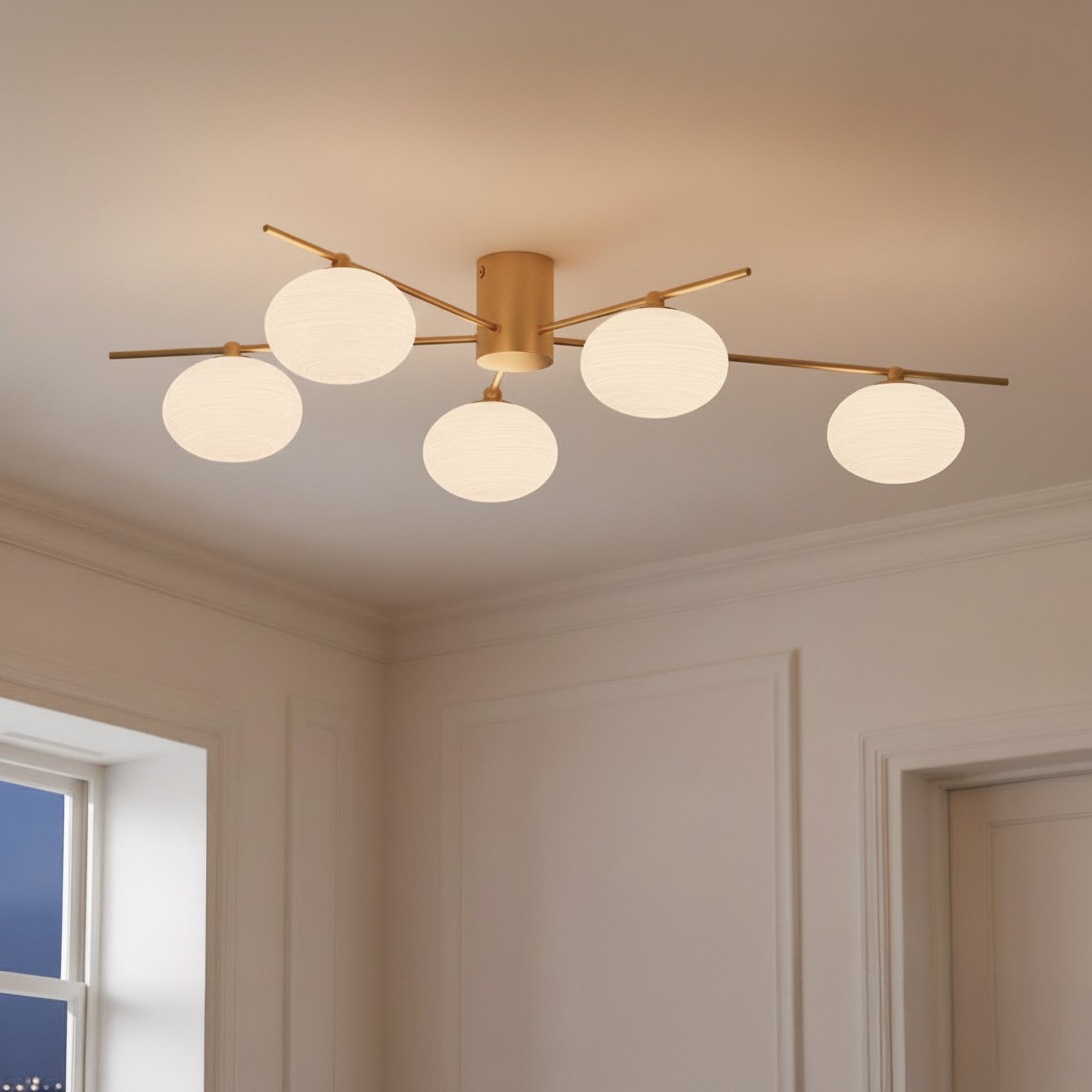
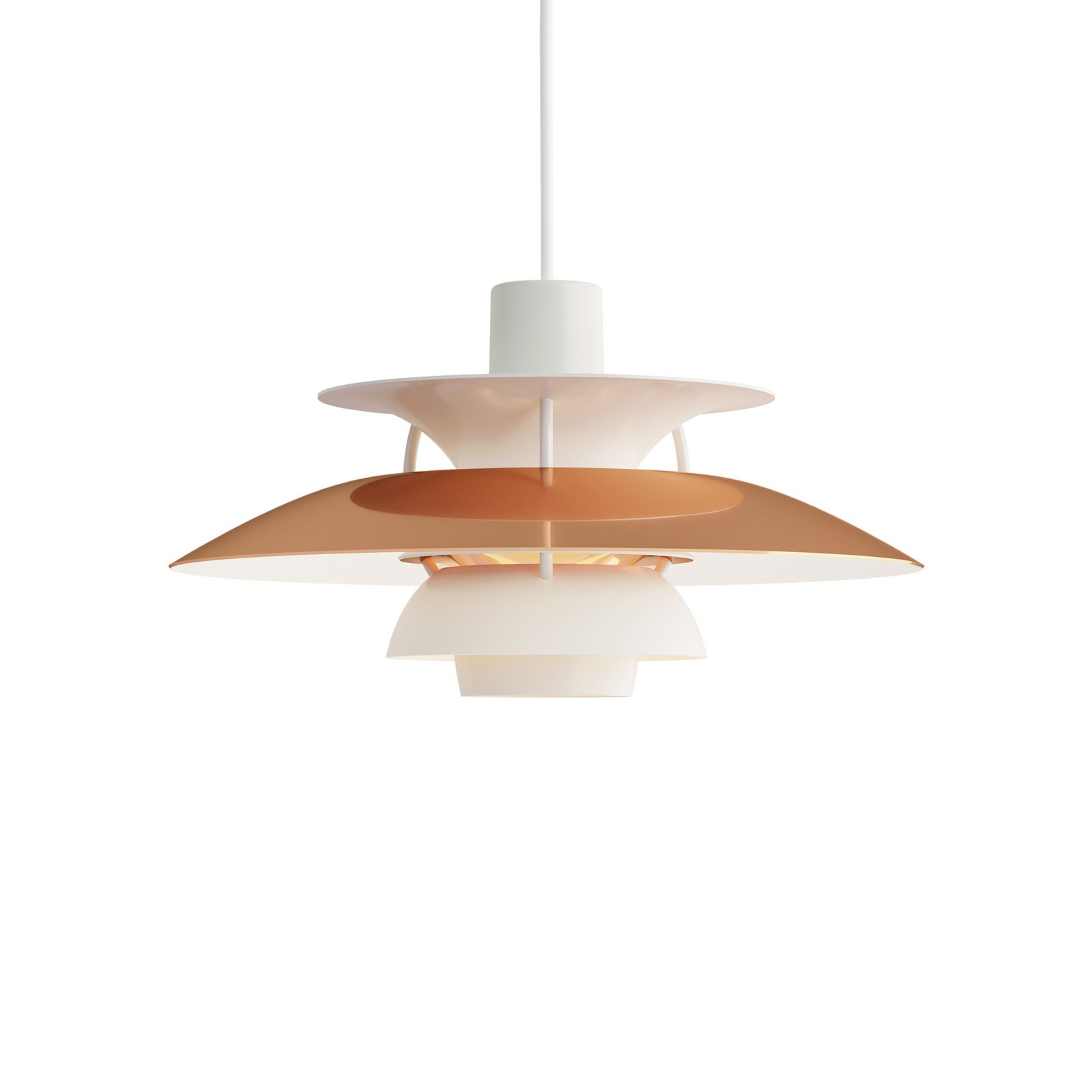
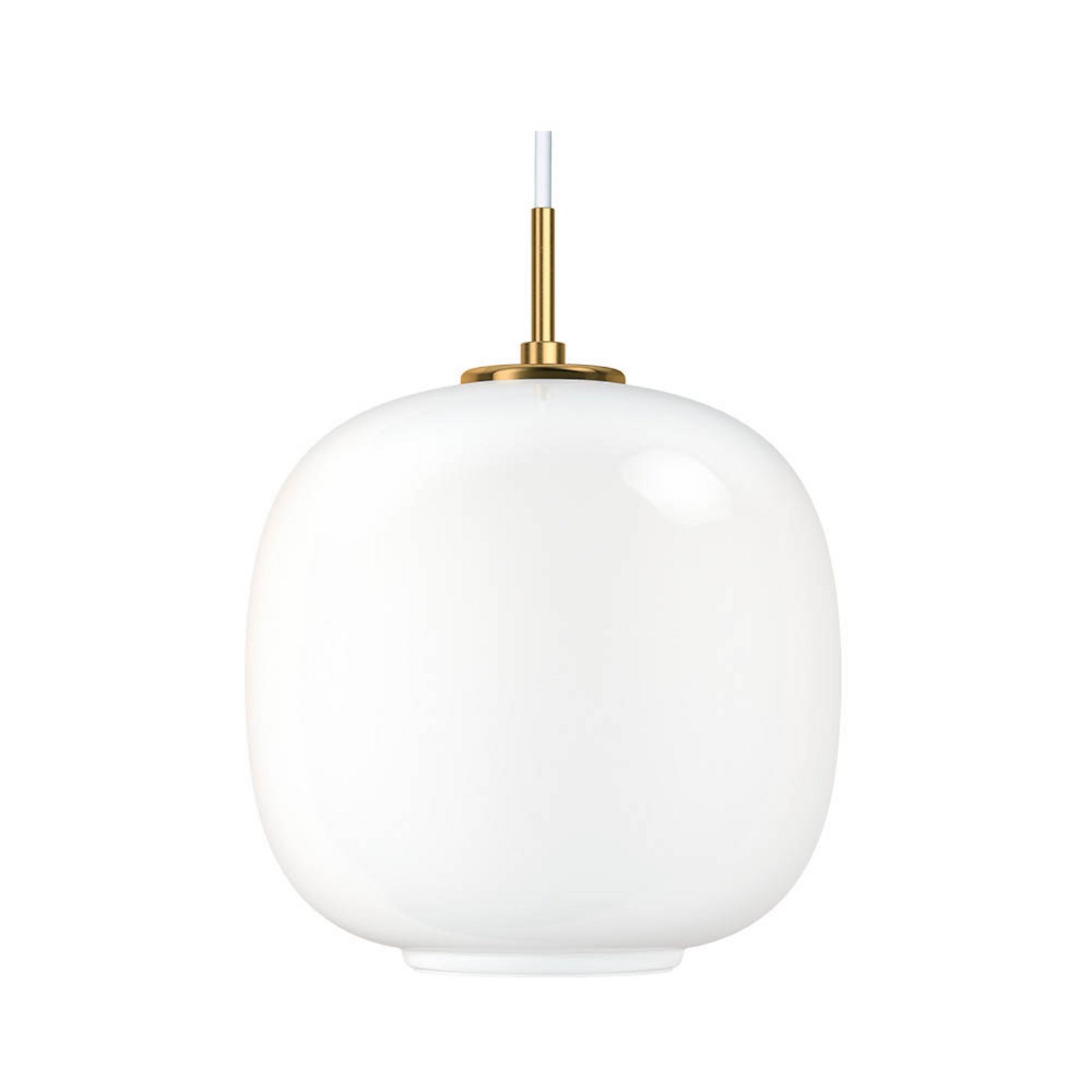
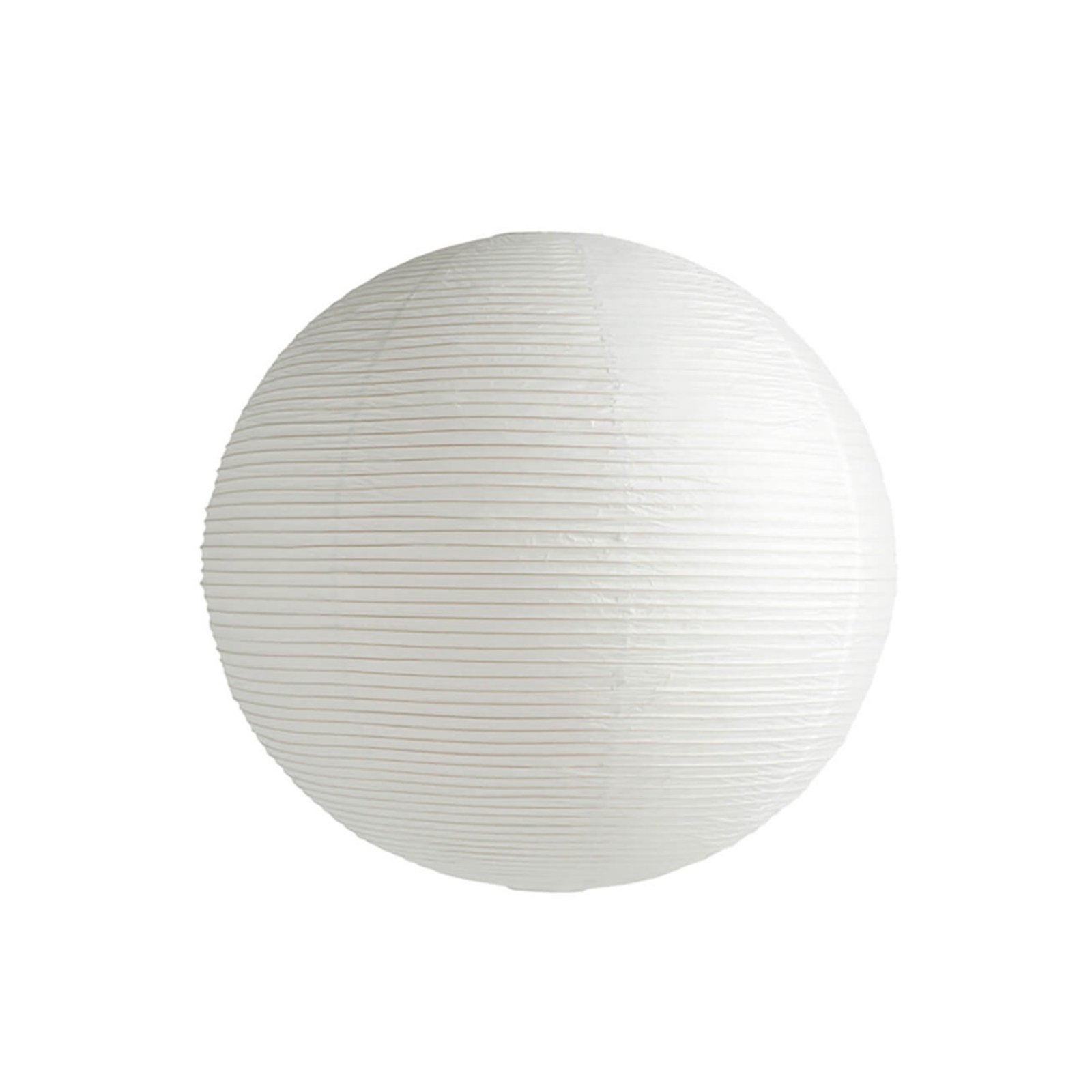
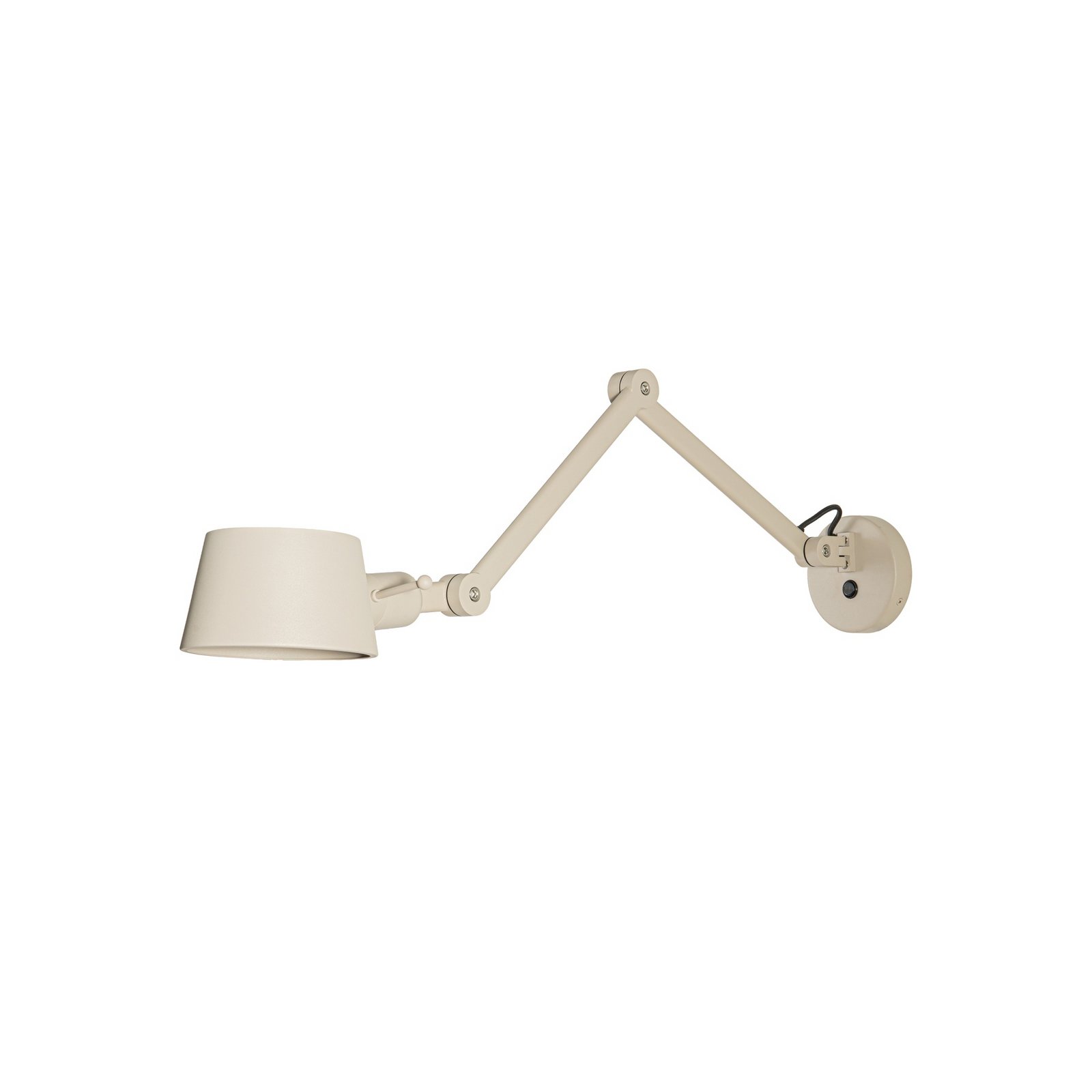
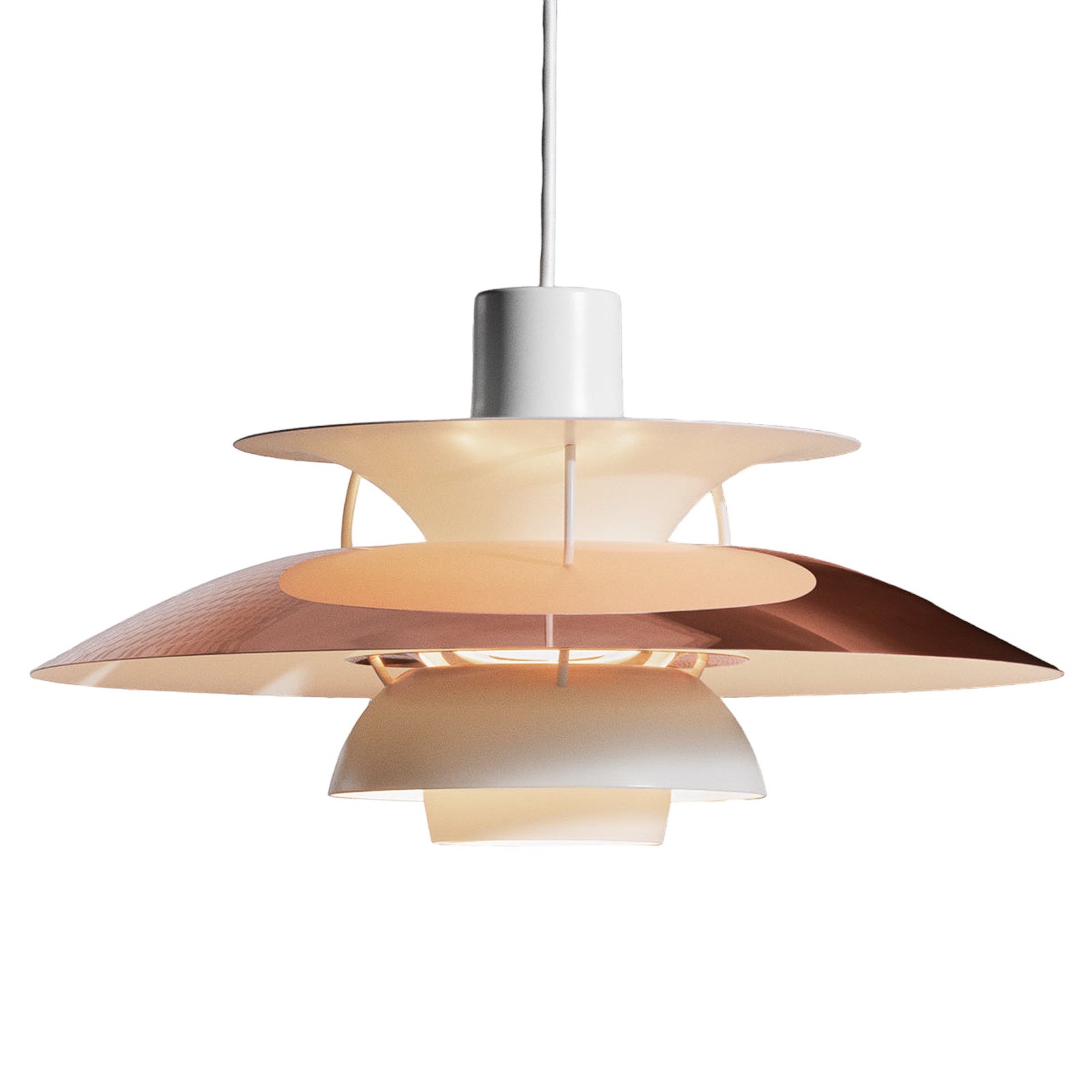
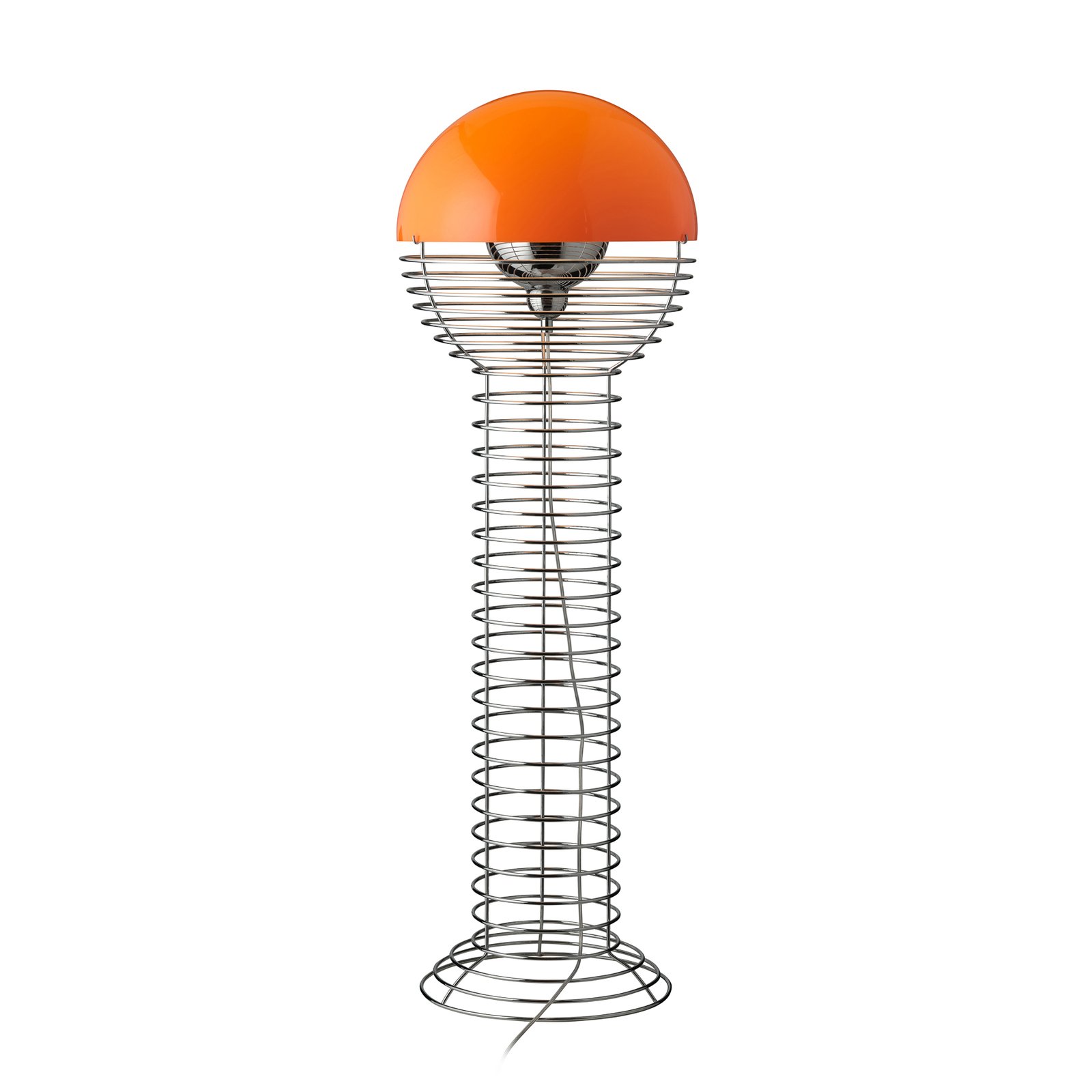
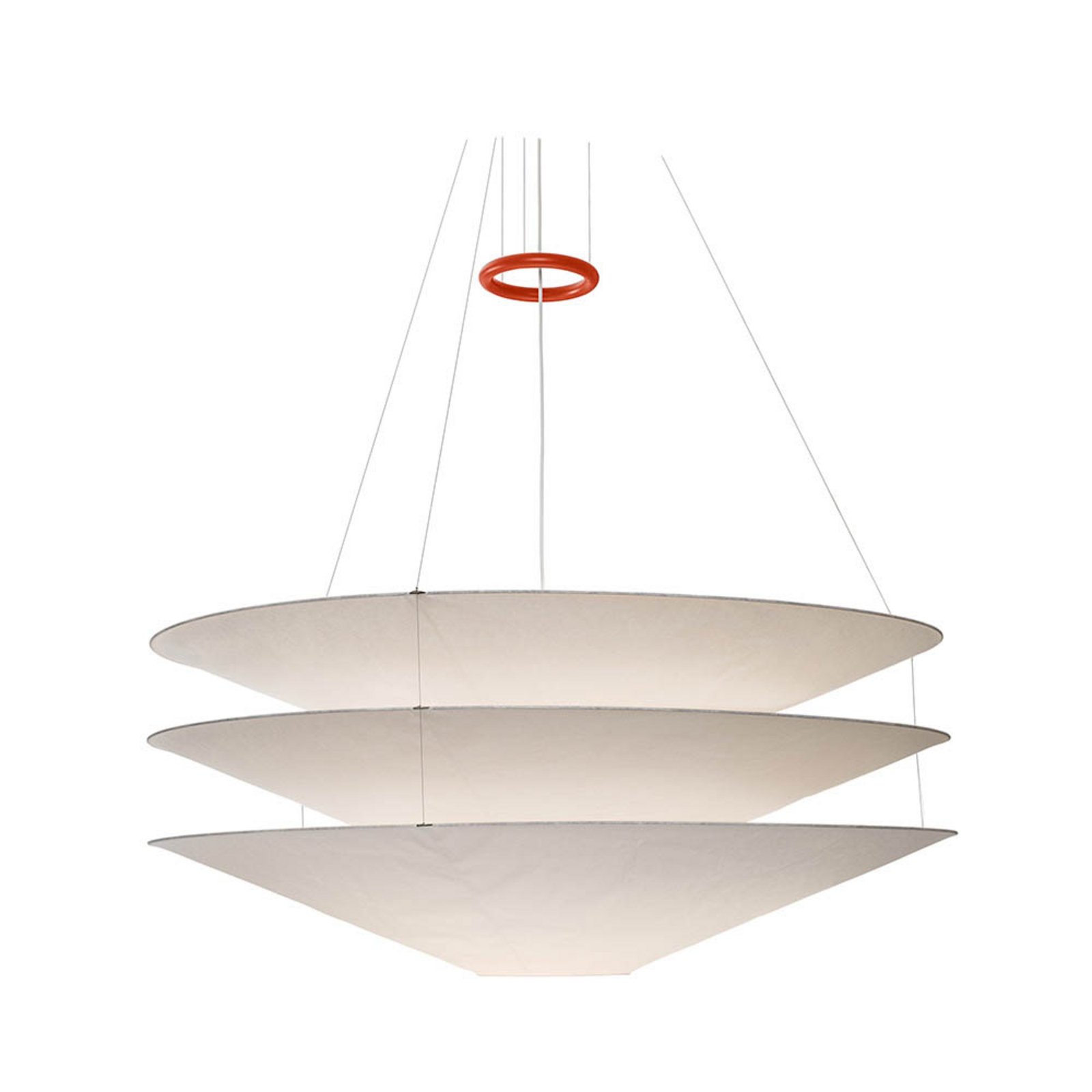
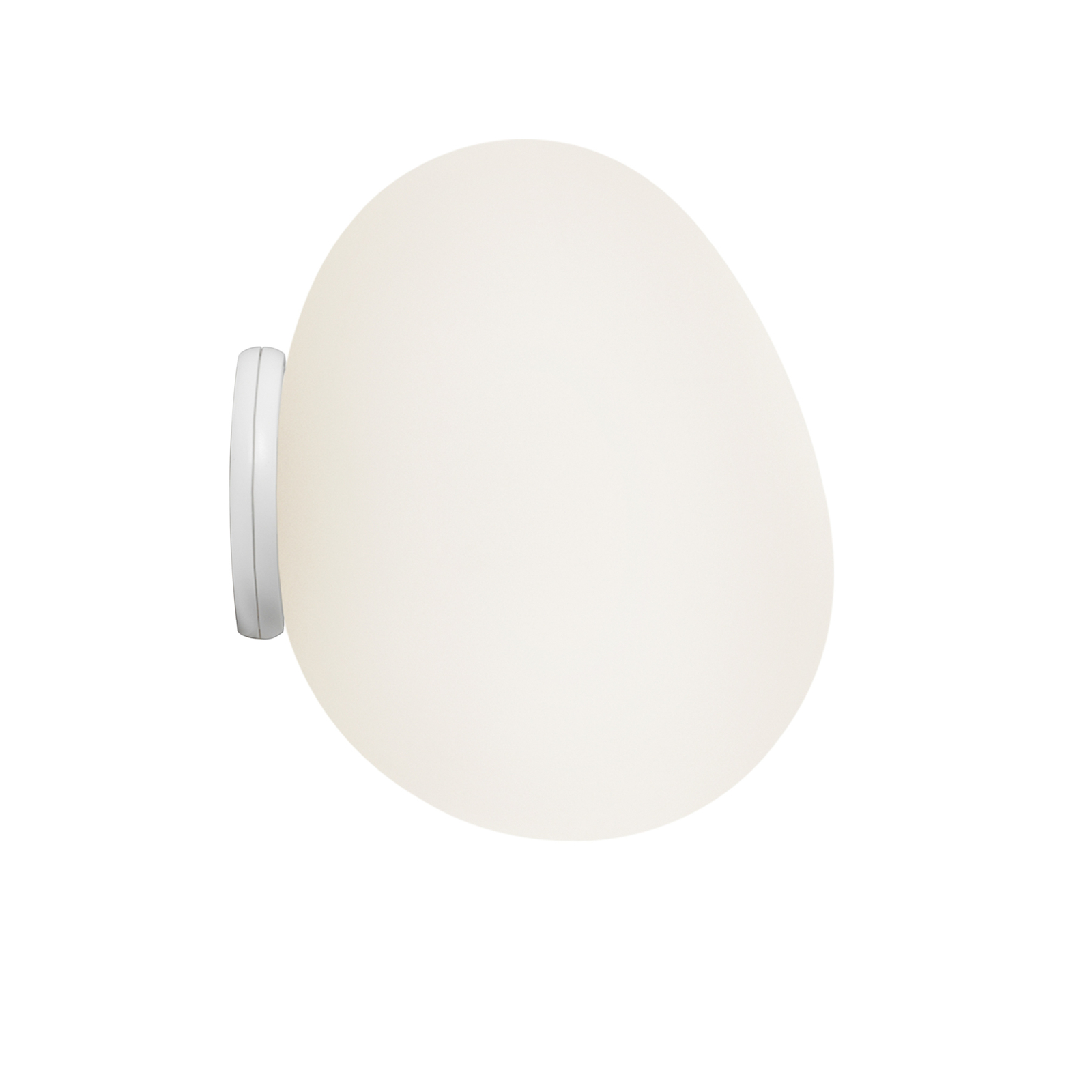
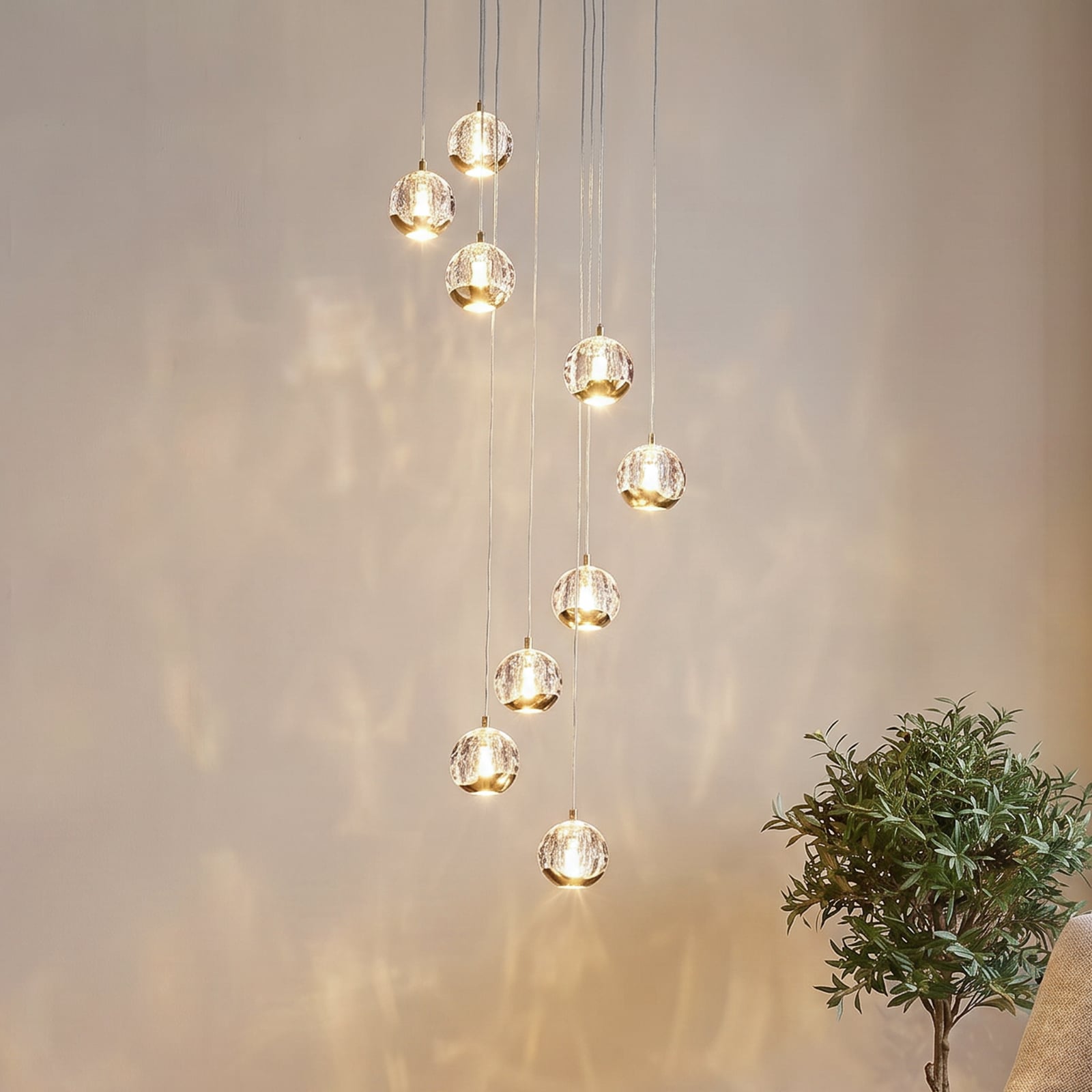
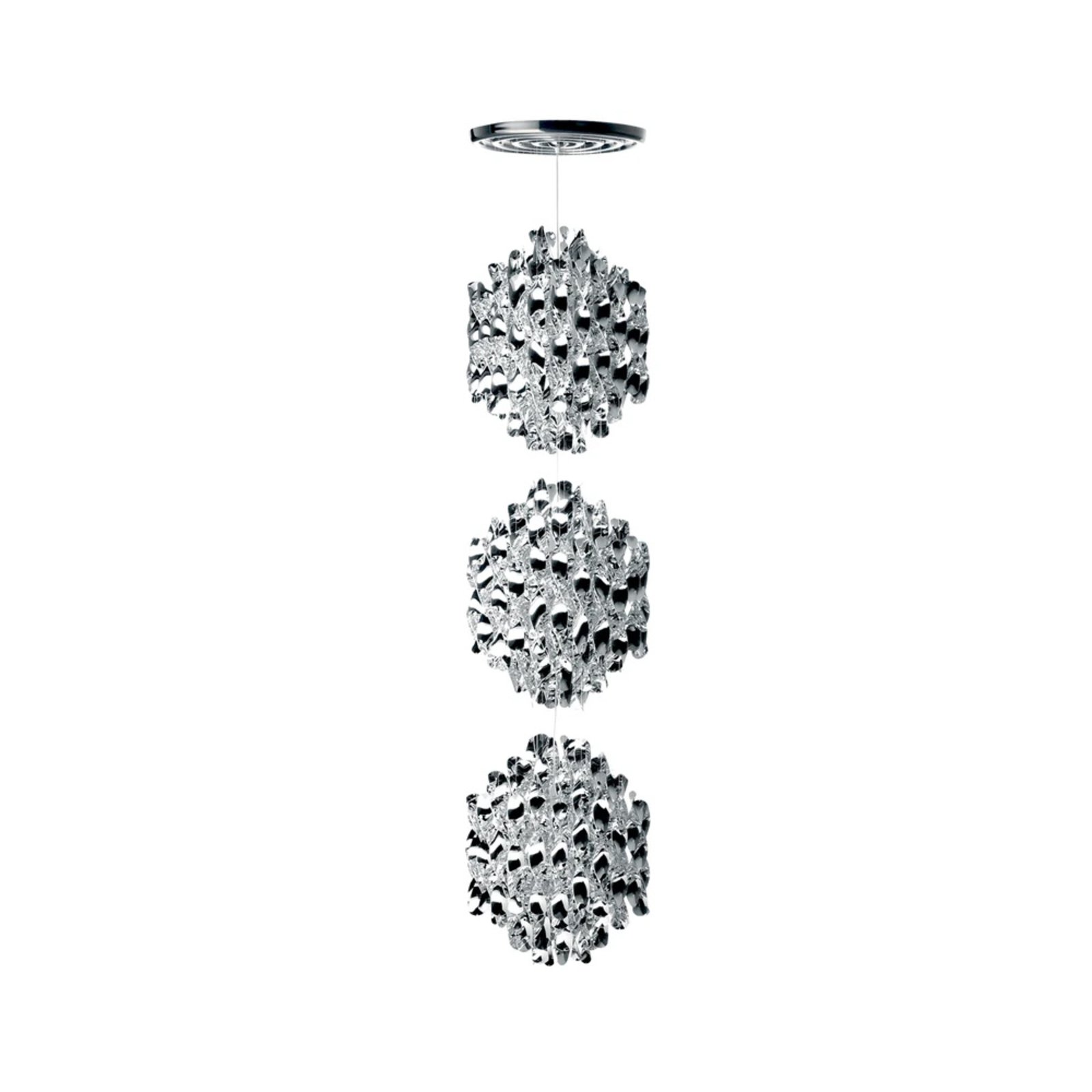
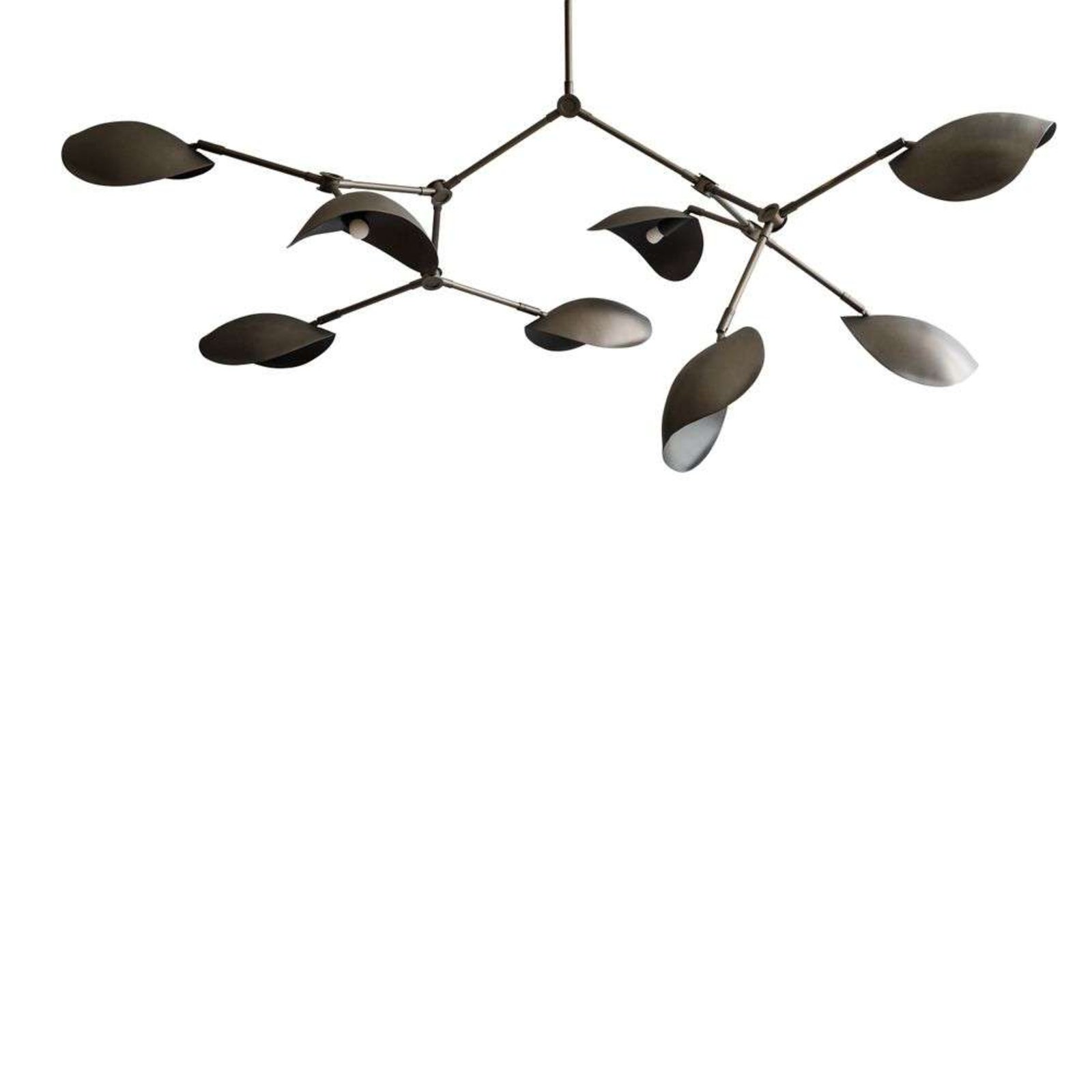
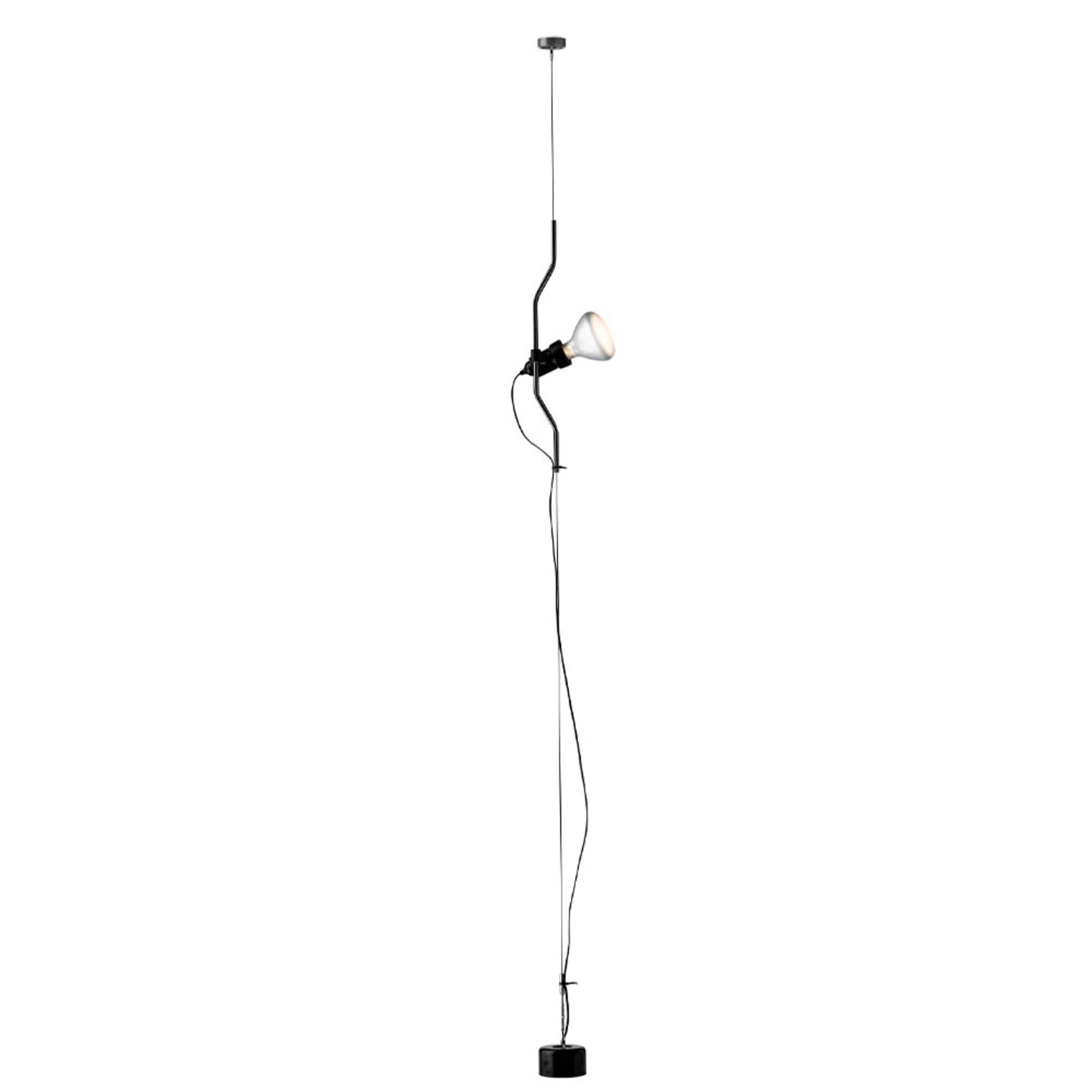
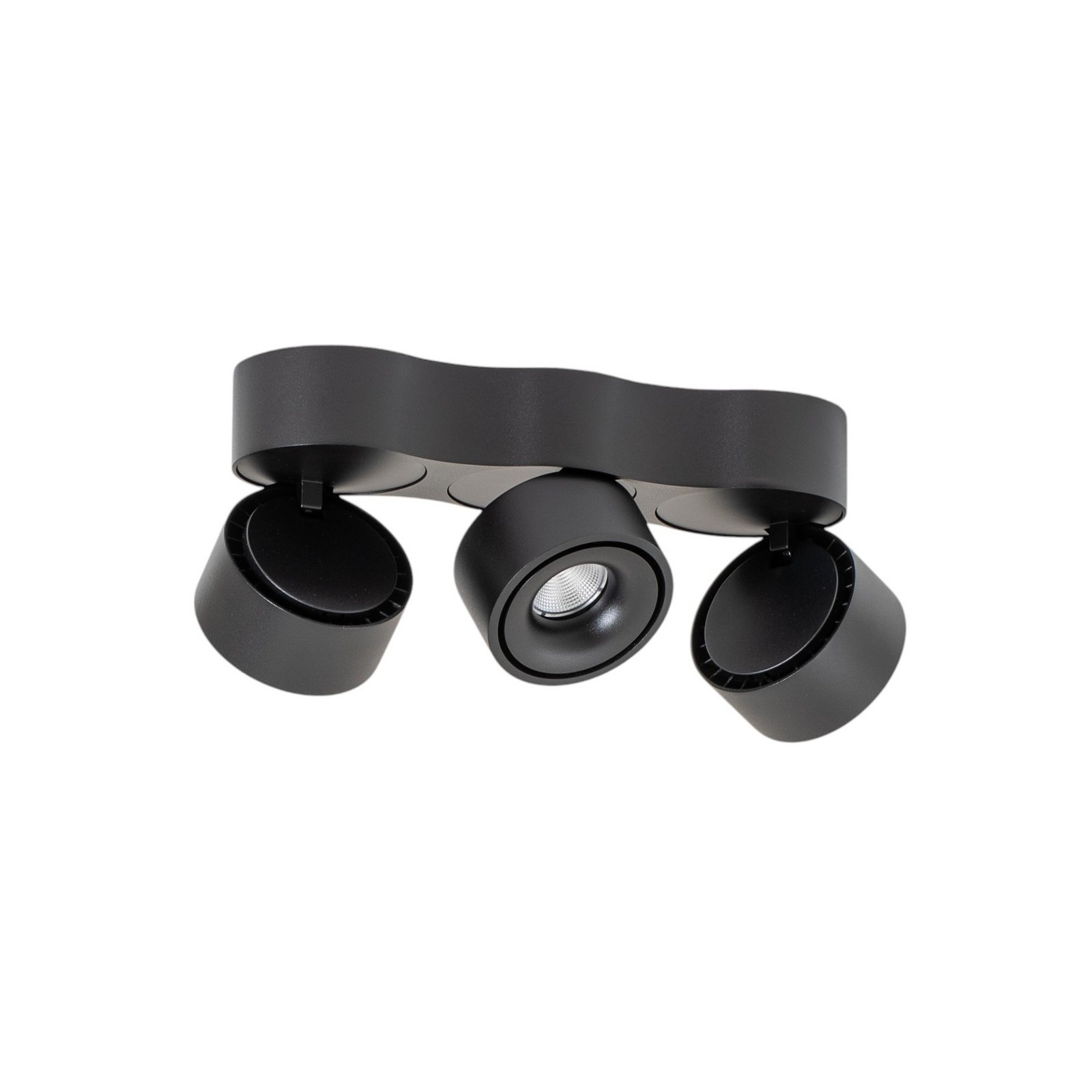
Share your pictures with @lampemesteren
Inspire and let yourself be inspired, from one unique home to another. Tag your pictures with #yesLampemesteren and you might see your home here!
Interior lighting for sophisticated lighting and interior design
Interior lighting shapes how a room is perceived and how naturally it can be used in everyday life. Their lighting can highlight materials, emphasise individual living areas or visually link furniture and architecture. However, not every light fitting creates the same effect: a pendant light above the table creates a different focal point to a floor lamp next to the sofa or a subtle ceiling light in the hallway. As well as the effect of the light, shape, colour and surface finish determine how prominent the lighting is in the interior. In this way, an interior light becomes not only a source of light, but also an integral part of the interior design.
Creating lighting effects and ambience with interior lights
Well-balanced lighting is usually achieved through the interplay of different light sources. Even lighting throughout a room helps with orientation and allows furniture, colours and proportions to come together as a whole. Targeted zone or area lighting, on the other hand, provides light where it is needed – for example, above the dining table or in a reading corner. Accent lighting can also highlight a shelf, a picture or a particular piece of furniture. Particularly in open-plan living areas, different lighting zones can help to visually distinguish between dining, relaxing and other everyday activities.
The direction of the light also affects our perception. Light directed downwards highlights surfaces and creates a clearly defined area. Light that is reflected off a wall or ceiling is diffused more widely and can make the room appear more tranquil. An indoor lamp with an open shade, on the other hand, may be perceived as a more prominent light source, whilst closed or opal surfaces distribute the light more evenly. Shape and light distribution together determine how a light fitting shapes a room.
The colour of the light also influences the character of an interior. Warm white light can help to create a calm, cosy atmosphere and harmonises well with wood, textiles and muted colours. The perceived effect also depends on the interplay with the other light sources and surfaces in the room. Neutral white light has a more neutral feel and can be a suitable choice for places such as the kitchen or study. How true to life colours and materials appear, however, depends primarily on the colour rendering of the light source. Dimmable LED lights offer greater flexibility because their brightness can be adjusted to suit different situations. Brighter light is ideal for active situations, whilst lower brightness in the evening helps to create a more relaxed atmosphere. Good interior lighting is often achieved precisely because different lights fulfil different functions. A ceiling light can provide general lighting for a room, whilst a table lamp or wall light can illuminate a smaller area more specifically. In this way, general lighting, task lighting and accent lighting can work together, depending on the room and its use.
Pendant lights, ceiling lights and wall lights in harmony with the room and its furnishings
Pendant lights as a focal point in the room
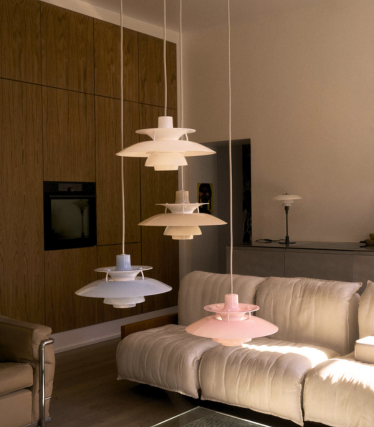
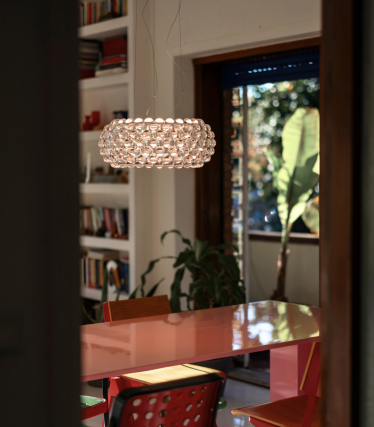
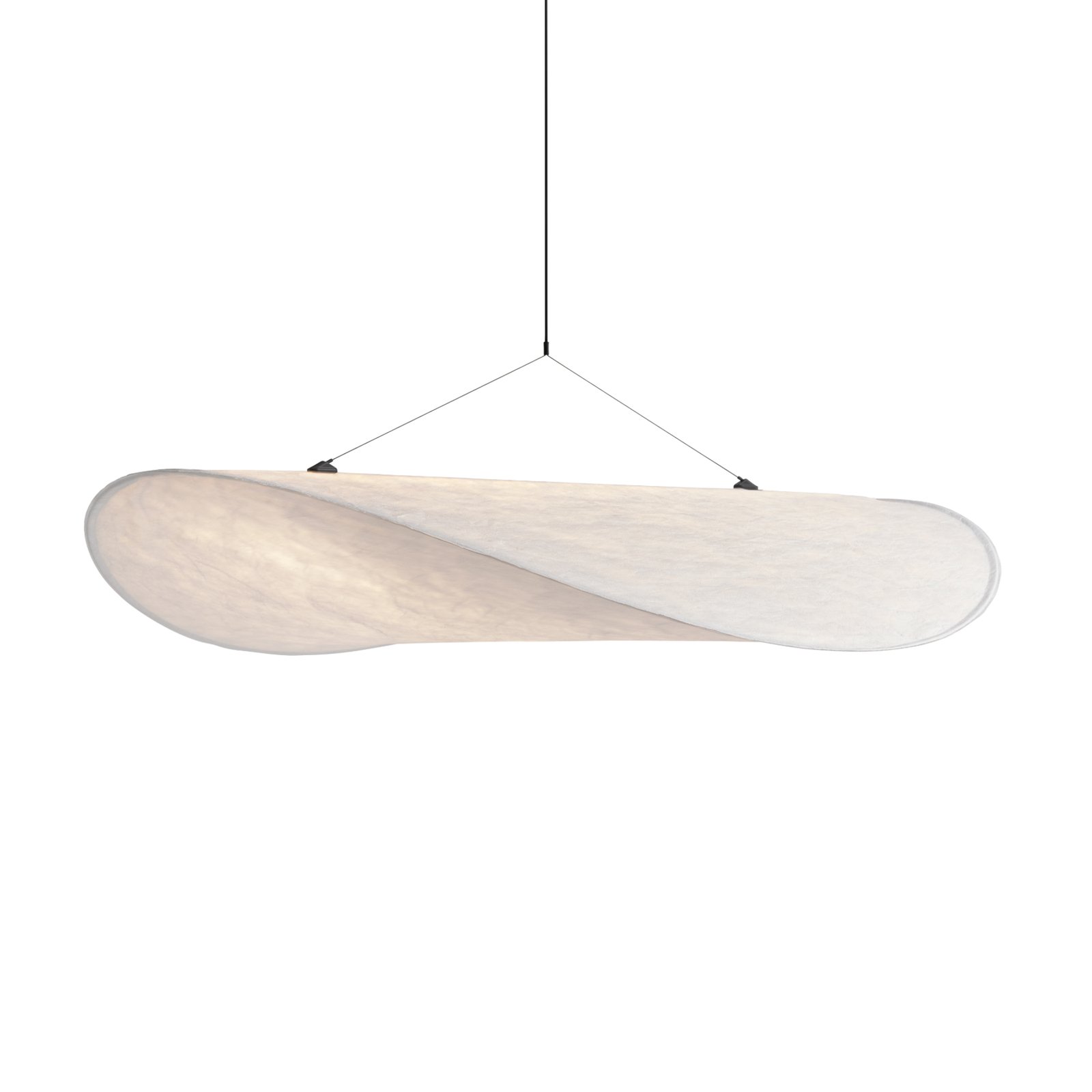
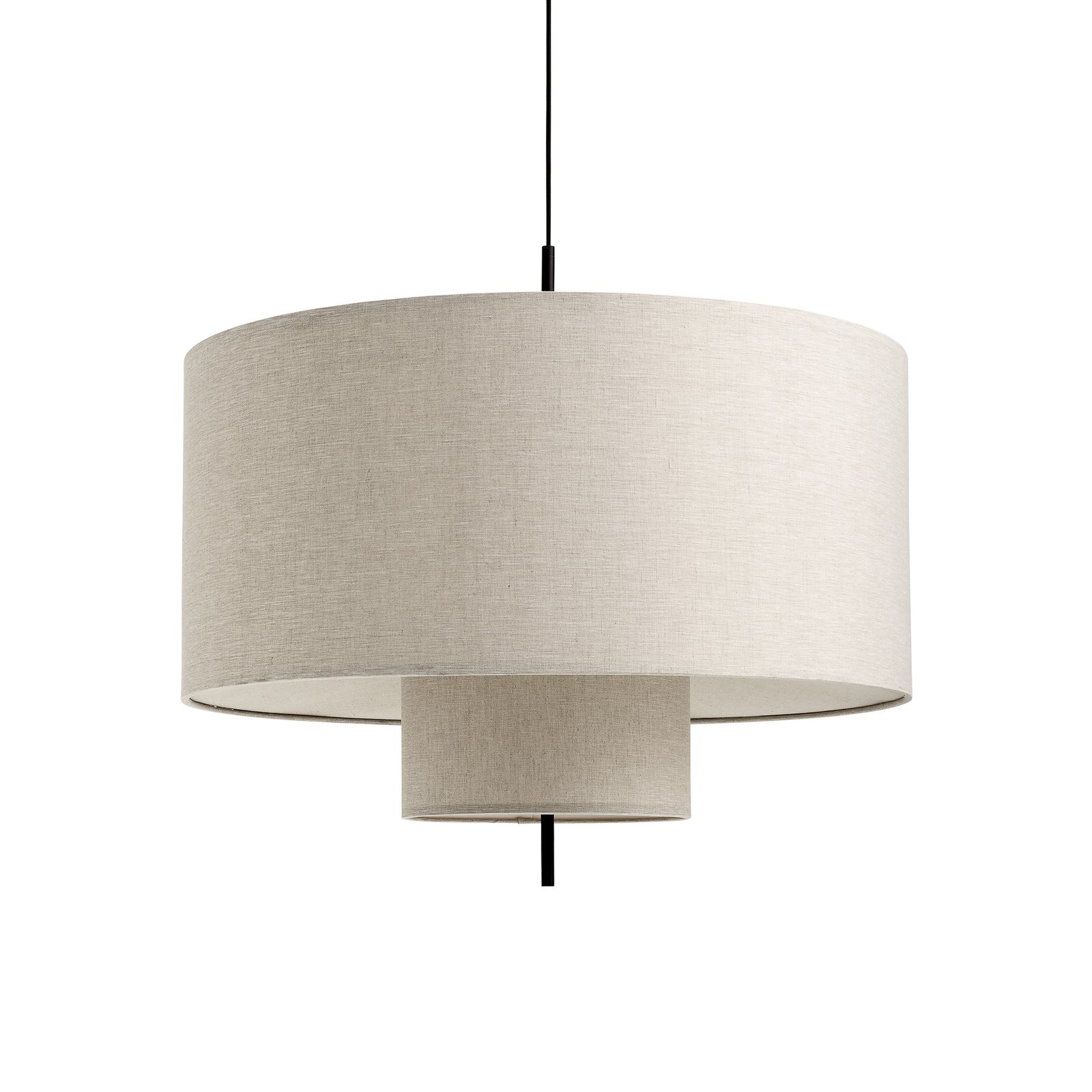
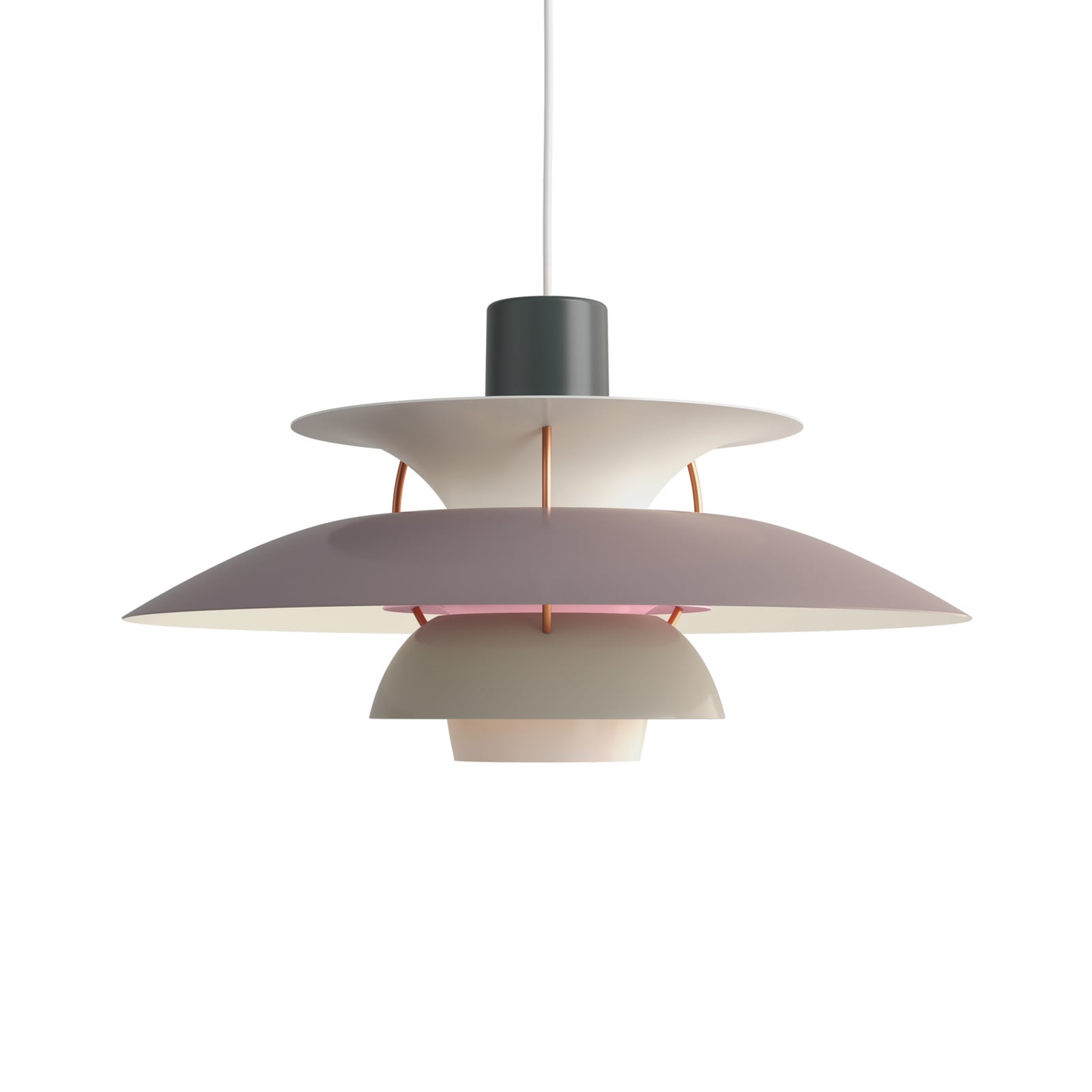
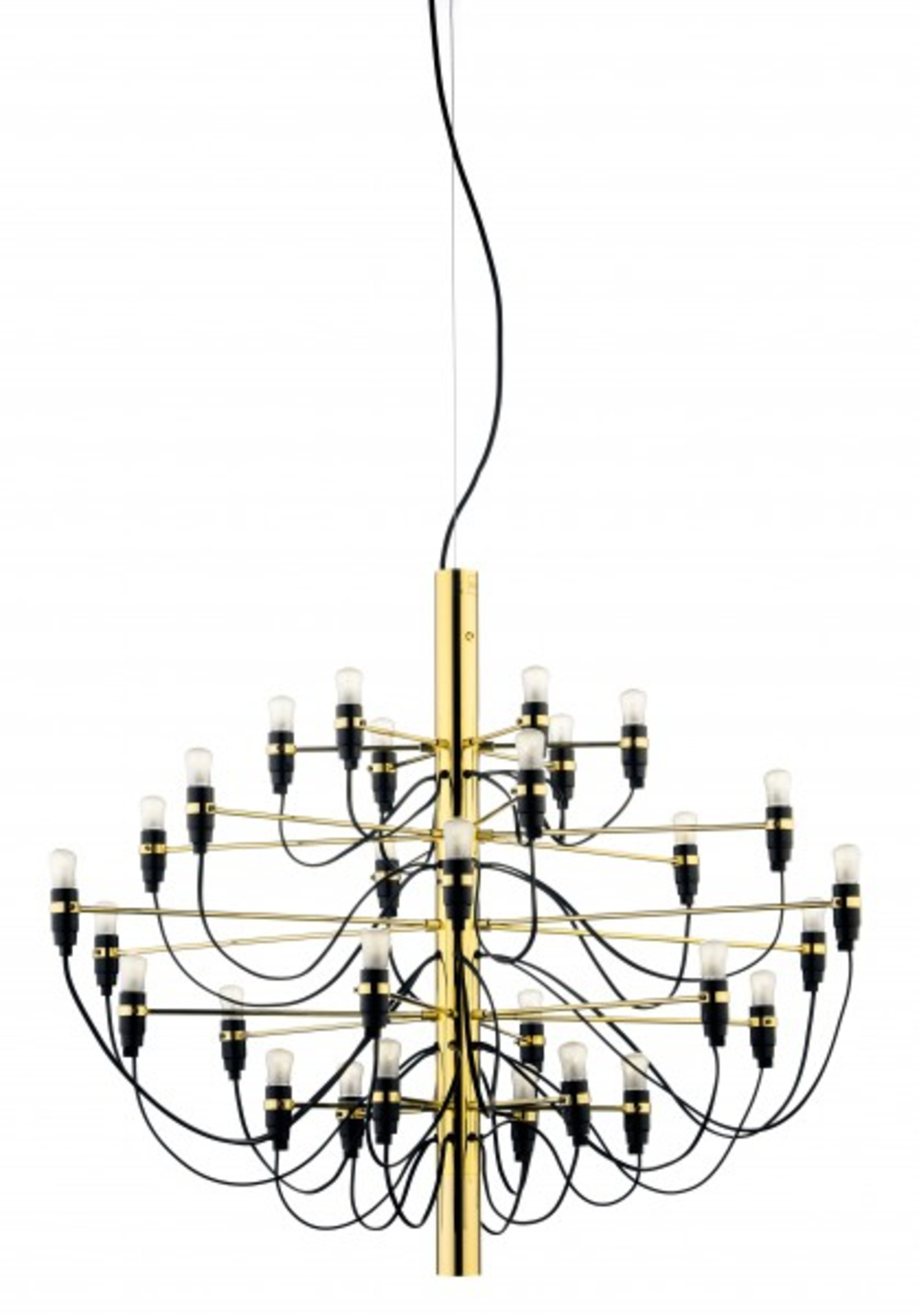
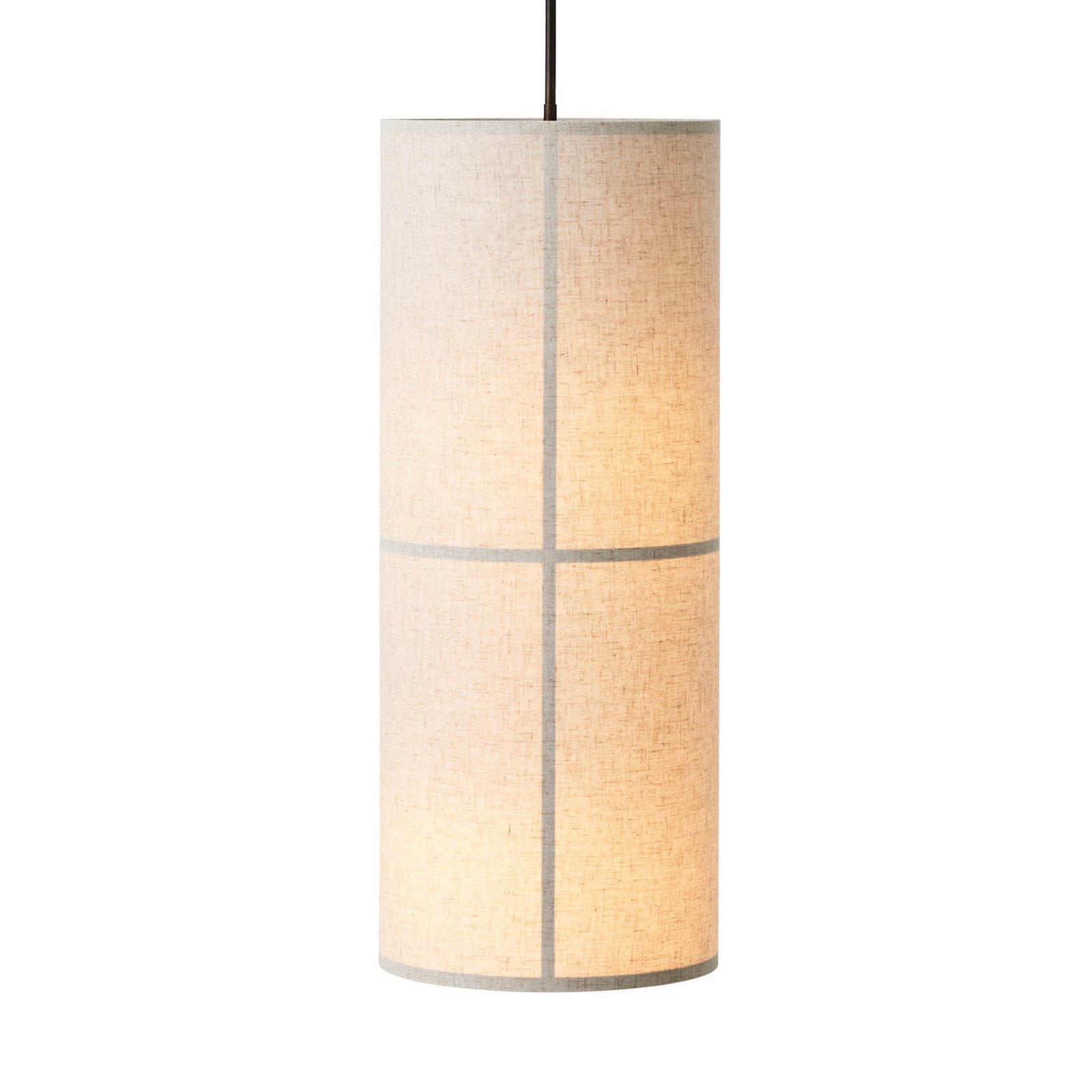
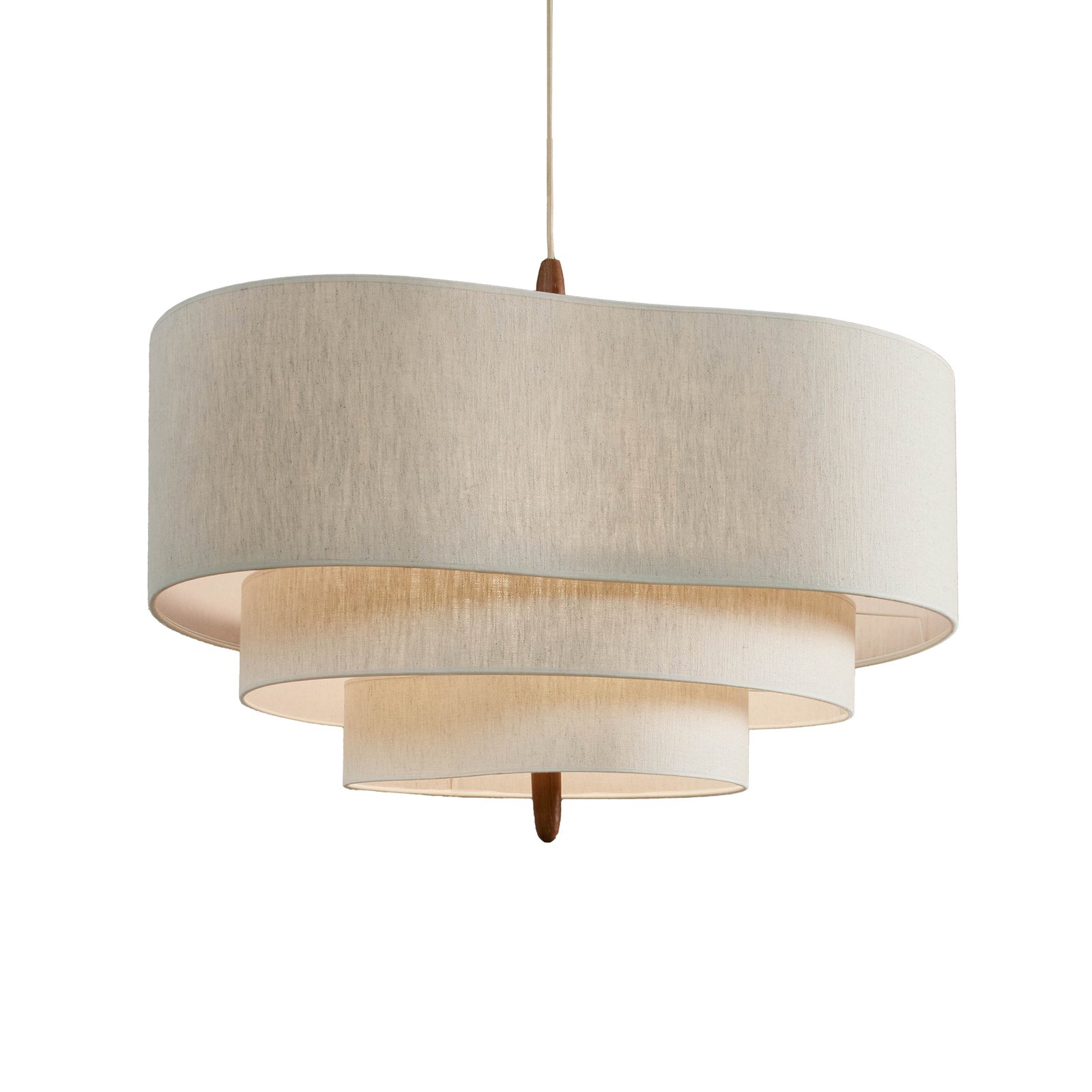
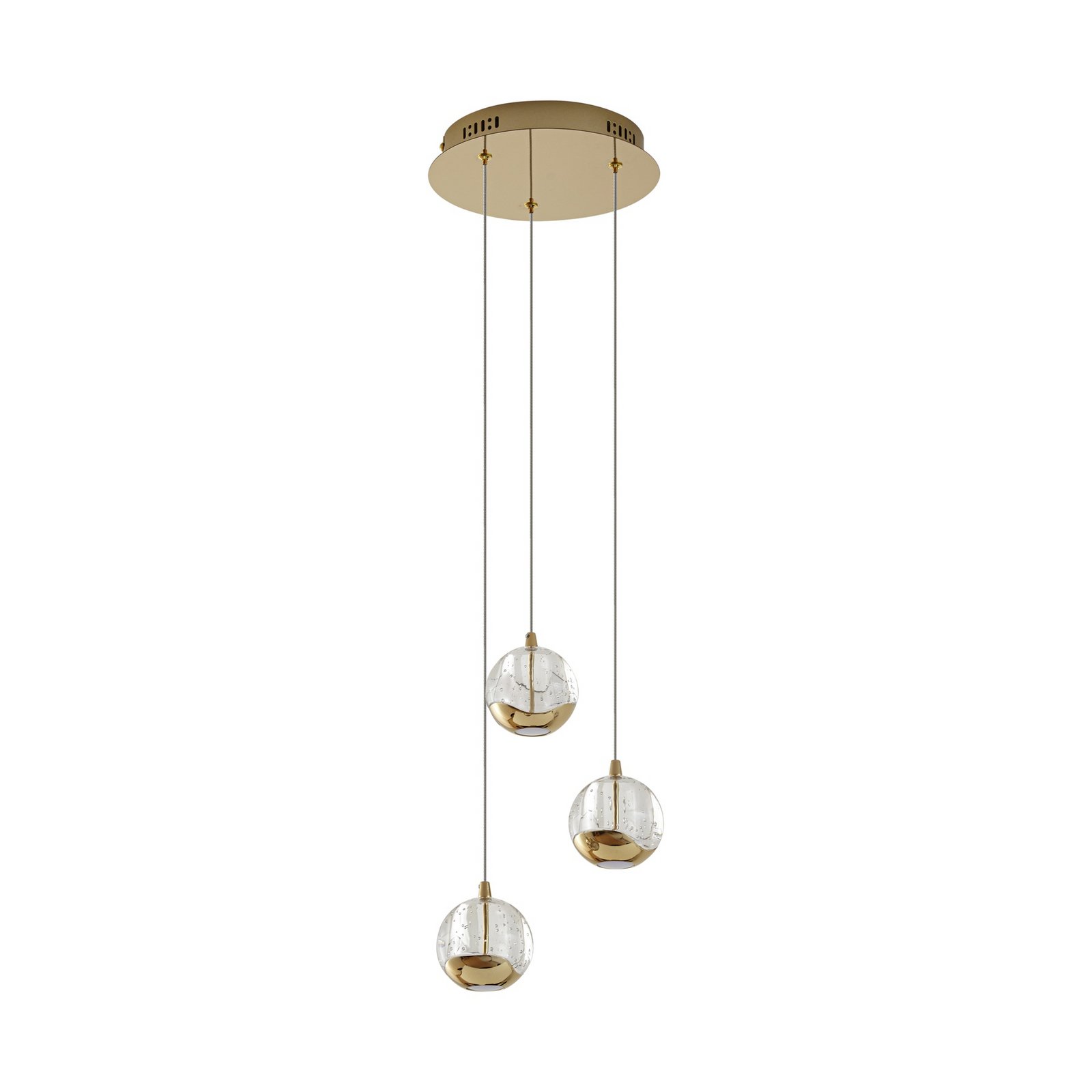
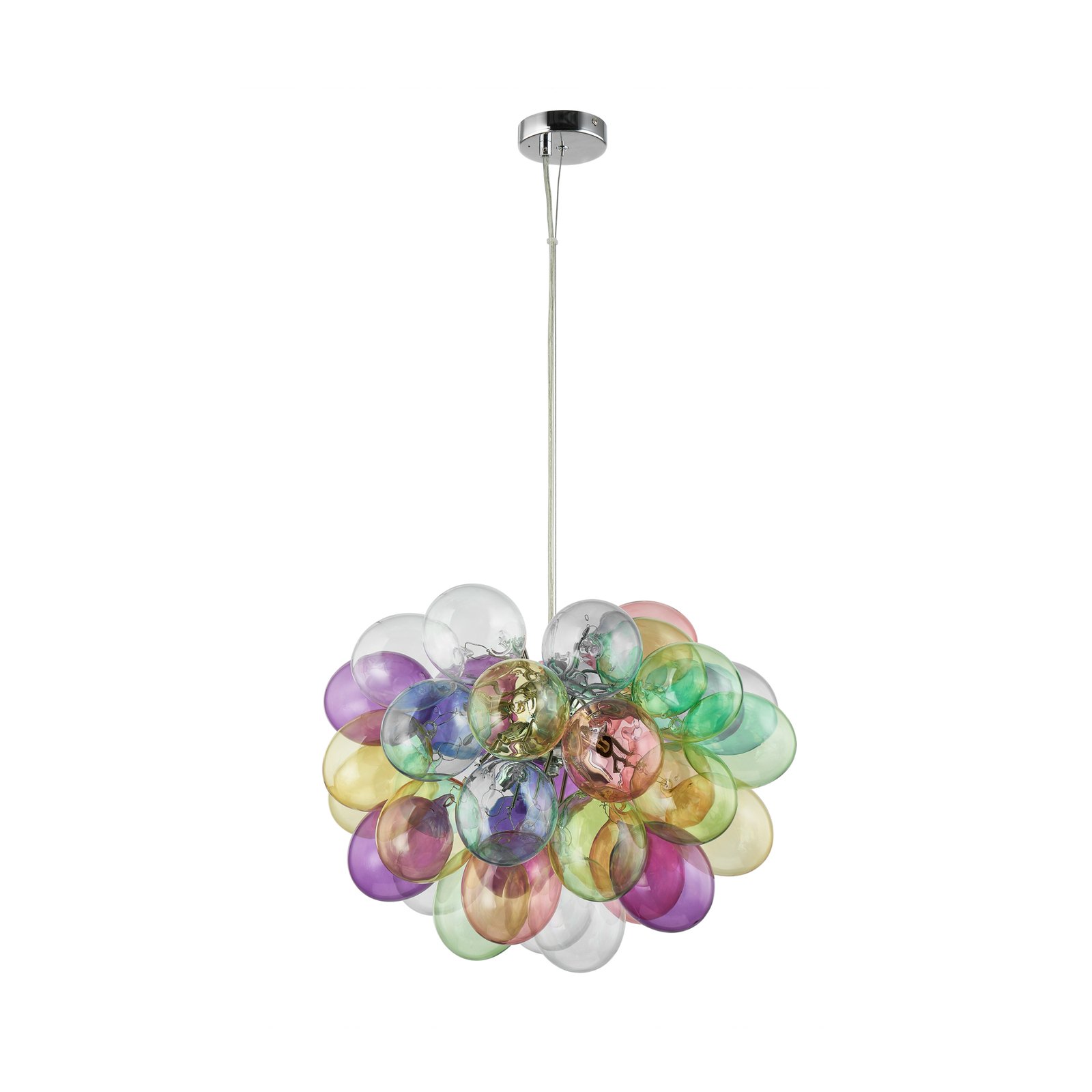
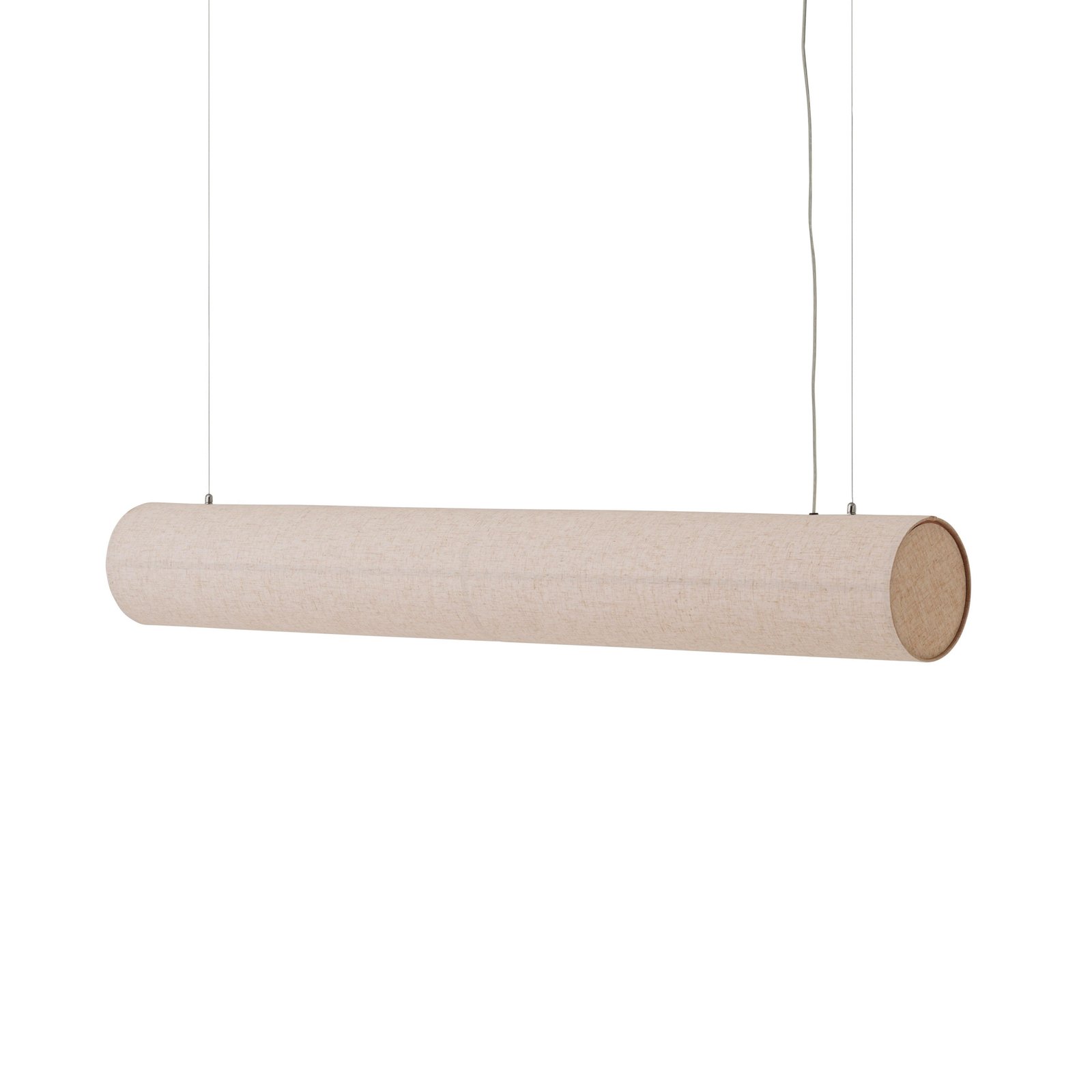
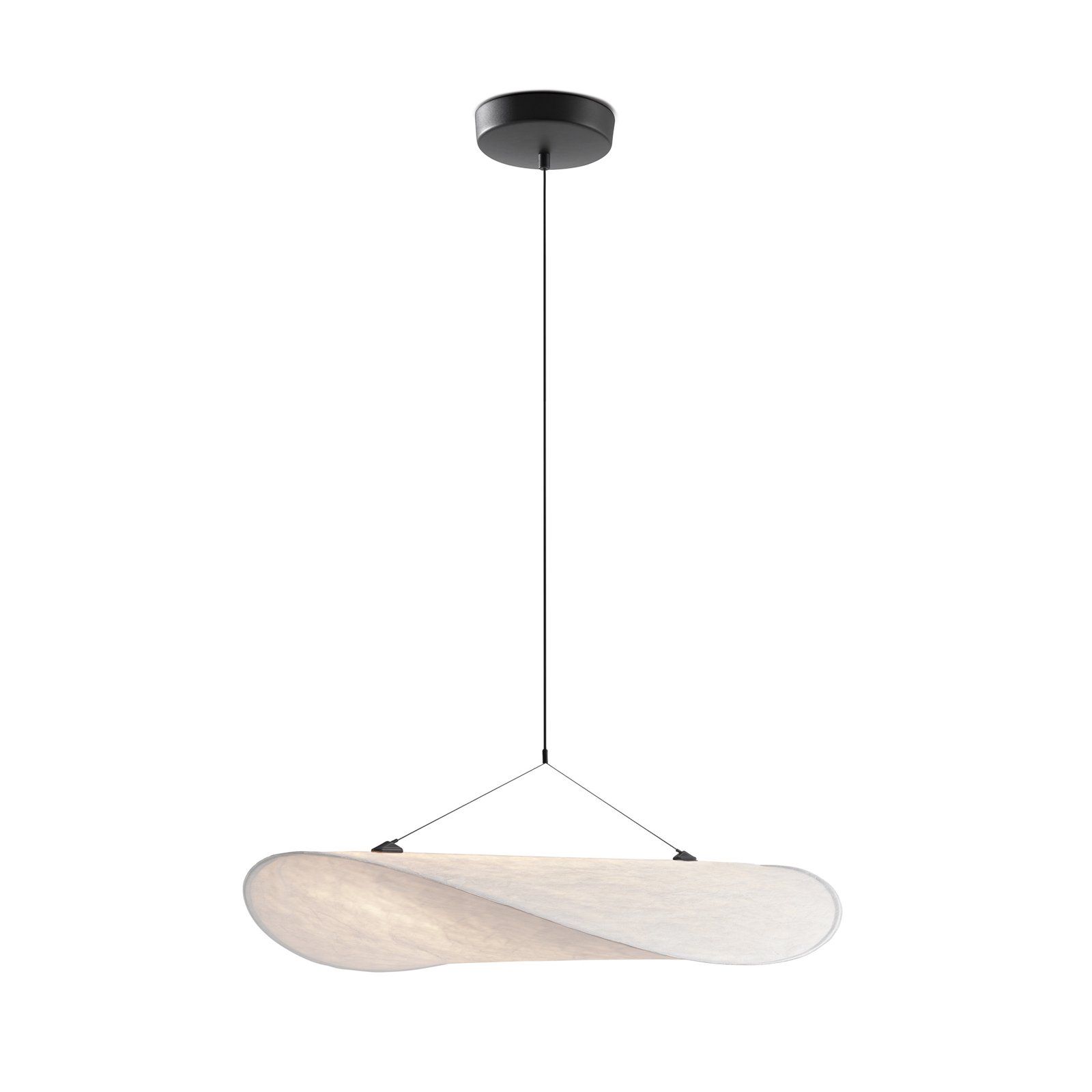
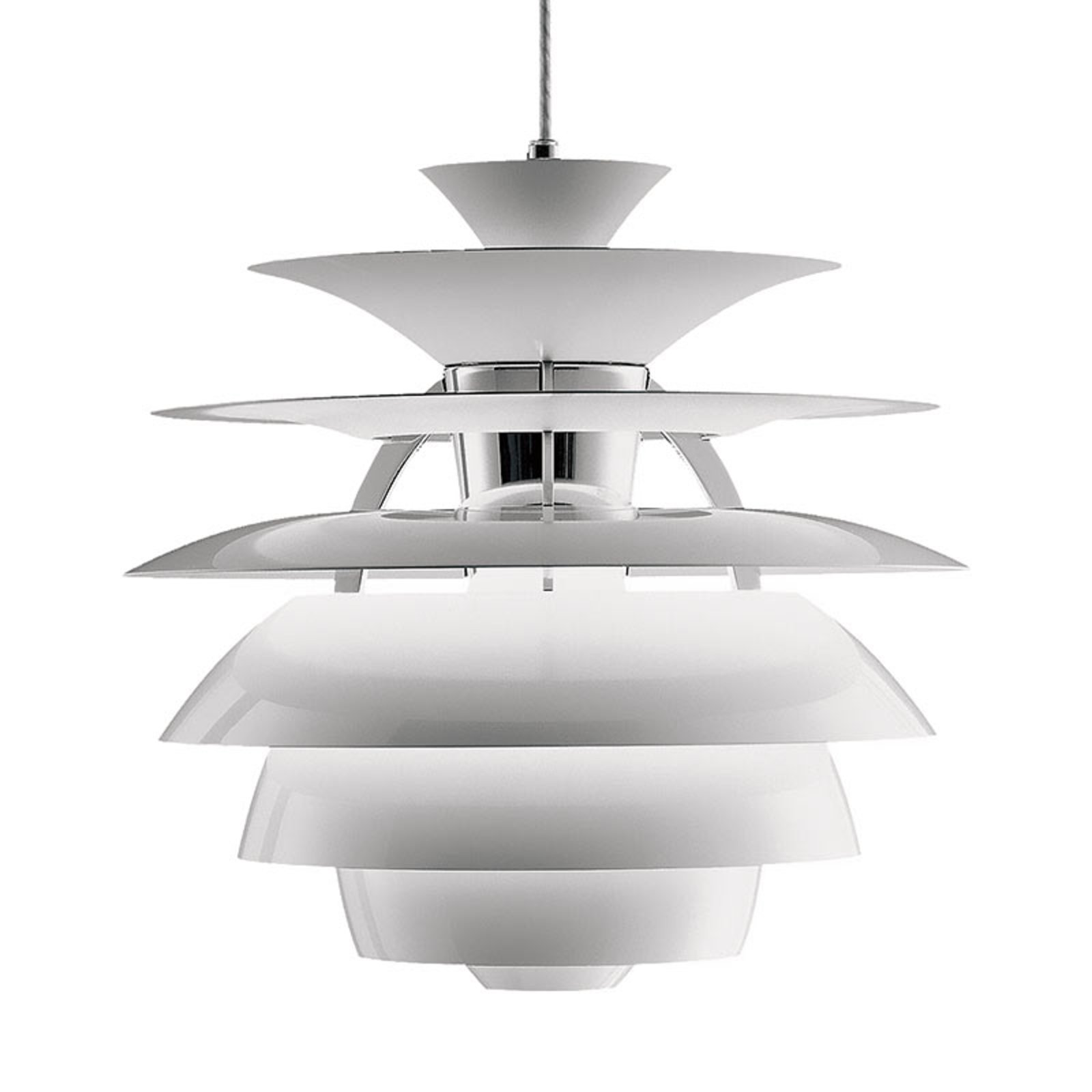
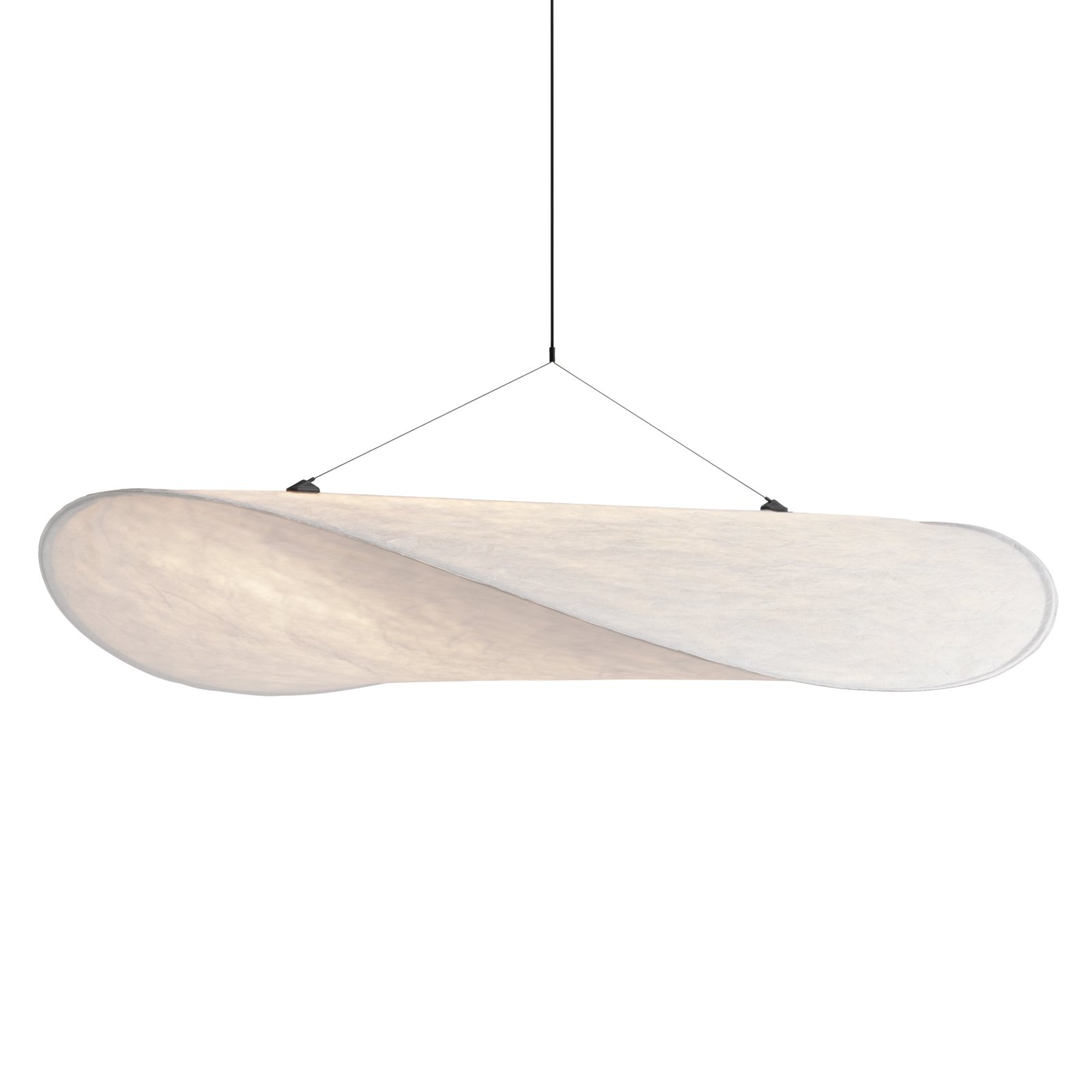
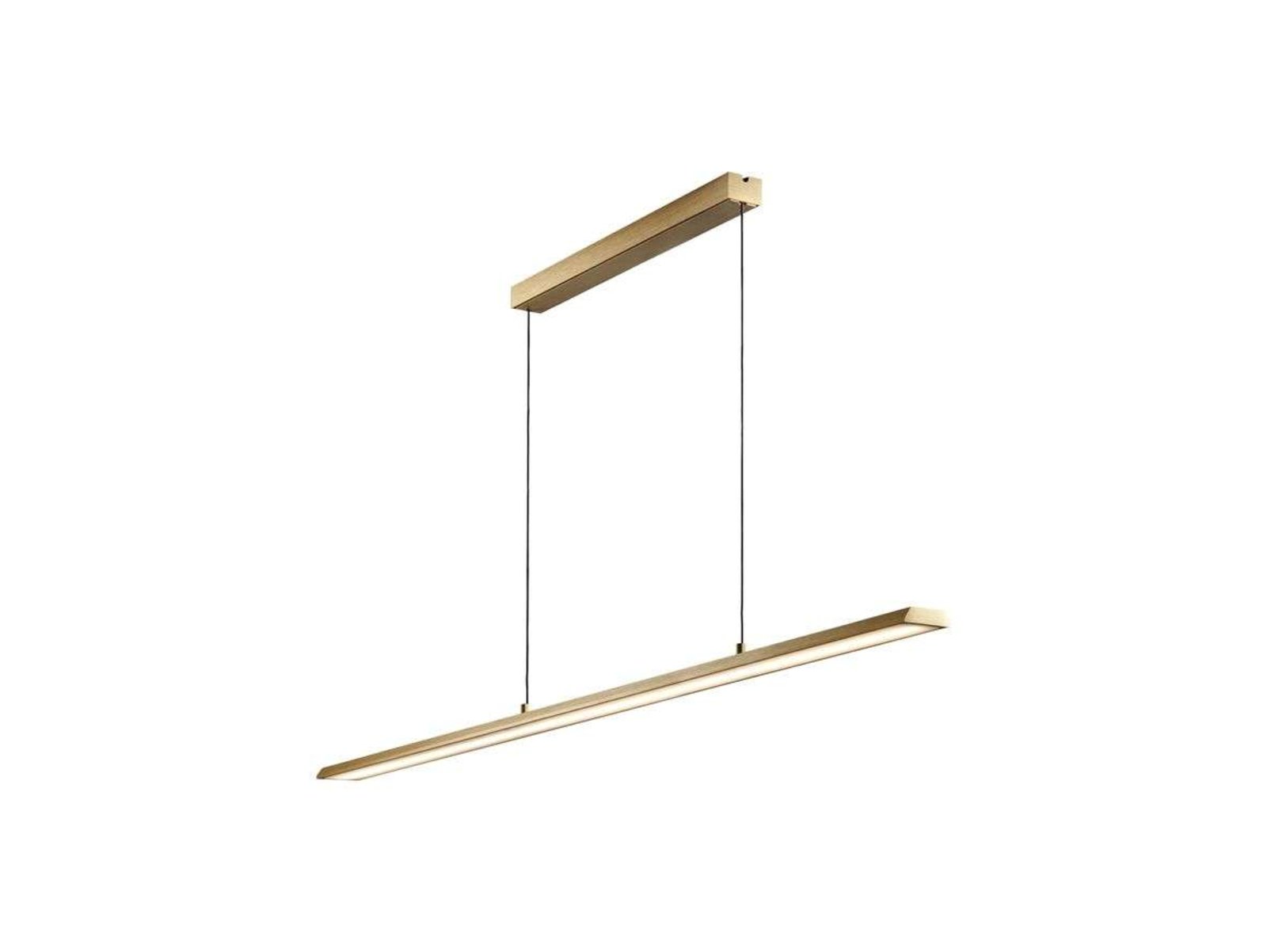
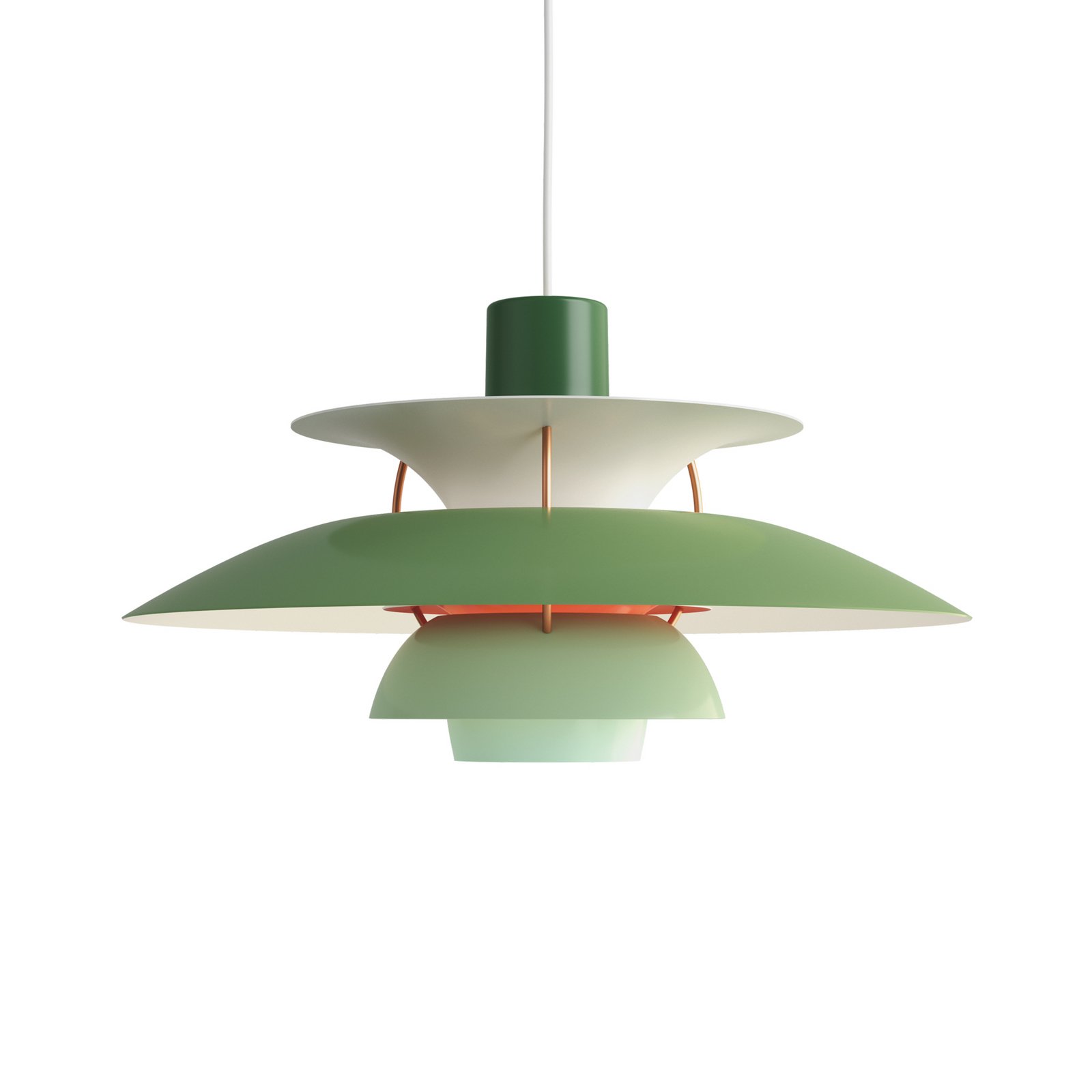
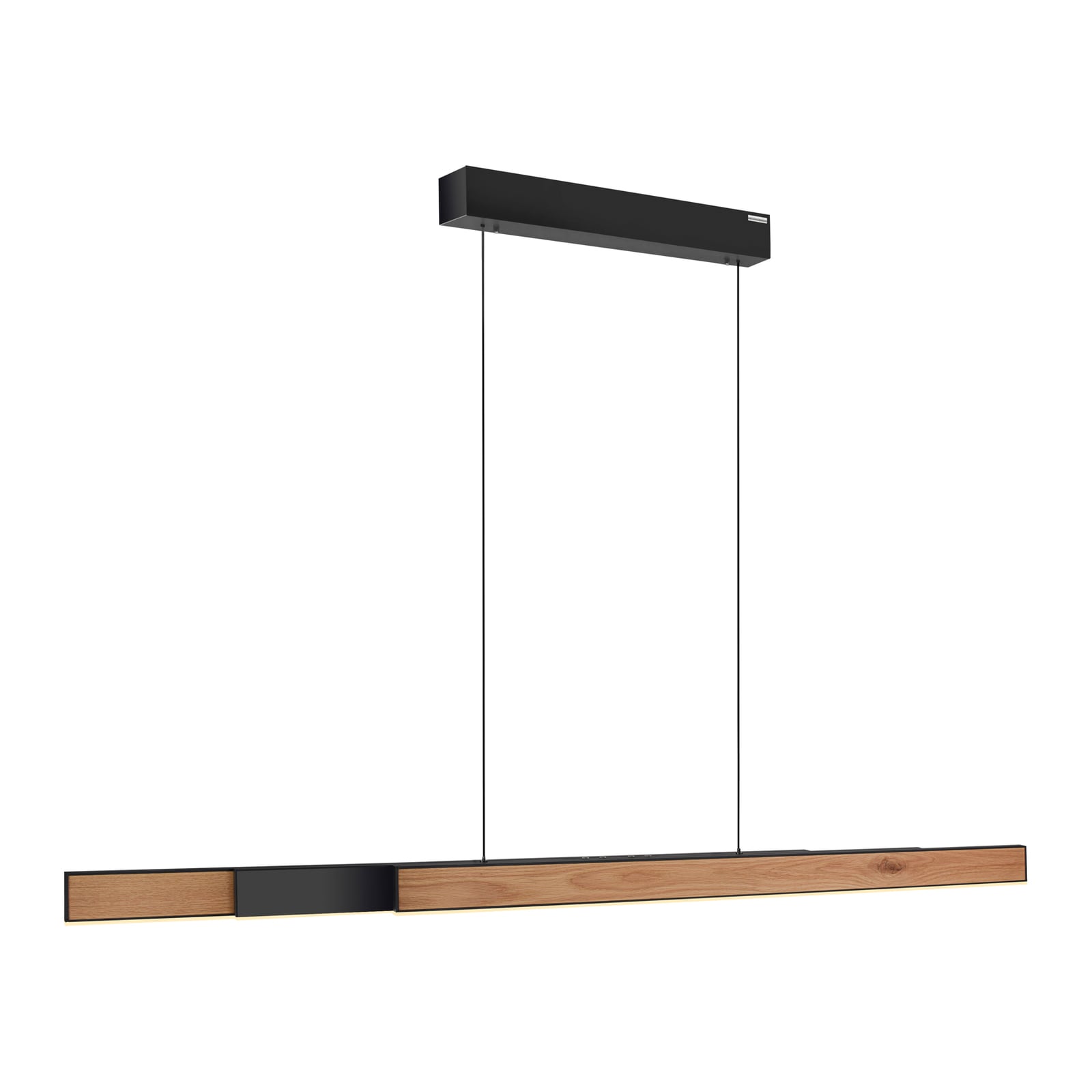
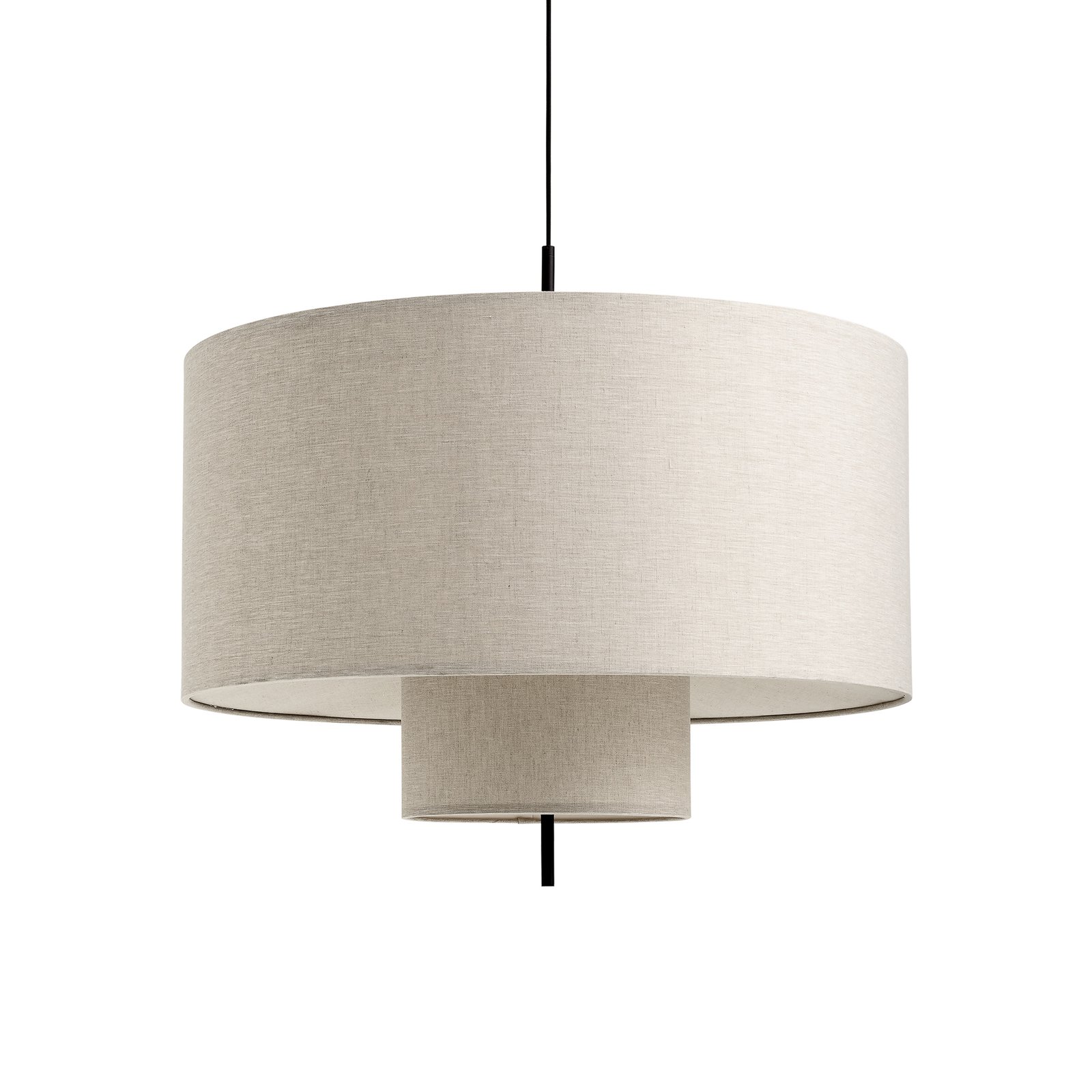
Pendant lights influence the room not only through their brightness, but also through their position. They hang visibly into the room and thus form a stronger connection with the furniture. Above a dining table, a wide or elongated light fitting can complement its layout, whilst several smaller pendant lights can visually break up a long table top. It is precisely here that the light fitting itself can become an eye-catcher: a distinctive silhouette gives the dining area its own character and can echo the colours or materials used in the décor.
Wall lights: light and accents on the wall
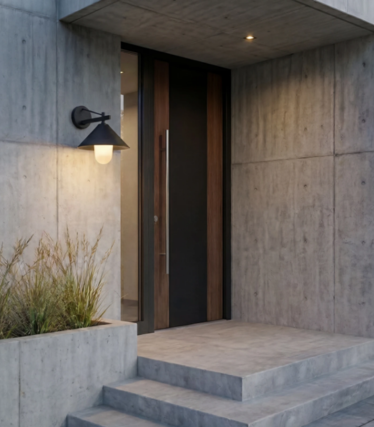
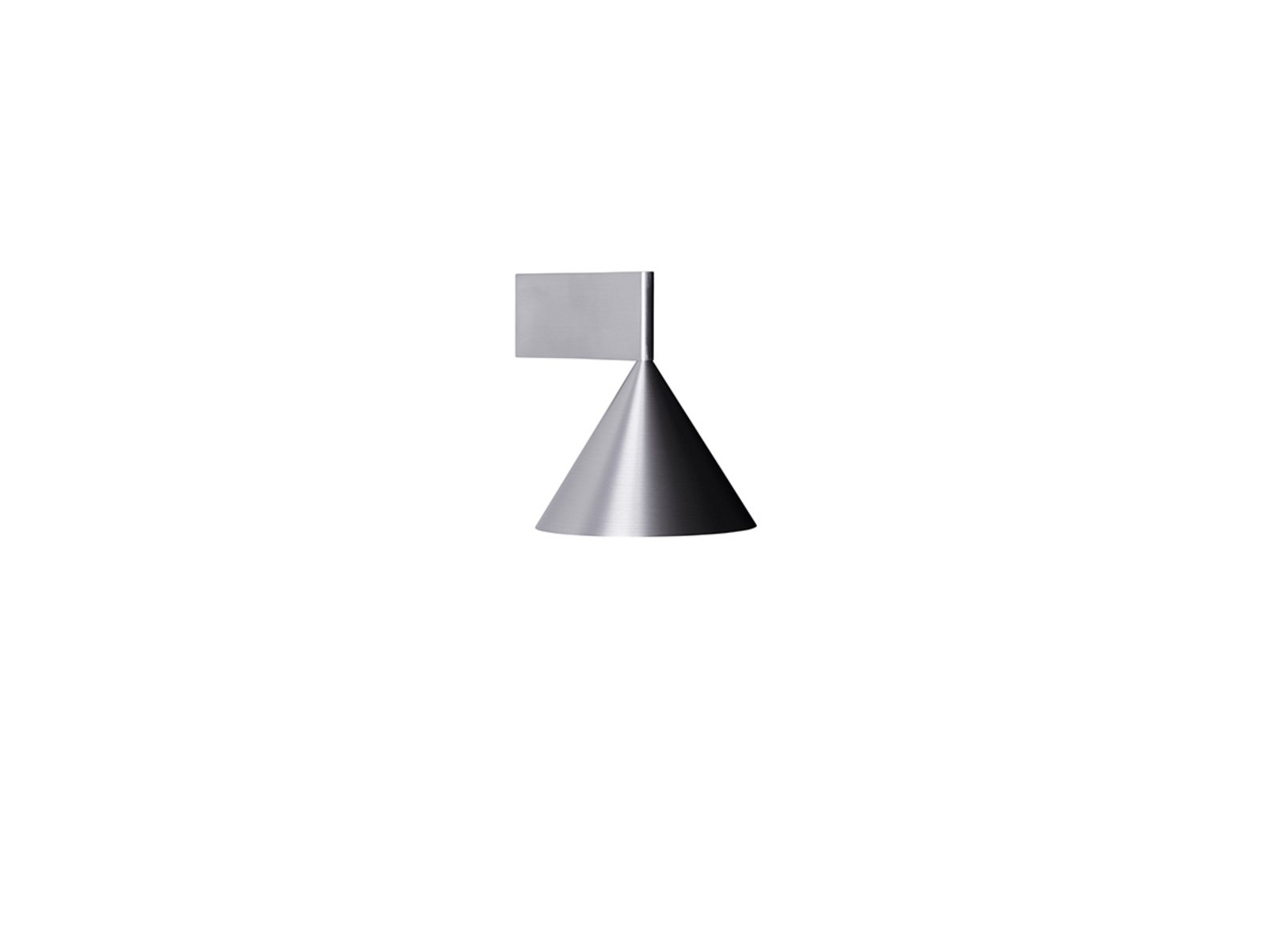
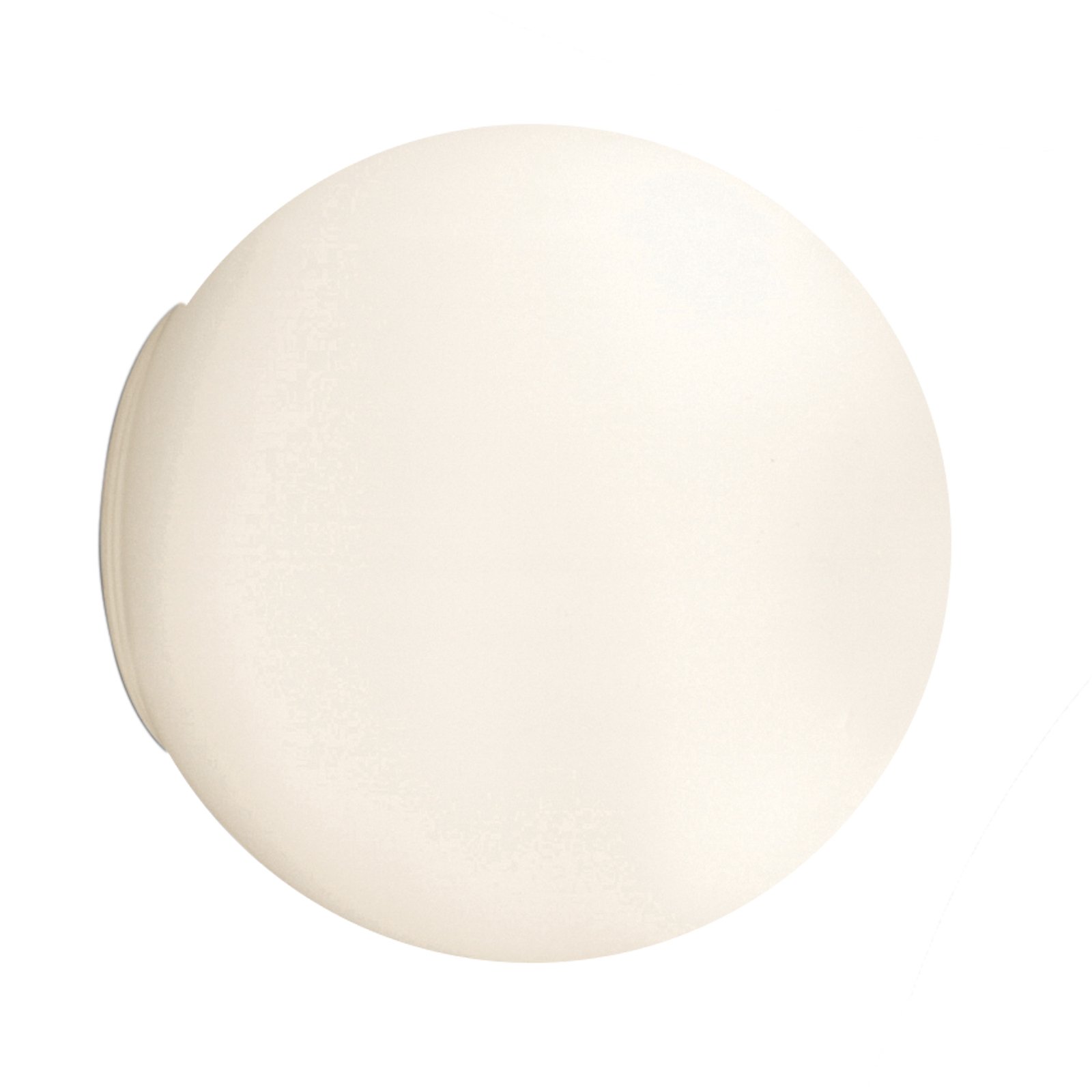
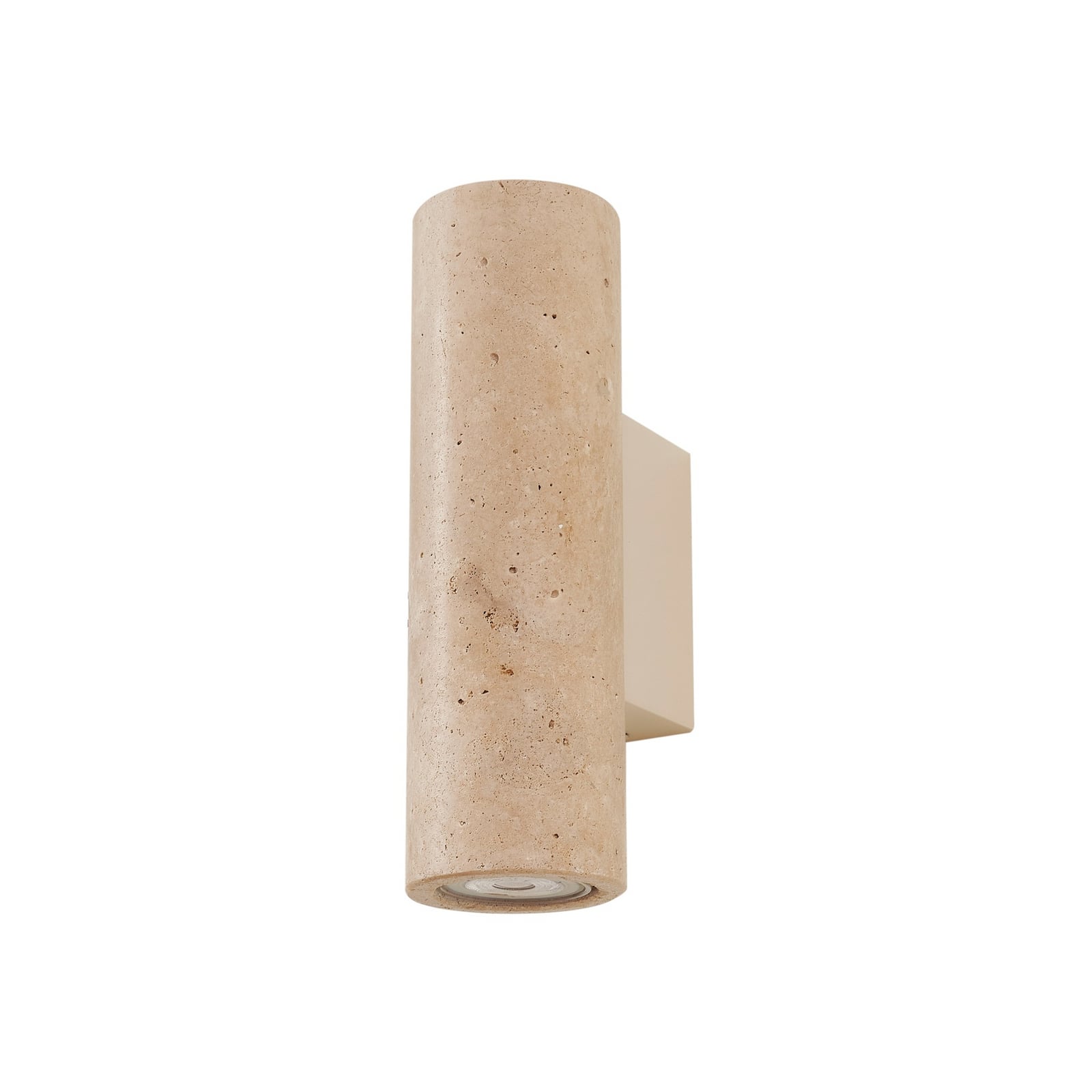
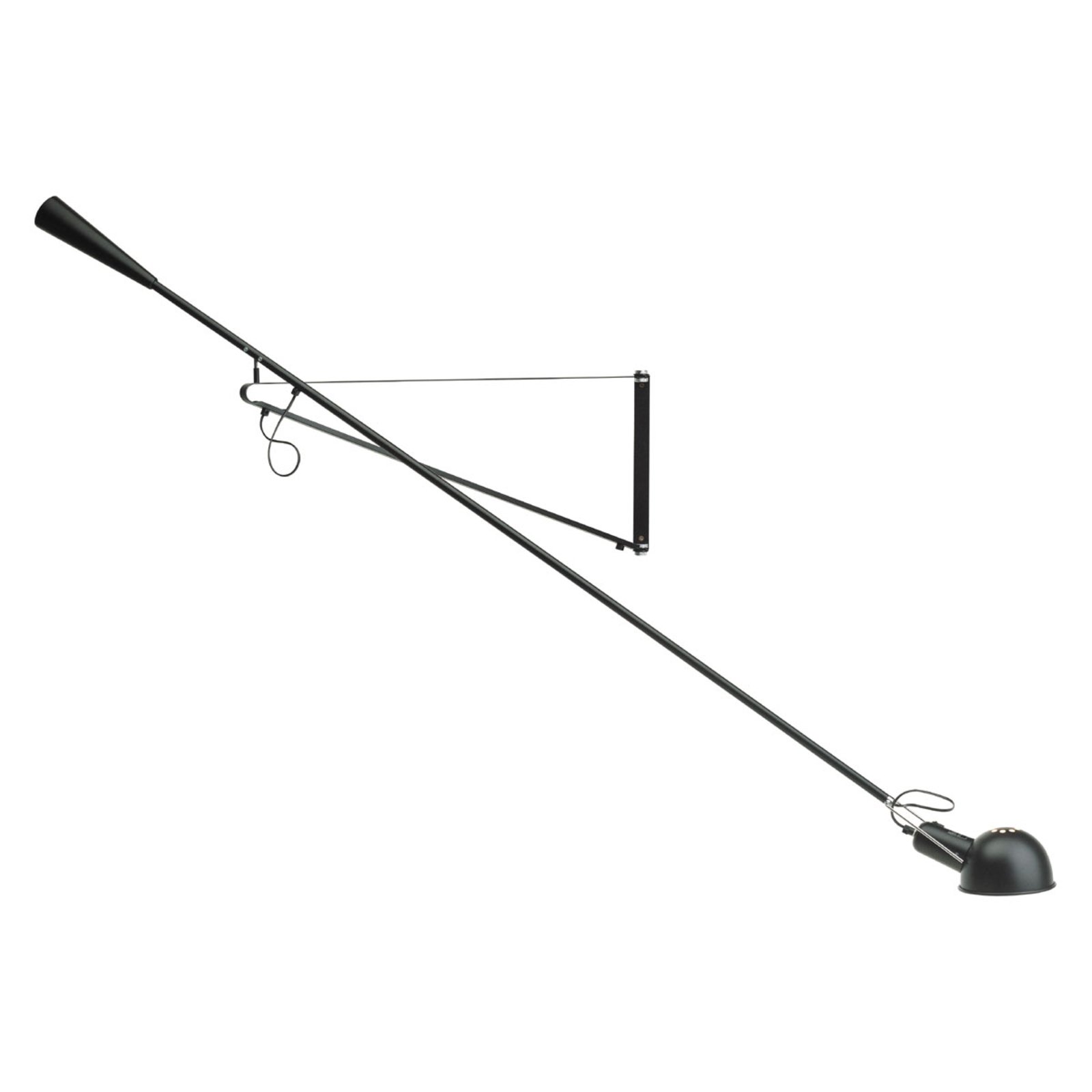
Wall lights influence perception in different ways. Its light can brighten up wall surfaces, highlight vertical structures or frame an area from the side. In this context, the light fitting can either blend seamlessly with the architecture or serve as a striking focal point through its shape, colour and material. Proportions, mounting height and the distance from furniture all play a part in determining whether the overall look appears balanced.
Table lamps, floor lamps and spotlights for targeted indoor lighting
Table lamps and floor lamps in flexible living areas
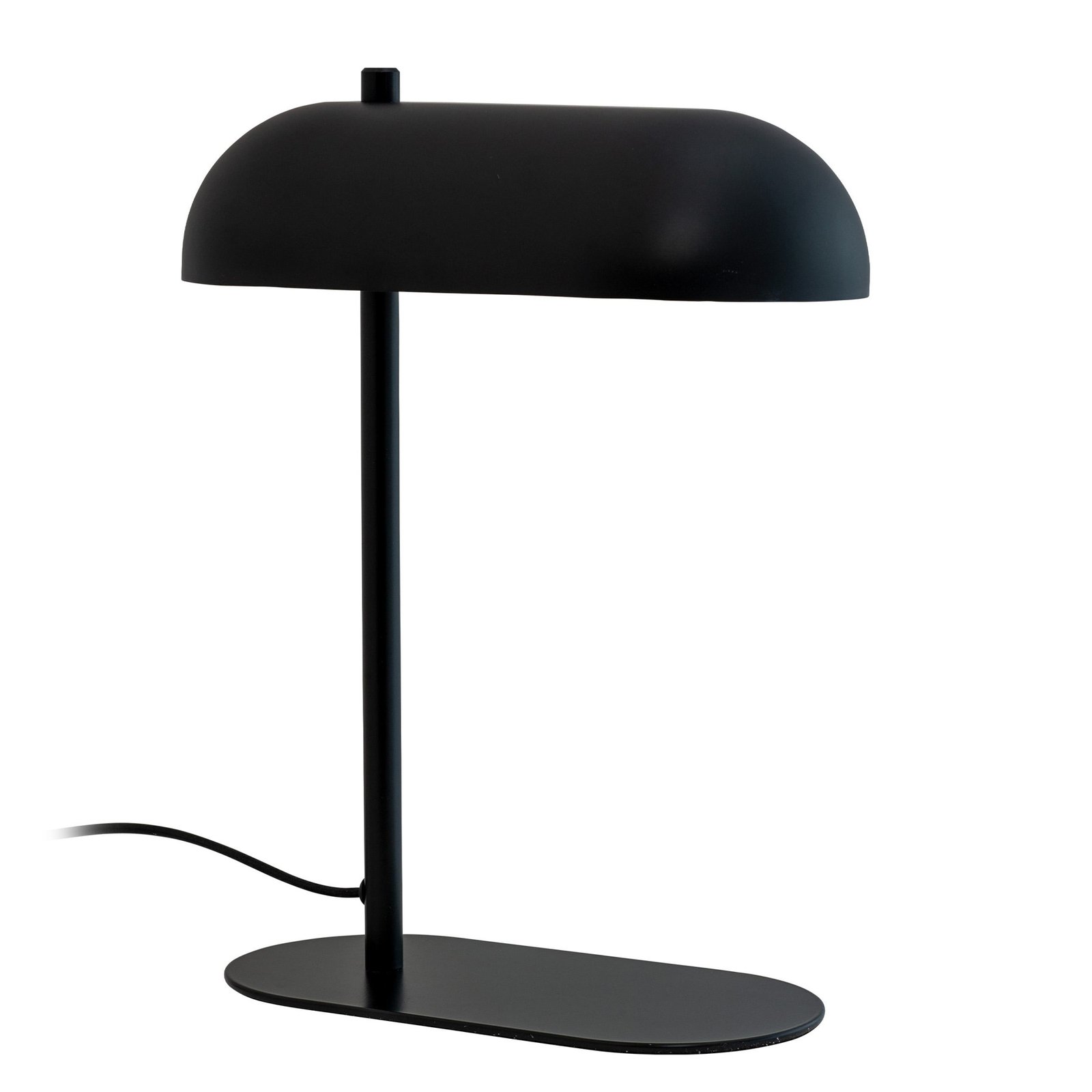
Table lamps and floor lamps can be used specifically in places where additional light alters the atmosphere or the way an area is used. A table lamp on a sideboard brings light closer to furniture, pictures and smaller objects. At the same time, she can become part of the arrangement herself. A compact shade tends to recede more into the background visually, whilst transparent or openwork materials can make the light source more visible.
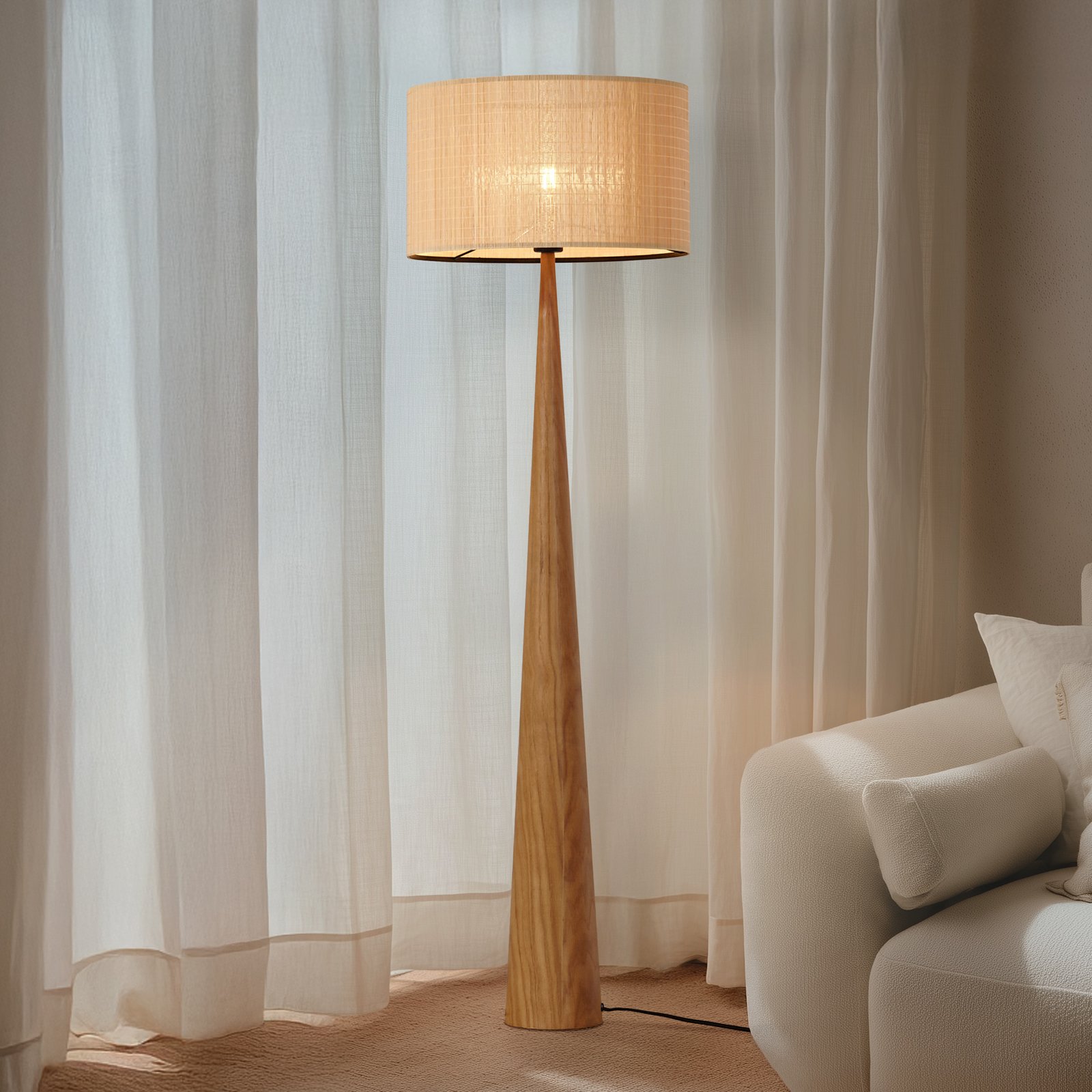
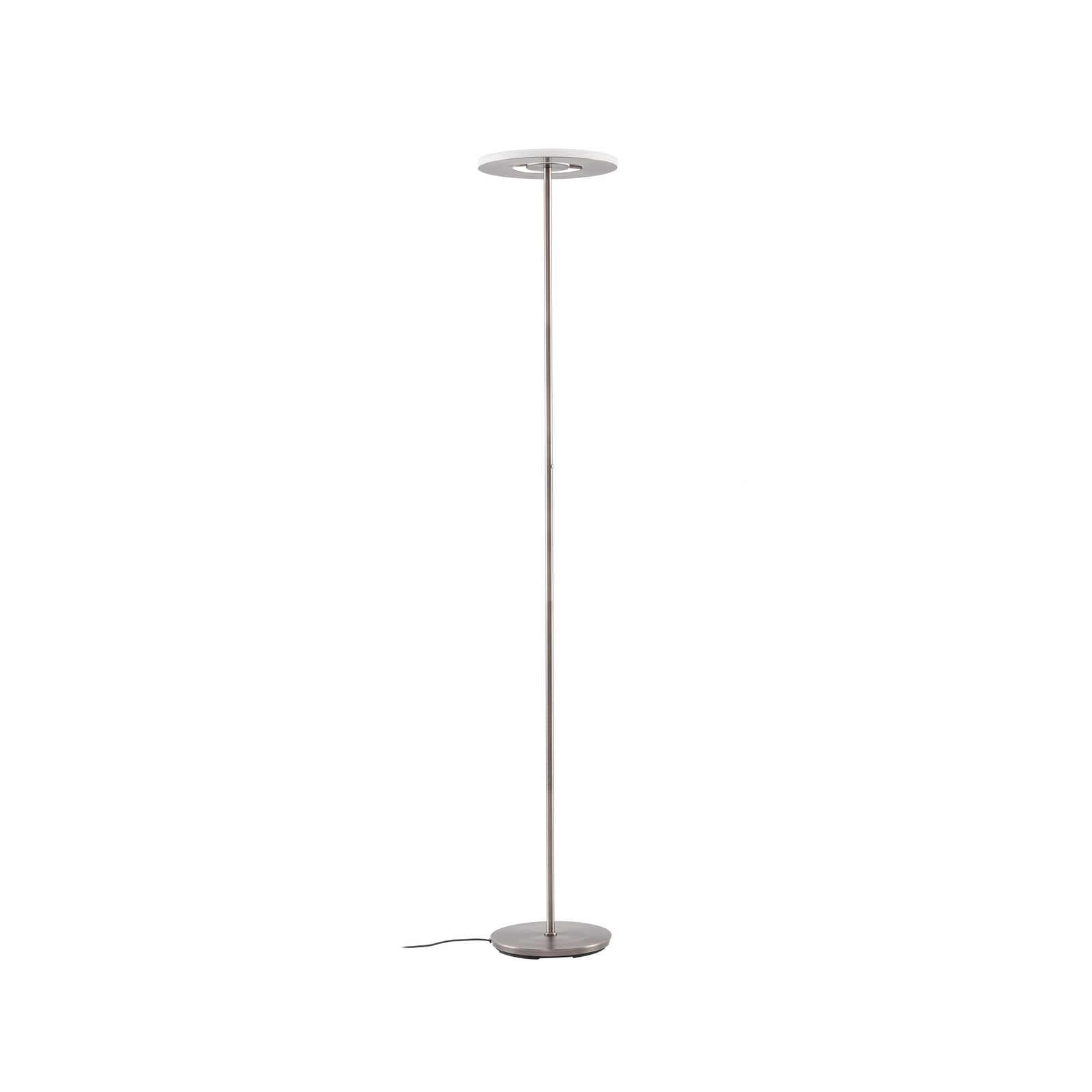
Thanks to their greater height, floor lamps can help to define a seating area or an empty corner of a room more effectively. For example, placing an armchair there creates a dedicated spot for reading. Models with upwards-facing light can also illuminate the ceiling and walls, thereby providing more indirect lighting.
Spotlights for targeted lighting
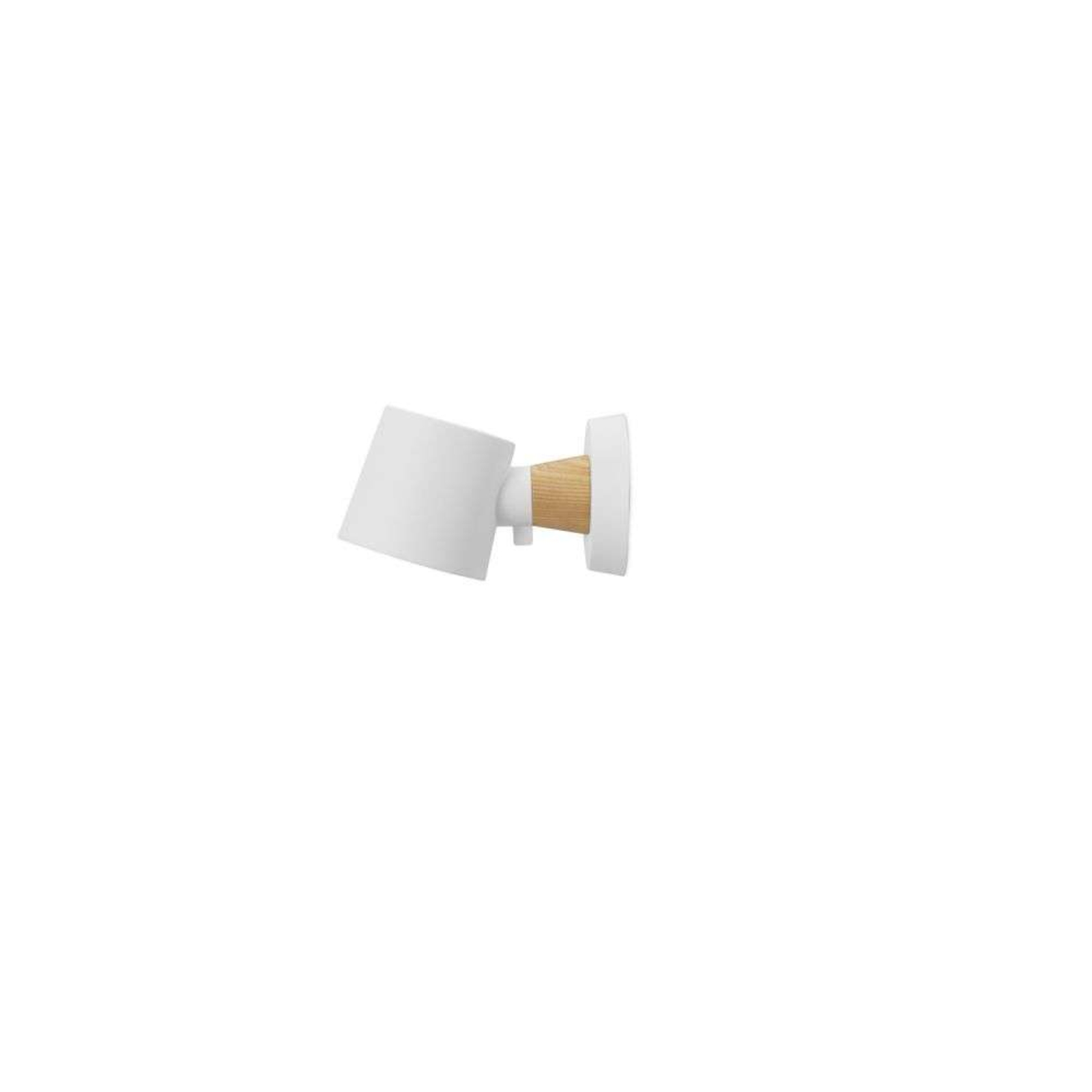
Spotlights are ideal for more targeted lighting, as they can be directed at specific surfaces, pieces of furniture or architectural details. They are particularly useful in situations where the desired focus may change. For example, they can be used to highlight a picture, a shelf or a specific area, and to complement the general lighting in the room in a targeted way.
Interior lighting for the living room, bedroom and children’s bedroom
Living room: combining different lighting zones
The living room usually serves several different purposes. Seating areas, media units, bookshelves and open-plan transitions to other rooms therefore do not require the same lighting effect. A combination of general lighting, zone lighting and individual accent lights creates different atmospheres within a room. Placed next to the sofa, a floor lamp can create a cosy spot for reading, whilst a pendant light above an adjoining table forms a focal point in its own right. Warm, dimmable lighting can help create a relaxed atmosphere around the sofa, wood and textiles in the evening.
Bedroom: soft lighting around the bed and furniture
In the bedroom, the focus is on creating a calmer lighting atmosphere. Table lamps or wall lights placed next to the bed provide light where it is needed, without illuminating the whole room evenly. This provides light for reading or finding your way around, without having to brightly illuminate the whole room every time. A central light fitting remains a sensible choice if the whole room is to be evenly lit. Materials and lampshades can further enhance the cosy atmosphere of the bedroom.
Children’s bedroom: Lighting for different purposes
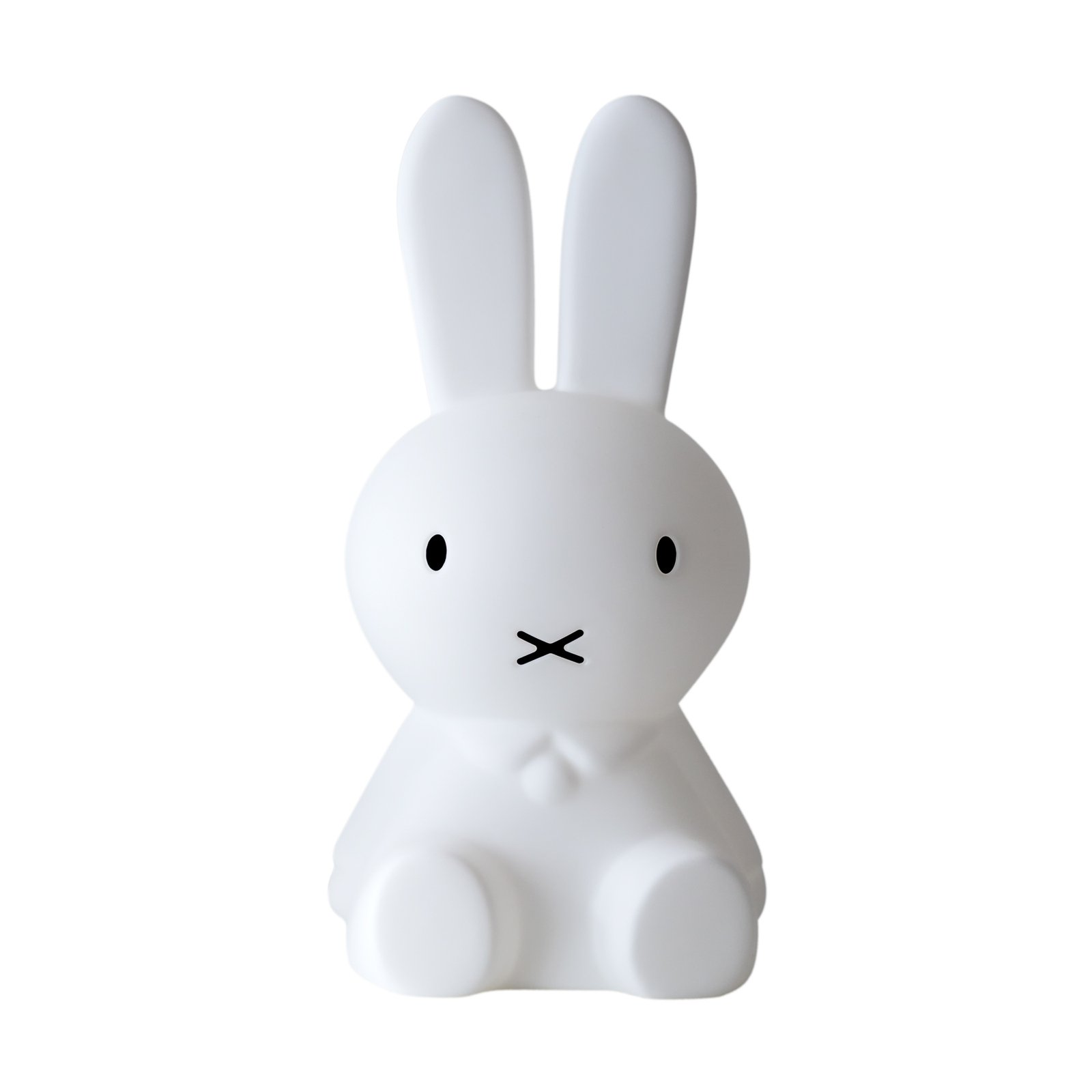
The way a child’s bedroom is used changes more frequently. Playing, reading and tidying up all place different demands on the lighting. Good general lighting can therefore be usefully supplemented by targeted lighting at the desk, by the bed or in a reading corner. In this way, the lighting adapts to different activities, rather than having to cover all areas with just one light fitting.
Lighting for the kitchen, hallway, bathroom and other rooms
Kitchen and dining area: combining task lighting with ambience
In the kitchen, cosy design meets areas where brighter lighting is important. A pendant light above a kitchen island or a table can visually define the space, whilst also becoming a focal point in its own right. Work surfaces, on the other hand, require uniform and sufficiently bright lighting so that tasks can be carried out comfortably. Shapes and materials can complement the fronts, worktop and handles, or create a deliberate contrast.
Corridor: Using light to enhance the architecture
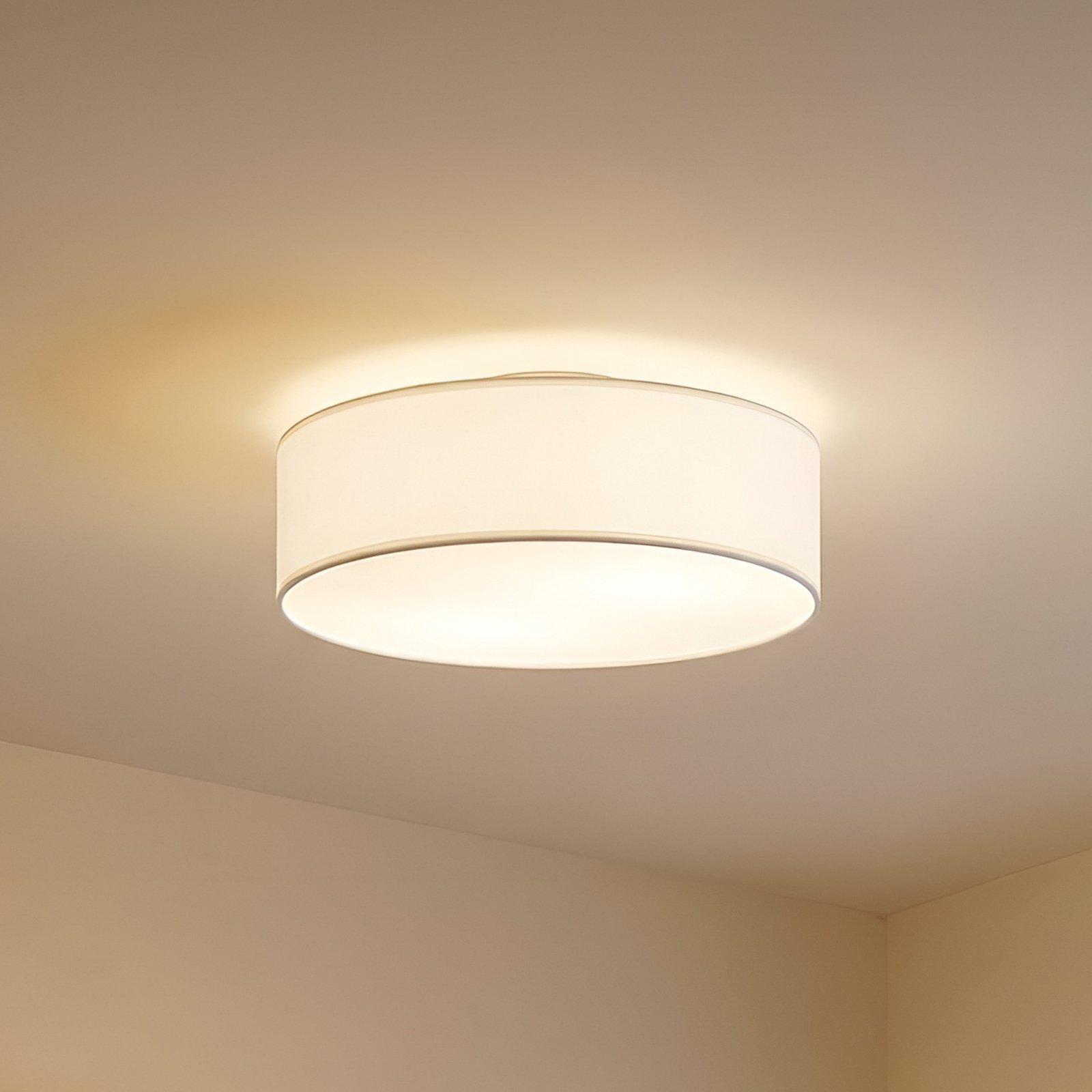
In a hallway, the lighting often shapes the first impression of the space. Ceiling lights or wall lights can illuminate narrow areas evenly without taking up any additional floor space. In longer corridors, a recurring pattern can create a sense of rhythm and help with orientation.
Bathrooms: Combining lighting effects with safe design
In the bathroom, as well as the effect of the lighting, the suitability of the light fitting for the intended area also plays a role. The appropriate IP protection rating is just one of the requirements: depending on the area to be protected, additional specifications apply to the electrical installation, such as those relating to the permissible voltage and the positioning of electrical components. Design and lighting effects remain just as important: particularly in a bathroom, which is often compactly furnished, materials, shapes and the distribution of light can play a key role in determining whether the room has a clear, calm or deliberately contrasting atmosphere.
Offices and home offices: focused lighting with a cosy feel
In a study, a combination of general lighting and task lighting at the workstation is advisable. A table lamp can provide focused lighting for the desk, whilst the rest of the lighting reduces stark differences in brightness throughout the room. The result is a functionally lit workspace that nevertheless blends seamlessly into a homely interior.
Size and positioning: Matching interior lighting to furniture and room proportions
It is not only the shape and material that determine the effect of a light fitting, but also its relationship with its surroundings. A large pendant light needs sufficient space around it, whilst a very small model above a long dining table quickly loses its impact. More important than the absolute size is how it relates to the furniture, the ceiling height and the clear space around the light fitting.
The positioning also affects how naturally a light fits into the interior. A floor lamp next to an armchair creates a different spatial relationship to one placed in an open corner. Wall lights can highlight specific areas or architectural lines, whilst table lamps cast light directly onto sideboards, shelves or side tables. When it comes to striking designer lights, it is also worth considering sightlines: a distinctive silhouette looks particularly impressive when it is given sufficient space and does not have to compete with too many other visual focal points.
Materials and colours: how they shape light and the perception of space
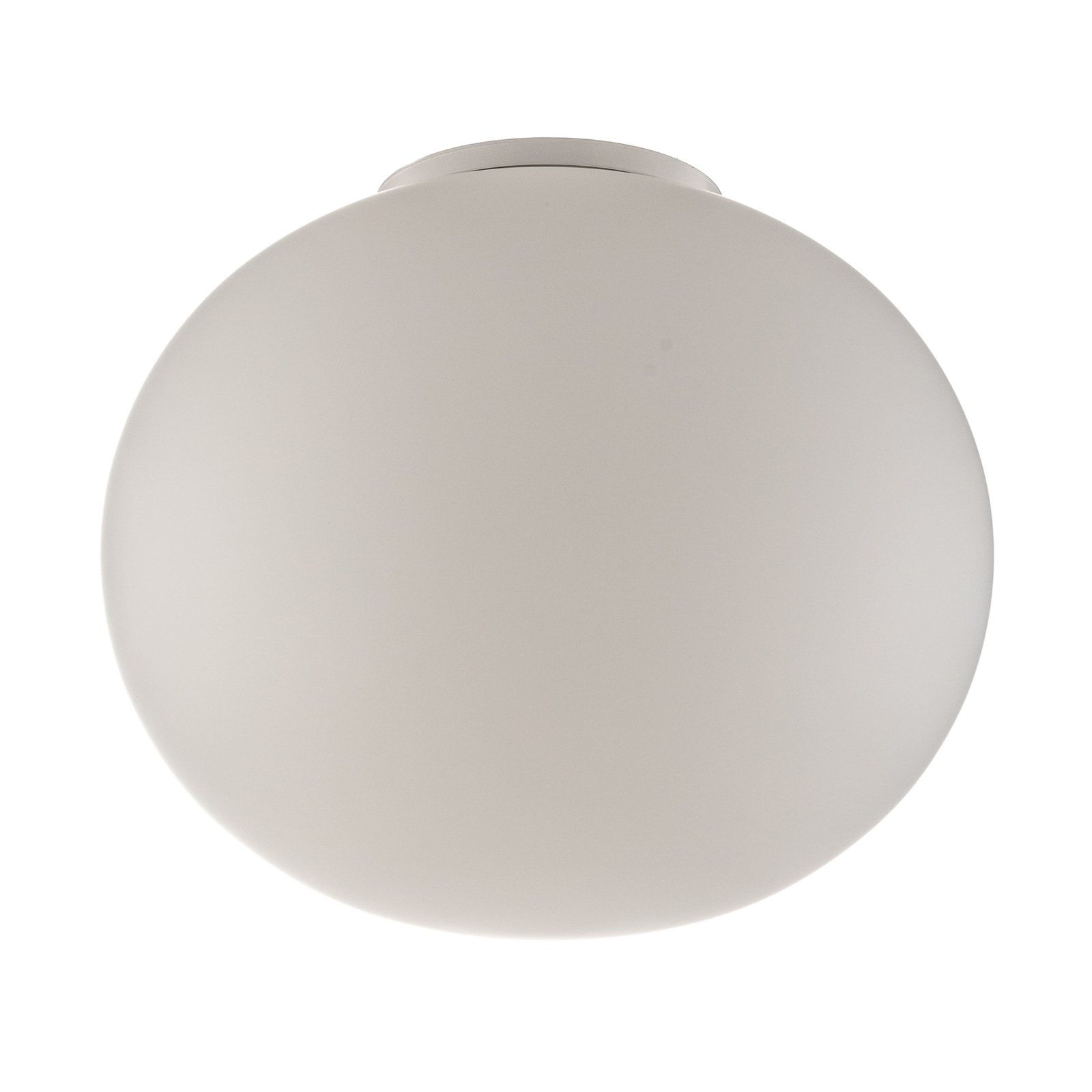
When it comes to interior lighting, materials not only define the character of the luminaire, but also the way in which it distributes light throughout the room. Depending on its surface finish, metal can appear crisp and graphic, or have a more understated look thanks to matt coatings. Glass allows light to pass through the material and can lend the light a sense of lightness. Opaque surfaces reduce direct visibility of the light source and distribute brightness more evenly. Wood and other natural materials bring warmth and texture to a room and blend well with textiles and natural colours.
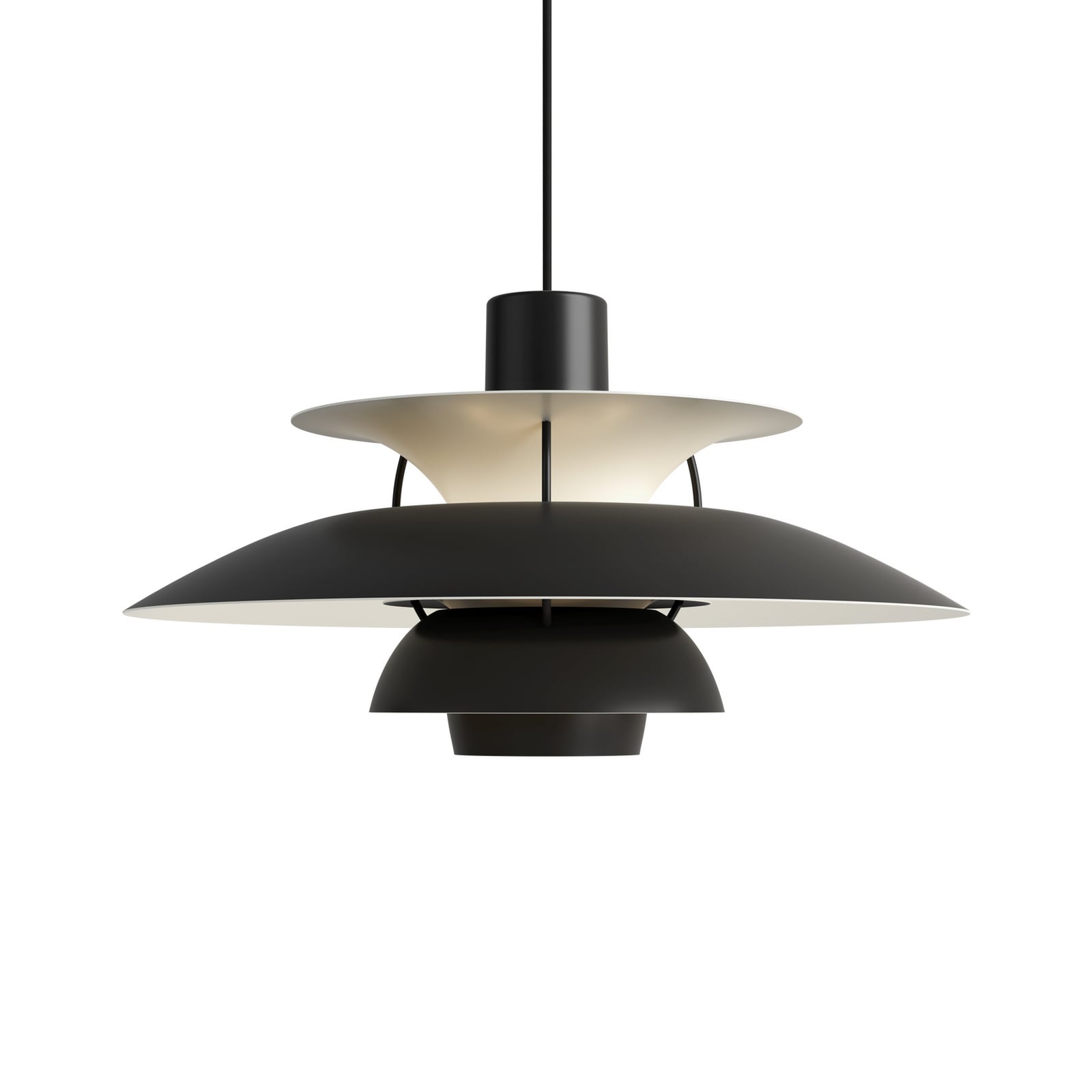
Colour, too, influences the visual impact of a light fitting. Black or dark models clearly define contours and can stand out more prominently against light-coloured walls. Light colours can blend more discreetly into the ceiling and the surrounding area if there is little colour contrast with the adjacent surface. Metallic surfaces react more strongly to available light and, depending on how they are finished, can make reflections visible.
Designers and brands: consciously selecting distinctive design languages
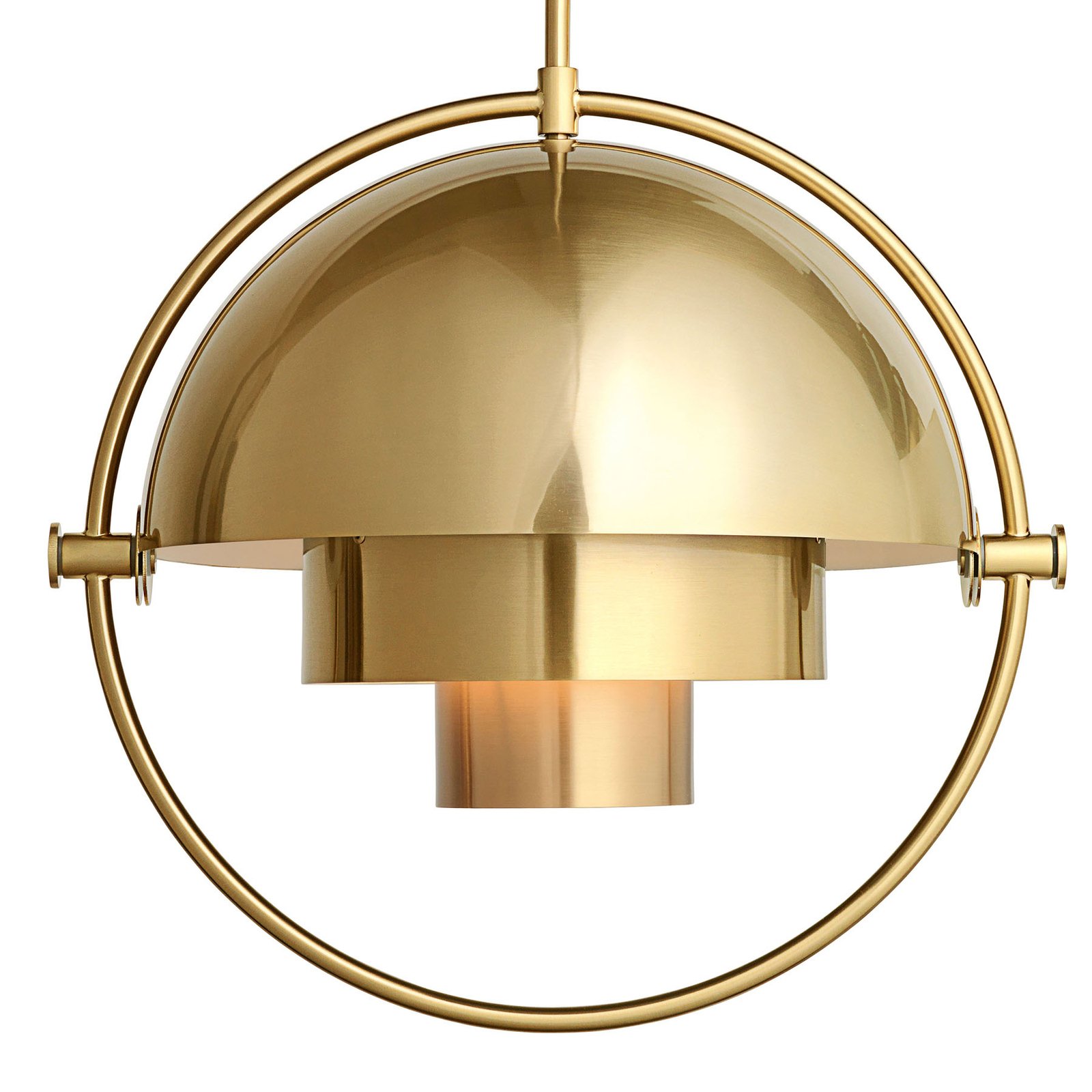
However, the design of an interior light makes an impression even before the light is switched on. Proportions, transitions between materials and structural details determine whether a light fitting blends discreetly into the architecture or is perceived as a design element in its own right. The designer’s signature style is particularly evident in designer lighting: a round glass lamp can provide a soft contrast to linear furniture, whilst a slender metal structure echoes the existing lines in the room.
With established design brands, this design language is often recognisable across entire collections. The diverse range at Lampmasters.co.uk includes numerous design brands – Louis Poulsen, Flos, Artemide and GUBI are just a few examples of the many different ways in which lighting technology, materials and form can interact. What matters here is not so much a specific stylistic label as the way in which a light fitting interacts with furniture, colours and architecture. It is often the deliberate use of contrasts that creates a particularly harmonious effect – for example, an organic-shaped light in a room with a linear design.
© 2026 Lampemesteren GmbH