
Filter and sort
- High satisfaction on Trustpilot
- Authorised retailer
- 100+ designer brands

Share your pictures with @lampemesteren
Inspire and let yourself be inspired, from one unique home to another. Tag your pictures with #yesLampemesteren and you might see your home here!
Ceiling fans for high-quality and stylish living spaces
A ceiling fan is a practical solution, especially in the warmer months, when living spaces need to be kept at a more pleasant temperature without compromising on the design. In living areas, bedrooms or open-plan dining areas, it often fulfils a design function in the room in addition to moving the air. The decisive factors are a harmonious shape, matching proportions to the ceiling and a design that blends naturally into the room. This harmonisation makes the model an integral part of the facility and not a purely technical add-on.
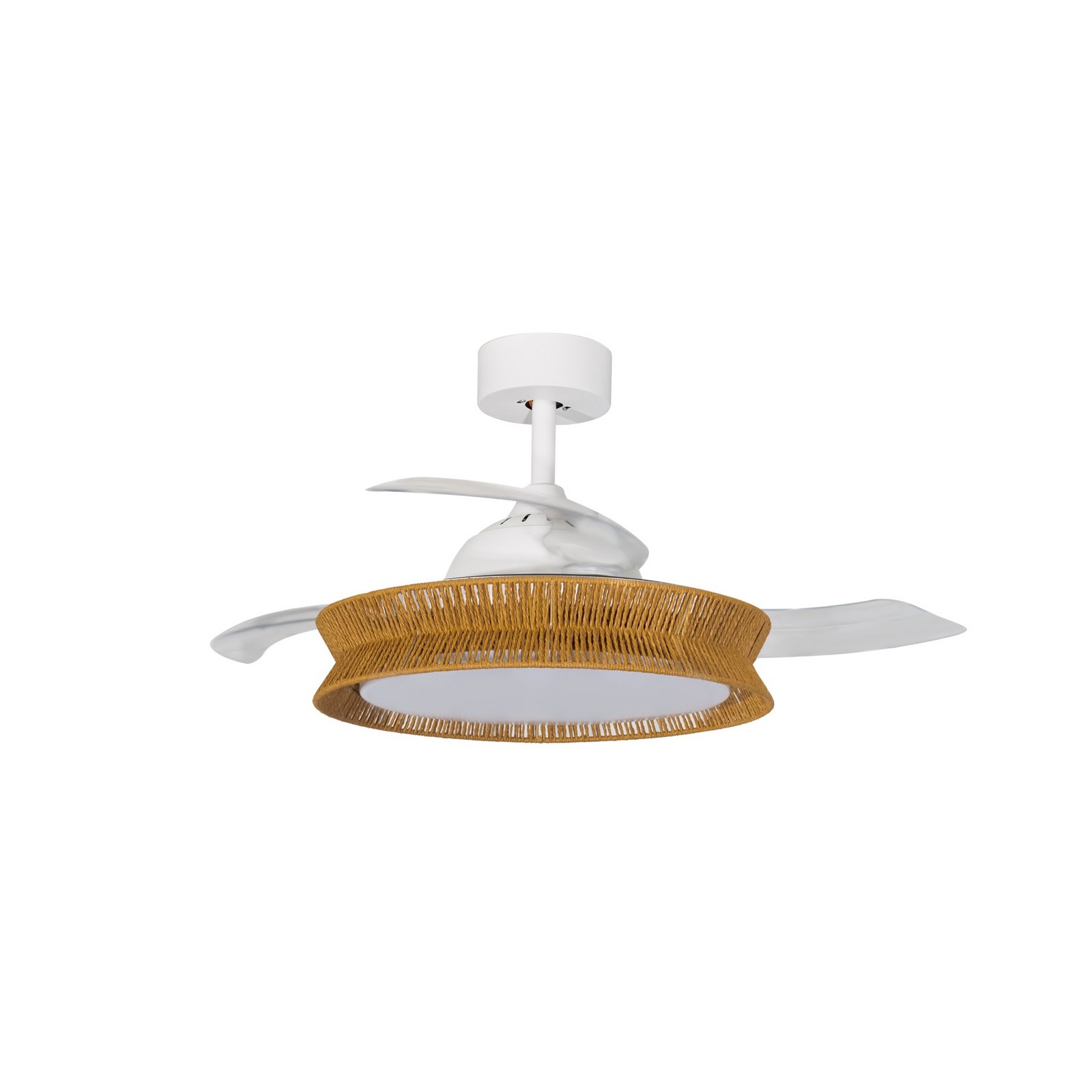
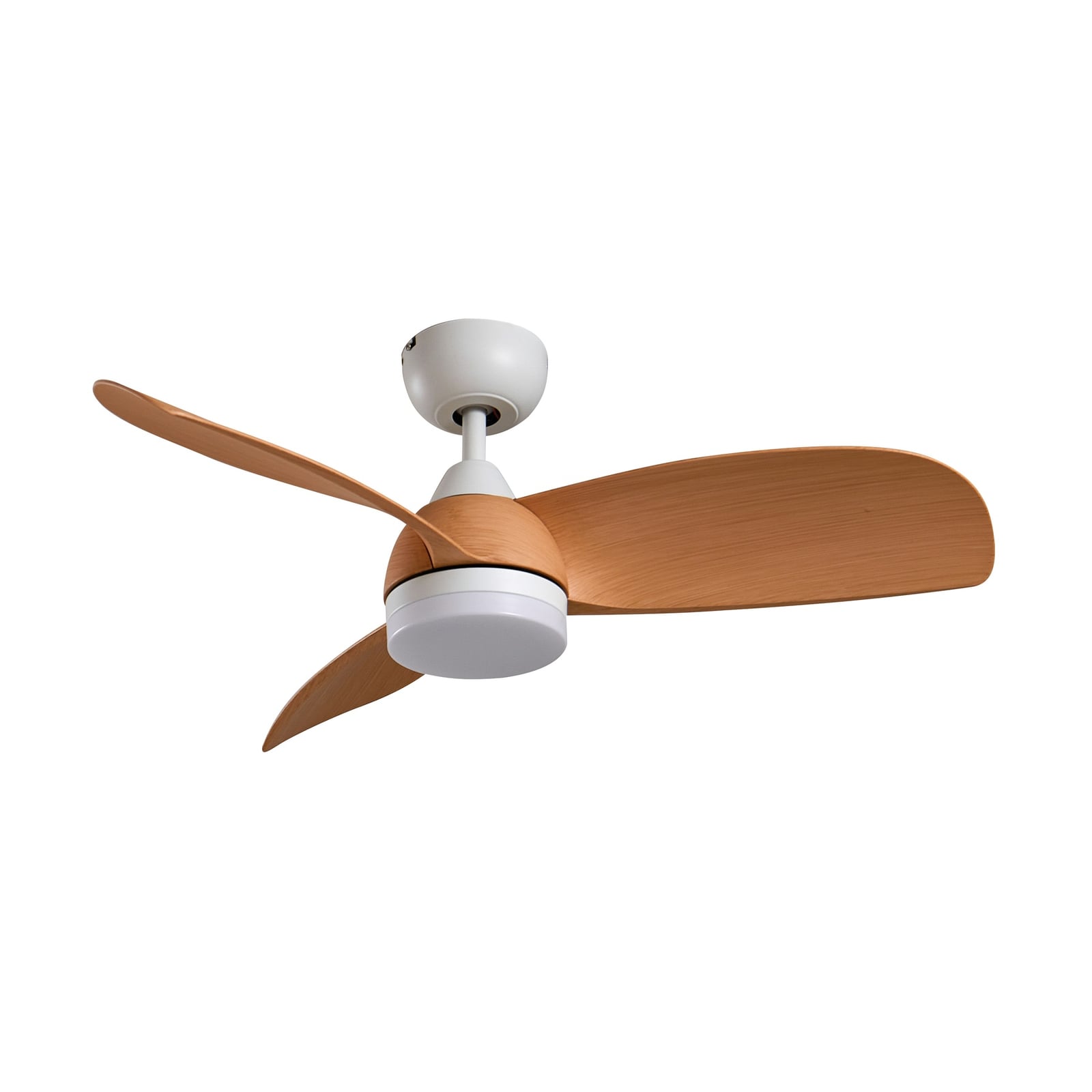
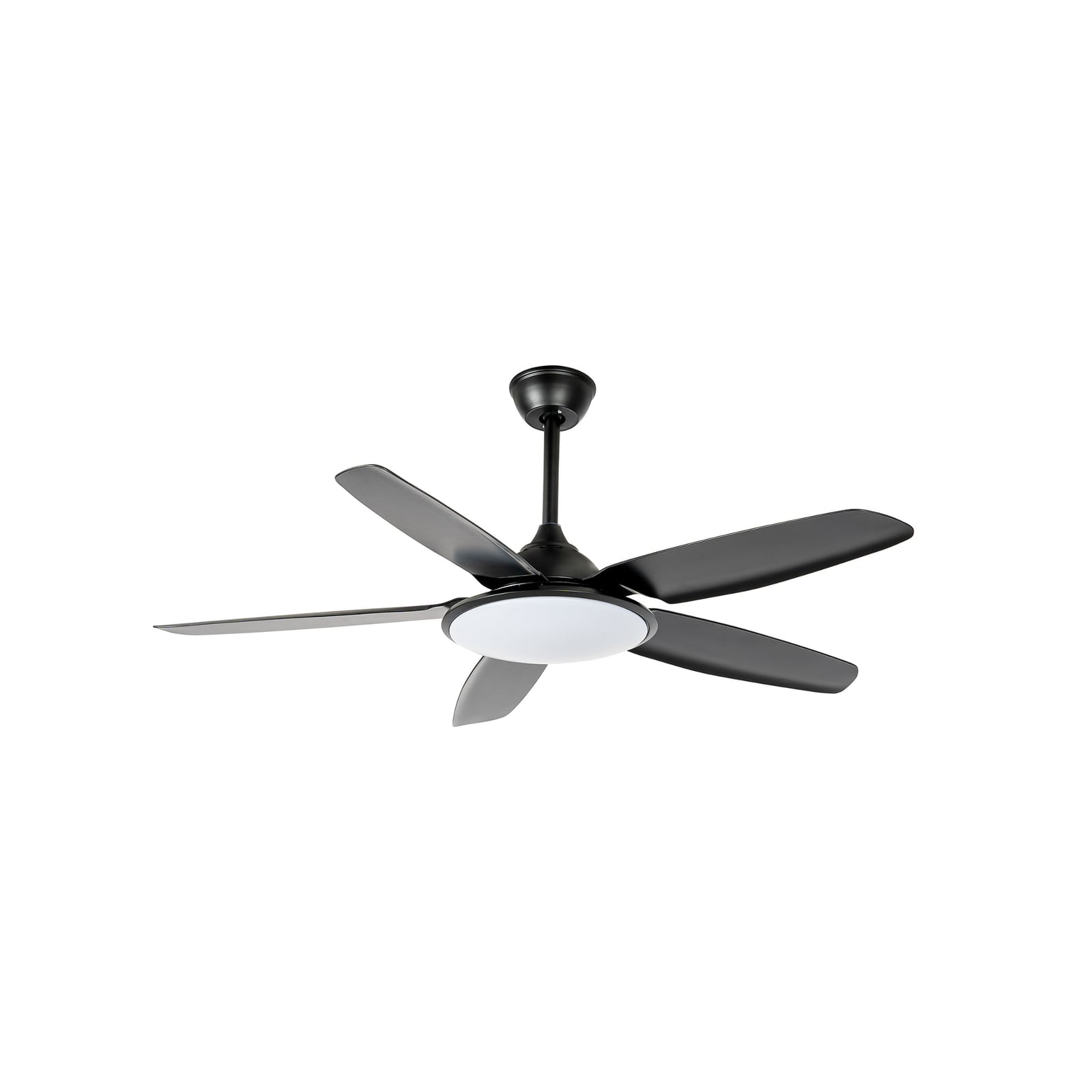
Ceiling fans with light for integrated lighting
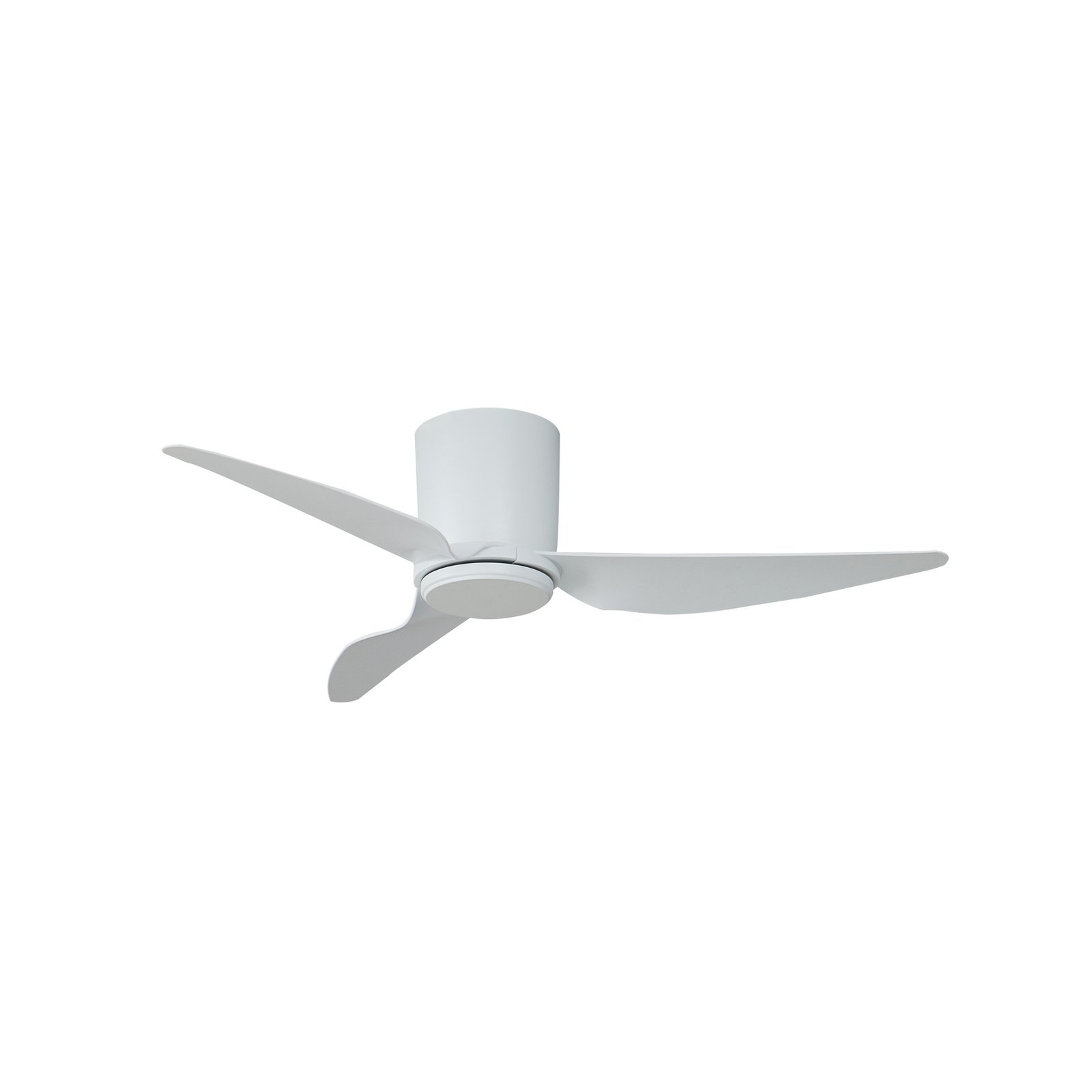
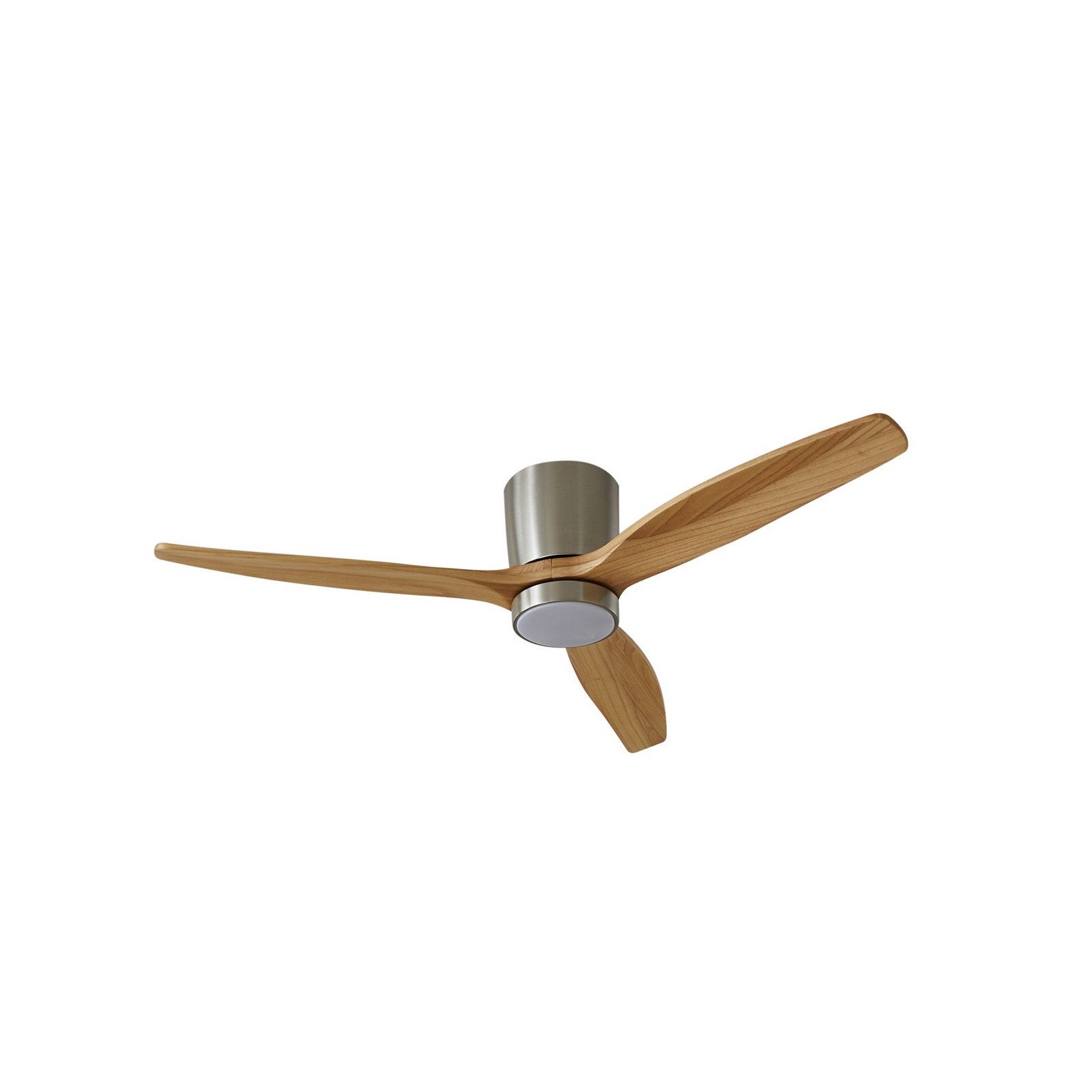
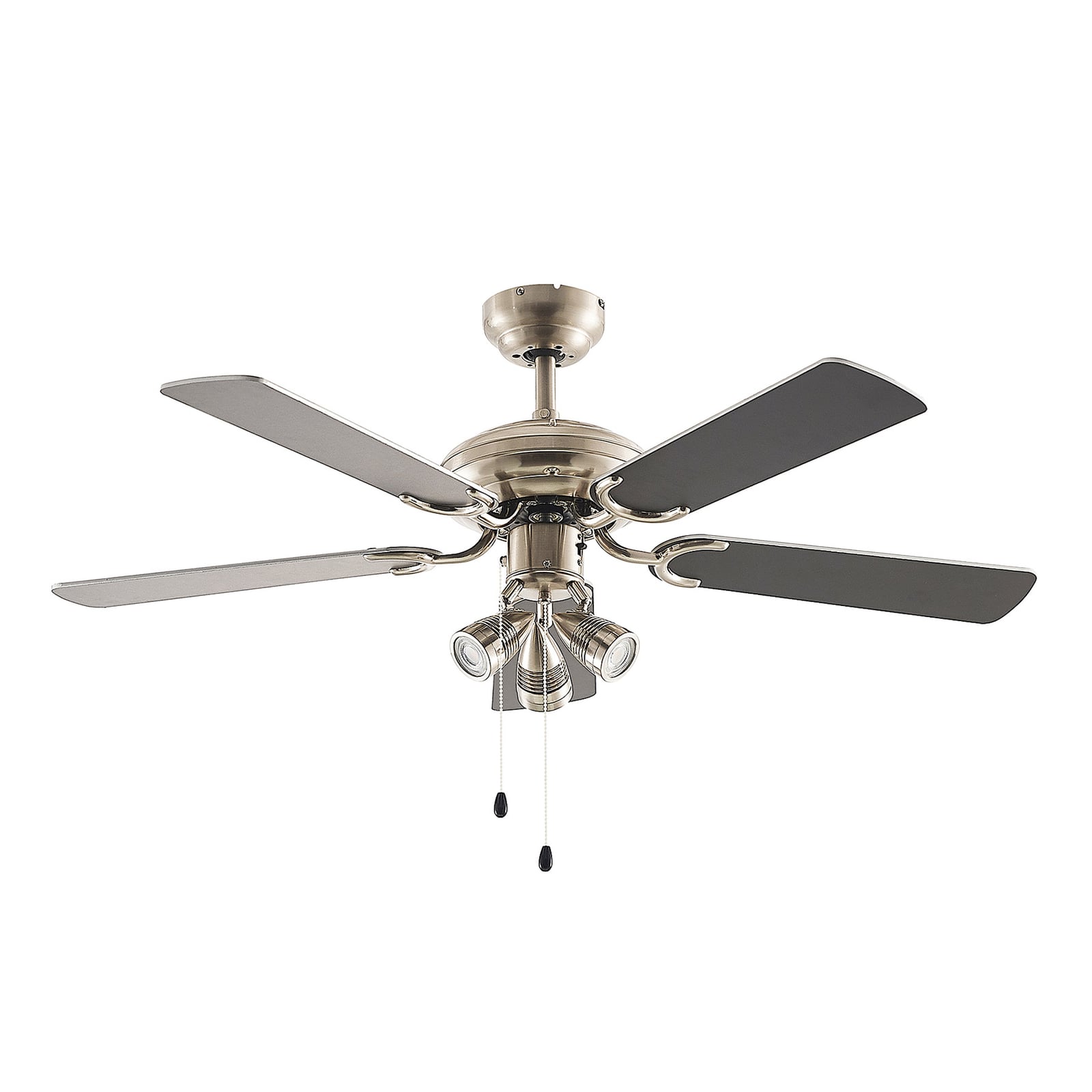
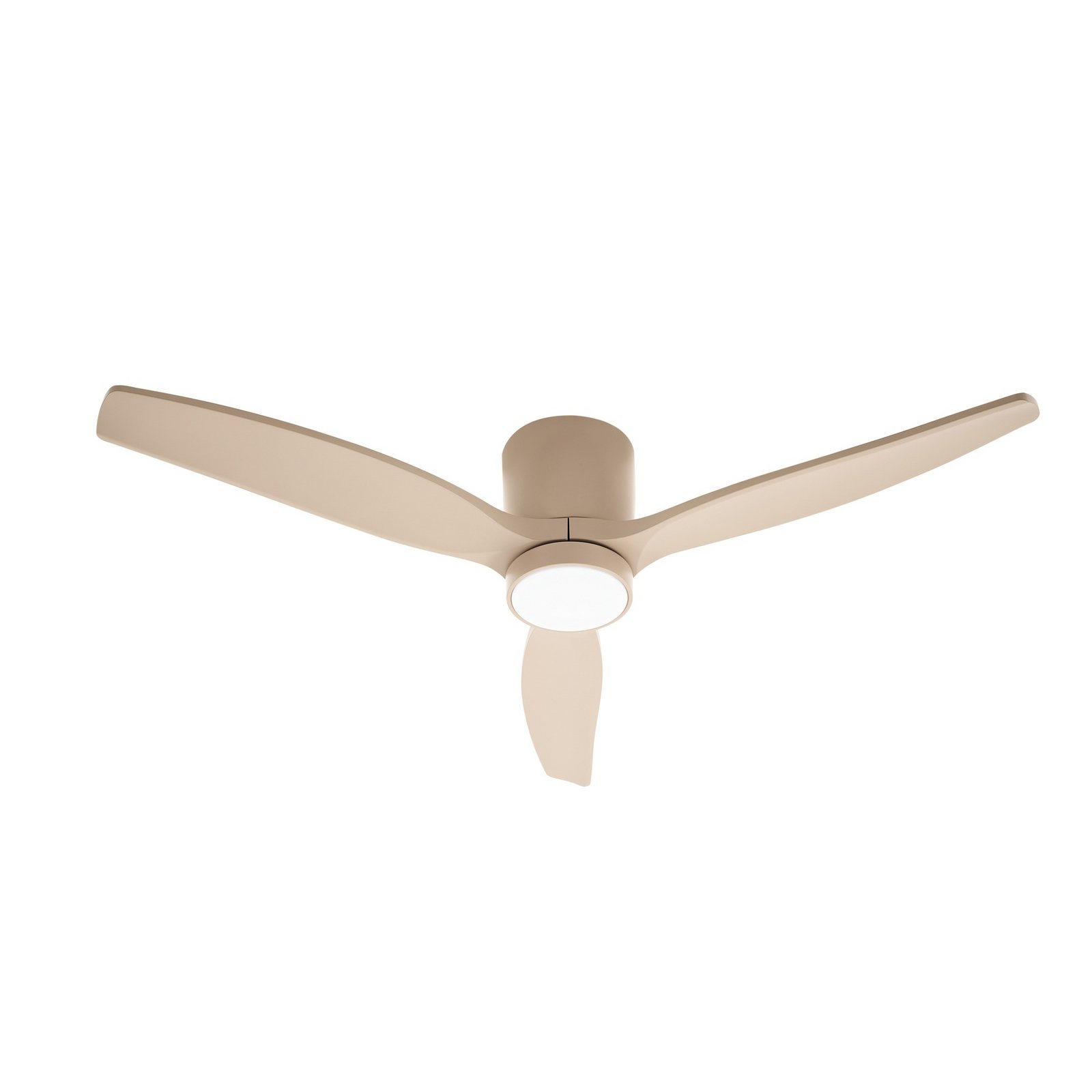
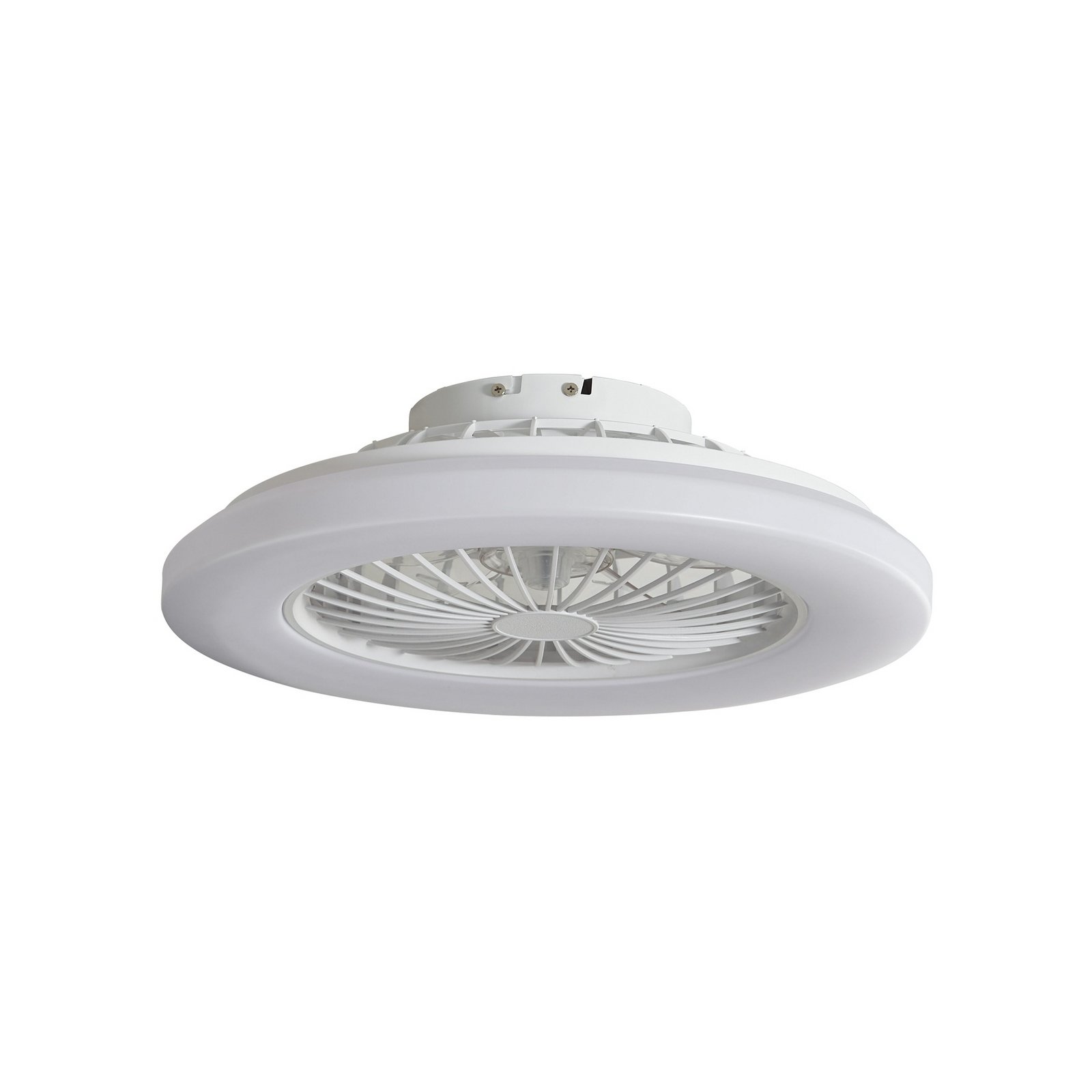
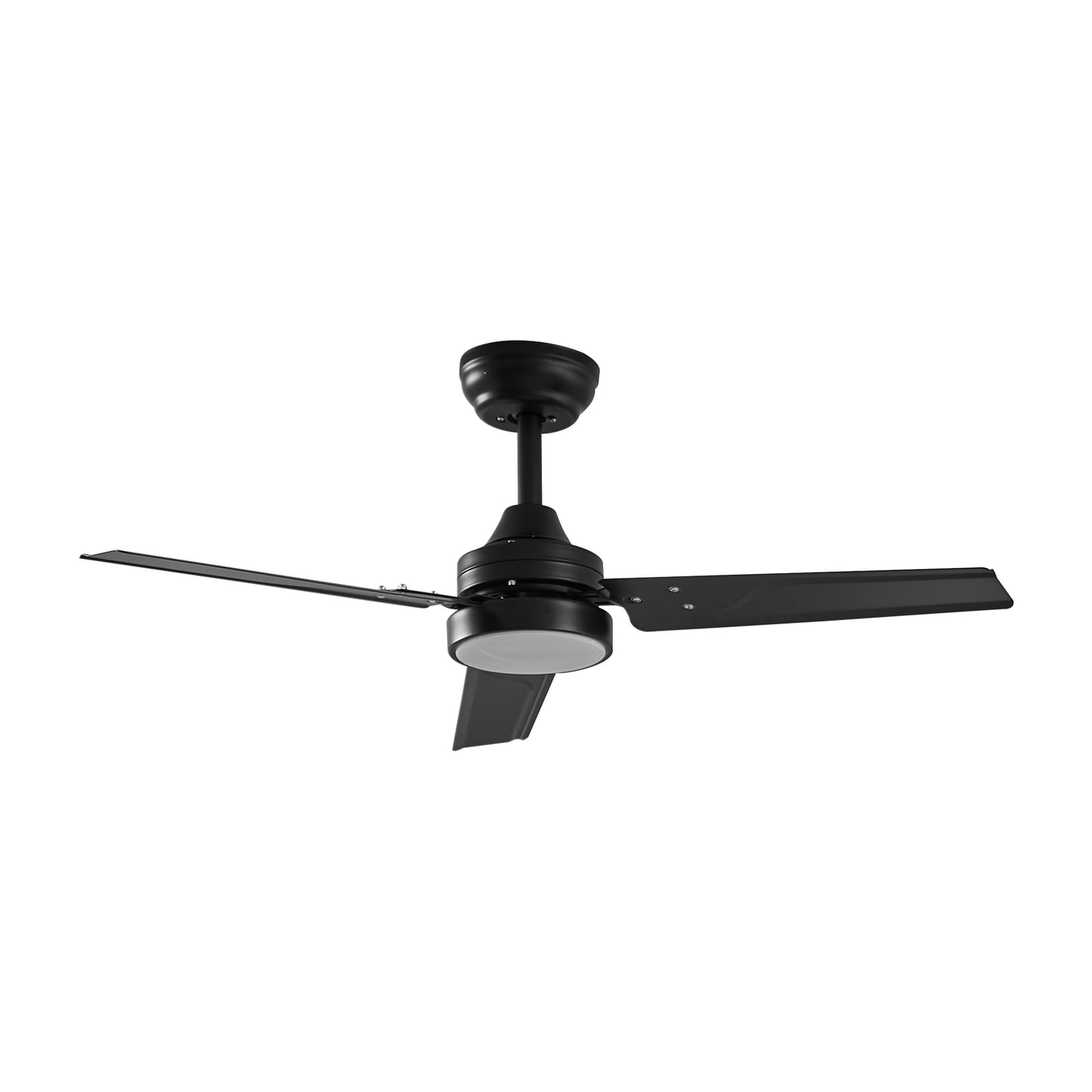
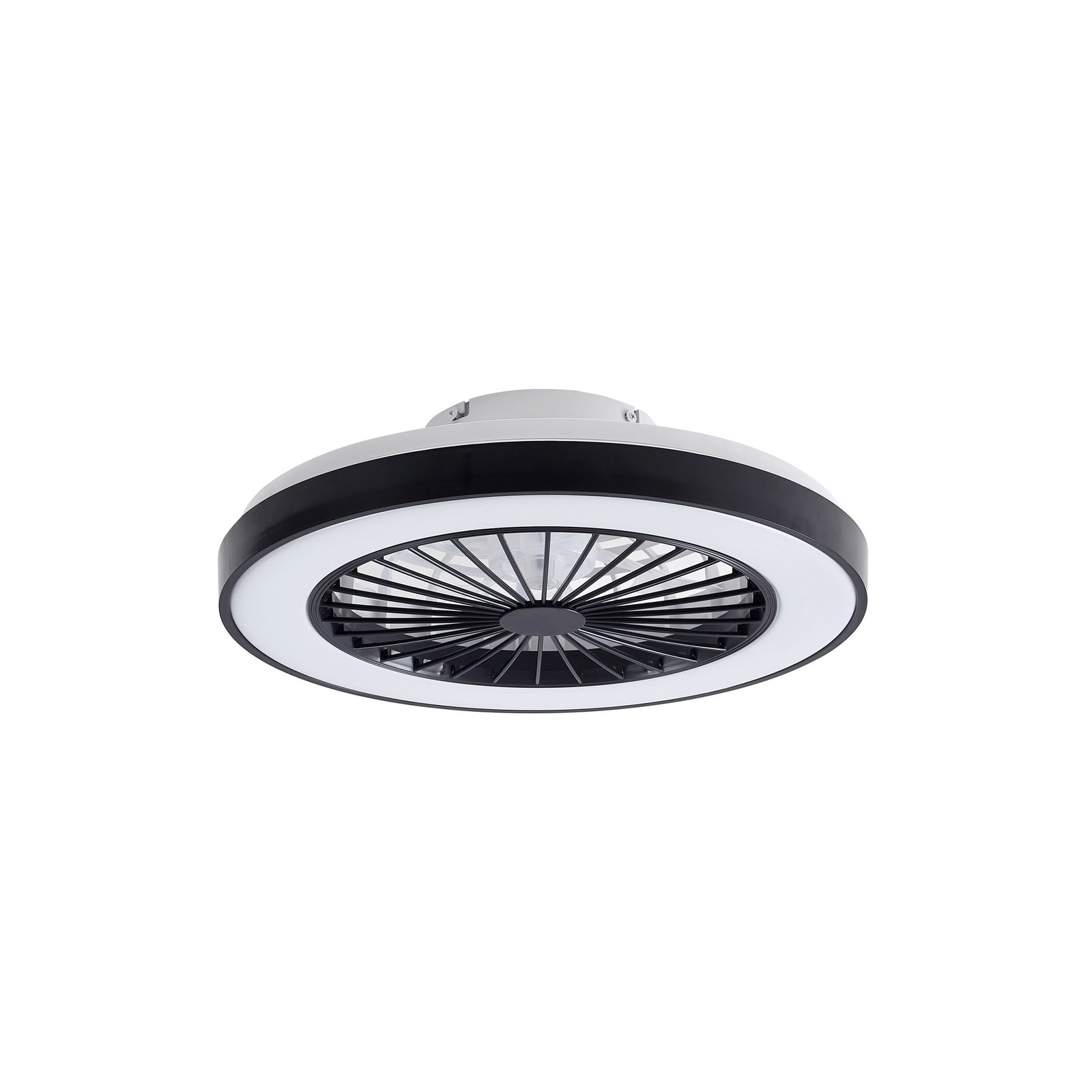
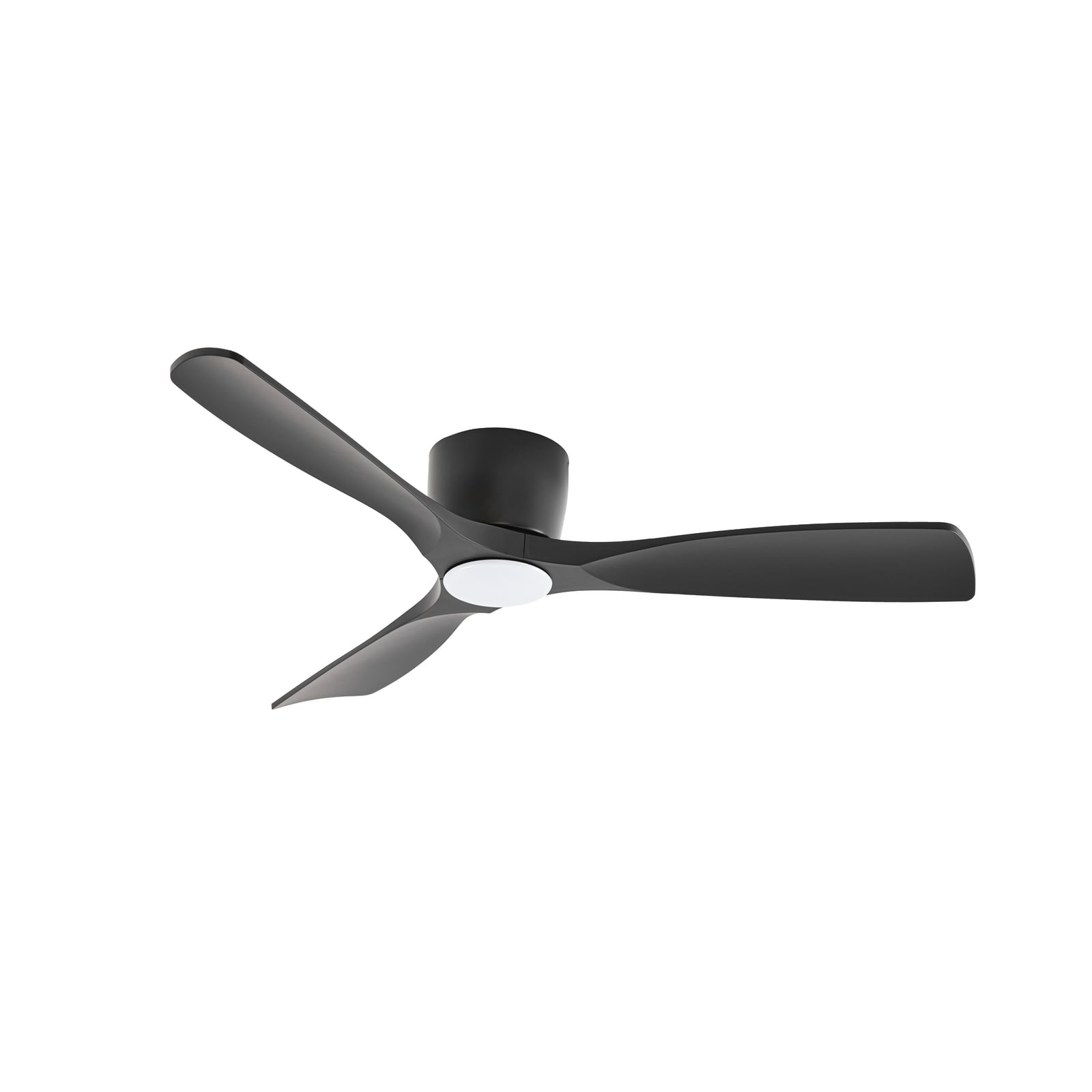
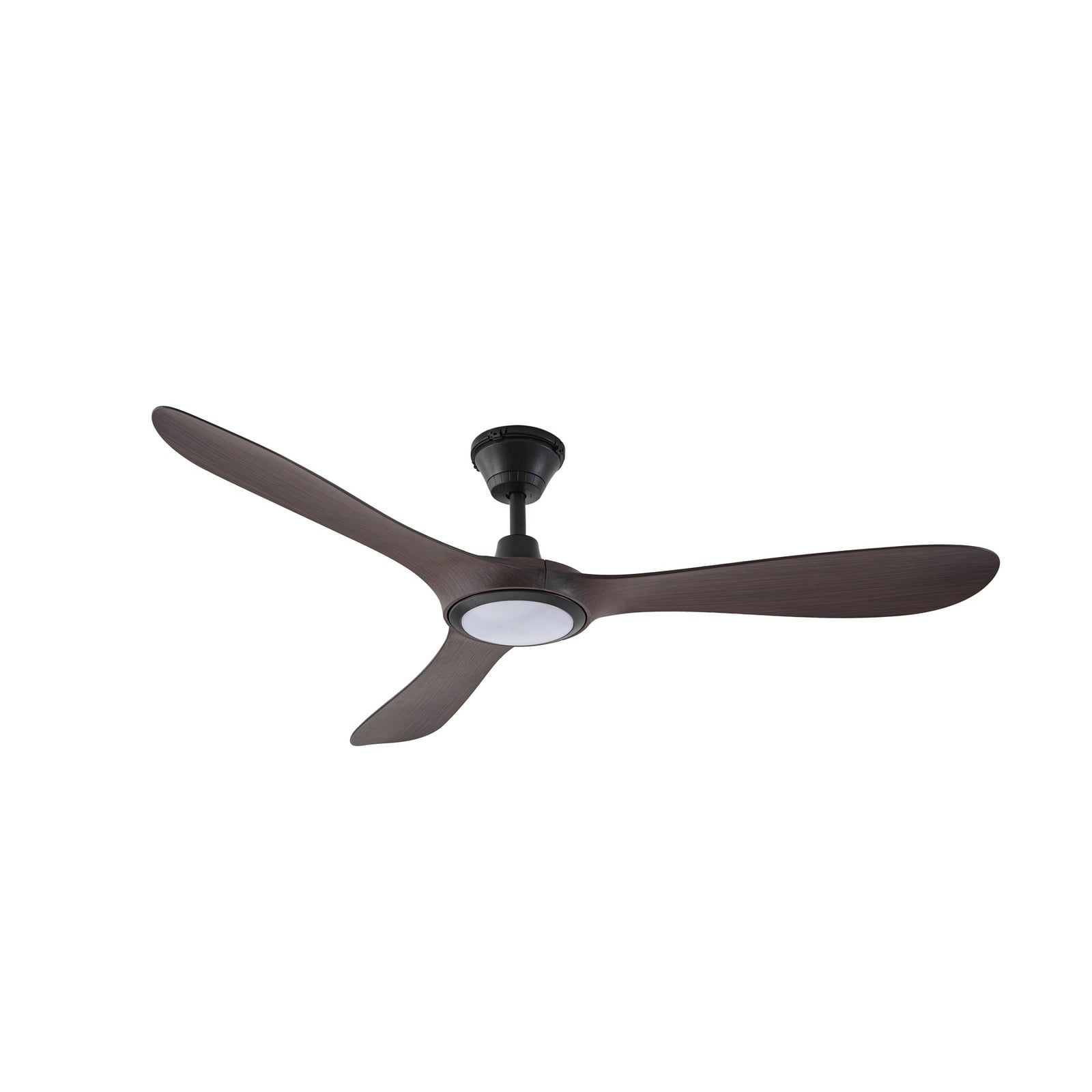
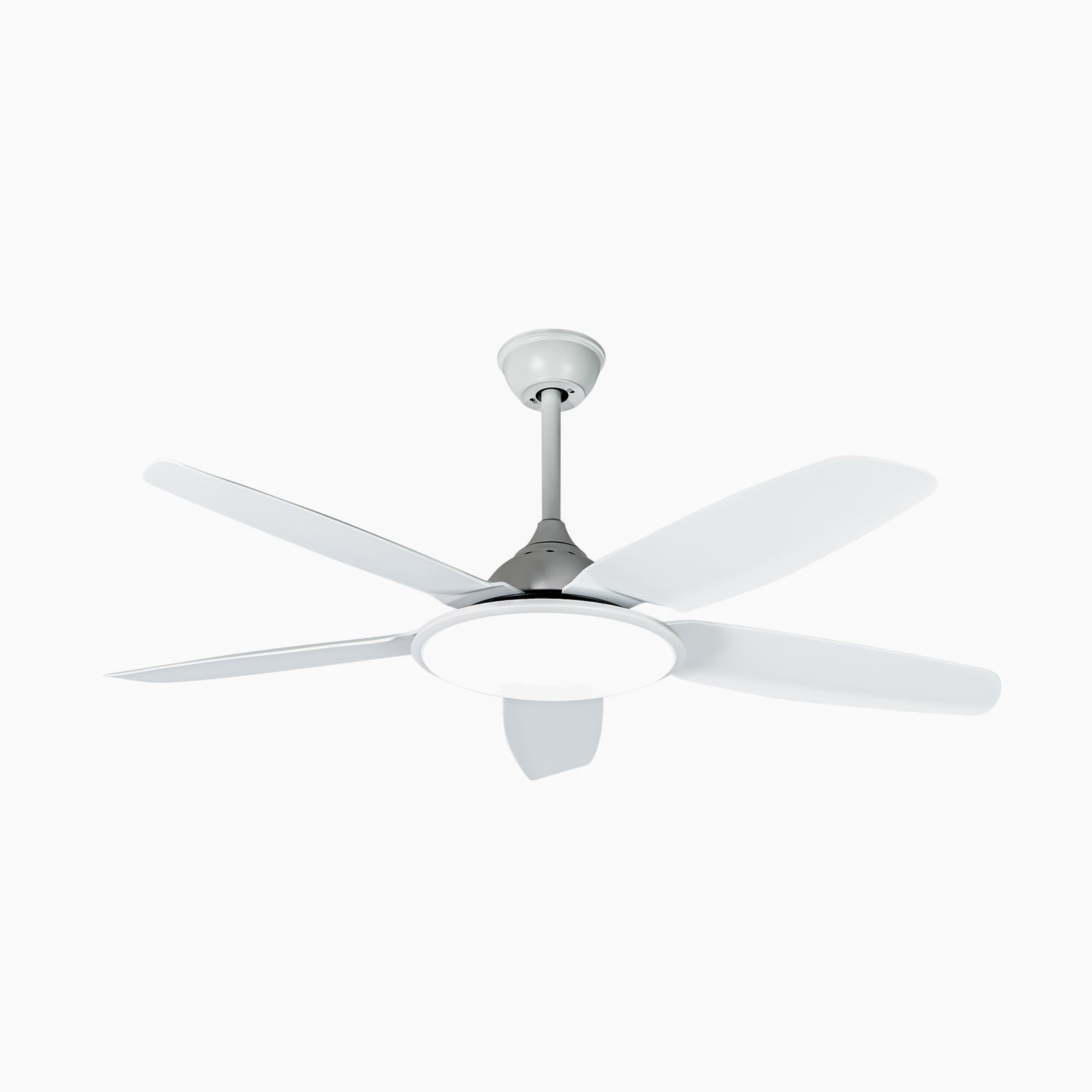
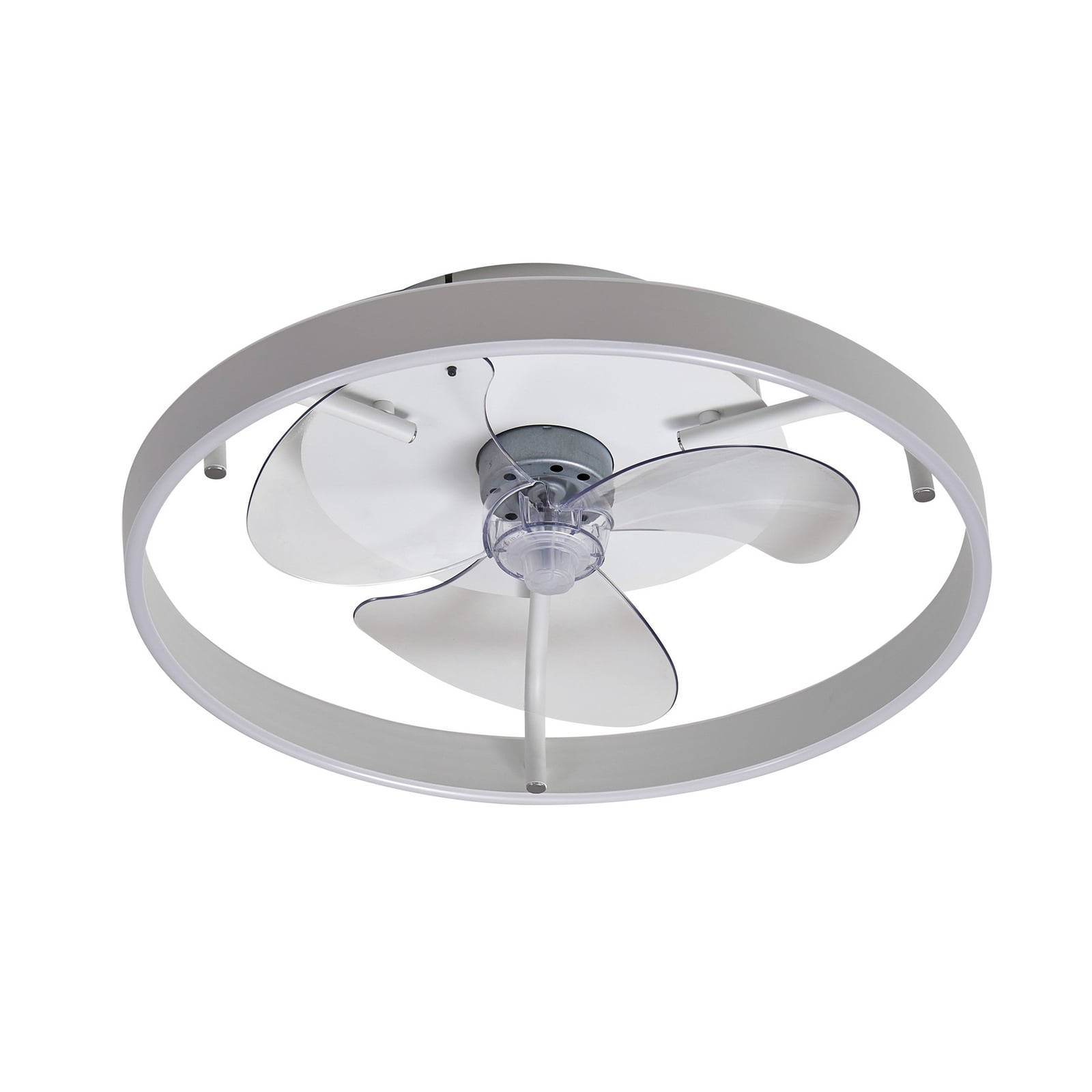
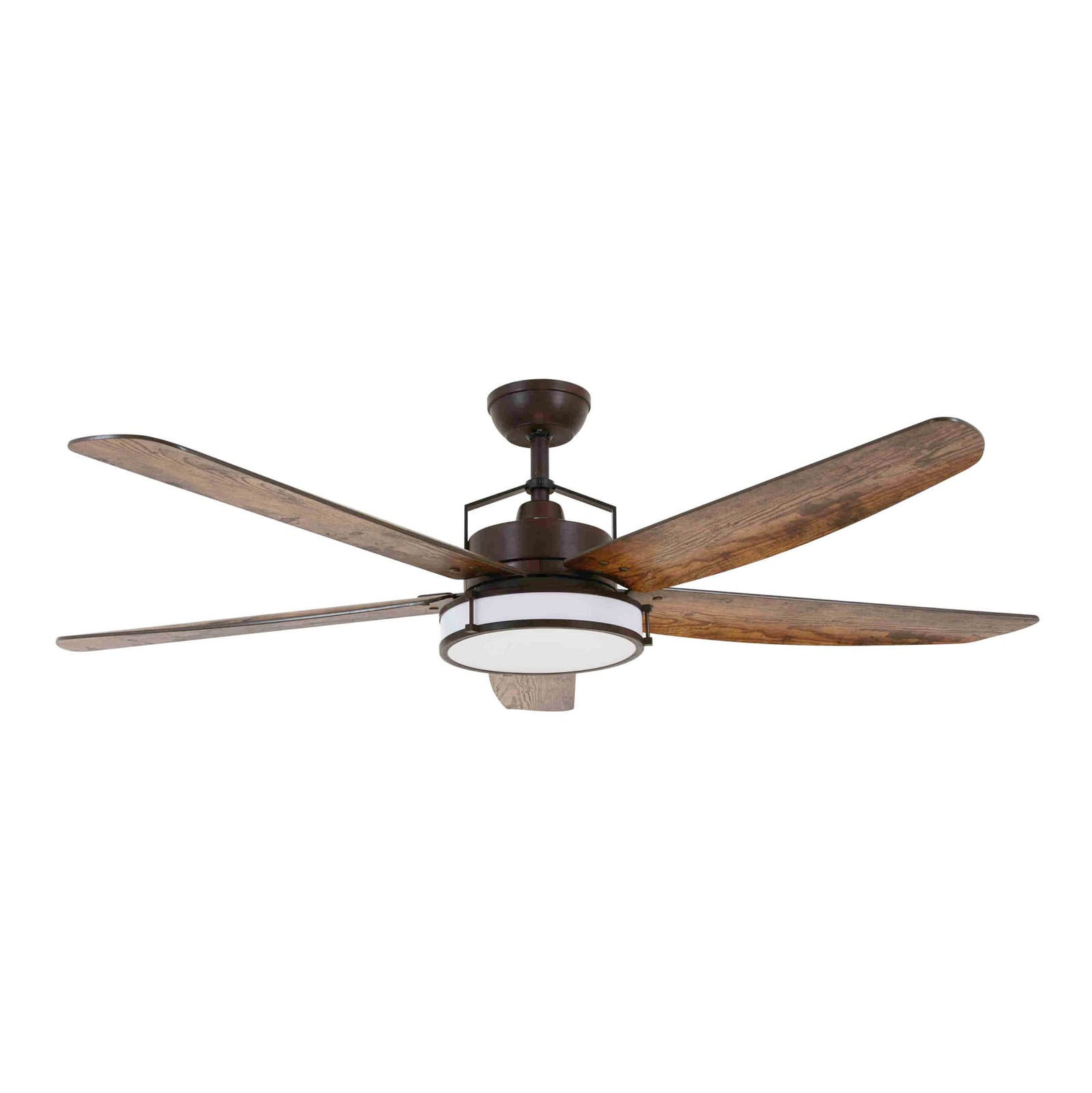
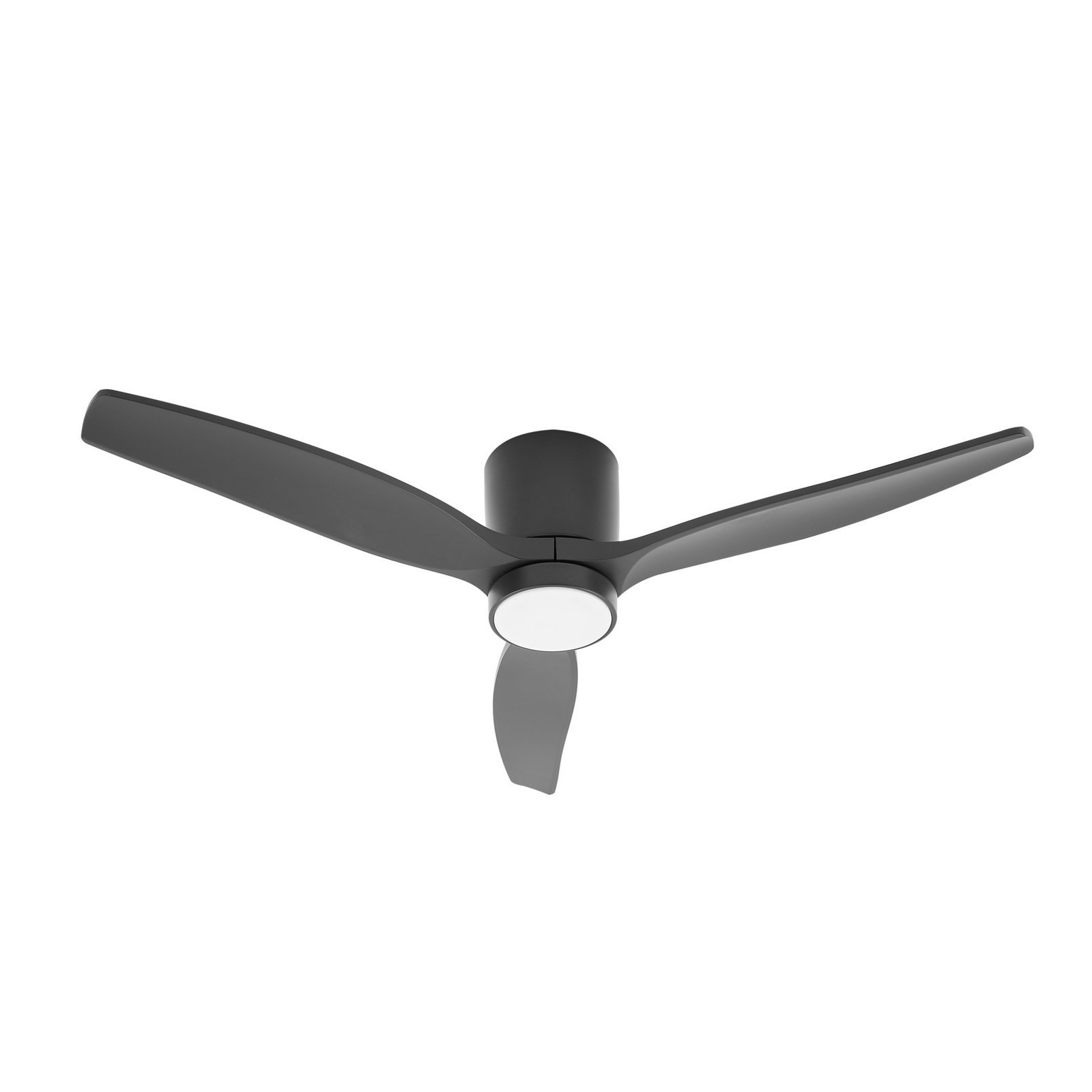
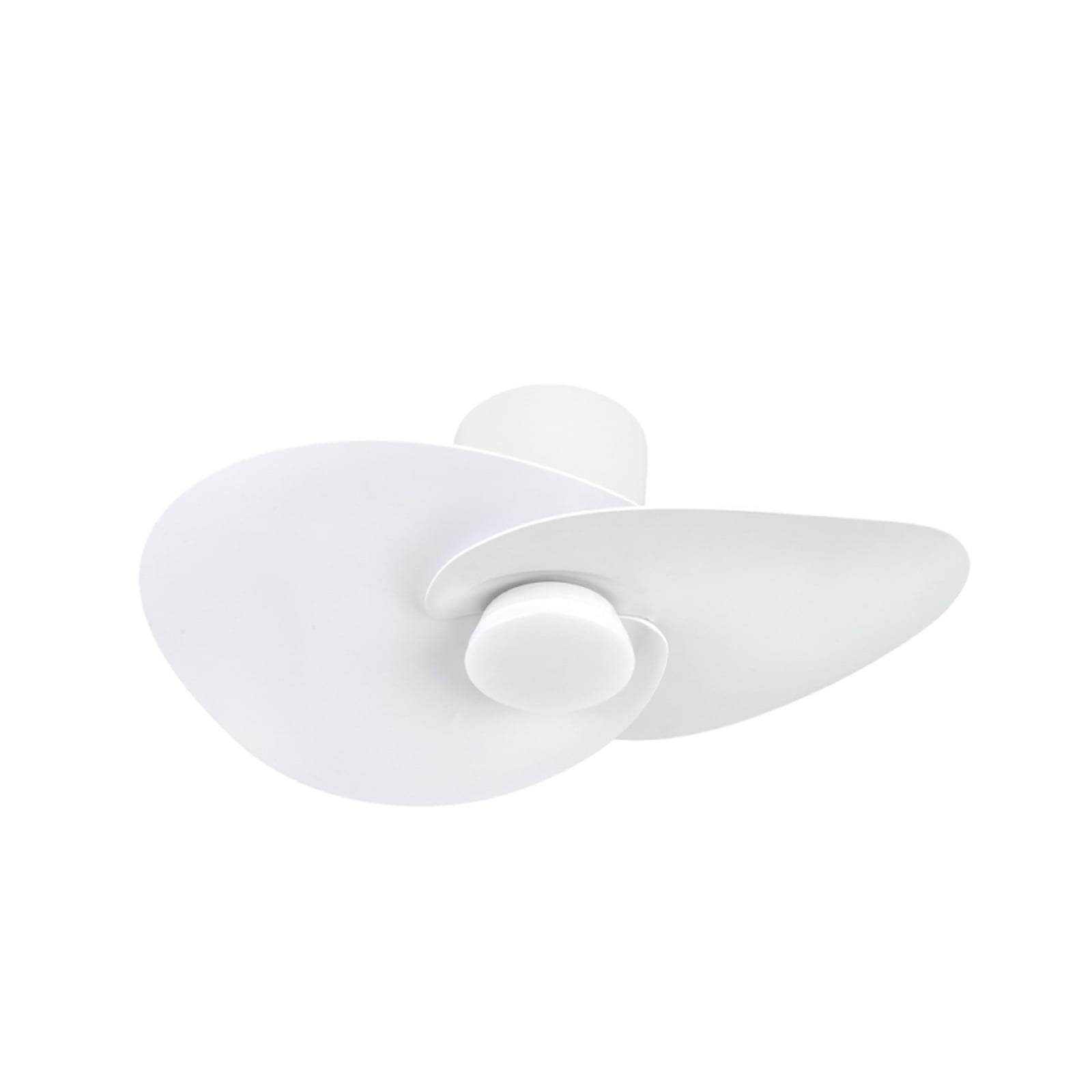
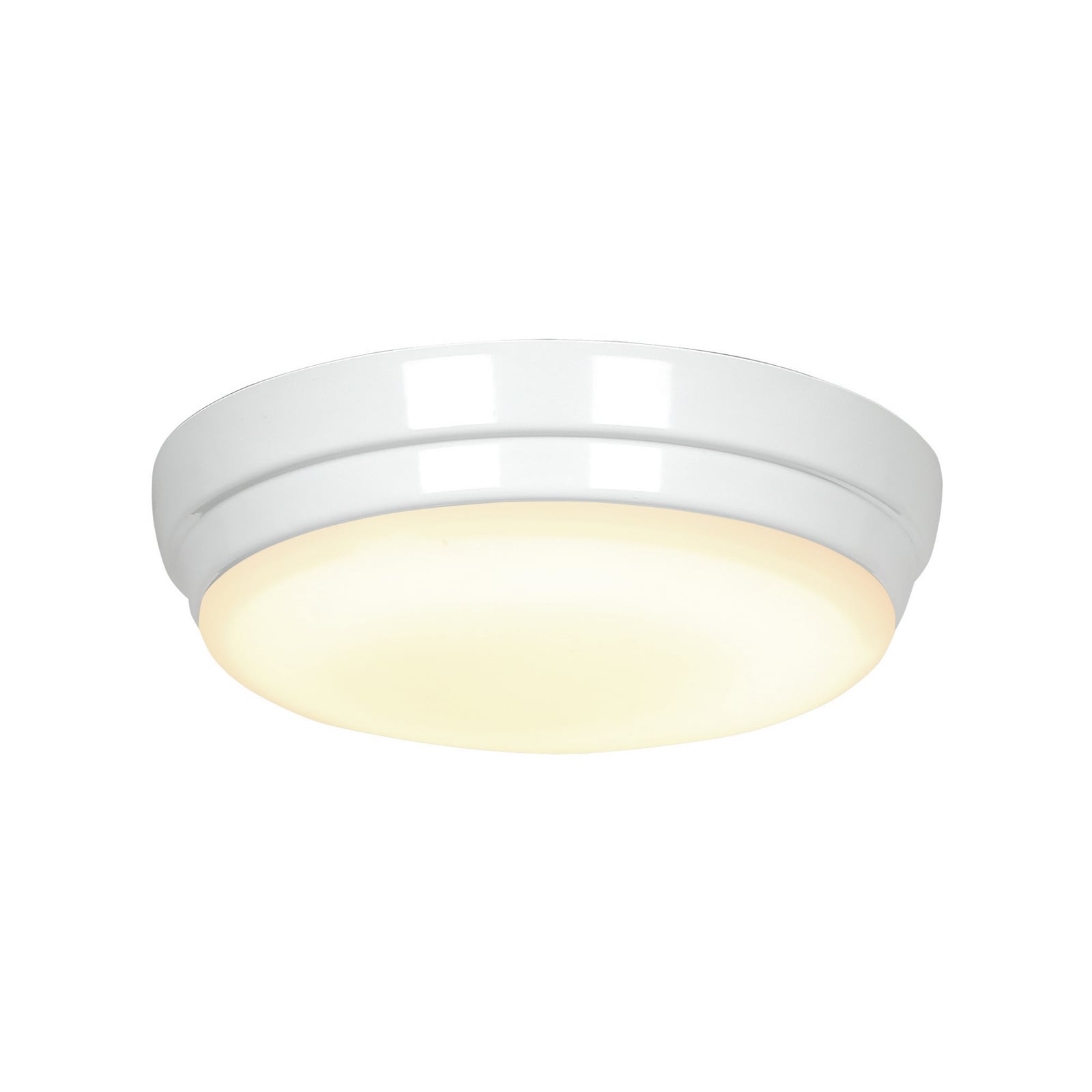
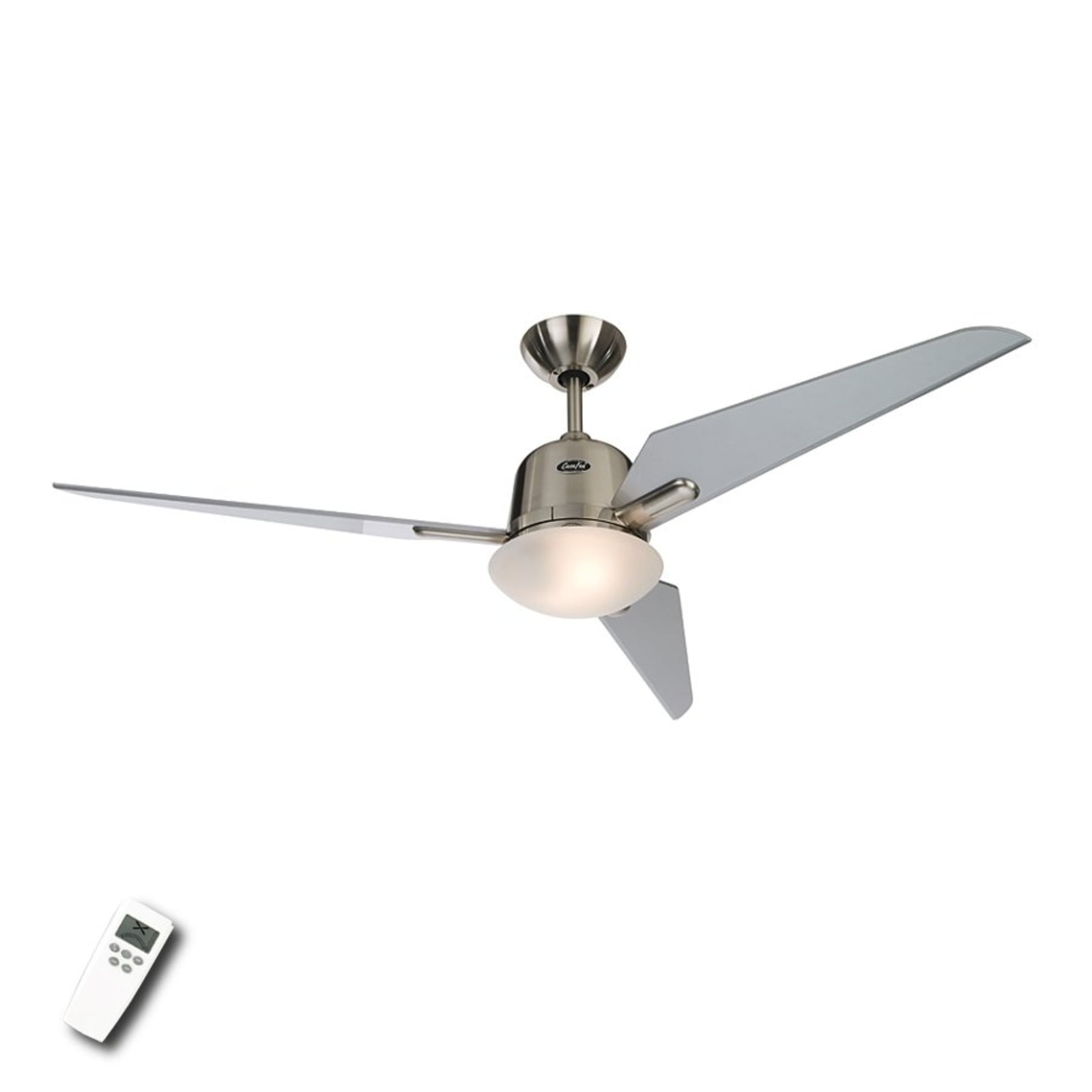
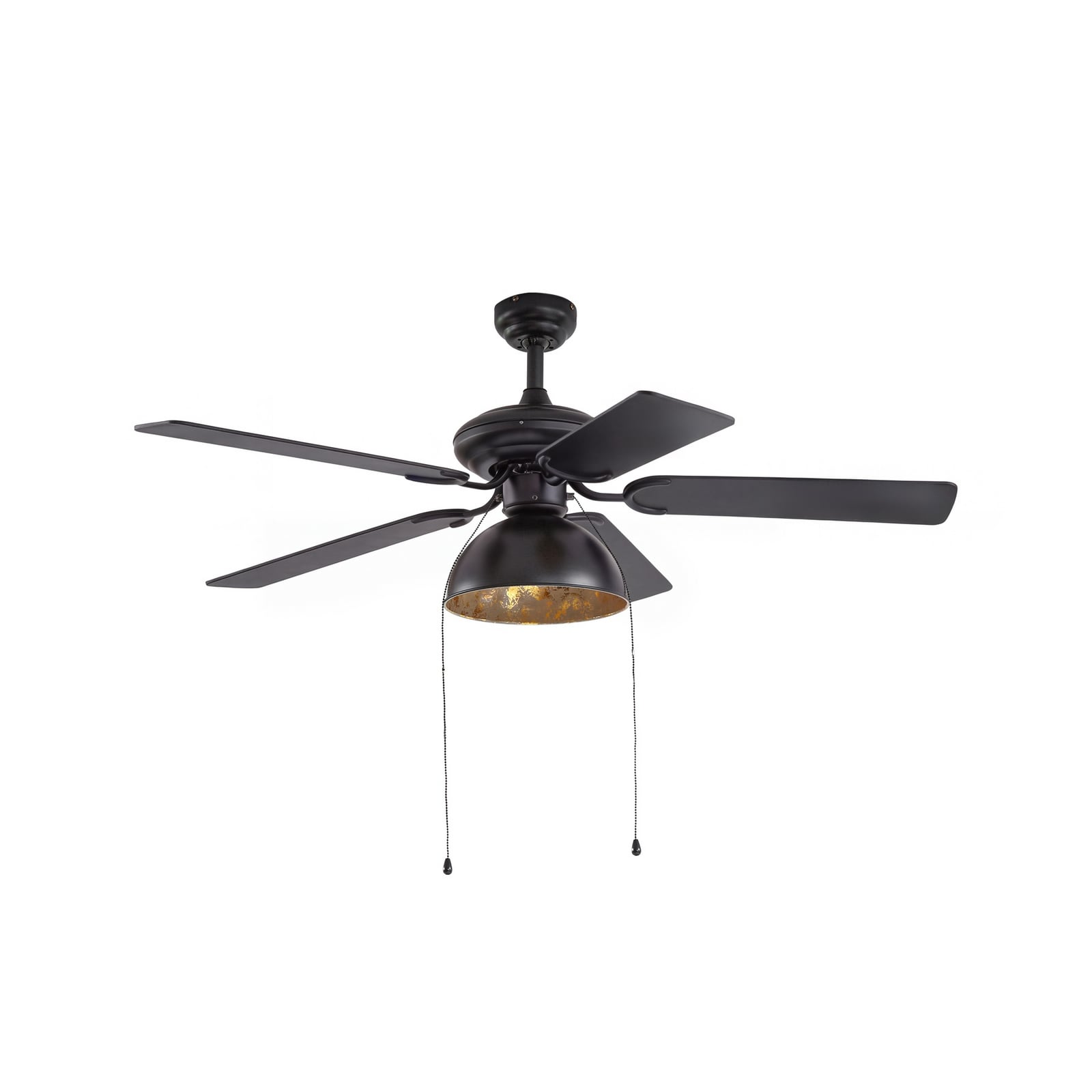
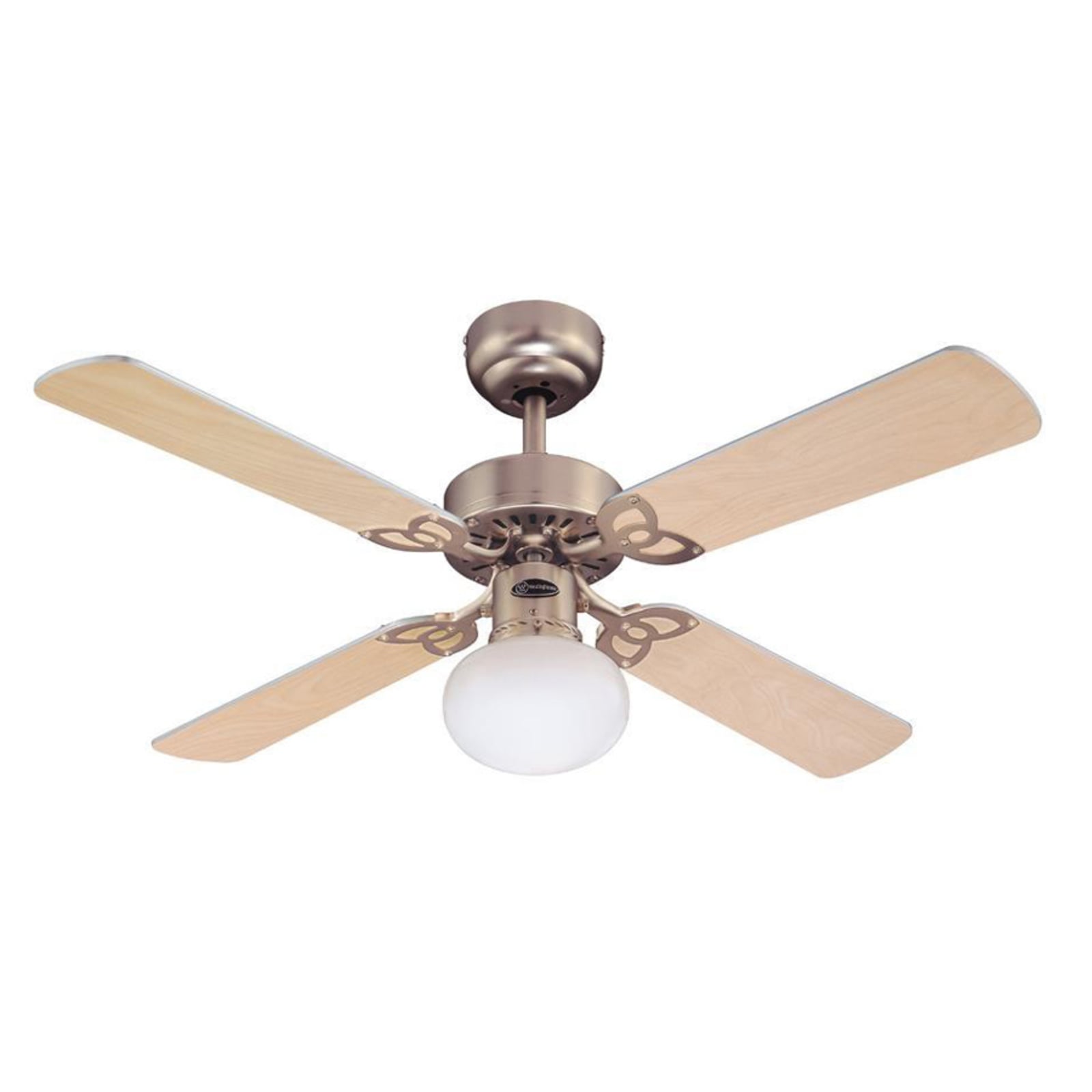
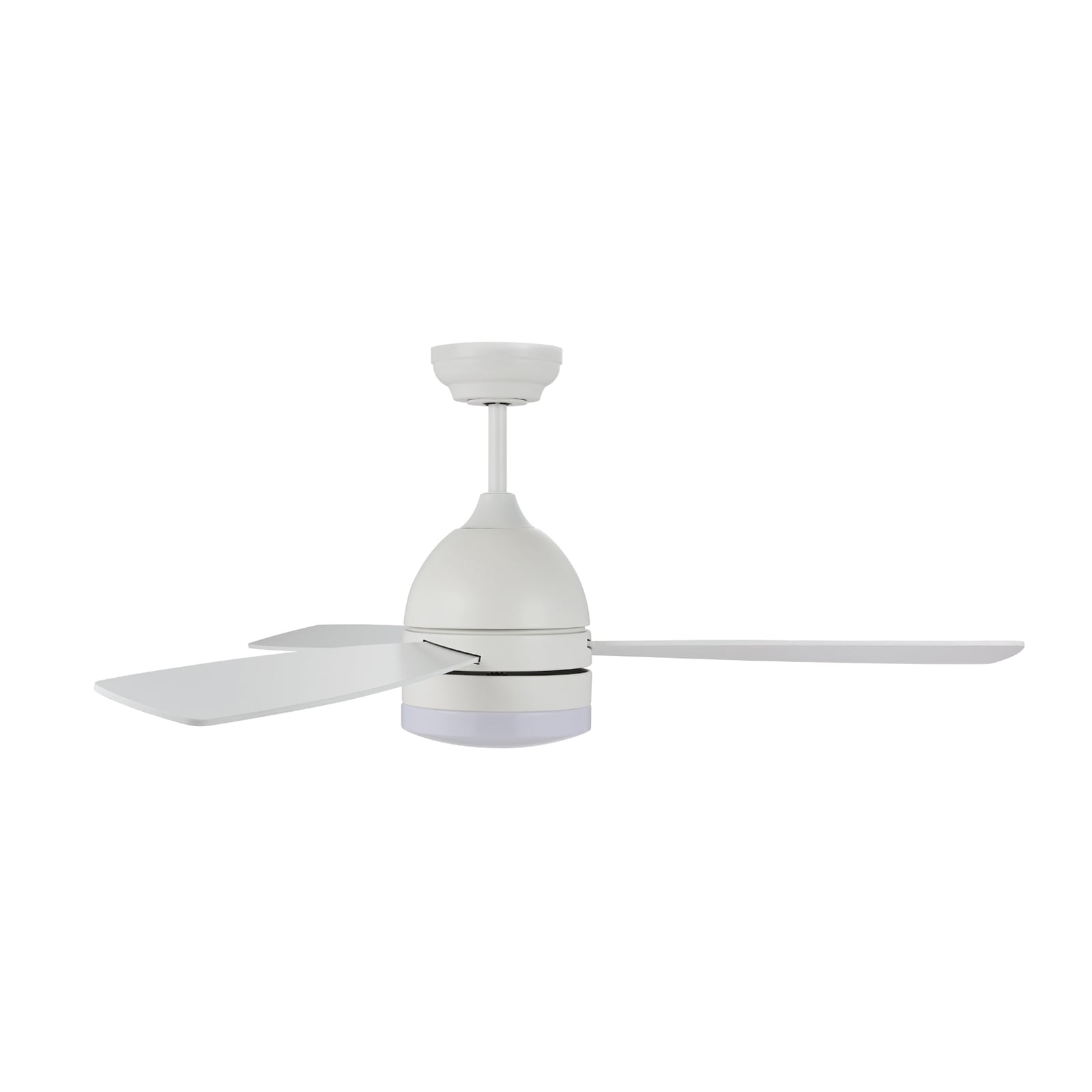
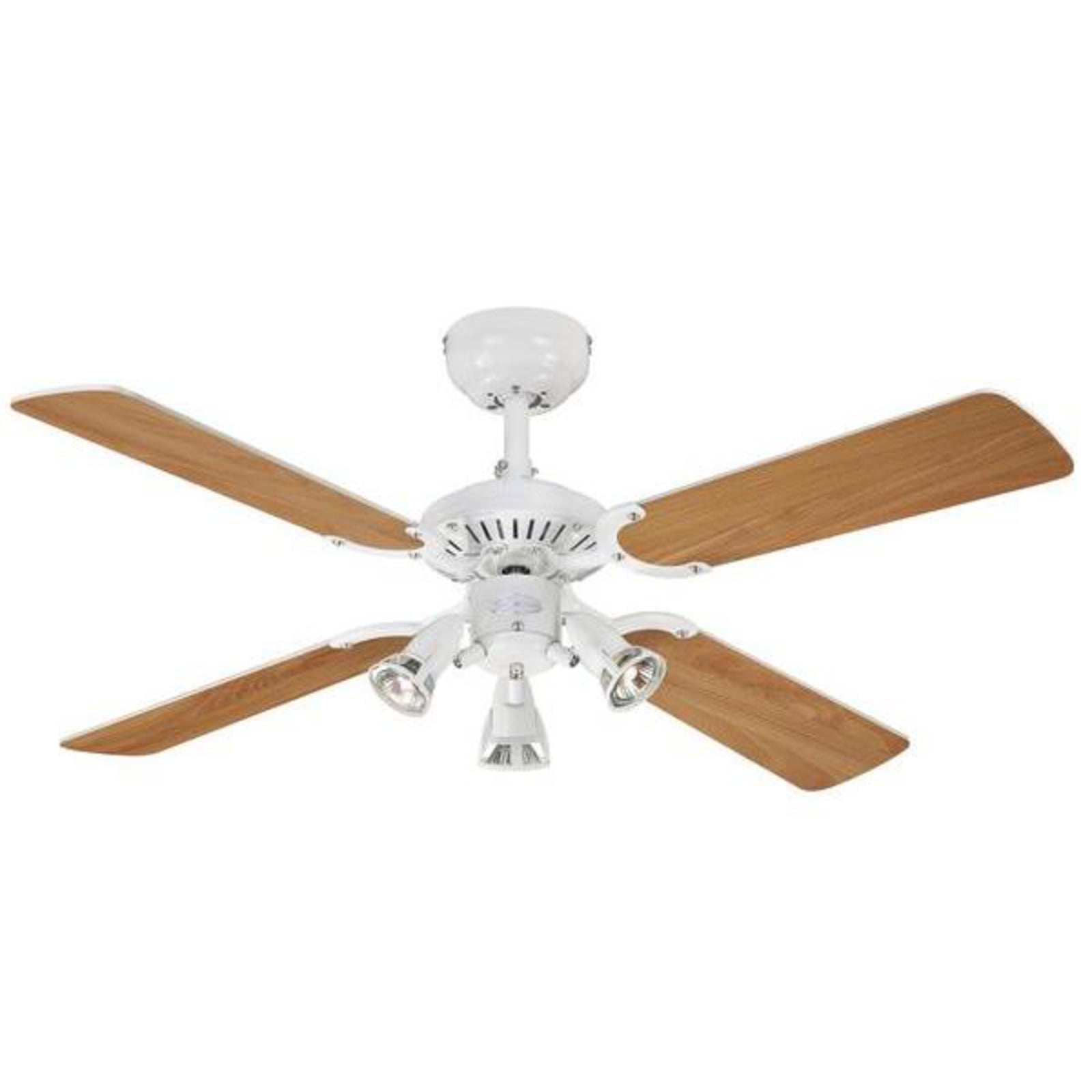
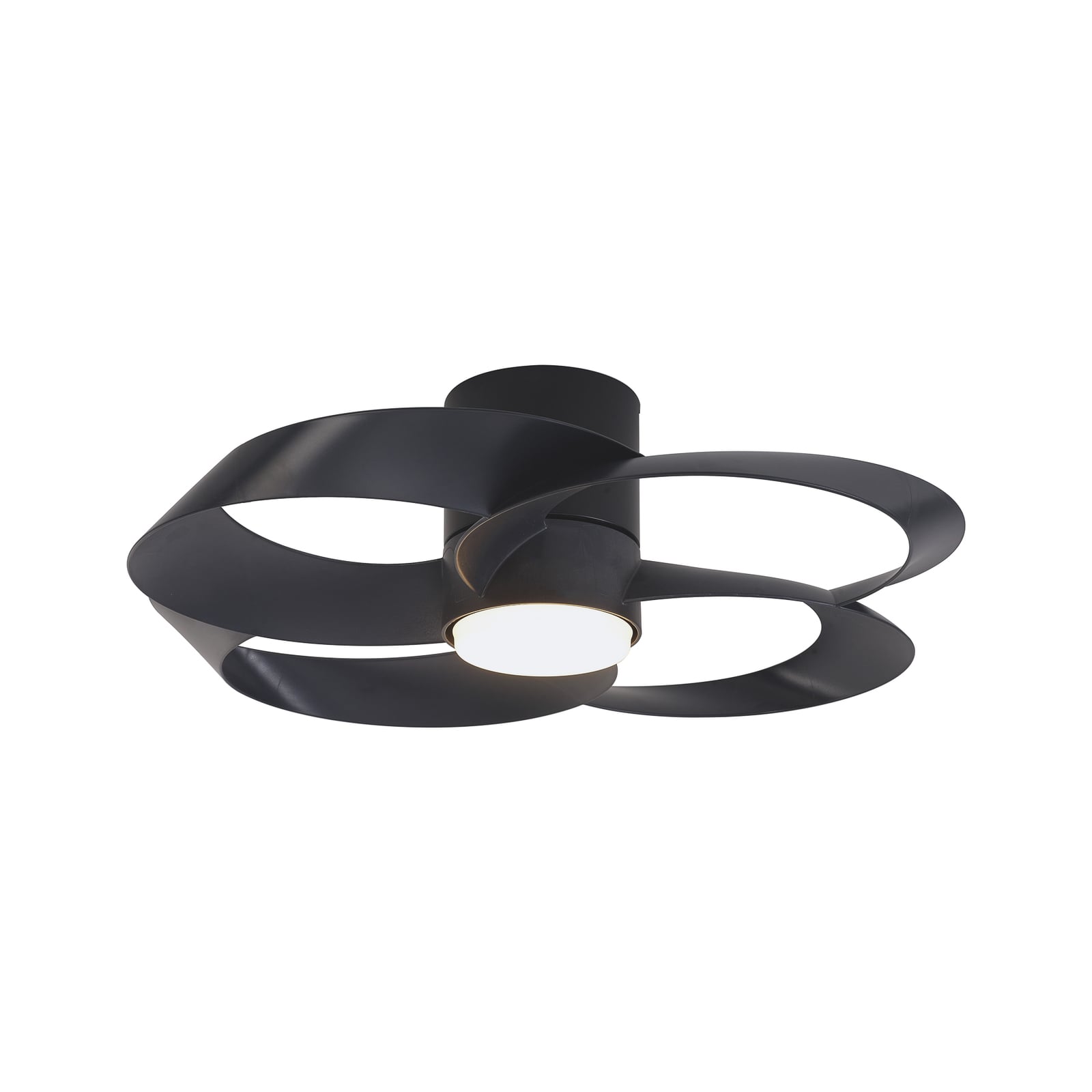
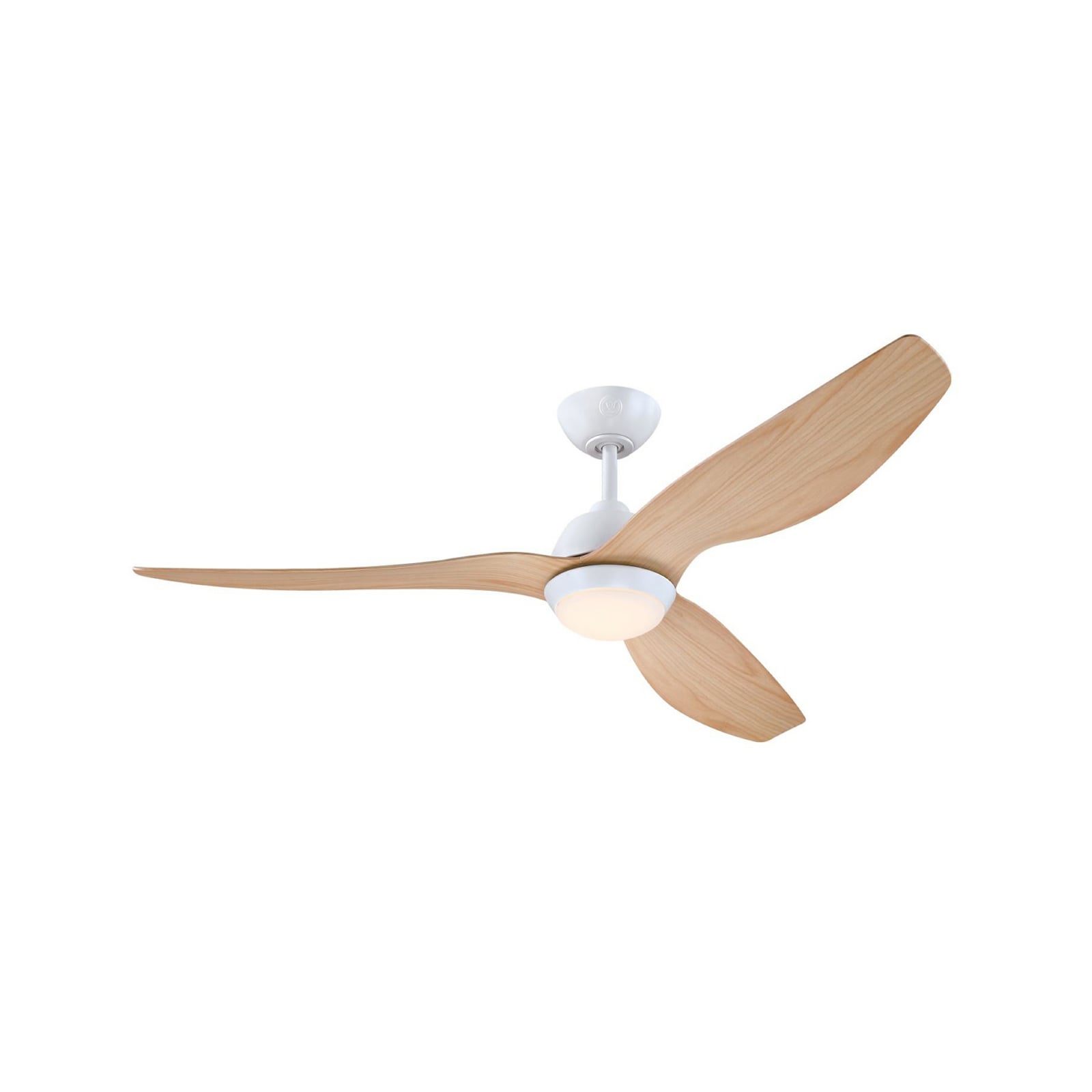
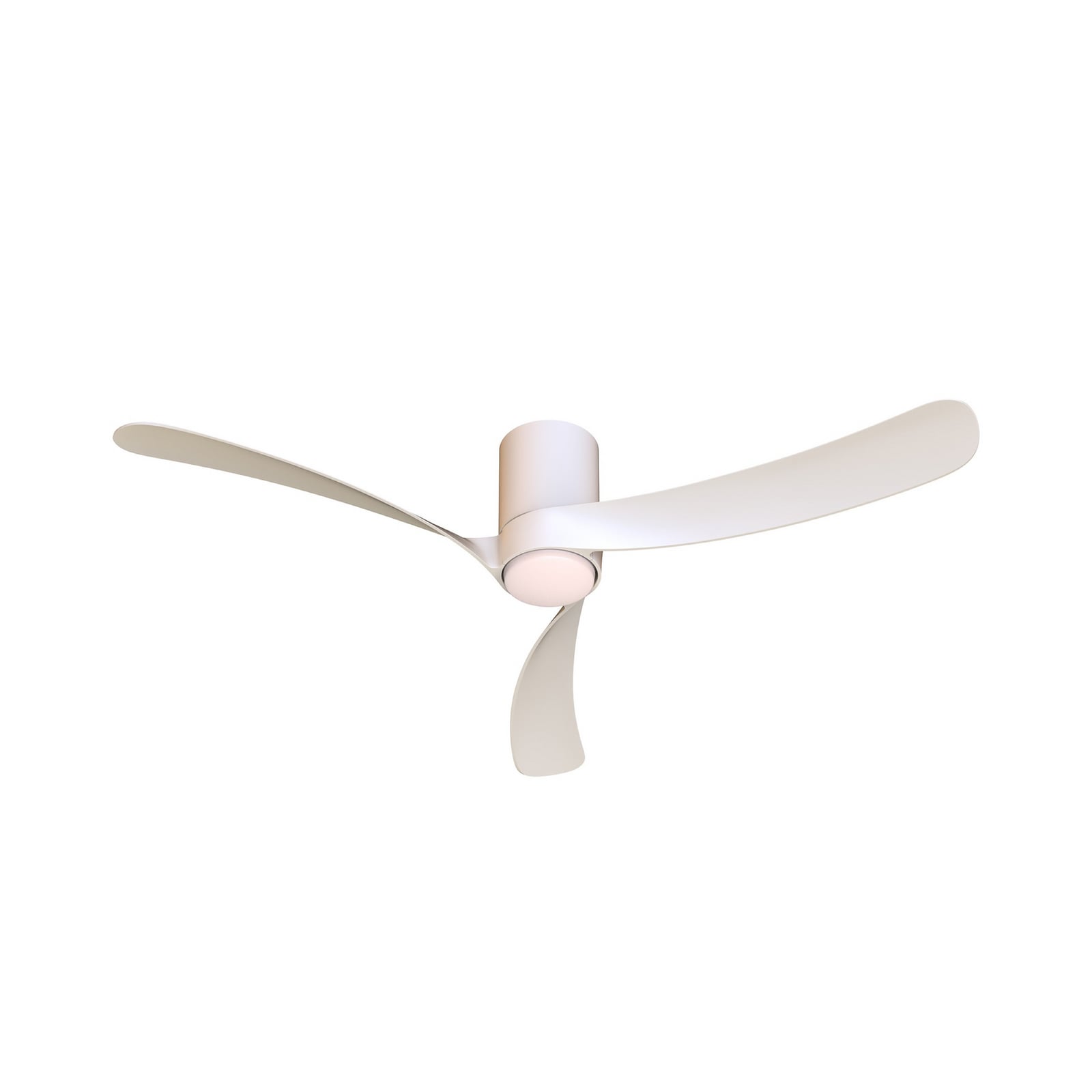
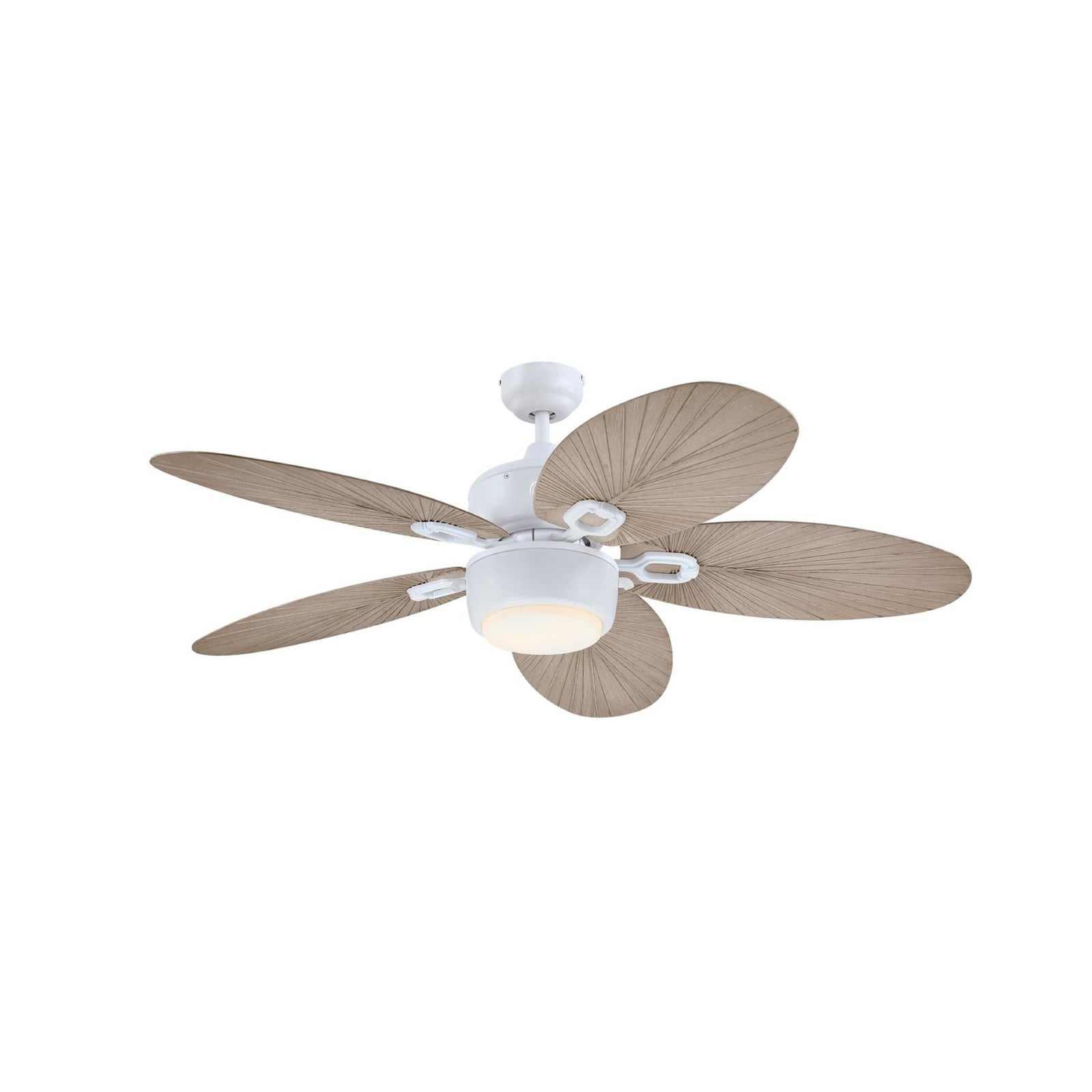
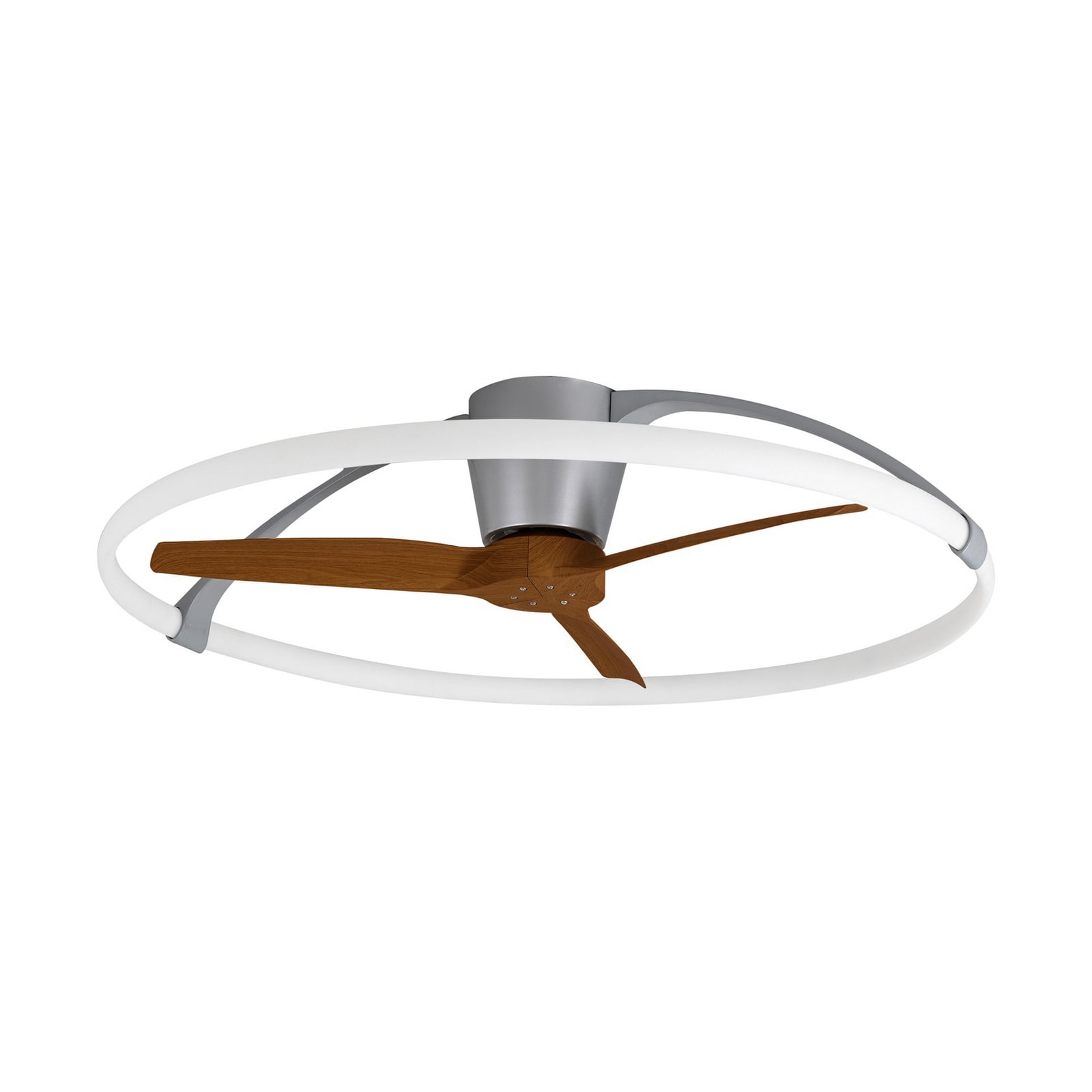
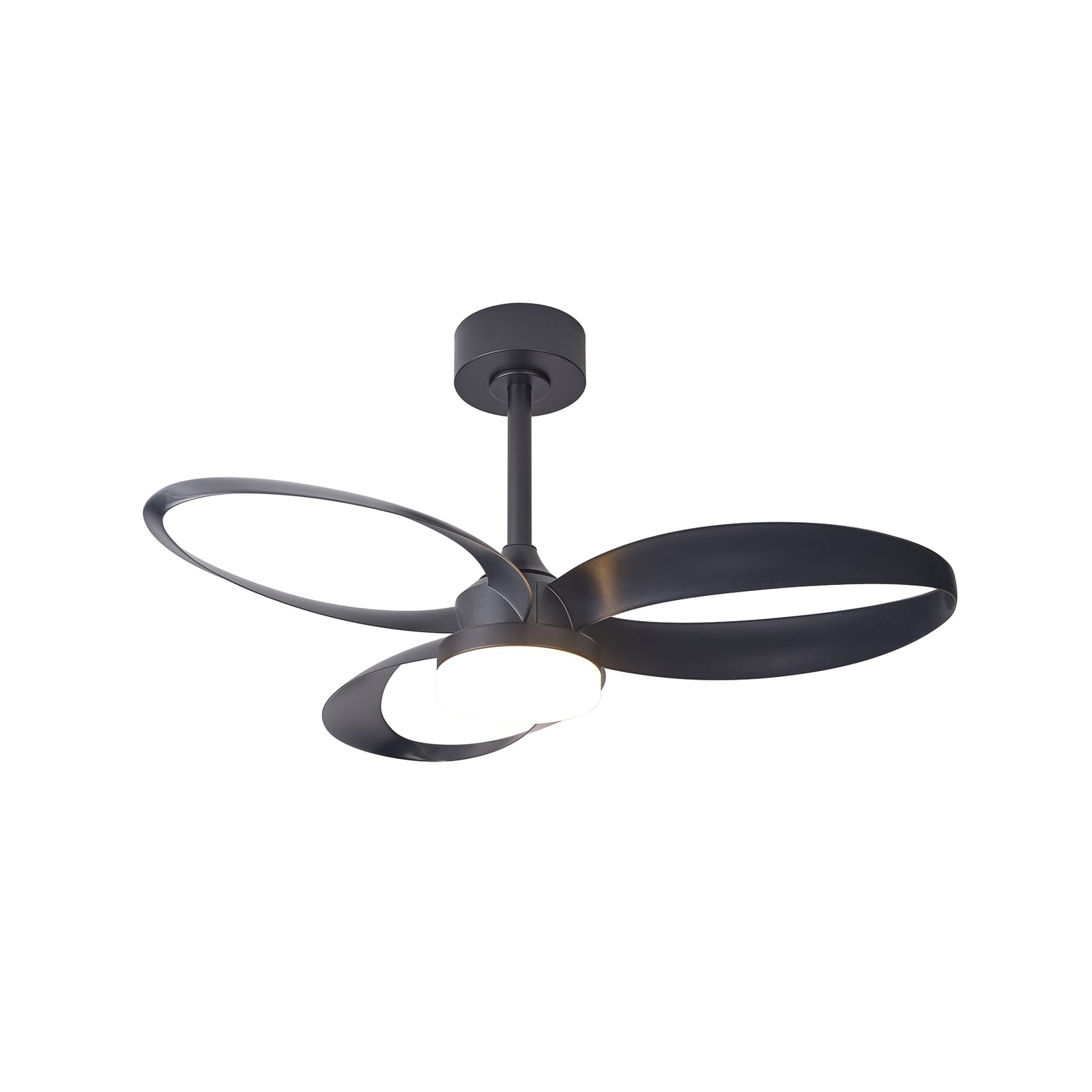
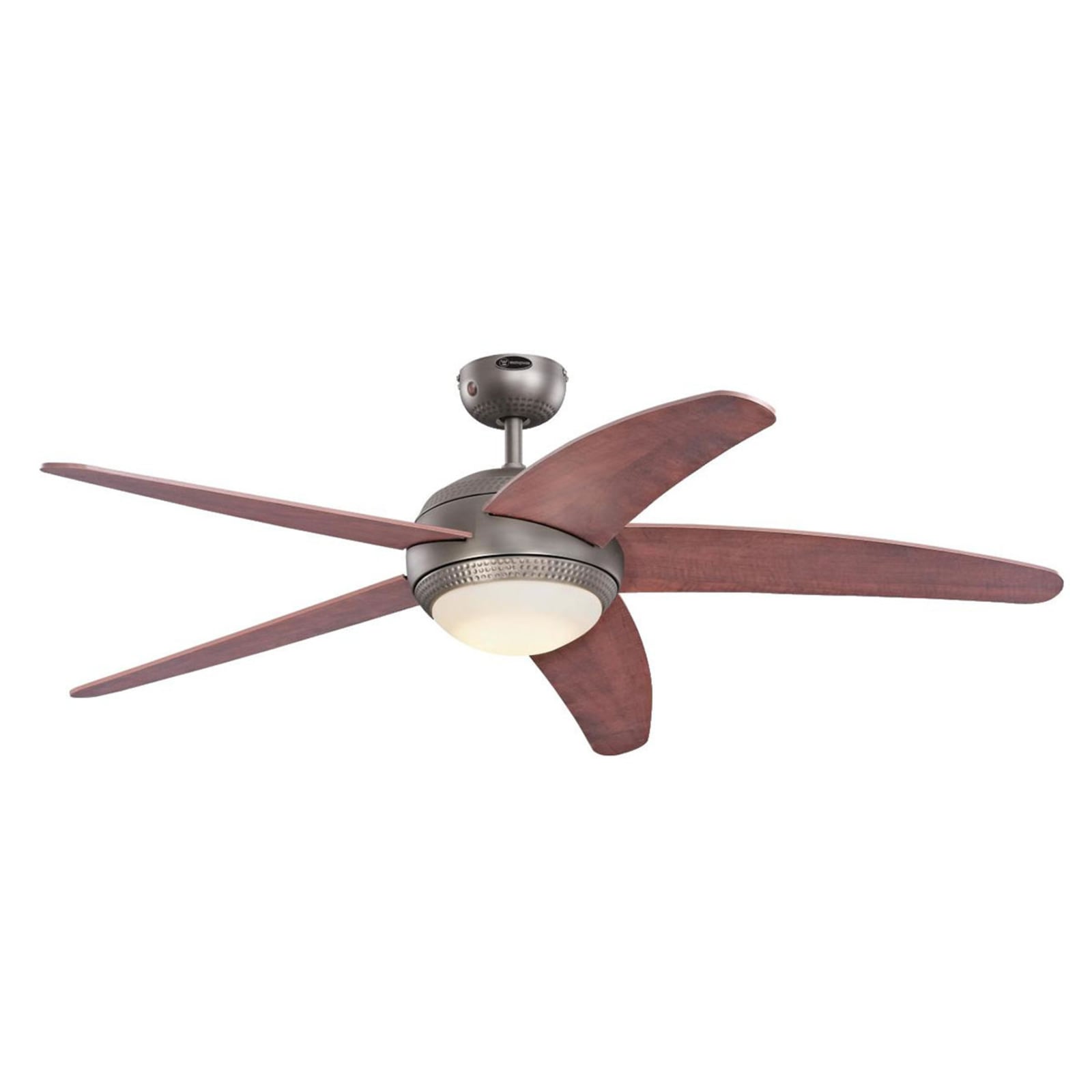
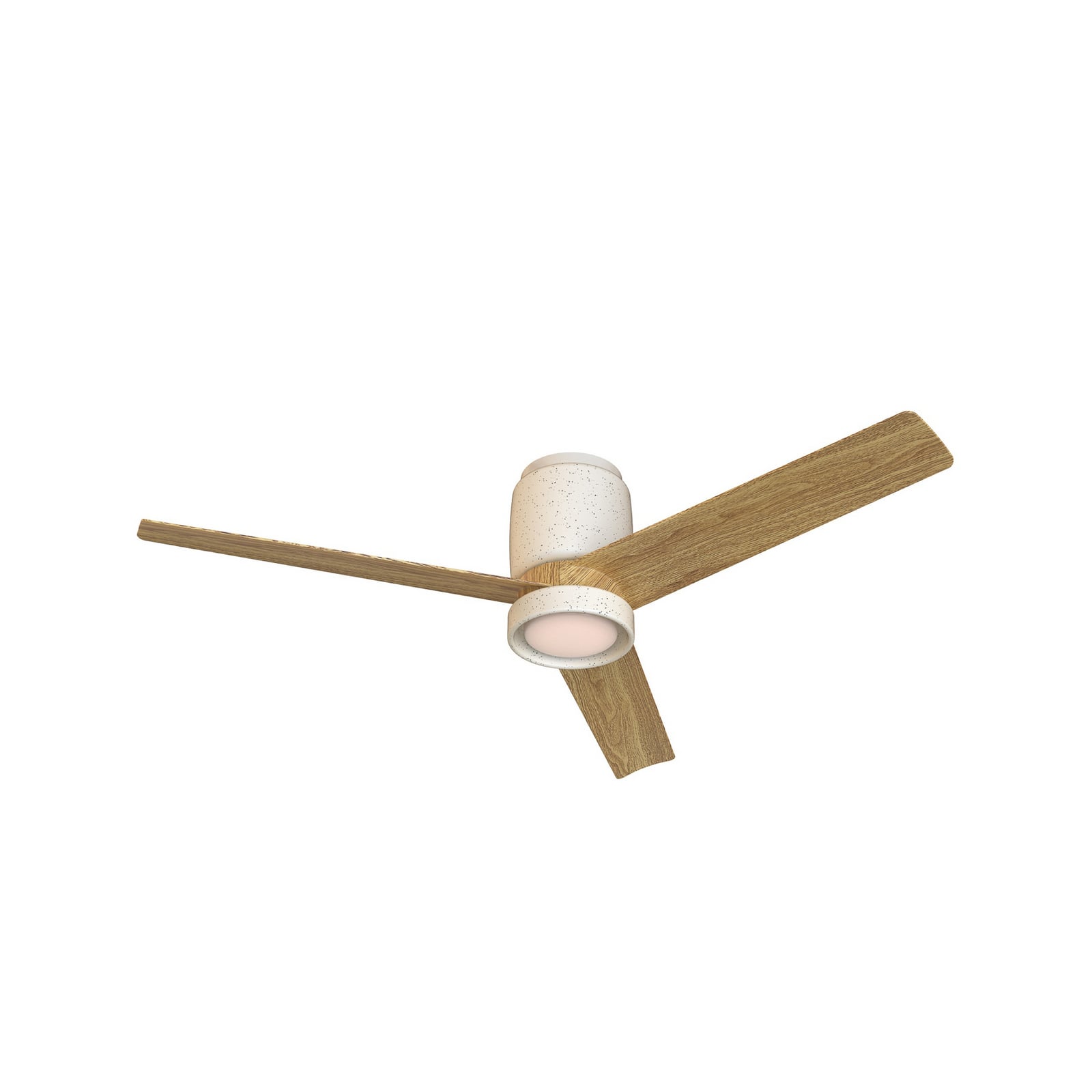
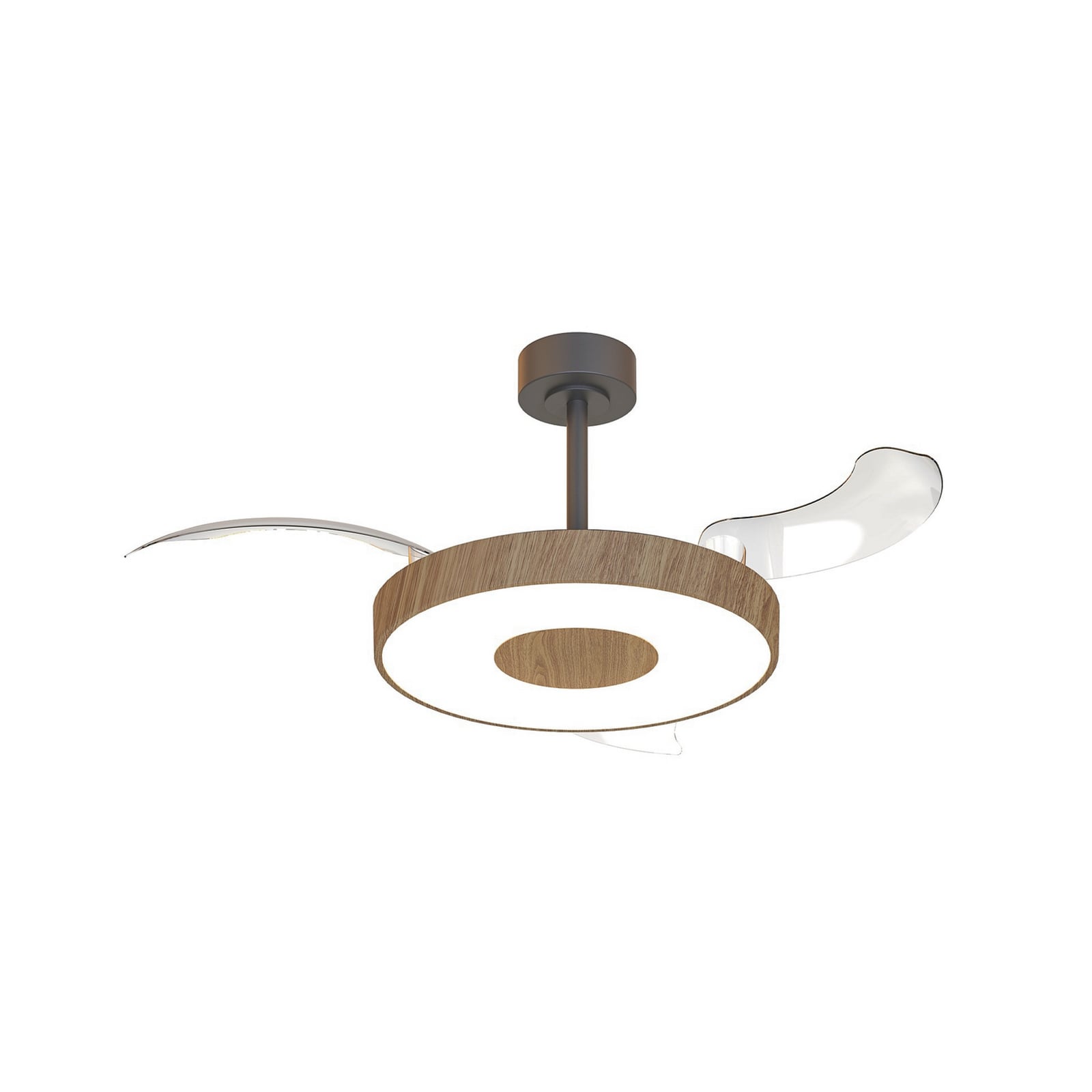
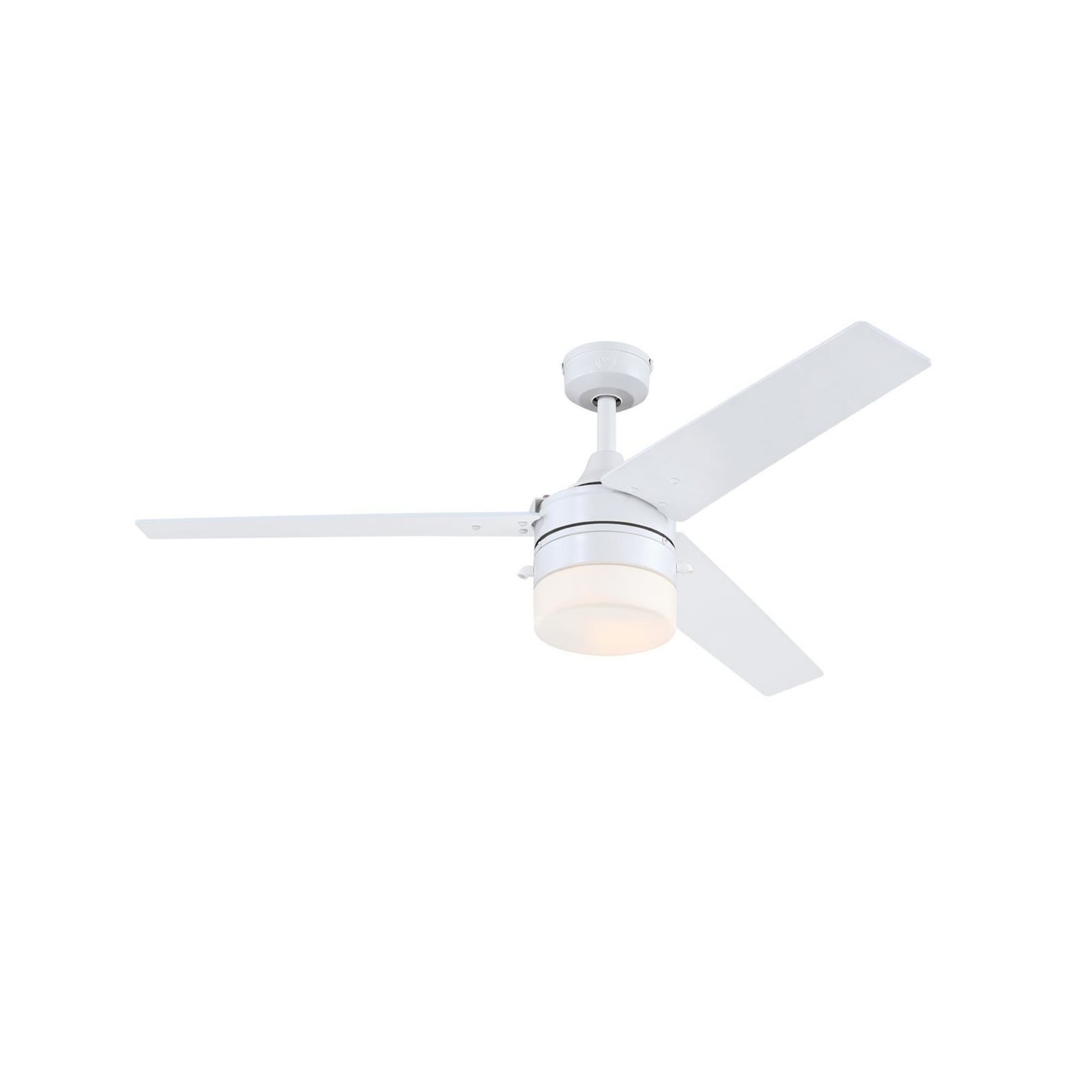
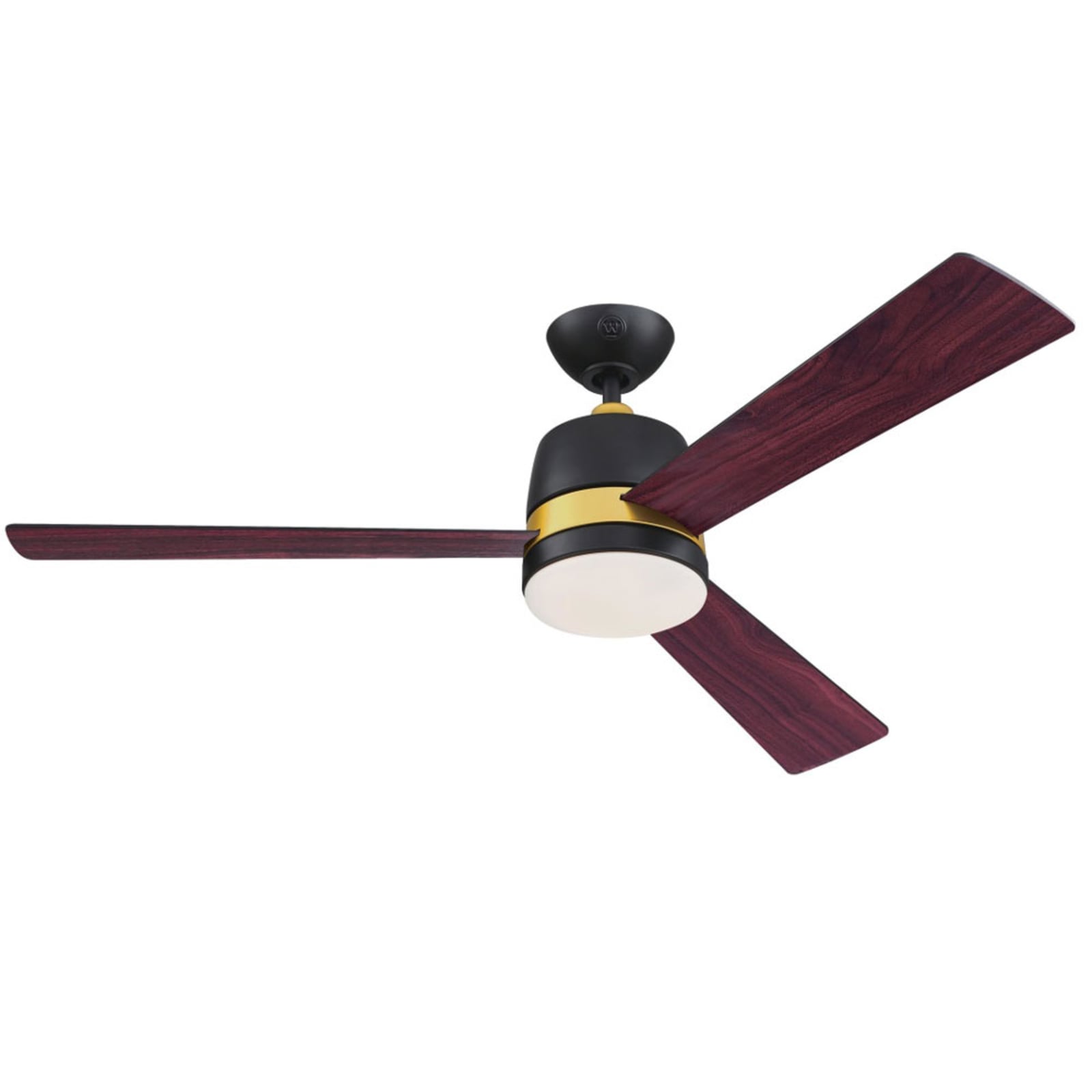
A ceiling fan with light is particularly useful when air circulation and central lighting need to be combined in one solution. In the living room or dining room, this solution looks tidy because two functions are bundled at one point on the ceiling. This is particularly interesting in rooms with clear furnishings or limited ceiling space, because fewer individual elements compete with each other. In models with lighting, an integrated light body can appear unobtrusive if the wings are balanced in proportion and the light does not stand out as a separate element.
When choosing a ceiling fan with light, the decisive factor is not so much a pure technology list as the effect in everyday life. A model with LED lighting and dimming function is suitable for living areas where light needs to be regulated more softly in the evening. Above the dining table, such a solution is harmonious if the luminaire quietly accompanies the table area and the air circulation is not perceived as a draught. In open-plan layouts in which the kitchen, dining room and living room merge into one another, this variant supports a continuous design with a calmly integrated ceiling pattern.
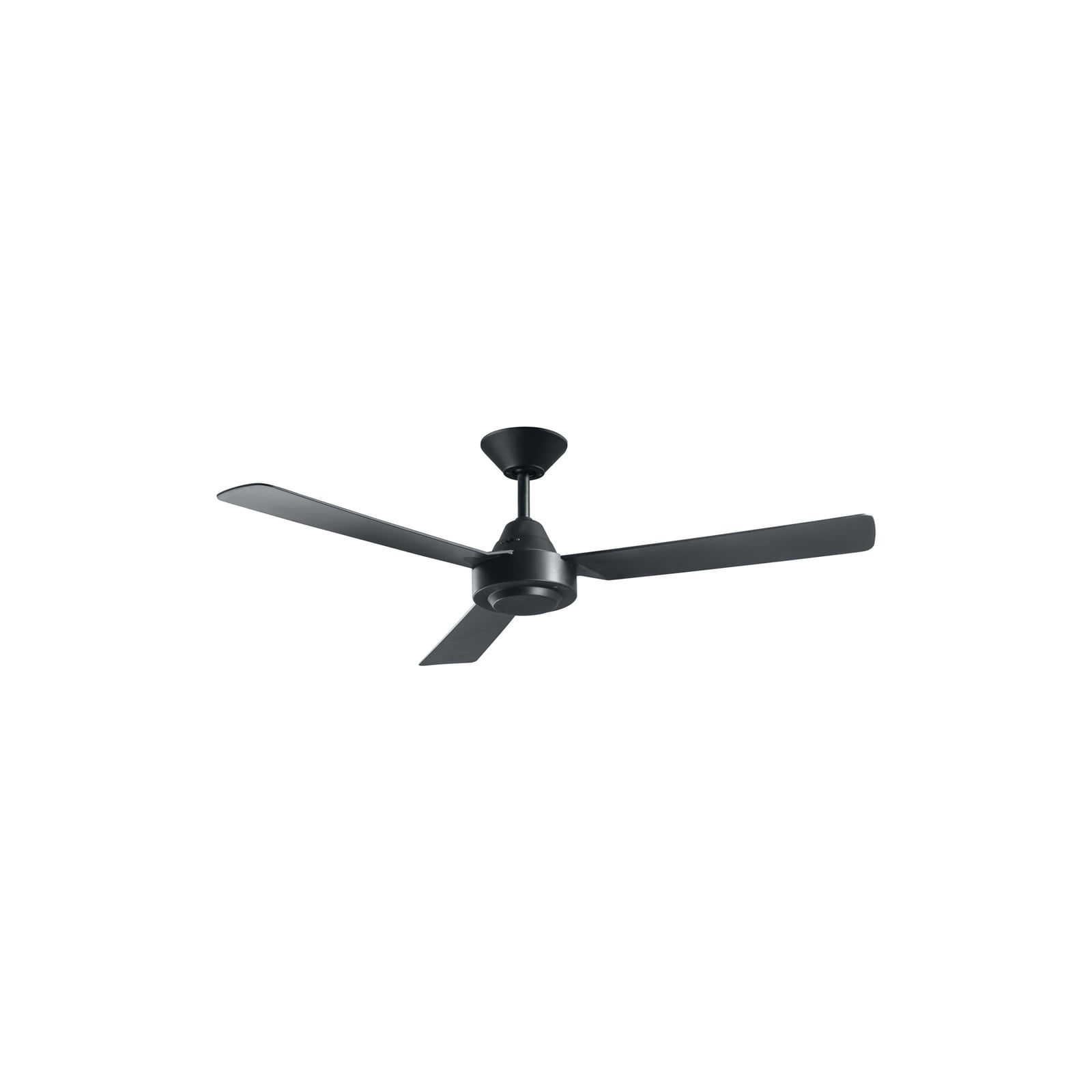
Ceiling fans without light for minimalist room concepts
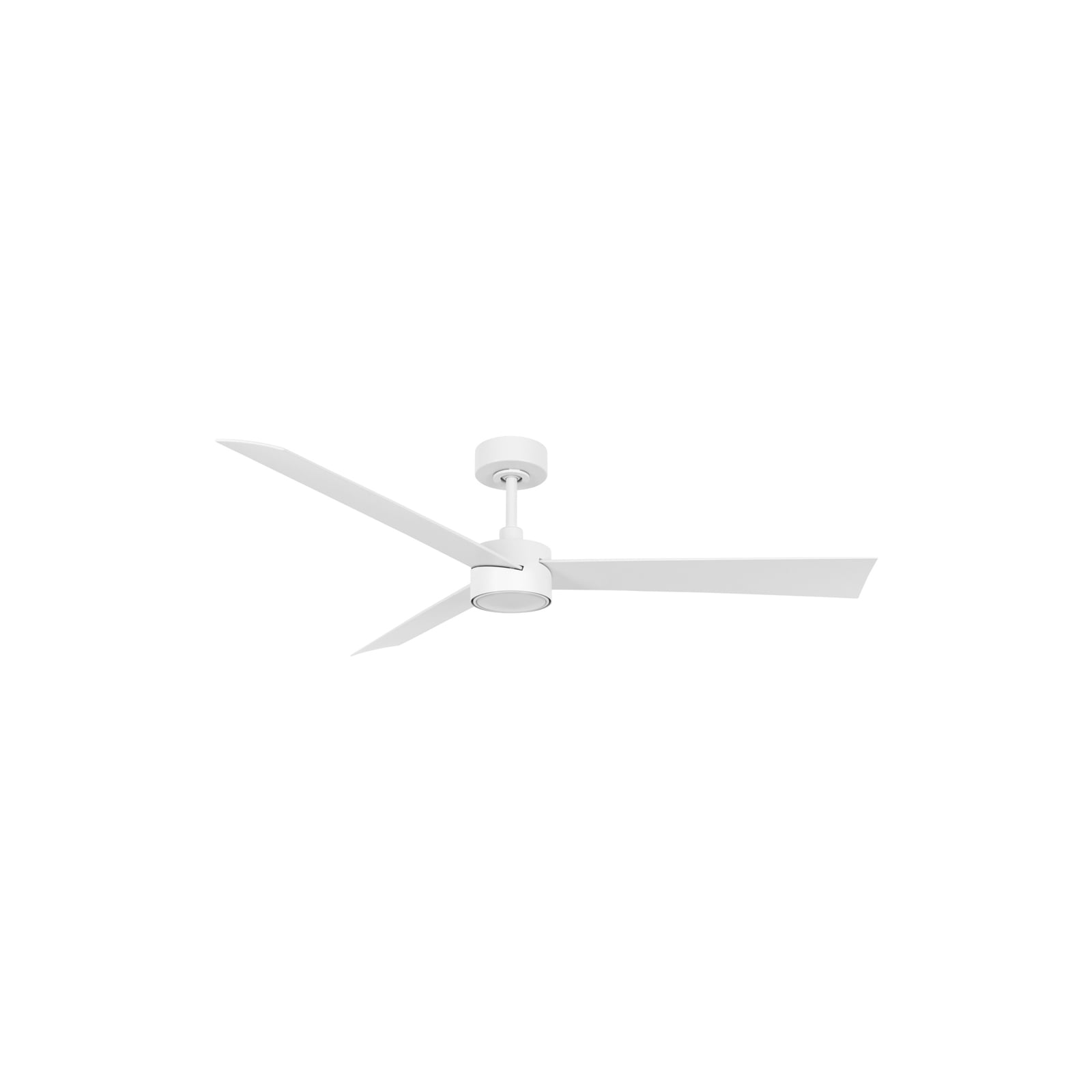
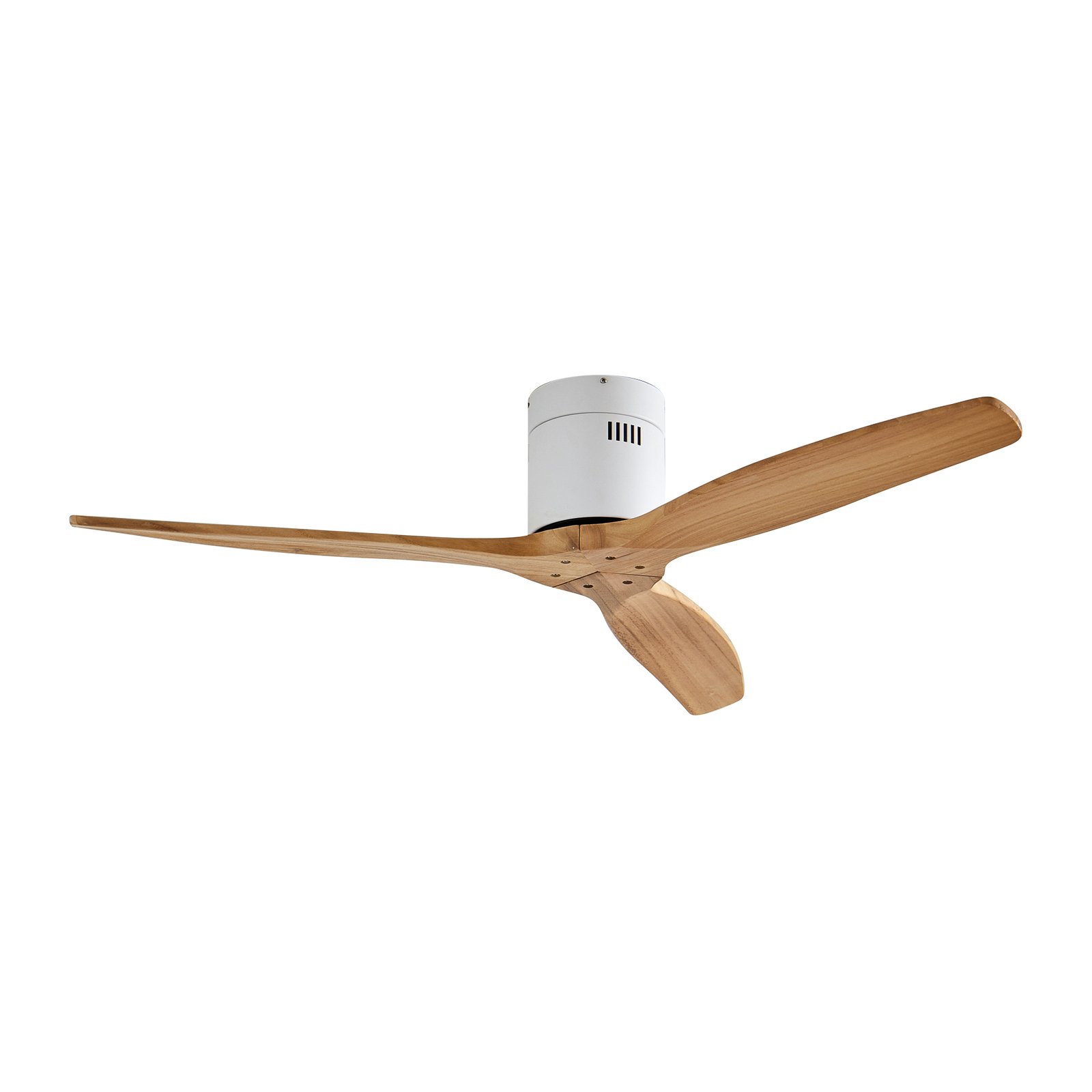
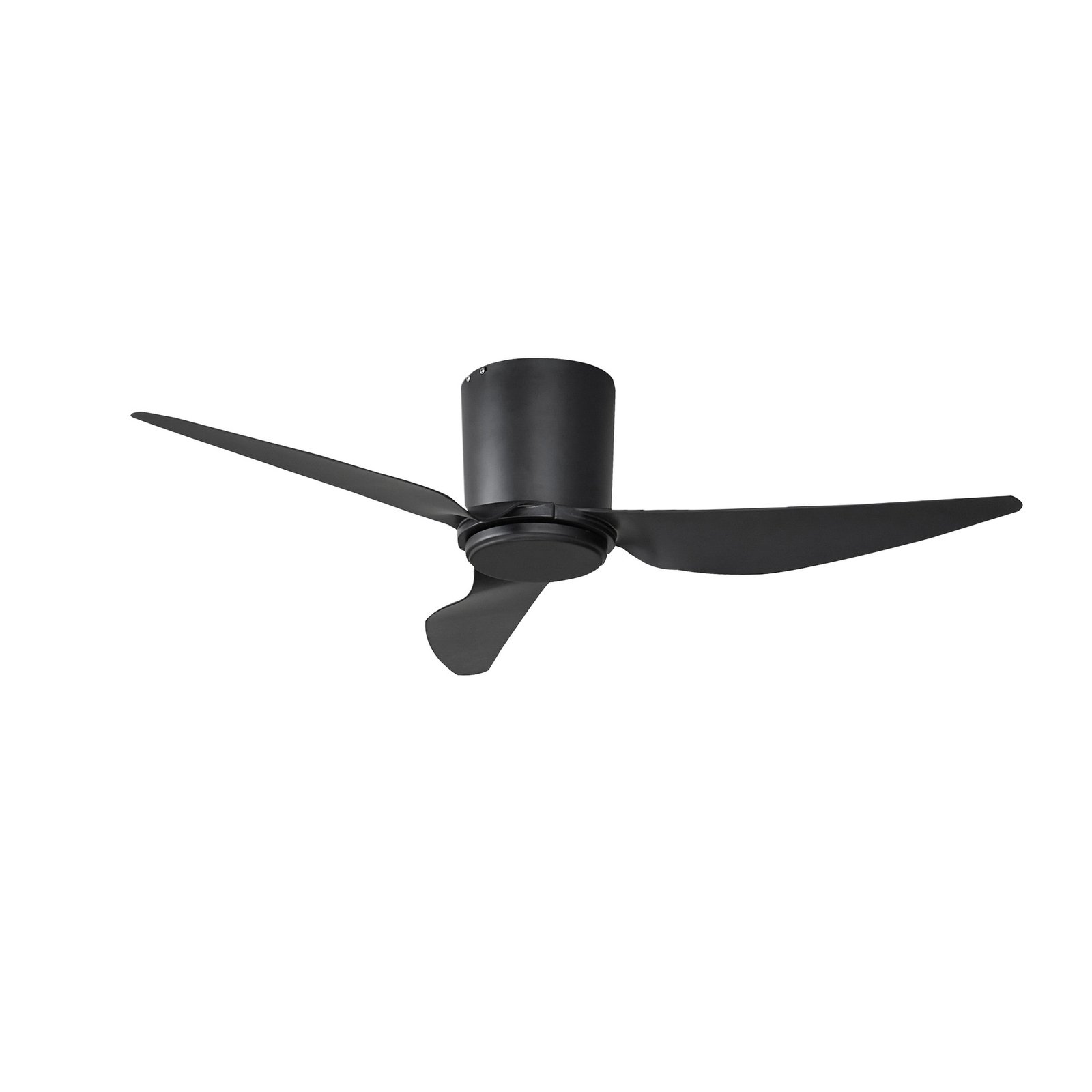
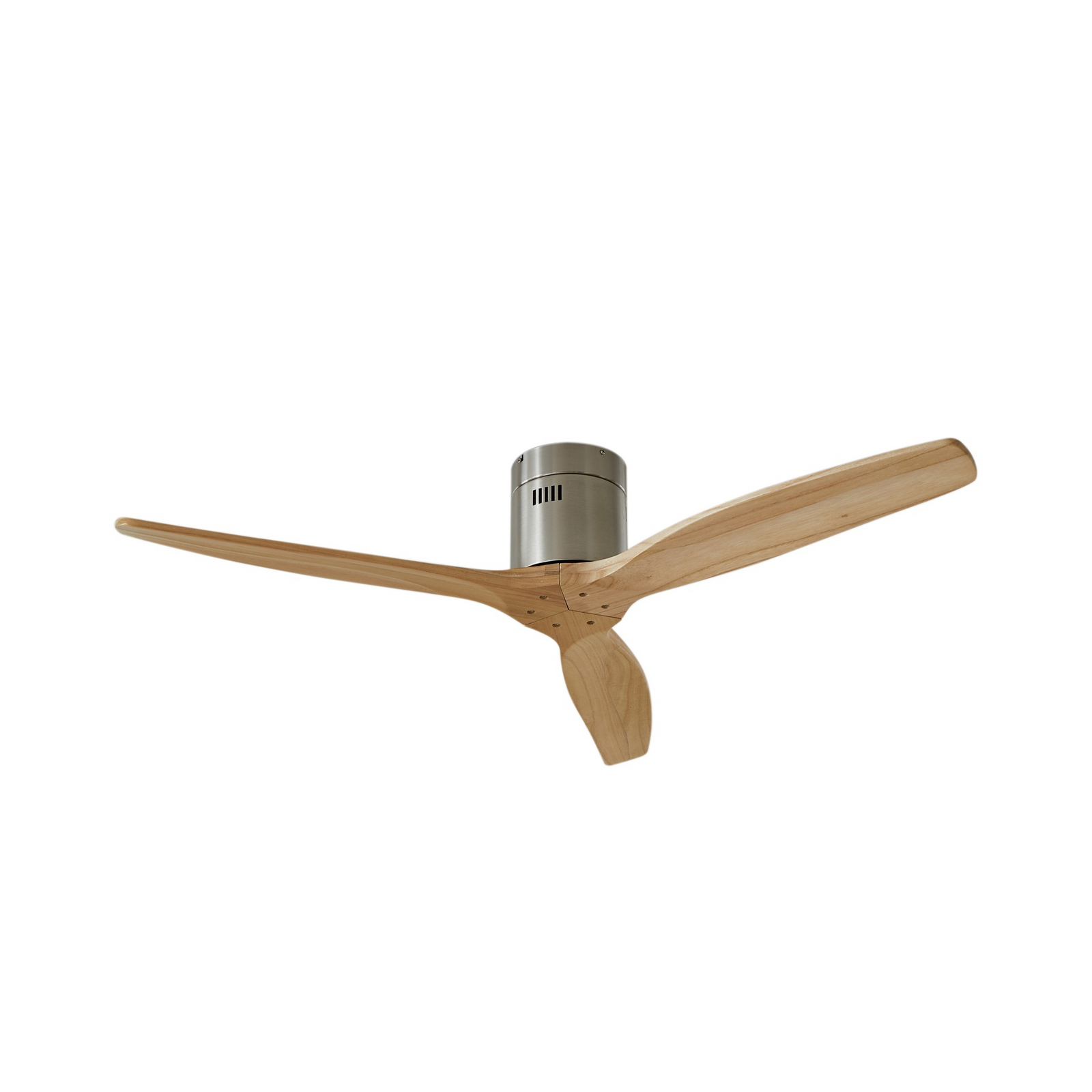
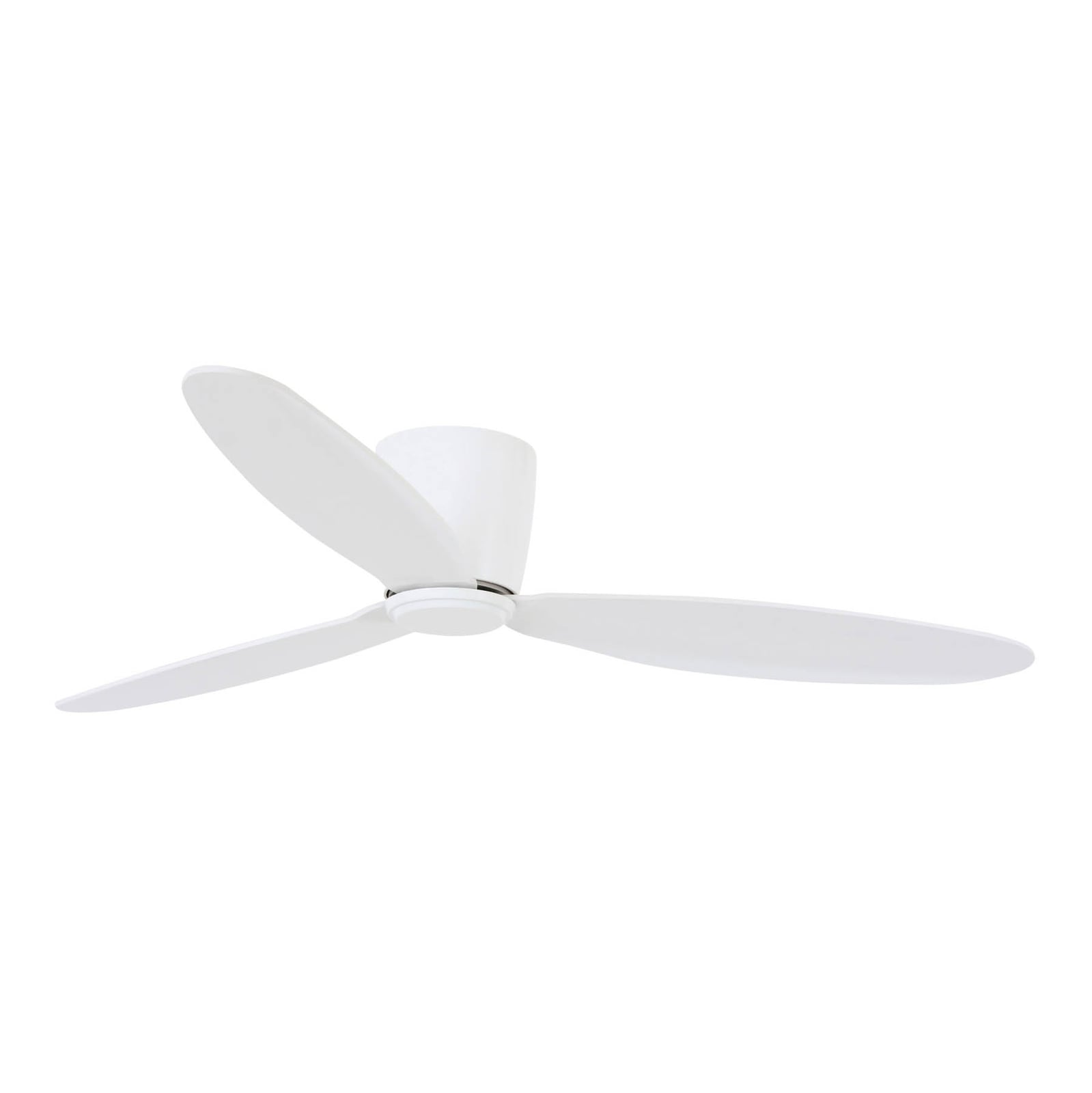
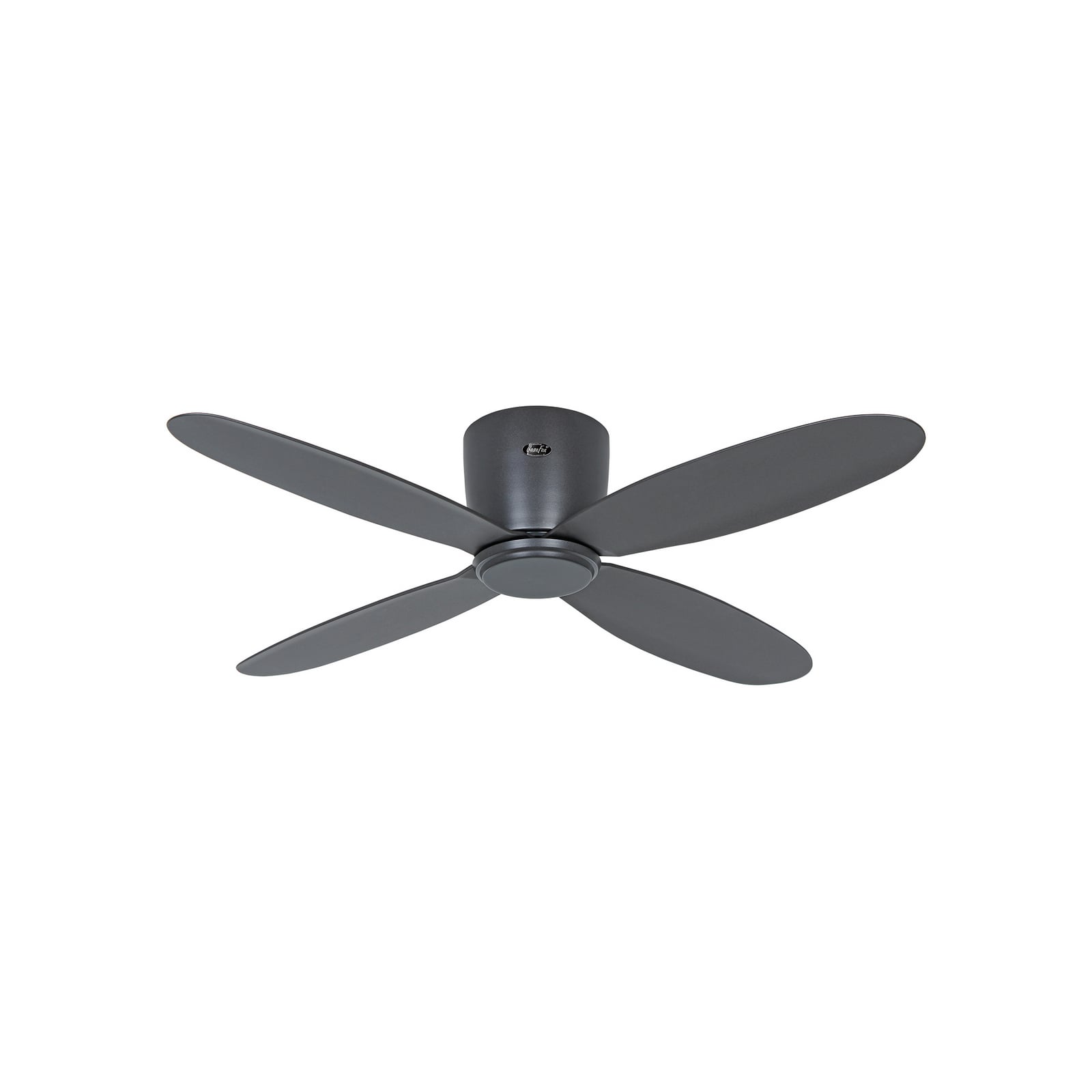
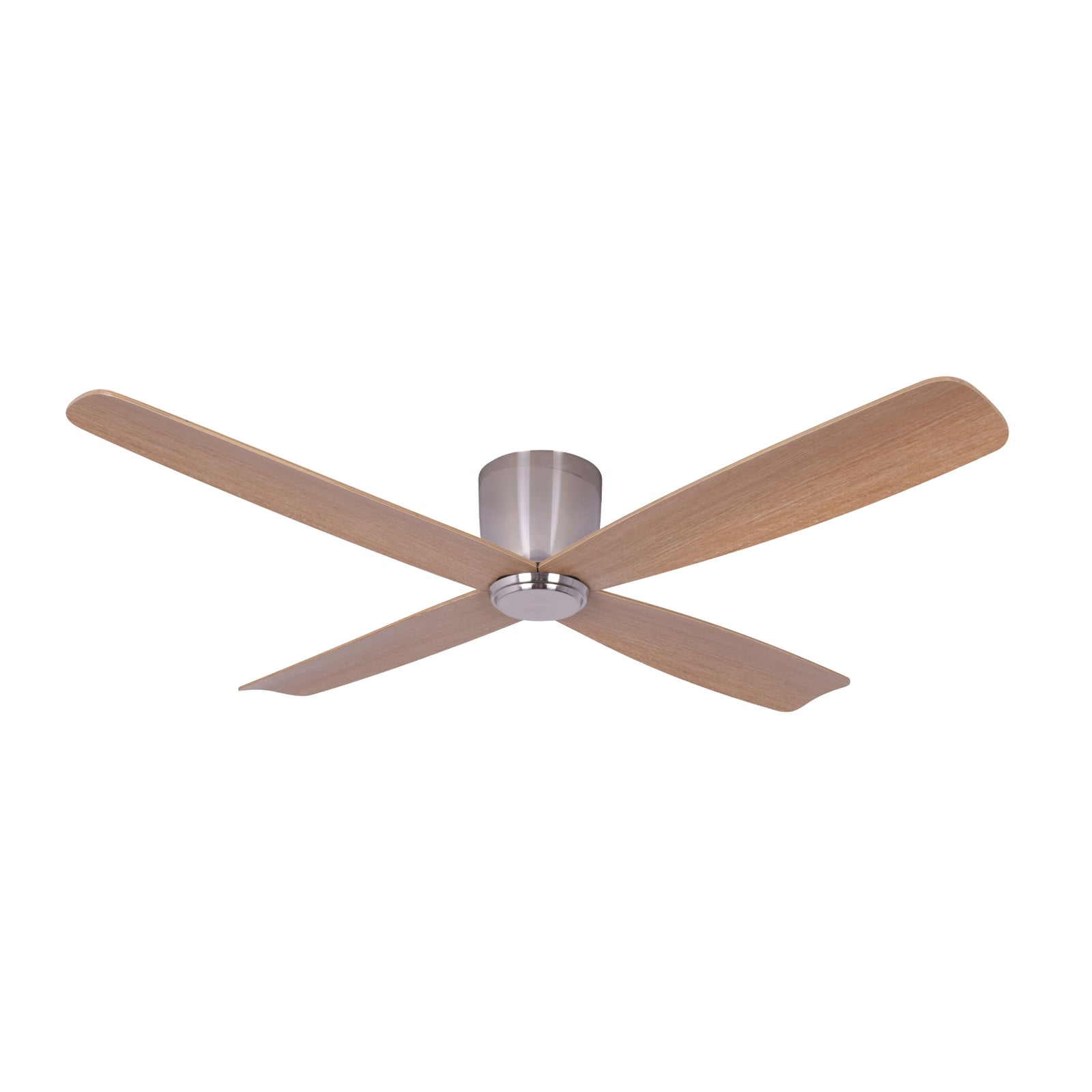
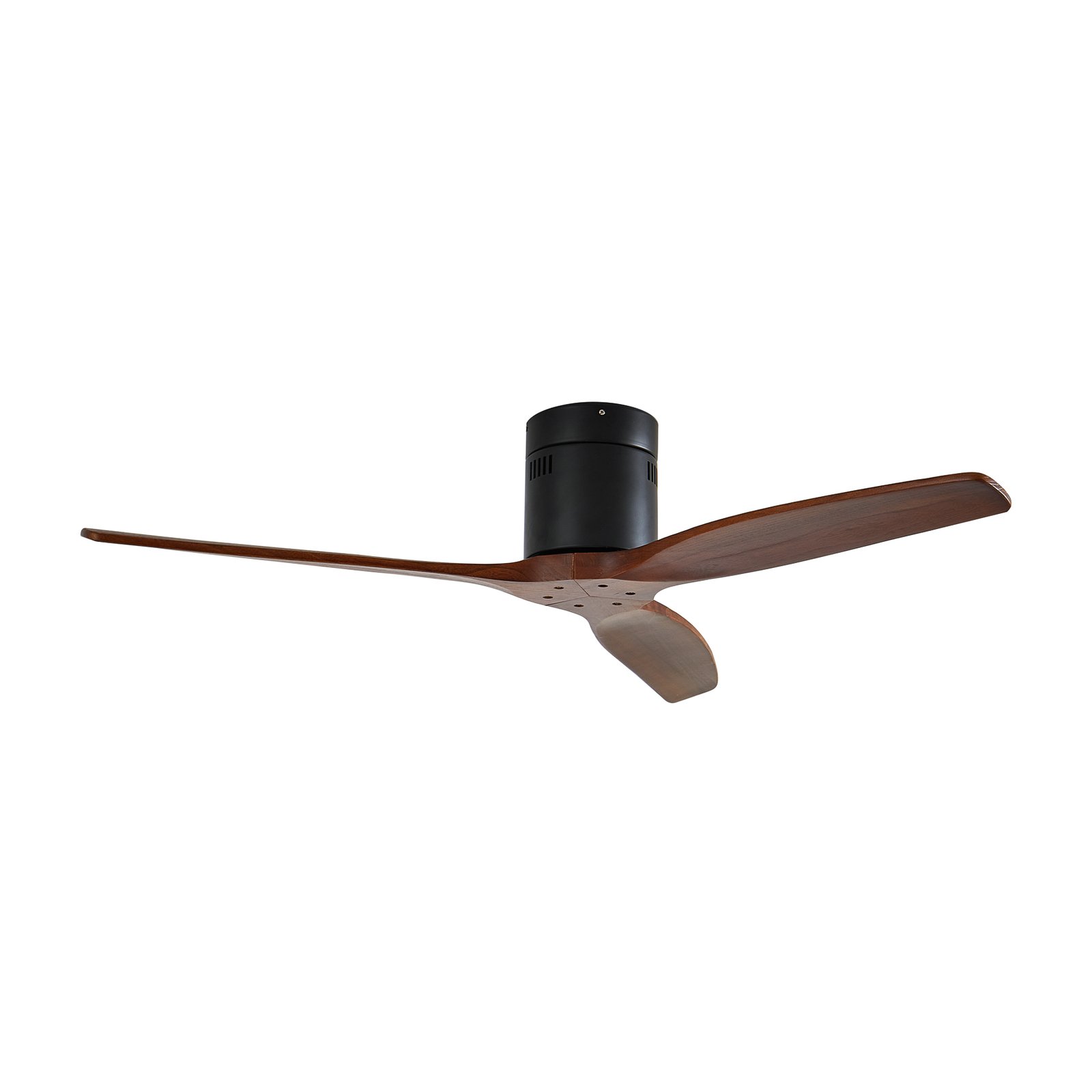
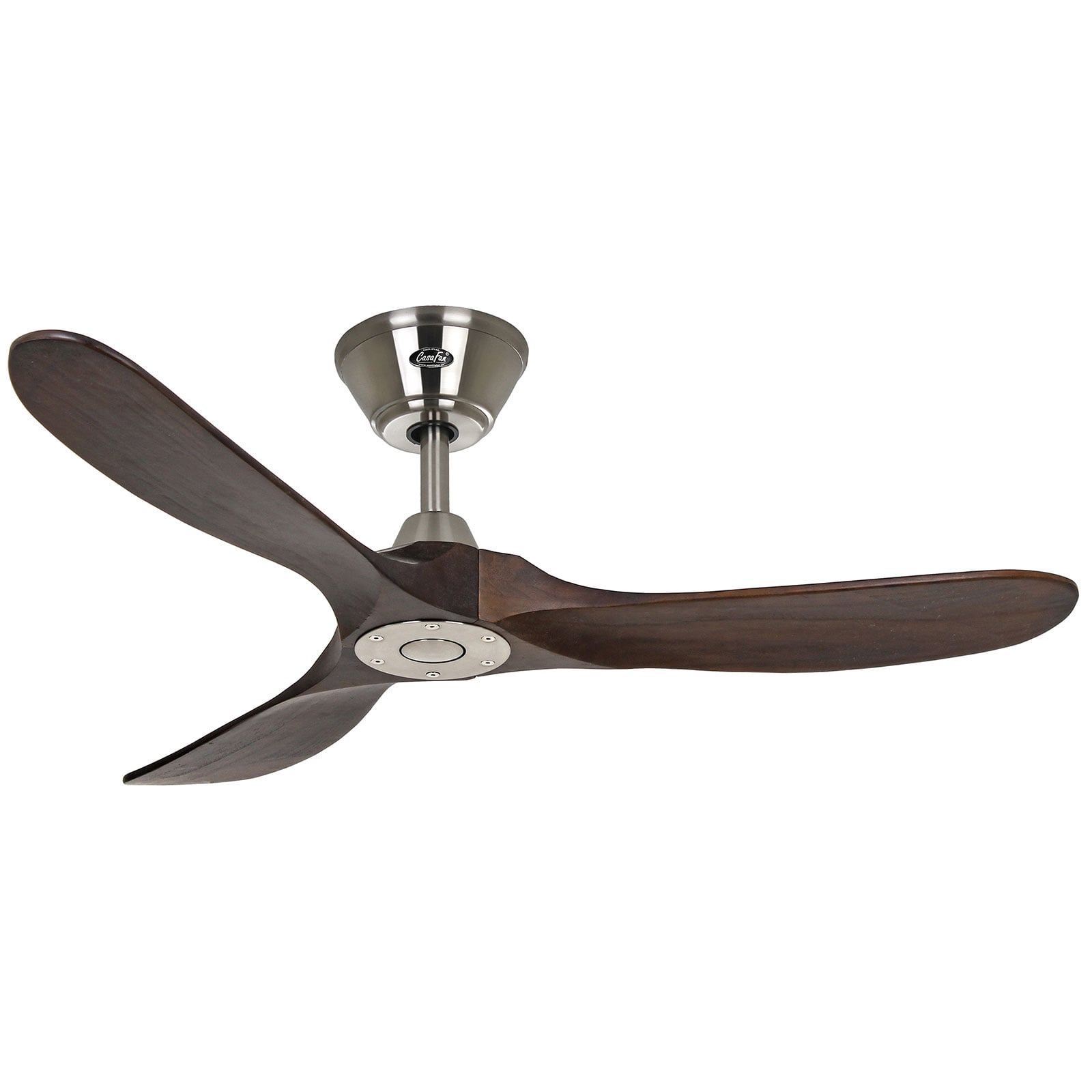
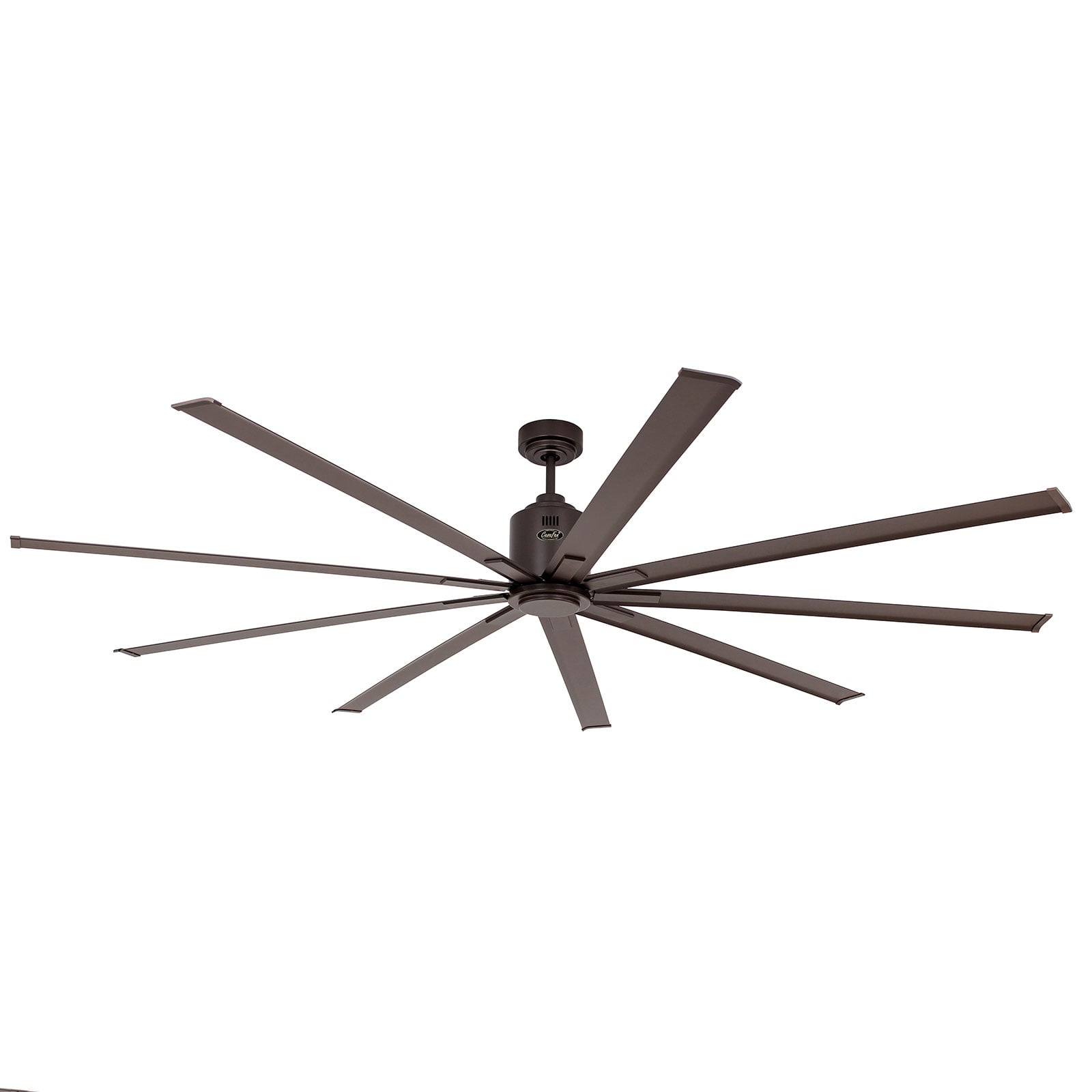
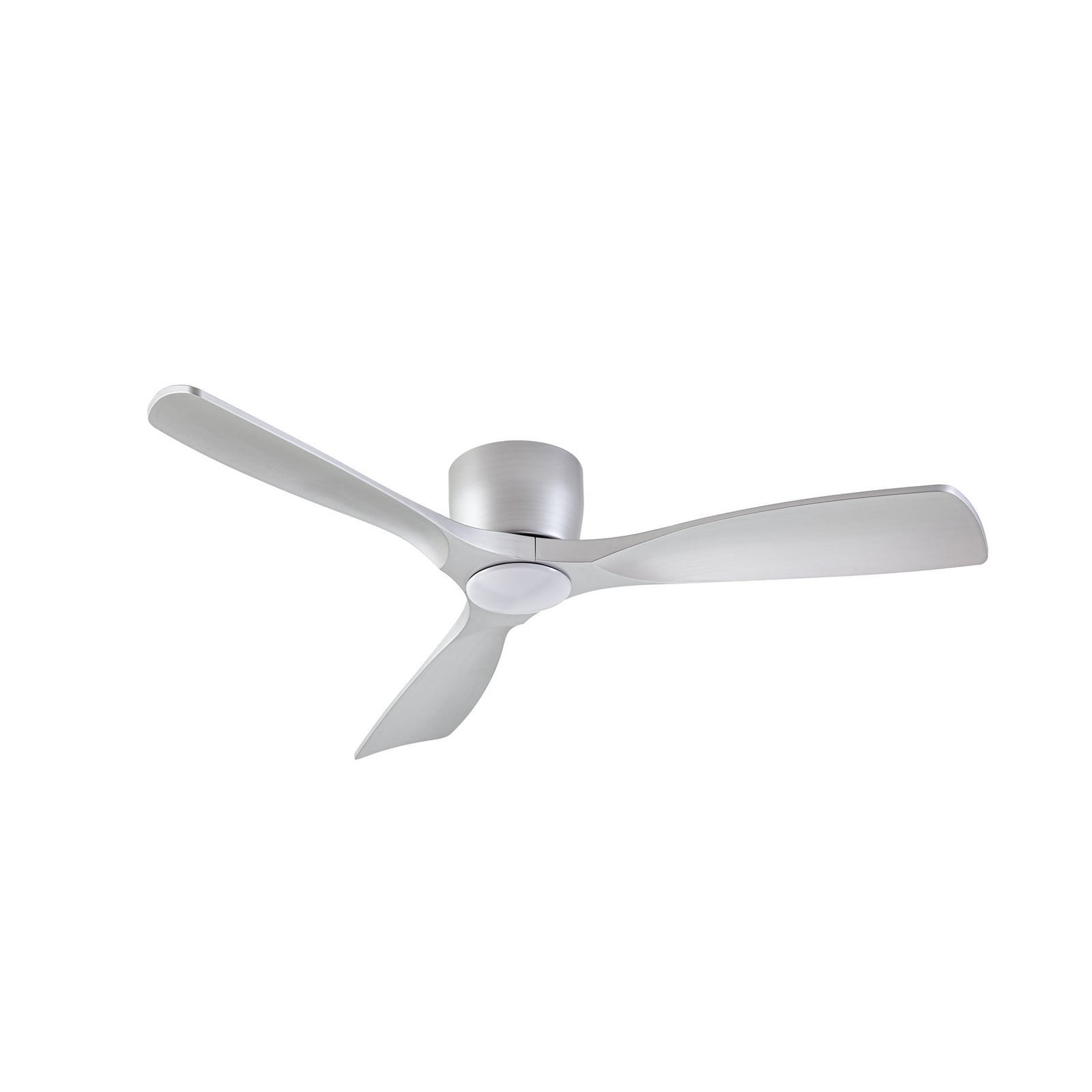
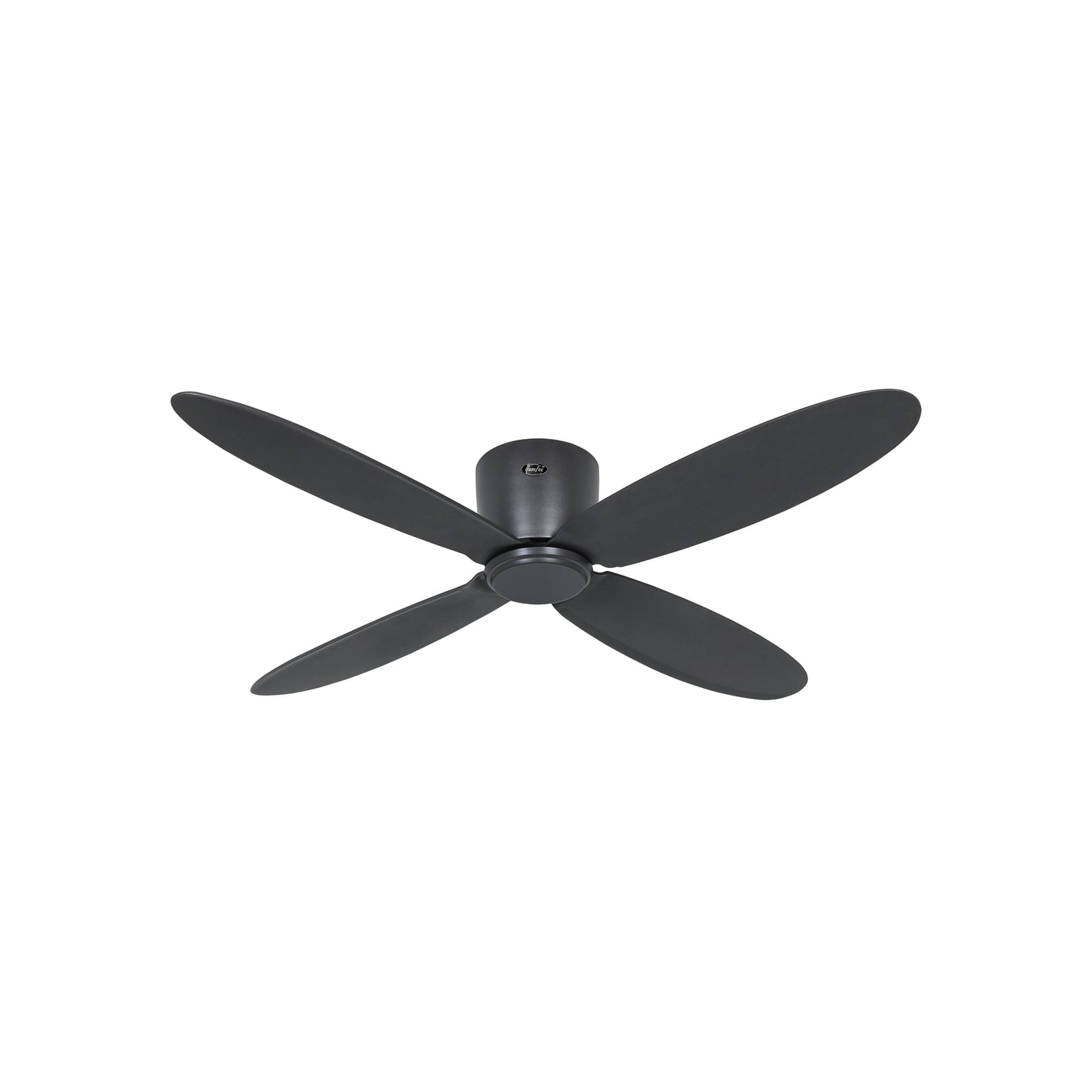
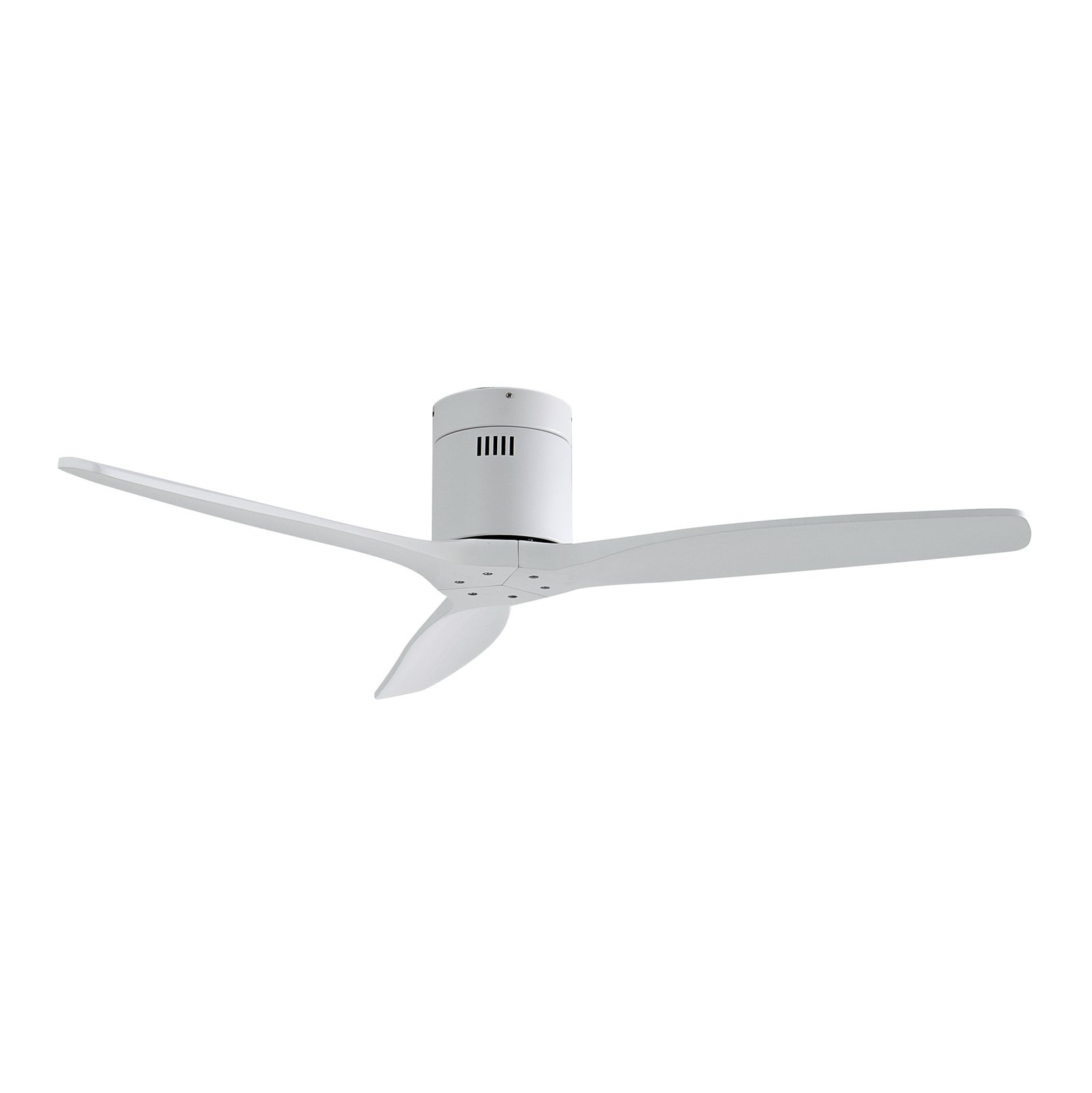
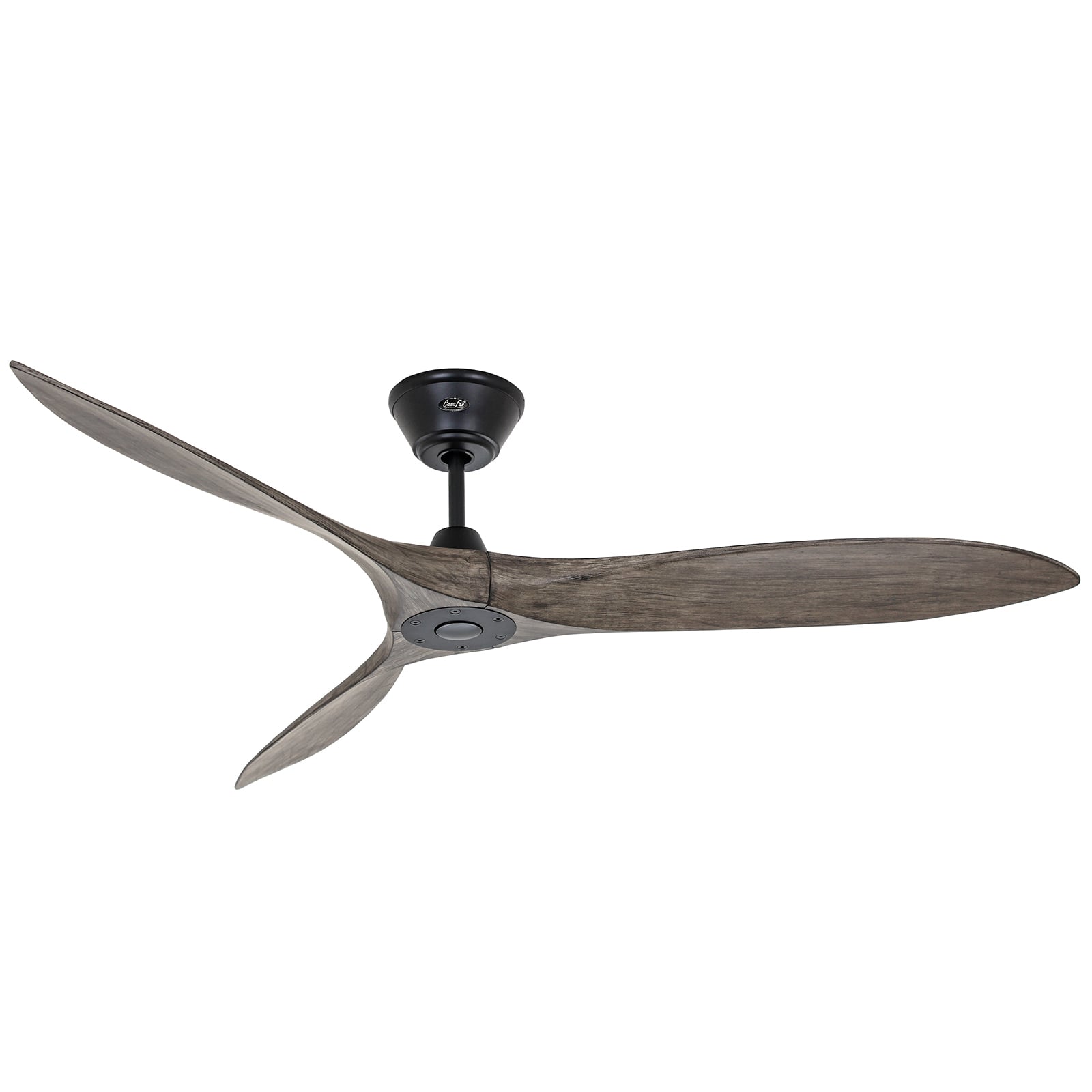
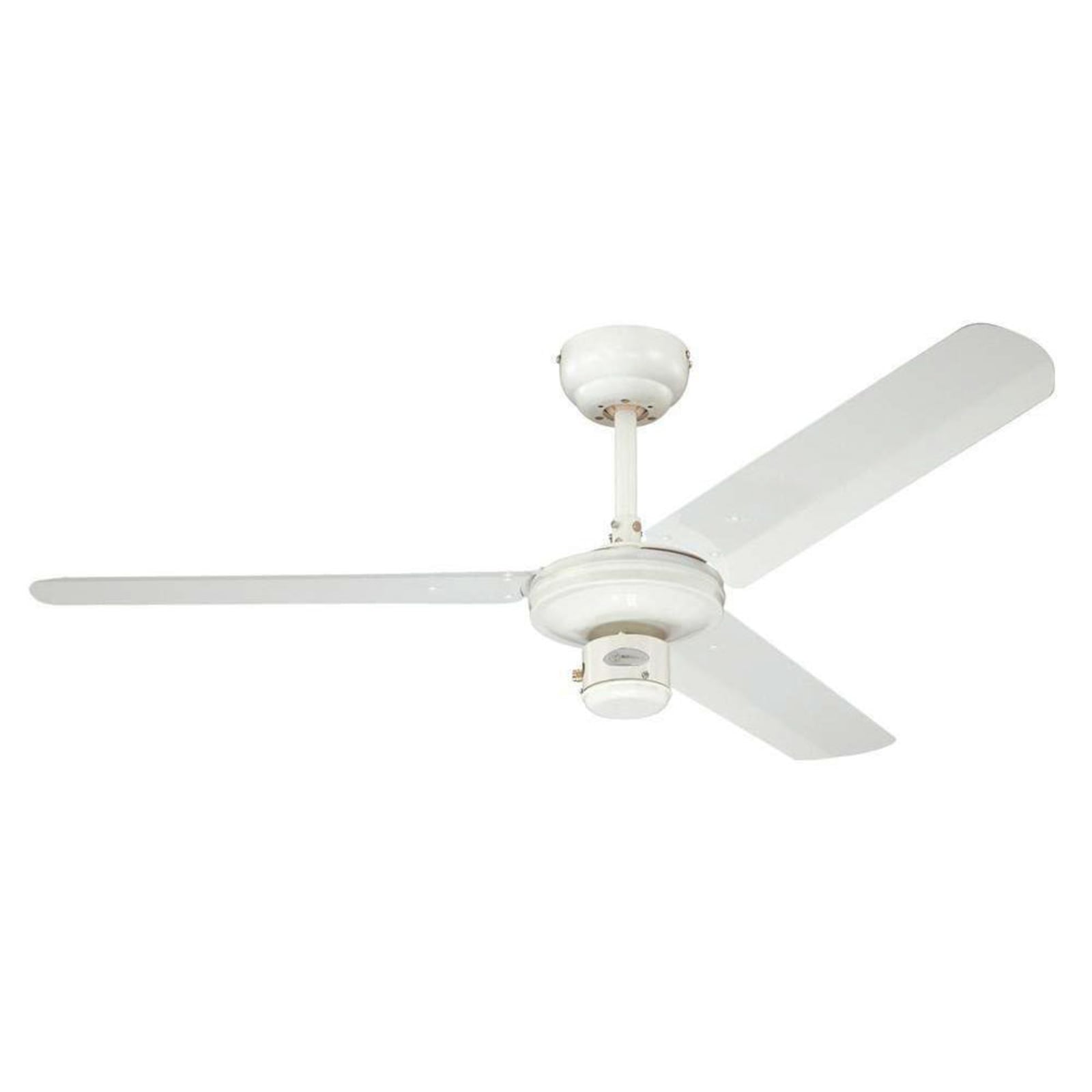
A ceiling fan without light is suitable for rooms in which the lighting has already been deliberately planned. If pendant lights, wall lights or table lamps characterise the room, a model without an integrated light blends into the overall picture in a particularly restrained way. This keeps the ceiling quiet, while the fan ensures pleasant air movement.
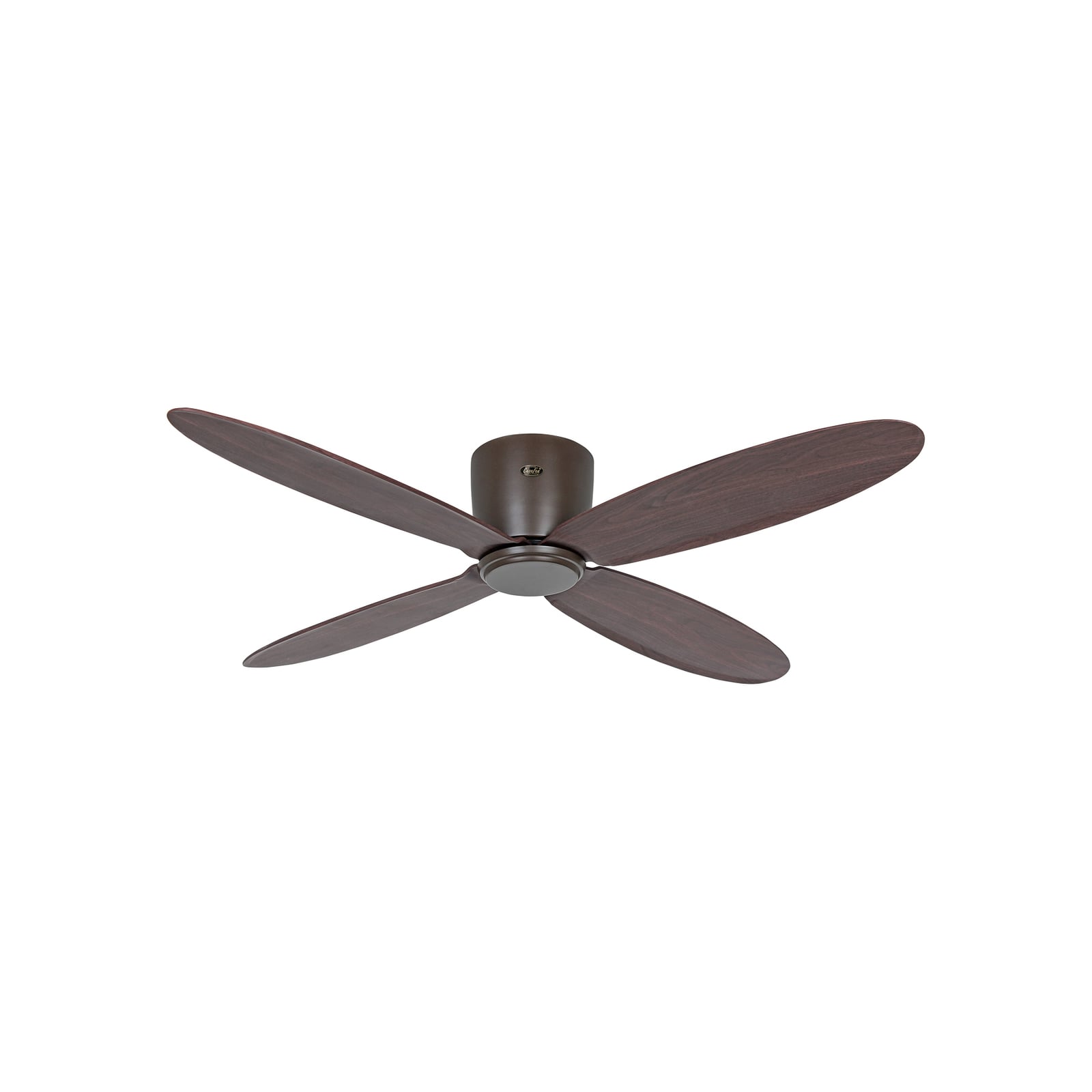
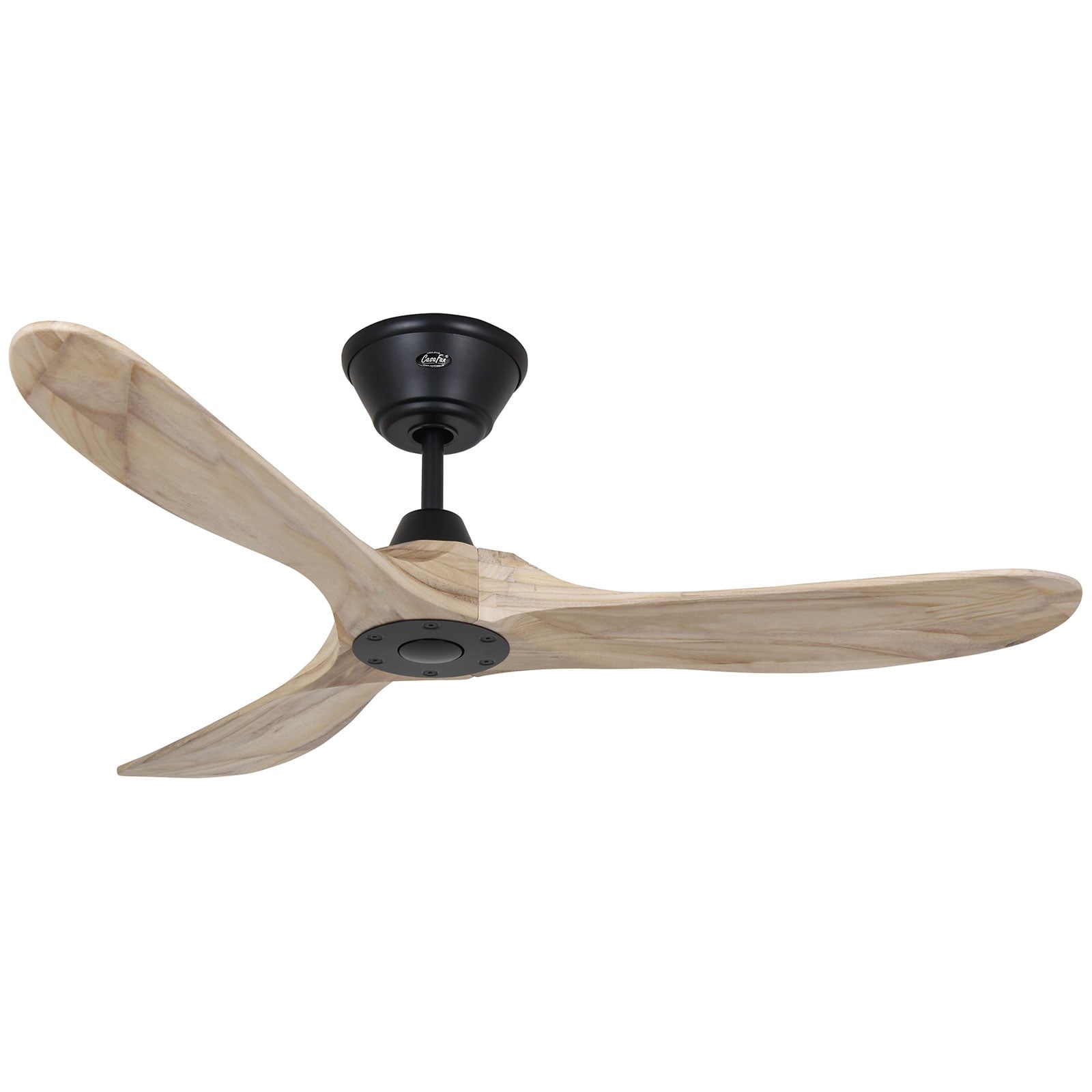
This solution looks particularly harmonious in the bedroom or in modern living areas because function and design remain clearly separated. Models with a clear design language and restrained materiality go well with high-quality furnishing concepts. Even in rooms with existing ceiling or accent lighting, a ceiling fan without light can be the right choice if comfort and a minimalist appearance are equally important.
Design and materials for the right spatial effect
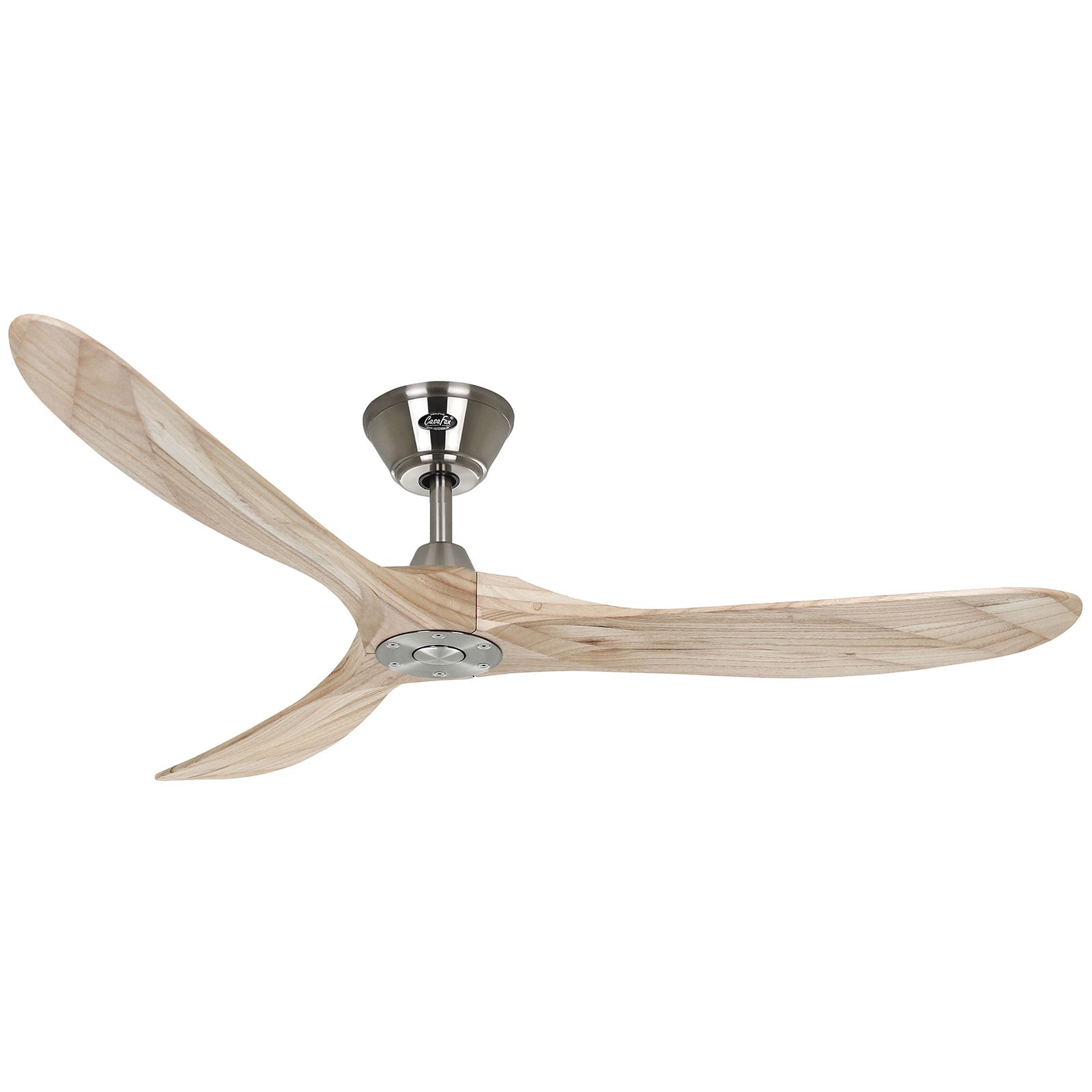
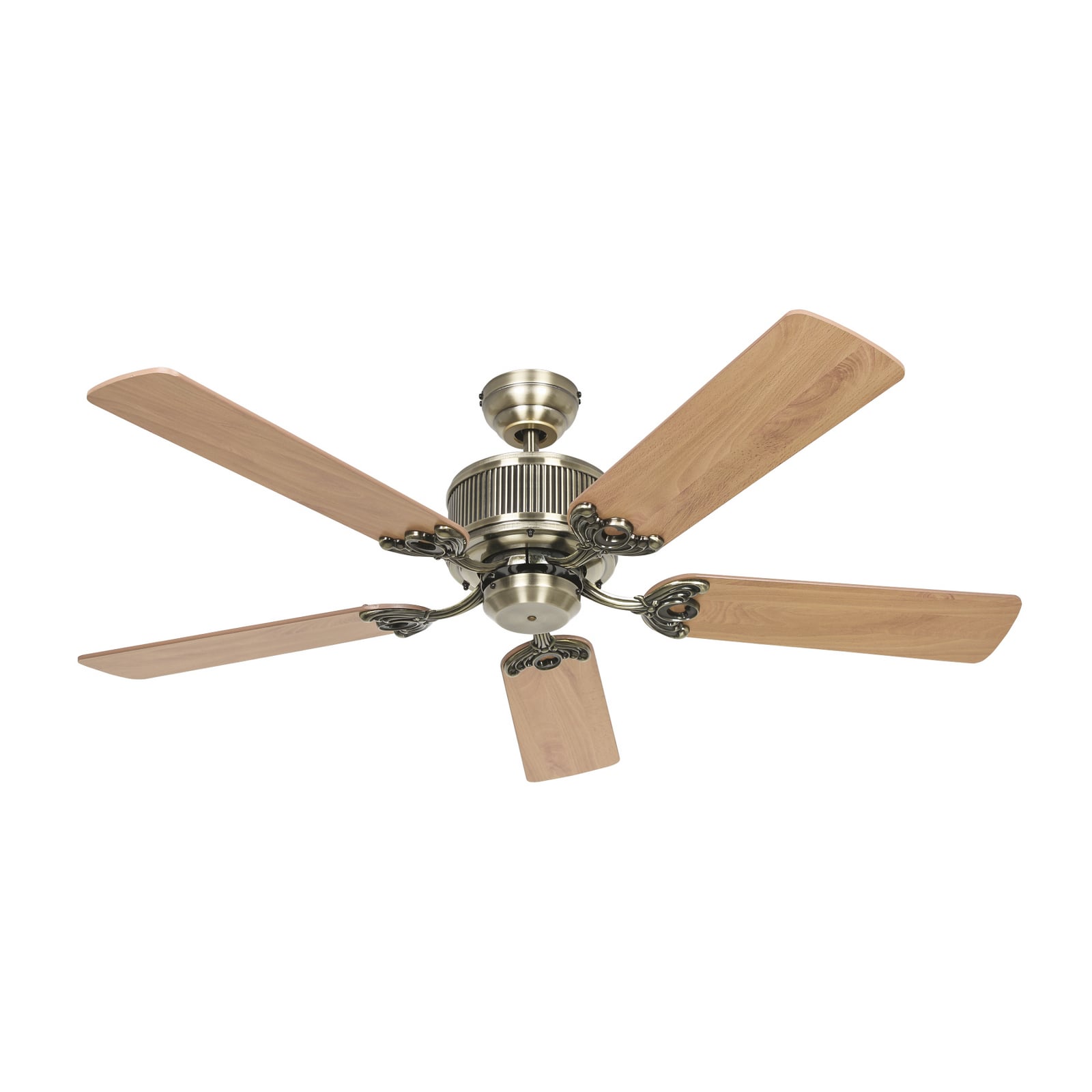
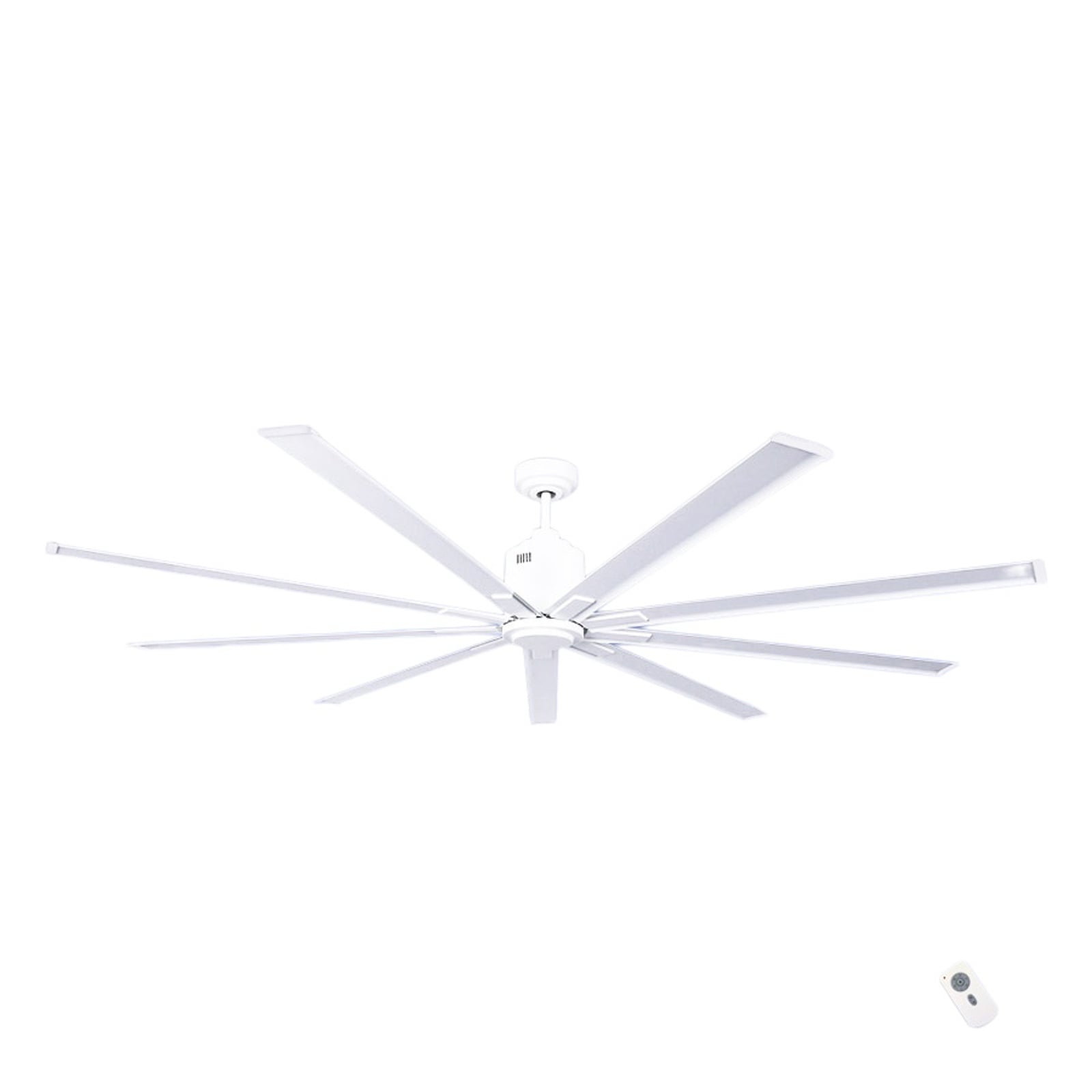
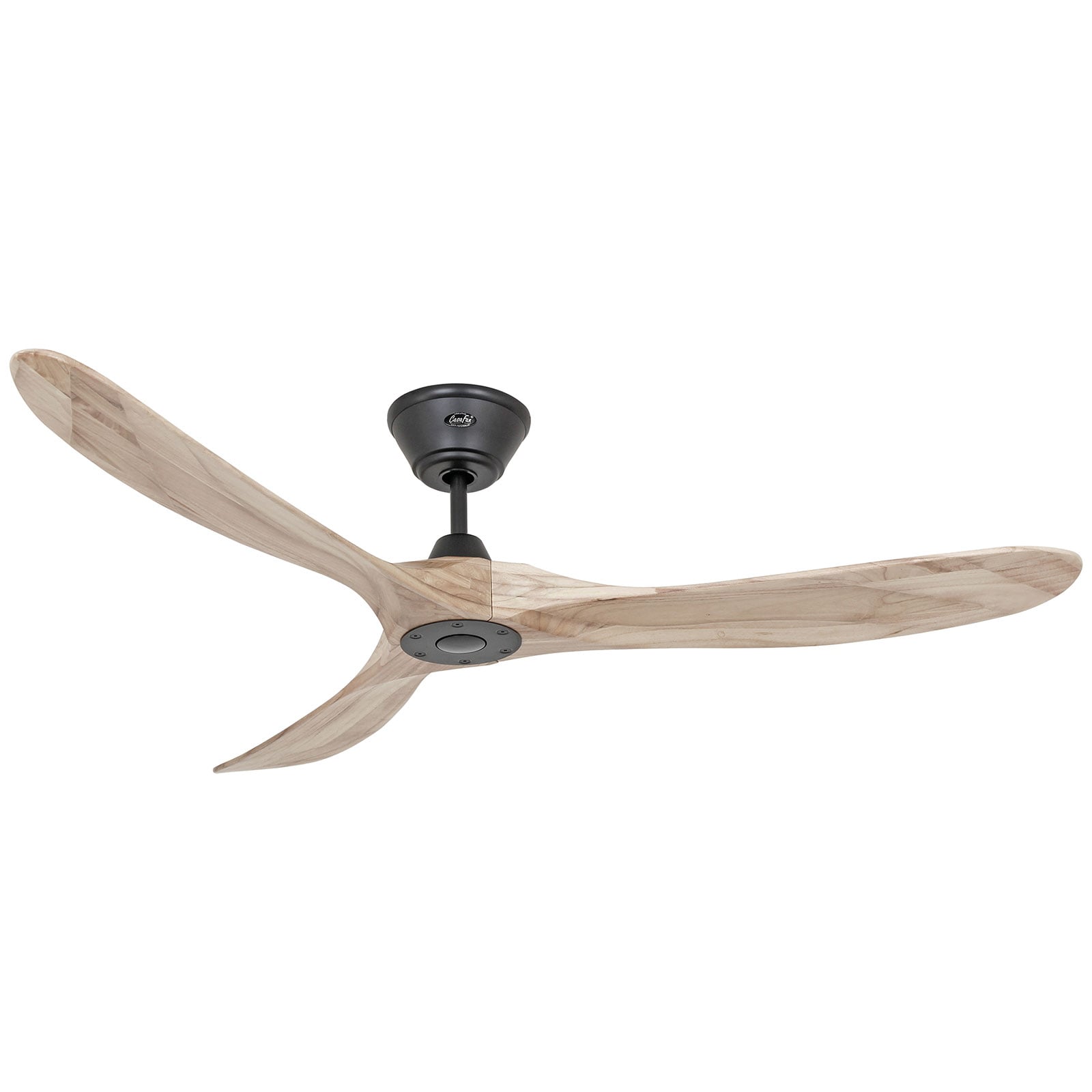
The design impression of a ceiling fan is created primarily by its shape, diameter and the relationship between the motor, blades and ceiling. In modern interiors, models with clearly contoured sashes often appear calmer than versions with lots of decorative details.A designer ceiling fan blends in particularly naturally when its lines reflect the style of the room, for example in a functional environment with minimalist furniture or in a softly furnished room with natural transitions.
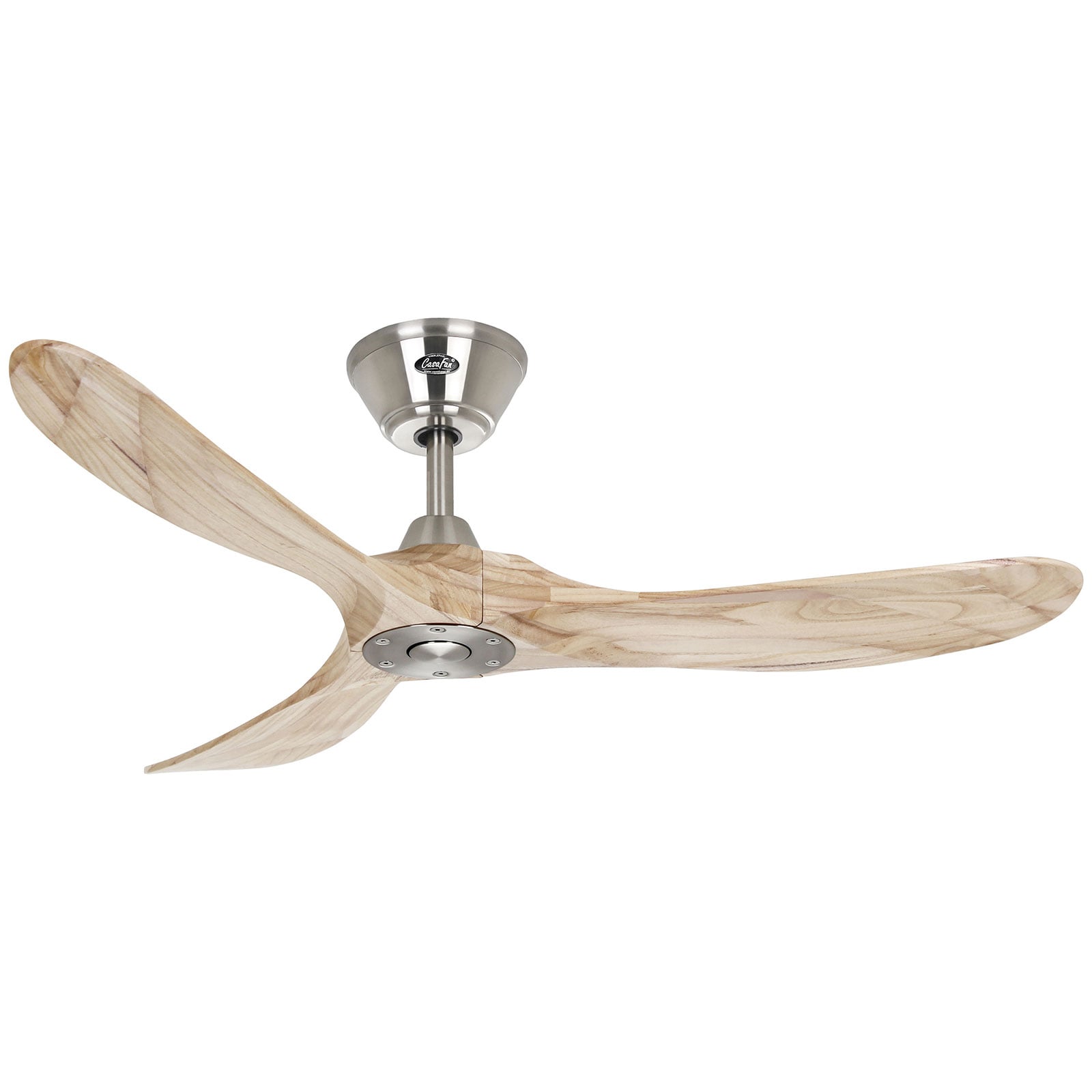
The choice of materials also clearly characterises the design. Wood usually appears warmer and more homely, while aluminium or metal appear more precise and graphic. Plastic can look very restrained in a modern design if the surface and colouring are cleanly finished. The decisive factor is not just the individual material, but its relationship to the space. A high-quality ceiling fan with clear blades and a balanced height can have a different effect in a bedroom than in an open-plan living area with a high ceiling. Models in which the dimensions, material and spatial effect are harmonised are therefore particularly convincing.
Convenient control with remote control
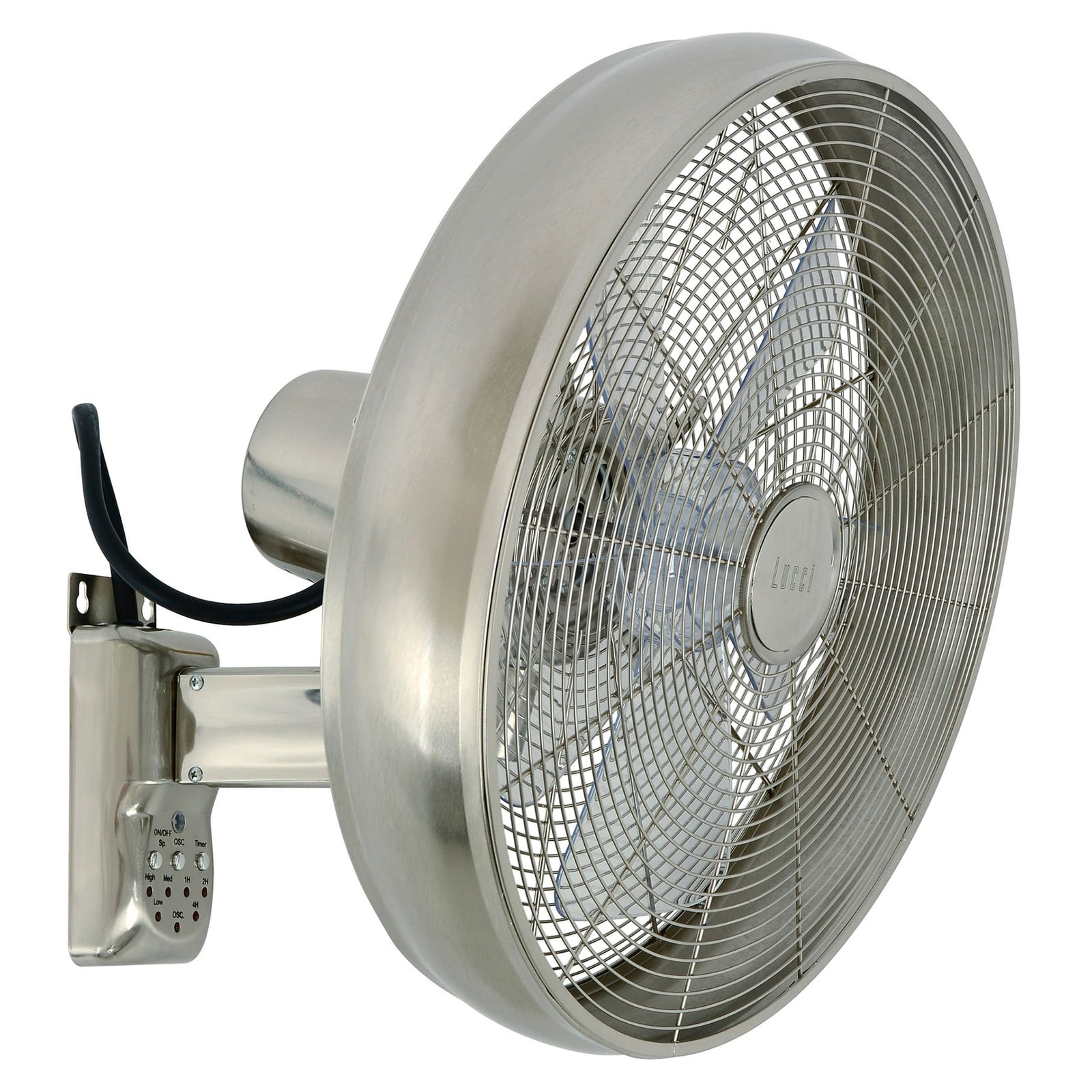
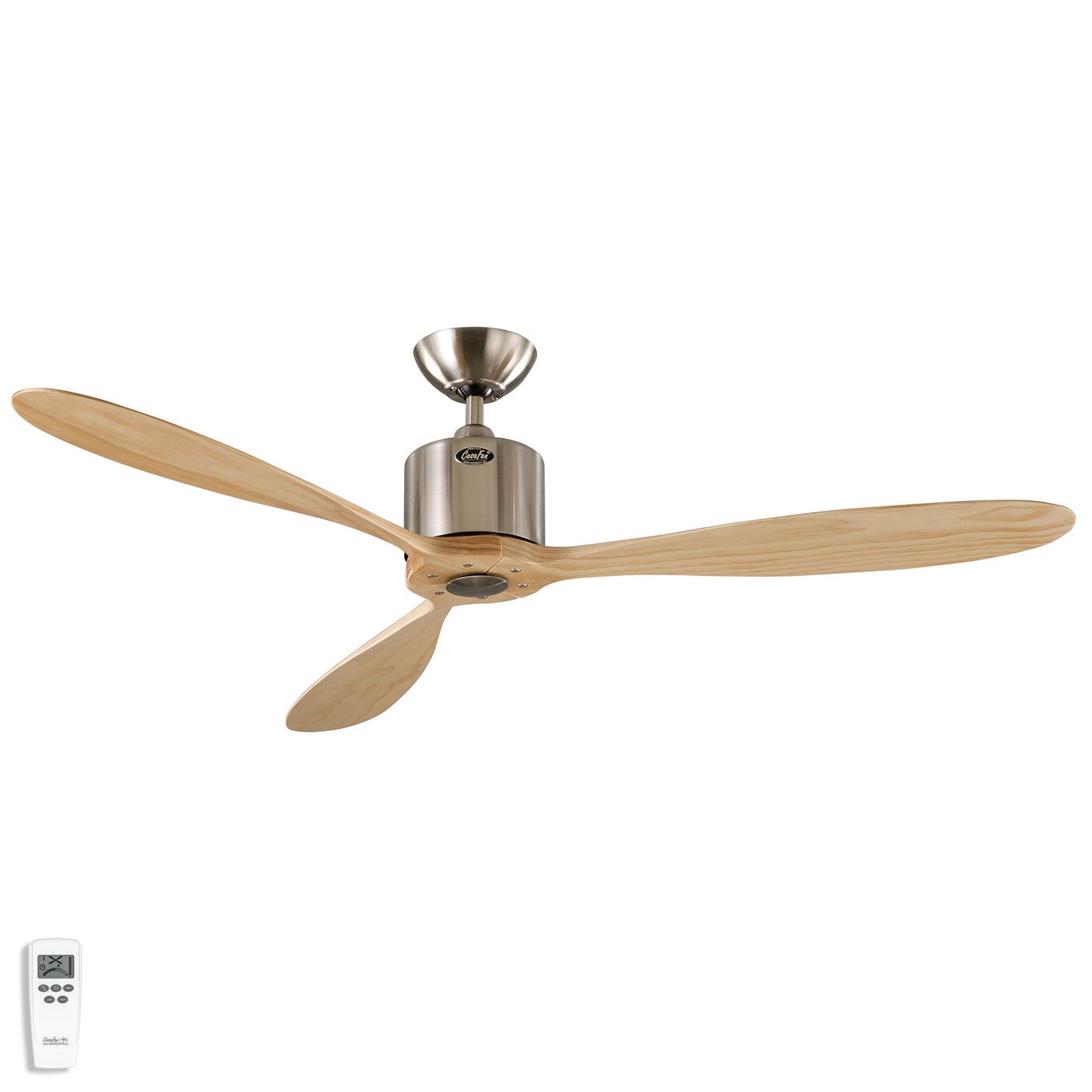
Ceiling fans with remote control are particularly practical wherever air circulation needs to be controlled flexibly. On models with light, the lighting can also be conveniently adjusted. Their advantage in everyday use is not so much their eye-catching additional functions as their simple, convenient operation. In the bedroom, the speed can be conveniently adjusted from the bed, while in the living room the light can be dimmed to create the right atmosphere in the evening. This allows air movement and, depending on the model, lighting to be conveniently integrated into everyday life.
The remote control is also becoming increasingly important in everyday use, as it enables customisation to different times of day. On warm summer days, a higher level ensures pleasant air movement during the day, while gentle circulation in combination with dimmed light is often sufficient in the evening.
Ceiling fans from selected design brands
© 2026 Lampemesteren GmbH