- High satisfaction on Trustpilot
- Authorised retailer
- 100+ designer brands

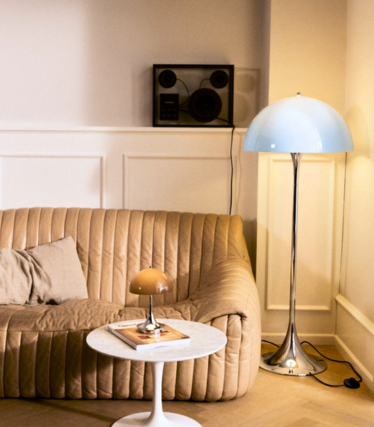
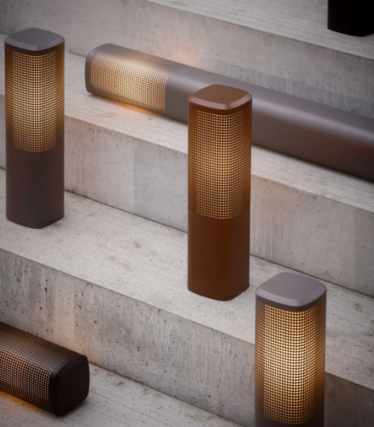
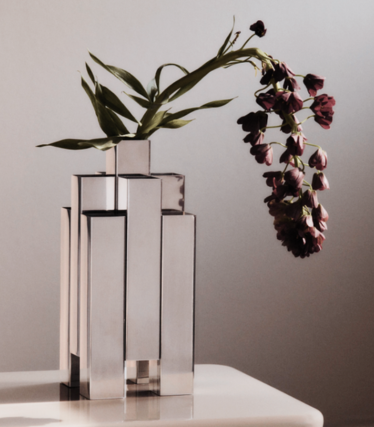
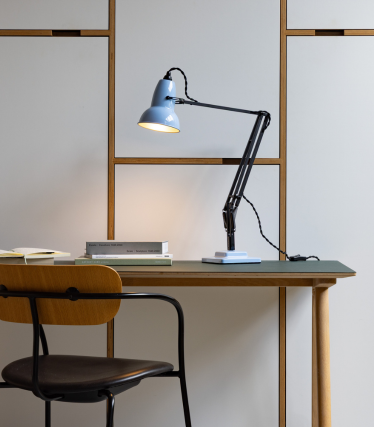















Share your pictures with @lampemesteren
Inspire and let yourself be inspired, from one unique home to another. Tag your pictures with #yesLampemesteren and you might see your home here!
Ceiling-mounted floodlights for indirect lighting in quiet living areas
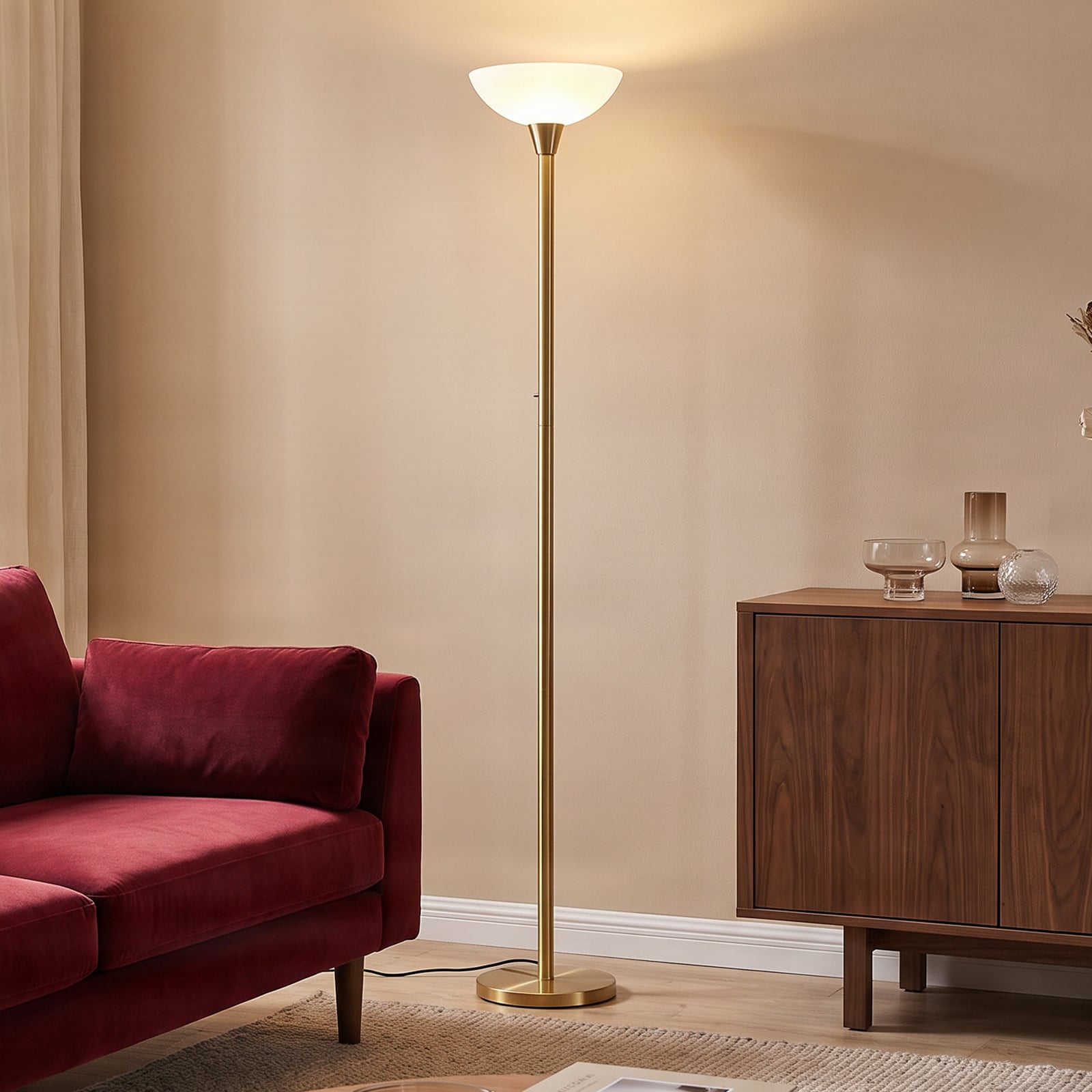
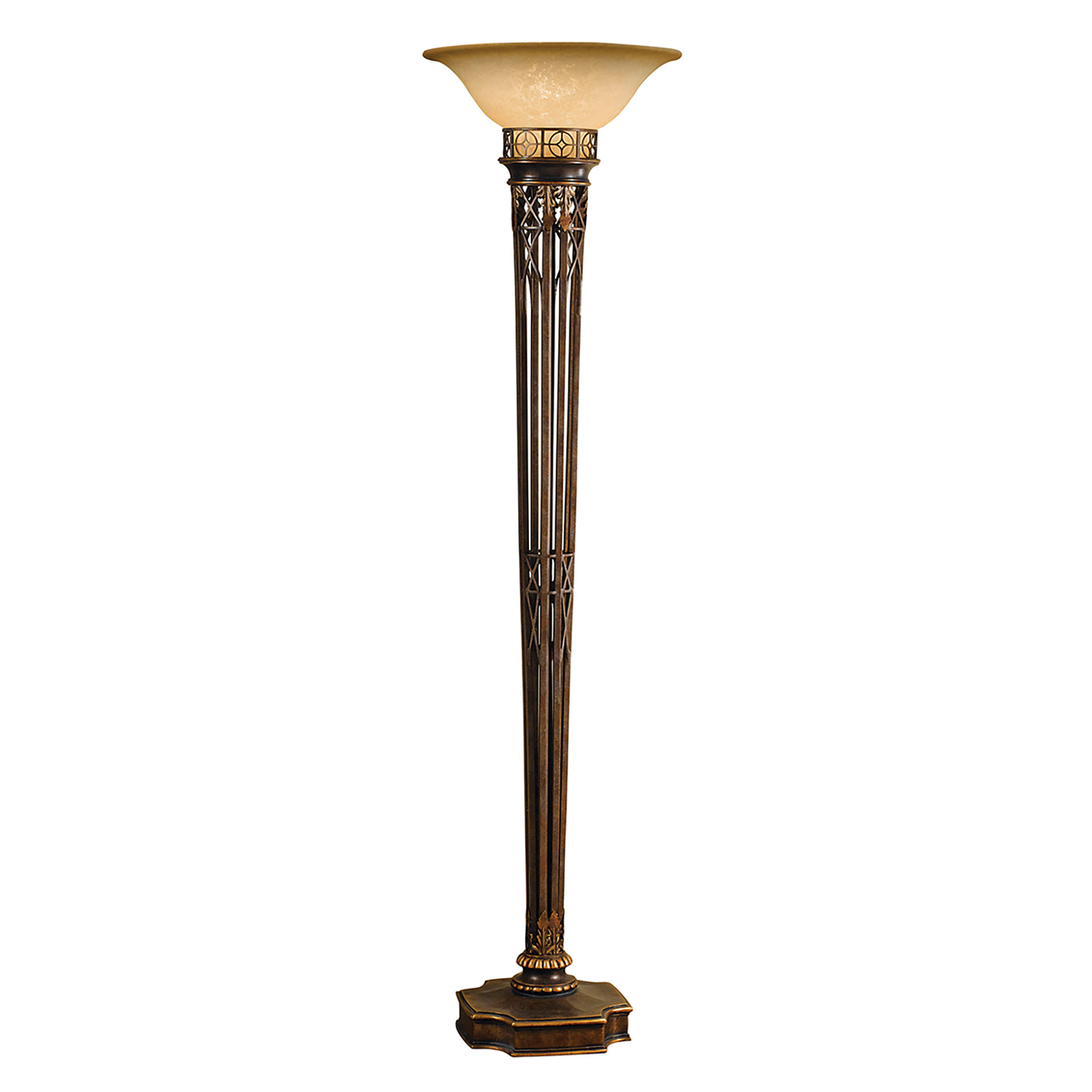
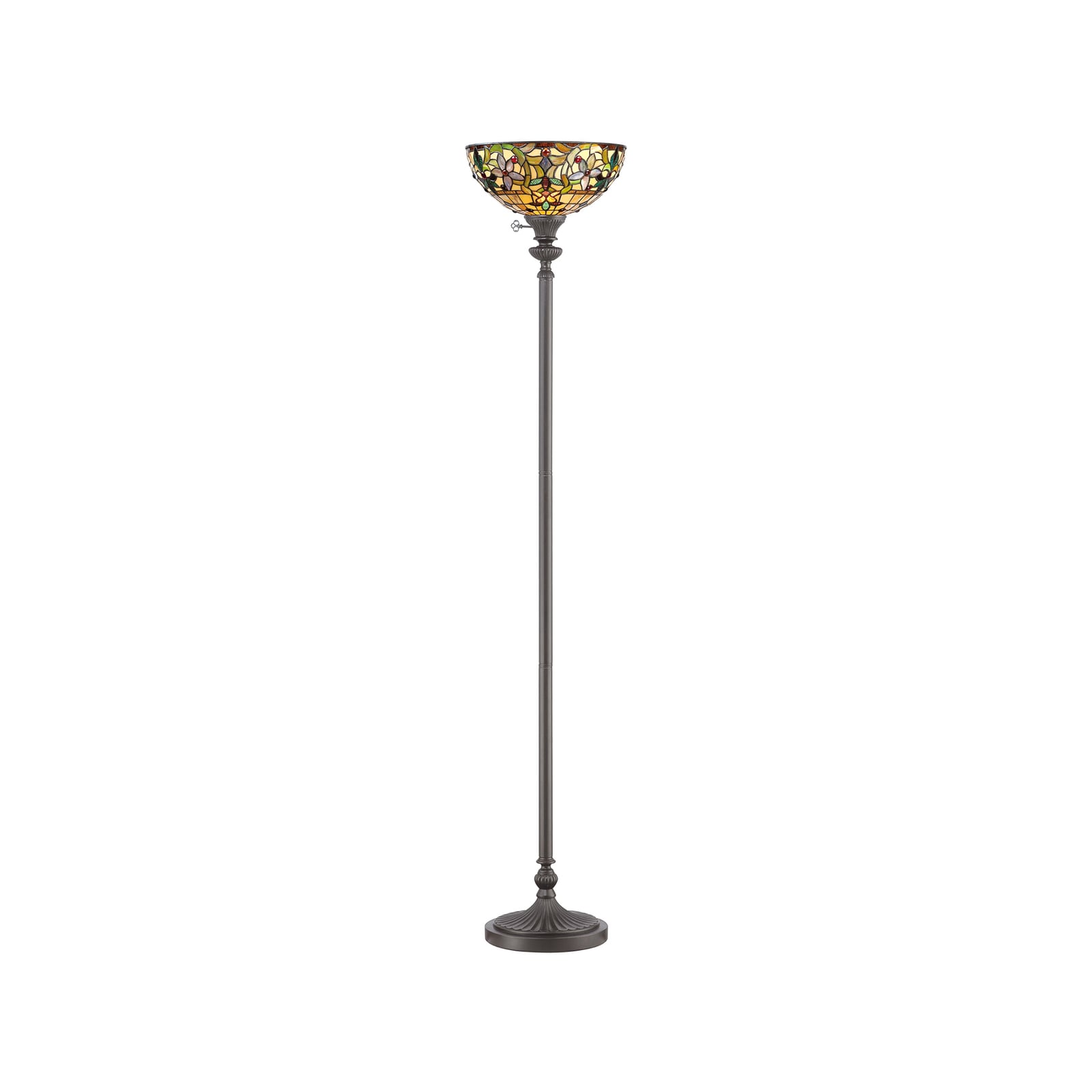
Ceiling-mounted downlights are suitable for living spaces where an even, indirect brightness is desired, without the light source itself taking centre stage. Table lamps or pendant lights often look too obtrusive here. The light directed upwards is diffused across the ceiling and walls, creating a soft glow. As a result, these lights are particularly well suited to sophisticated living spaces with clean lines, carefully chosen materials and an understated look.
Ceiling lights in the living room: shape, proportion and stylistic effect
Positioning ceiling lights correctly in the living room and dining room
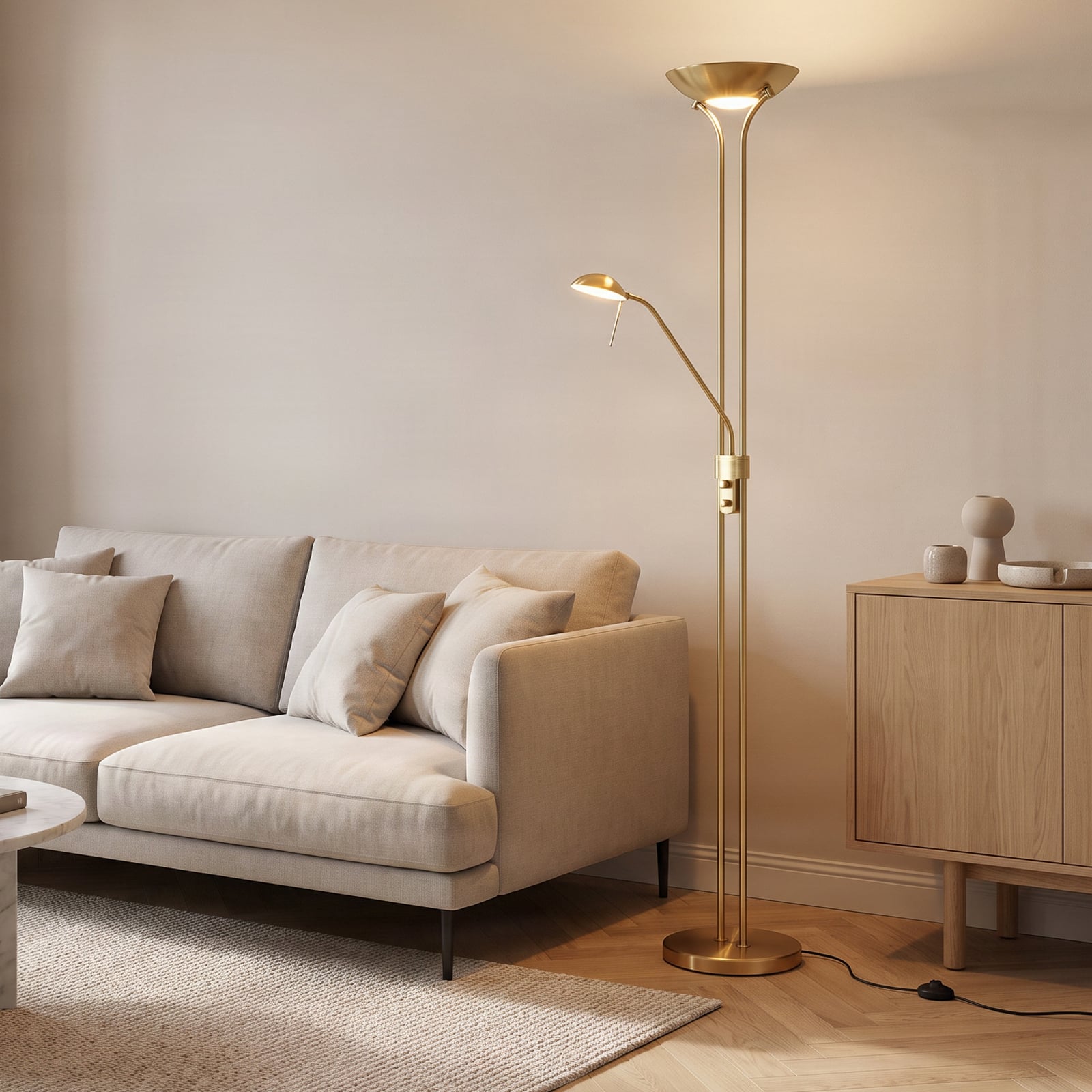
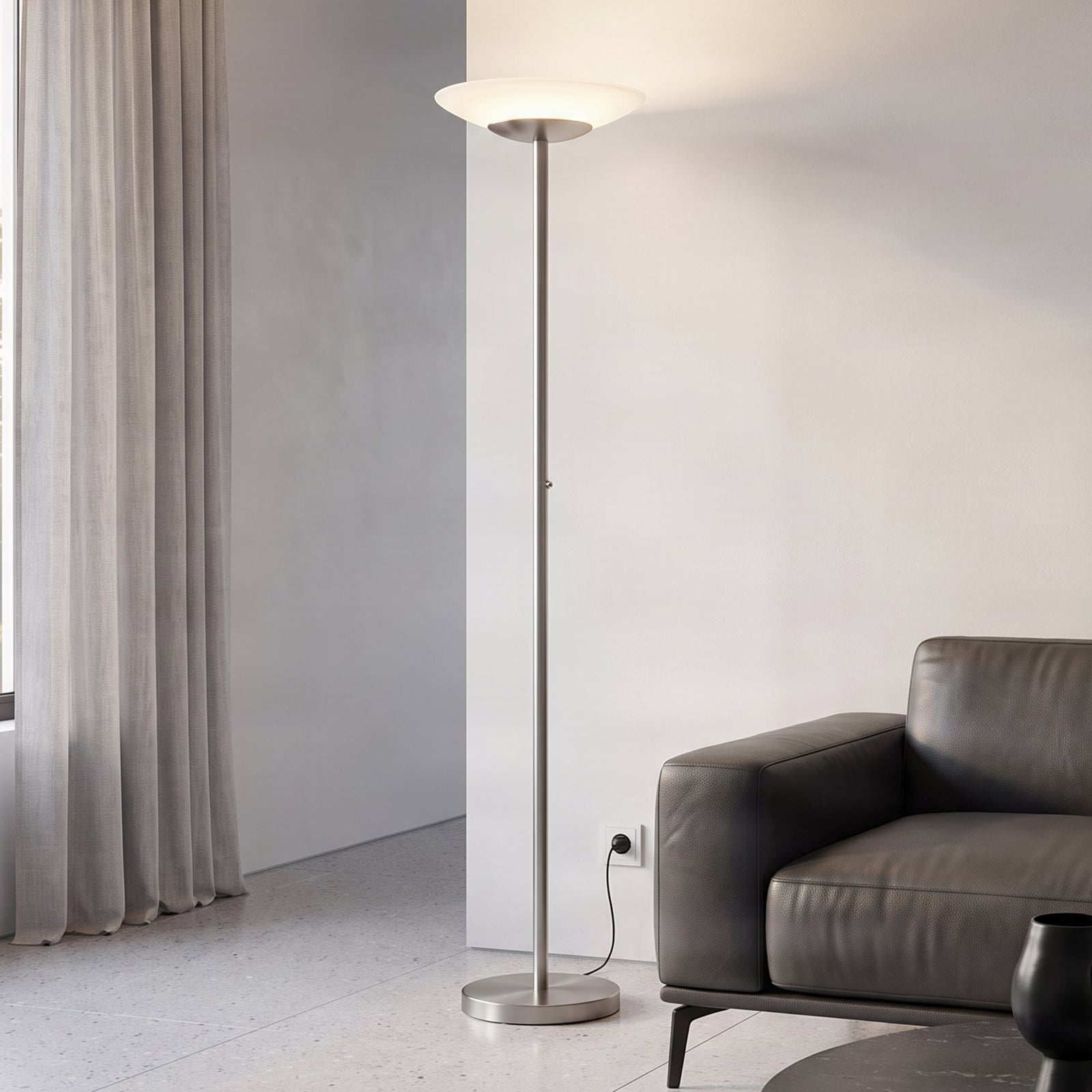
In the living room, a model of this kind usually provides general ambient lighting with a subtle effect. It is particularly useful when the light needs to be diffused widely and the room does not require a central ceiling light. Placed next to a sofa or slightly offset from an open-plan seating area, it ensures even lighting without obstructing the lines of sight in the room. Warm white light creates a cosy atmosphere and makes materials such as wood and fabrics look appealing. When used as a living room light, a ceiling-to-floor lamp often creates a calmer atmosphere than floor lamps with visible shades or direct light output, as the light is reflected more strongly off the ceiling.
In the dining room, this light can be used as a supplementary light source if a pendant light above the table provides targeted lighting, but the rest of the room remains too dark. Particularly in open-plan living and dining areas, a ceiling-mounted downlight creates a soft, even ambient light that links individual lighting zones together. It is crucial that the brightness, height and proportions are in keeping with the size of the room. A lamp that is too bulky can quickly appear overpowering when placed alongside delicate furniture, whilst a slender model complements the room without overshadowing the décor.
Ceiling floodlight with reading lamp for different lighting zones
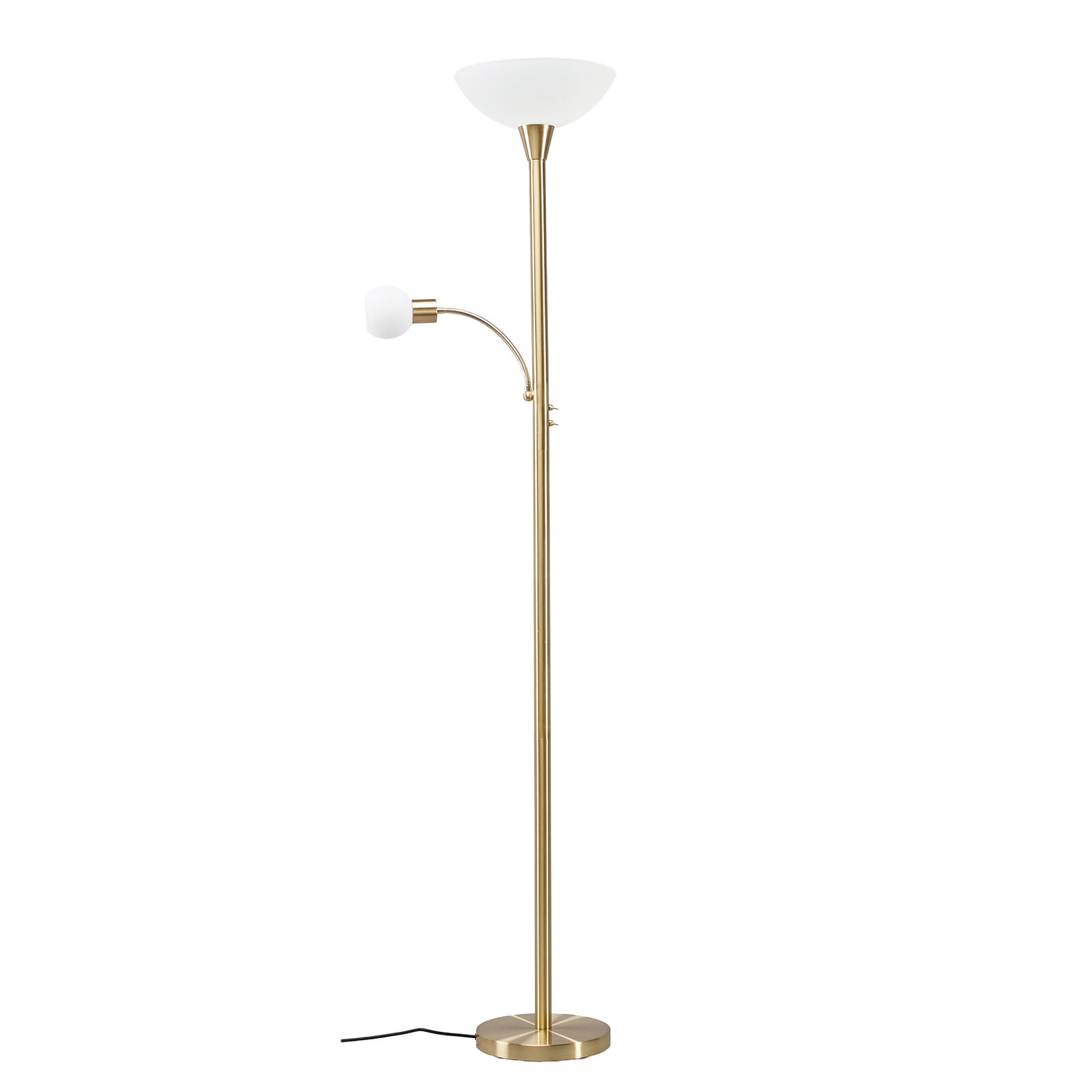
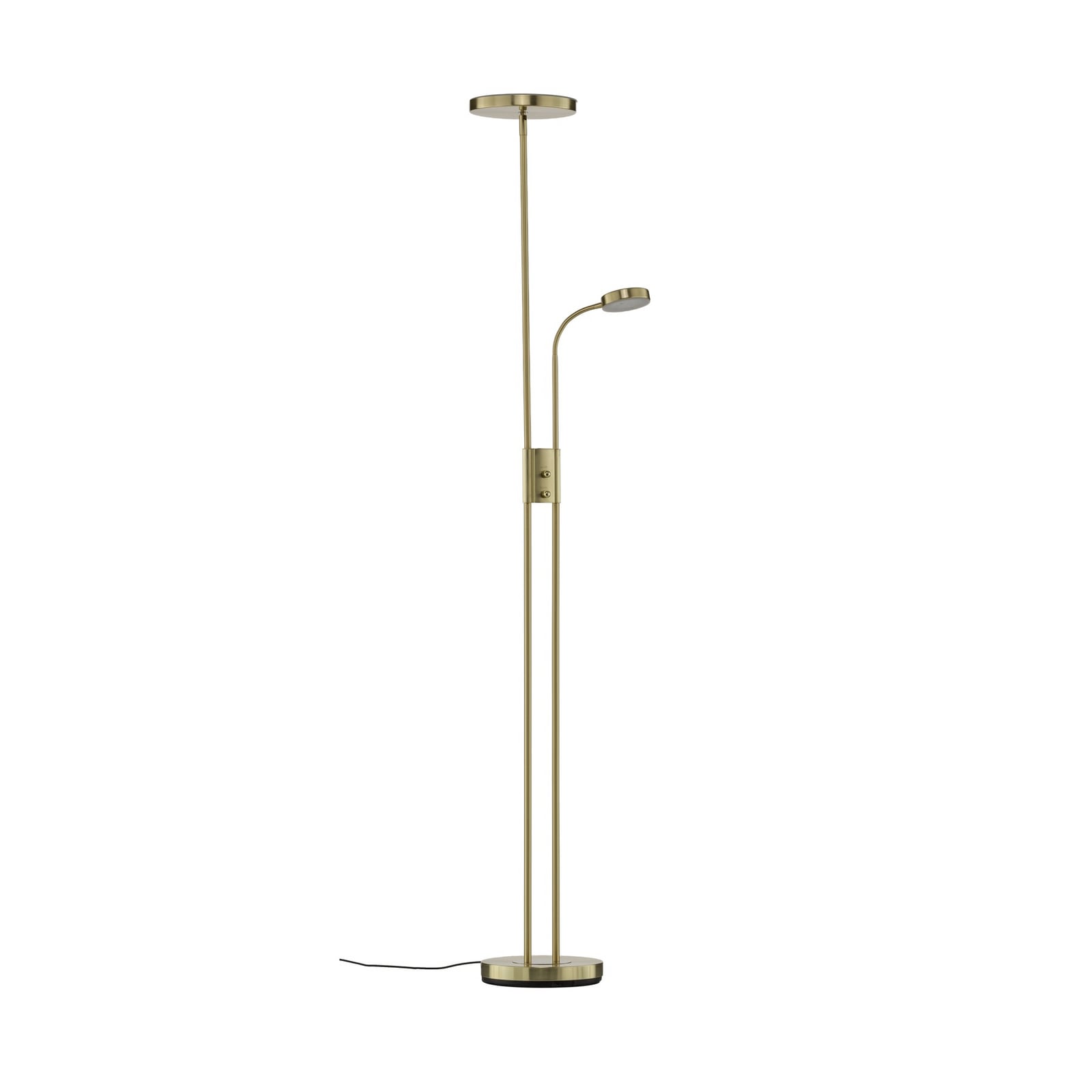
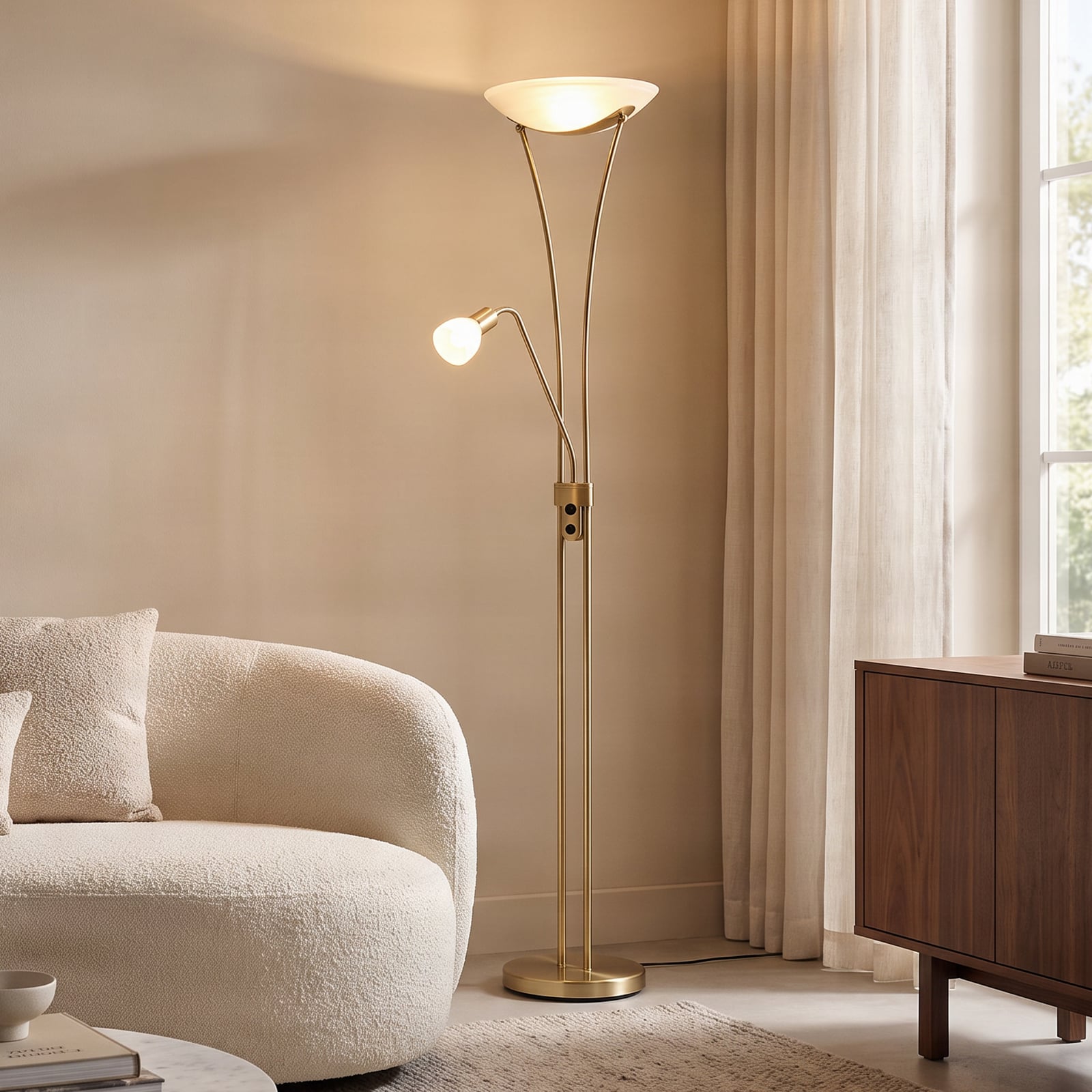
A ceiling-mounted floodlight with a reading lamp is particularly suitable when both general lighting and focused reading light are required in the living area. The upward-facing light distribution provides general lighting for the room, whilst the additional reading lamp provides a focused beam of light for reading or working. This combination is particularly practical in a reading corner, next to a lounge chair or in a spot where you regularly read or work in the evenings. The main advantage is that general lighting and task lighting can be combined effectively without the need for two separate lights.
When making your choice, it is important to consider how flexibly the reading lamp can be adjusted and how seamlessly it is integrated into the overall design. An adjustable arm or a precisely guided lamp head significantly improves usability when the light beam needs to be directed precisely rather than diffused. At the same time, the additional feature should not overwhelm the basic form. In quiet residential areas in particular, designs in which both light sources are stylistically complementary are particularly effective. As a result, the lighting appears well thought-out without altering the tranquil atmosphere of the room.
Dimmable LED ceiling floodlights and their impact on everyday life
Dimmable LED models are particularly useful in everyday life because the light output can be adjusted to suit different situations. During the day or in the busy evening hours, a higher brightness level may be preferable, whilst later in the evening a lower light level is more pleasant. The dimming function is therefore not just a minor extra, but an important comfort feature in many living spaces. In a bedroom with a seating area or in a transitional space between the living area and a quiet retreat, dimmable lighting noticeably changes the feel of the room without the need to change the light source.
LED technology is also important for everyday practicality, provided that the light distribution, brightness and dimming characteristics are harmoniously balanced. A flat light distribution, uniform illumination and controlled dimming without abrupt changes ensure that the luminaire does not appear cold or purely functional, but remains seamlessly integrated into the room. With dimmable ceiling spotlights, therefore, it is not only the dimming function that is important, but also the quality of the light distribution. A good model is suitable for general orientation lighting whilst also offering precise control when a softer lighting atmosphere is desired. Other useful criteria include light intensity, colour temperature, operation and whether different lighting zones can be controlled separately.
Designer ceiling floodlight with a clean, minimalist design
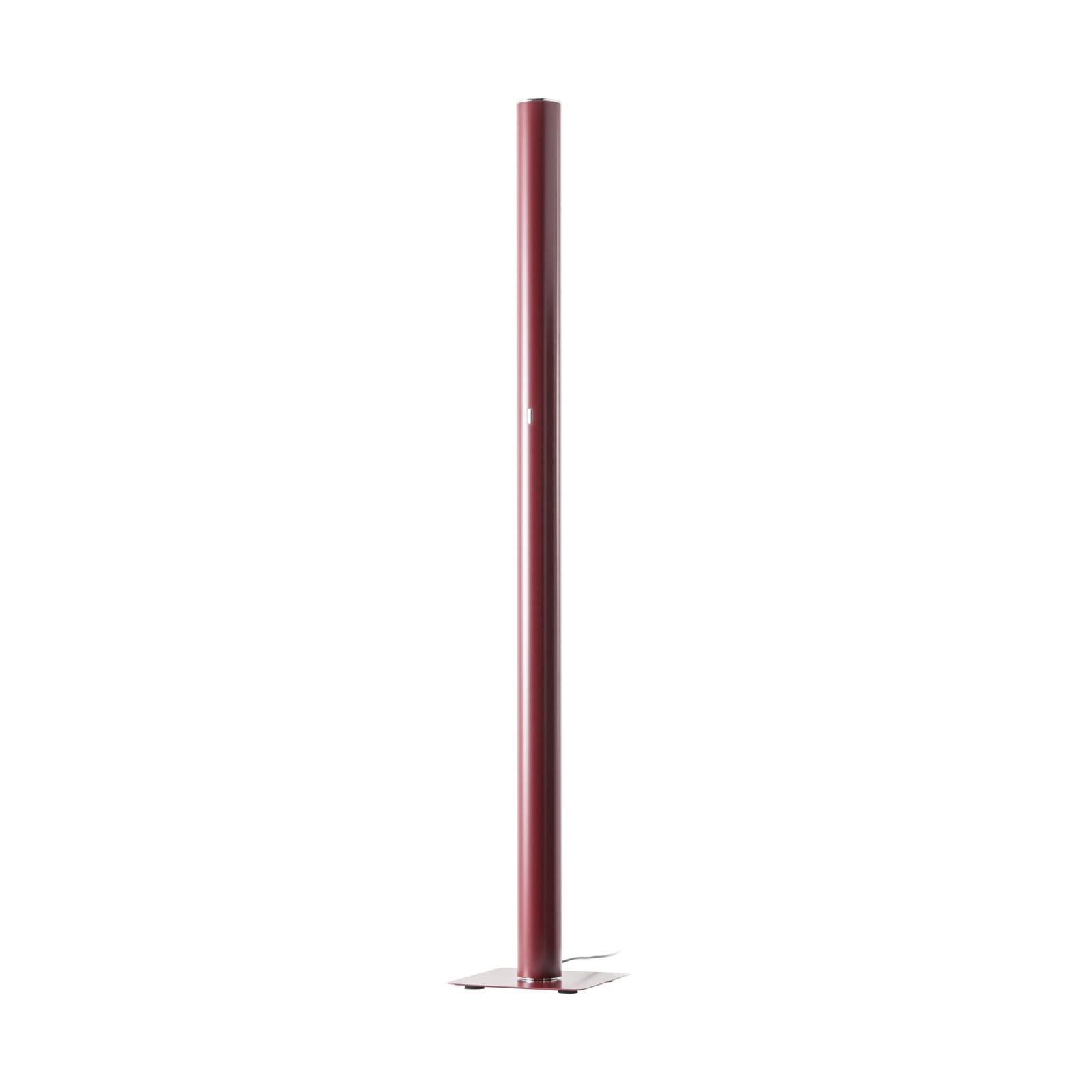
Designer ceiling floodlights are characterised above all by a clearly defined, consistently harmonious design. The design merit lies not in eye-catching details, but in the precise balance between the base, the shaft, the lamp head and the material. This sense of clarity is particularly striking in interiors that feature just a few, carefully chosen objects. In such establishments, the light fitting often comes across as a deliberately chosen interior design feature, without appearing obtrusive. A defining feature is designs in which the construction, the interplay of light and the form come together to form a coherent overall concept.
Such designs are particularly well suited to interiors where the furniture, colours and finishes are deliberately minimalist or architecturally conceived. Their quality is particularly evident in the craftsmanship, the materials and the pleasant, glare-free lighting effect. Anyone who opts for a ceiling-mounted light of this kind is therefore not merely choosing a light source, but a thoughtfully designed piece that combines high-quality craftsmanship, a pleasant lighting effect and suitability for everyday use.
© 2026 Lampemesteren GmbH