- High satisfaction on Trustpilot
- Authorised retailer
- 100+ designer brands

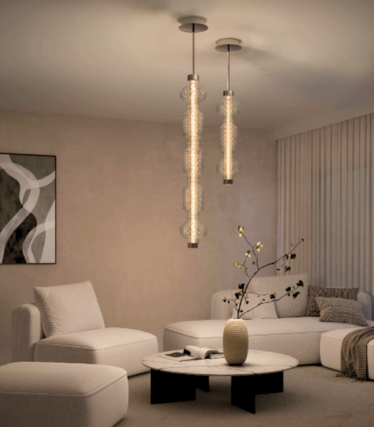
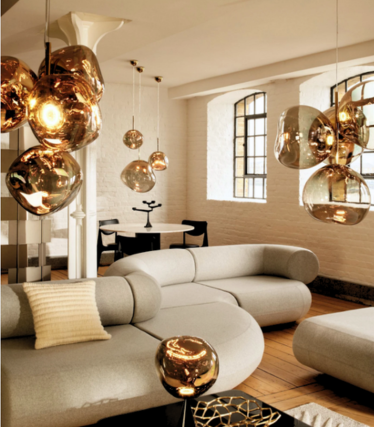






Share your pictures with @lampemesteren
Inspire and let yourself be inspired, from one unique home to another. Tag your pictures with #yesLampemesteren and you might see your home here!
Designer wall lights: lighting design with style and character
A bare wall next to the sofa, in the hallway or by the bed takes on a whole new look as soon as light not only illuminates the room but also shapes the surface itself. A designer wall lamp combines this lighting effect with a carefully crafted design that remains part of the interior even when the light is switched off. Sometimes it recedes discreetly and calmly; at other times, its silhouette makes a striking statement. The key lies in the interplay between proportion, material, surface and the way the light appears on the wall.
Designer wall lights: a blend of lighting and wall décor
Wall lights are more closely linked to the architecture of a room than many other types of lighting, because their fixed position connects them directly to the wall surface and the room’s architecture. Its position on the wall makes it an integral part of the surface. Flat designs can have an almost graphic quality and blend seamlessly into minimalist interiors. Larger or more prominently projecting shapes carry greater visual weight and make a similar statement to a carefully chosen piece of furniture or object. The luminaire’s outline is particularly noticeable in minimalist interiors.
The shape of the light output also influences this impression. A narrow beam of light emphasises vertical or horizontal lines on the wall, whilst softly diffused light makes larger surfaces appear calmer. Spotlights and models with adjustable beams, on the other hand, create more targeted lighting effects. The quality of a high-end wall light is not determined by the material alone. Harmonious proportions, a precise shape and a clear lighting scheme all contribute to the luminaire, wall and furnishings coming together as a cohesive design.
Shapes, glass and metal: how materials shape the design of wall lights
Materials not only alter the appearance of a wall light, but also the way light is used. Glass can guide light through its shape in a visible way, diffuse it gently or reveal the light source. Opal surfaces have a more understated and uniform appearance, whilst transparent glass emphasises contours and structural details more strongly. As a result, the same wall surface can appear significantly more subdued or more vibrant, depending on the material. Evenly diffused light tends to emphasise individual contours less, whilst transparent materials make structural details more visible.
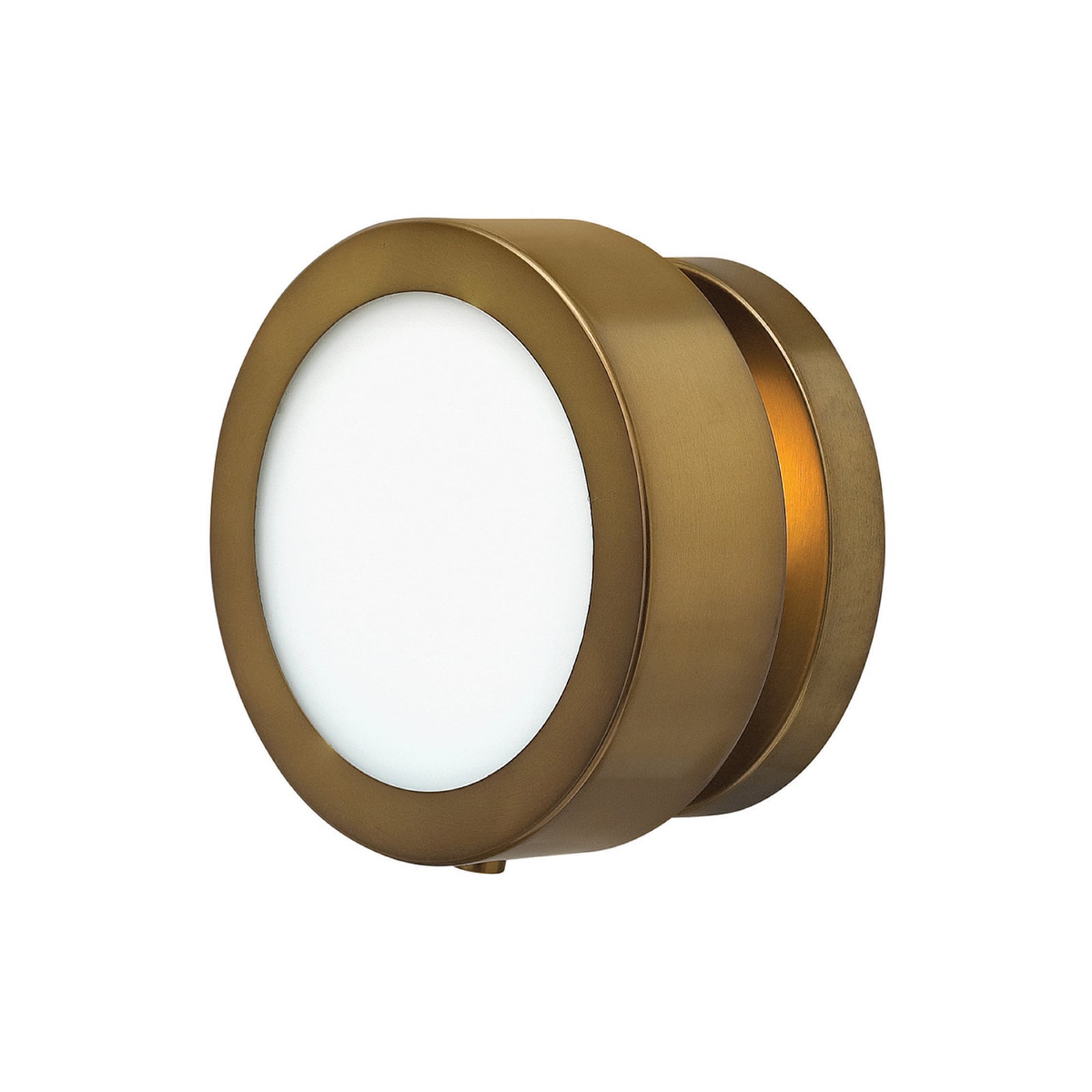
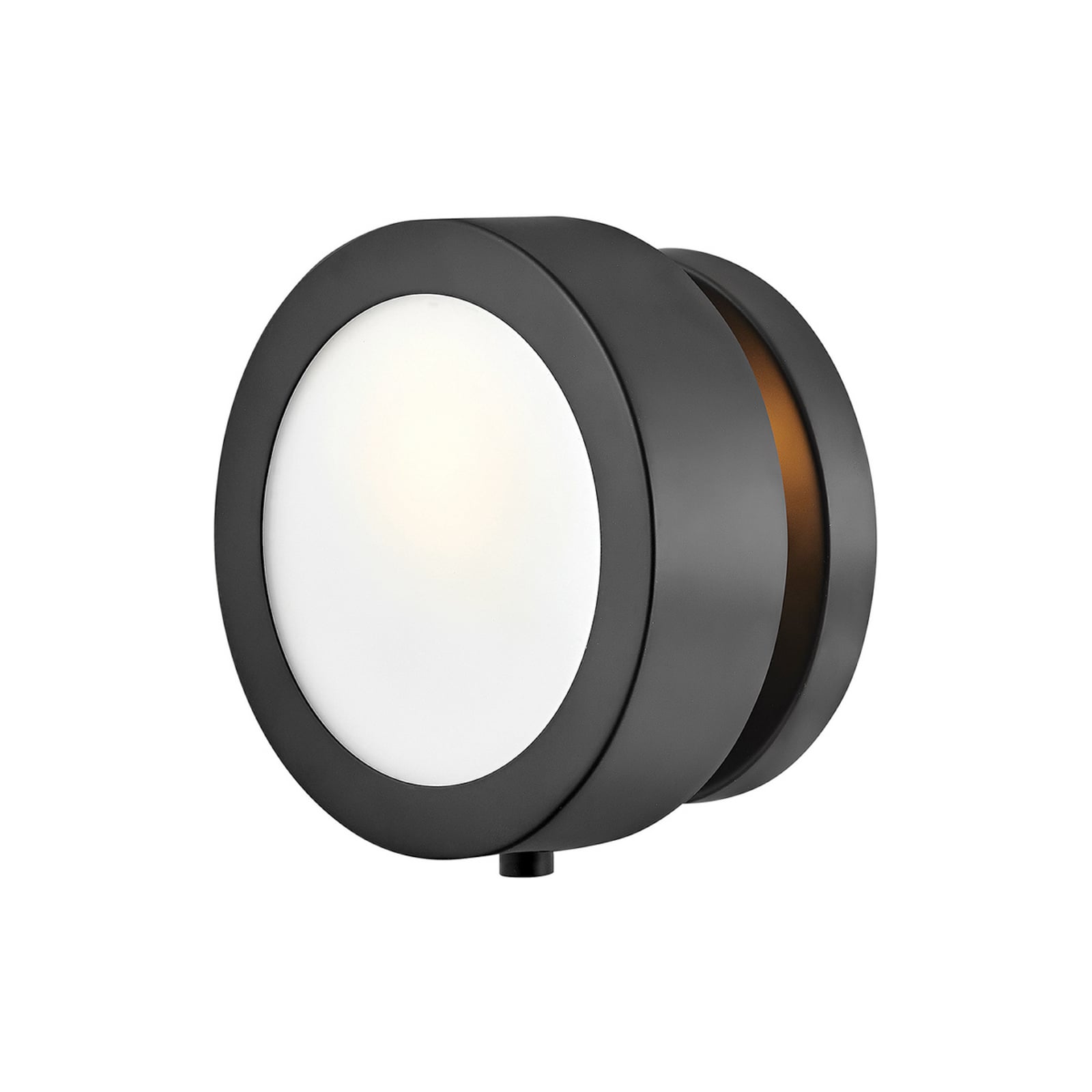
Metals have different priorities. In the case of wall lights, they particularly influence the contour, reflection and visual appearance of the surface. Aluminium often lends itself to a clean, precise design aesthetic, whilst brass or gold-coloured finishes can introduce warmer highlights into the surroundings. Black and grey emphasise the silhouette more clearly and complement interiors where lines, contrasts and a minimalist colour scheme play a key role. Wood, too, can give a light fitting a softer, more natural look. When designing wall lights, their character is not created by a single decorative detail, but rather by the interplay between the surface, shape, colour and the light that interacts with them.
Direct and indirect lighting to create different lighting atmospheres
A wall makes it particularly clear in which direction a light fitting emits its light. With indirect lighting, the light first hits a wall or ceiling and is then reflected back into the room. The light source itself takes a back seat visually. Instead of a clearly defined beam of light, a softer lighting effect is created across the surface. This effect is ideal for creating a calm, atmospheric ambience in the living room, bedroom or hallway, and can complement existing general lighting.
Direct light is more precise because it can be focused more effectively on a specific area, an image or a reading area. An adjustable spotlight can highlight a specific area, a picture or a reading area. Models that emit light both upwards and downwards, in turn, create a distinct pattern on the wall and make the lighting itself part of the interior design. With an LED wall light, a compact design can often be combined effectively with controlled light distribution. If the model is dimmable, the brightness can also be adjusted to suit different situations. The desired atmosphere remains the starting point, not the technology.
Designer wall lights for indoors: making an impact in hallways, living rooms and bedrooms
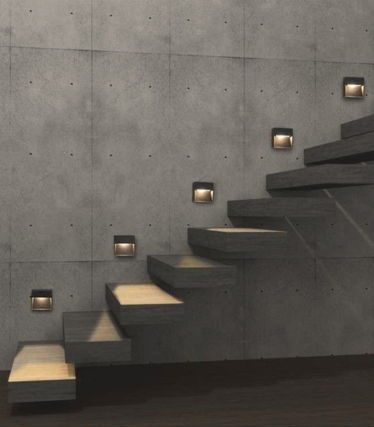
Designer wall lights for indoor use create different effects depending on the room. In the hallway, the wall is often directly in your line of sight. A flat light fitting can blend in seamlessly with the architecture, whilst several evenly spaced units can give a long wall a clear structure. In the living room, the wall light can be better coordinated with the furniture, pictures or materials. Placed next to a sofa or a chest of drawers, it creates a deliberate connection between light and furnishings.
In the bedroom, a more subdued lighting effect is usually required. A designer wall light next to the bed frees up space on the bedside table and can also help to clearly define the layout around the bed. Adjustable models are suitable for more focused light, whilst indirect versions are ideal for a softer lighting ambience. In the kitchen and bathroom, the focus is increasingly on usage and layout. When choosing a light fitting, it should not be selected solely on the basis of its shape, but should also be suitable for the intended area. The size of the room, the wall area and any existing ceiling lights all influence how prominent the model appears. A large, uncluttered wall allows a more pronounced shape to take up more visual space, whilst flat designs appear more understated in spaces where room is at a premium.
Designer wall lights with a distinctive design style
When it comes to designer wall lights, it is not just the brand name that determines the effect they have in a room. What is more interesting is how consistently form, proportion, material and the play of light interact. Brands such as Fritz Hansen, Foscarini, Anglepoise, Artemide and Louis Poulsen represent an approach in which luminaires are regarded as designed objects rather than merely as sources of light. When making a choice, the most important factors are therefore how clearly a wall light reveals its shape, how it relates to the architecture, and what role its light plays on the wall.
Minimalist designs can sit close against the wall, thereby blending seamlessly into a clean, uncluttered interior. More expressive models stand out more clearly thanks to their sharper contours, greater sense of depth or a striking material effect. Even well-known designs cannot reveal their true quality in isolation from their surroundings. Colour, finish and scale should complement the furniture, wall surfaces and existing lighting.
© 2026 Lampemesteren GmbH