
Filter and sort
- High satisfaction on Trustpilot
- Authorised retailer
- 100+ designer brands
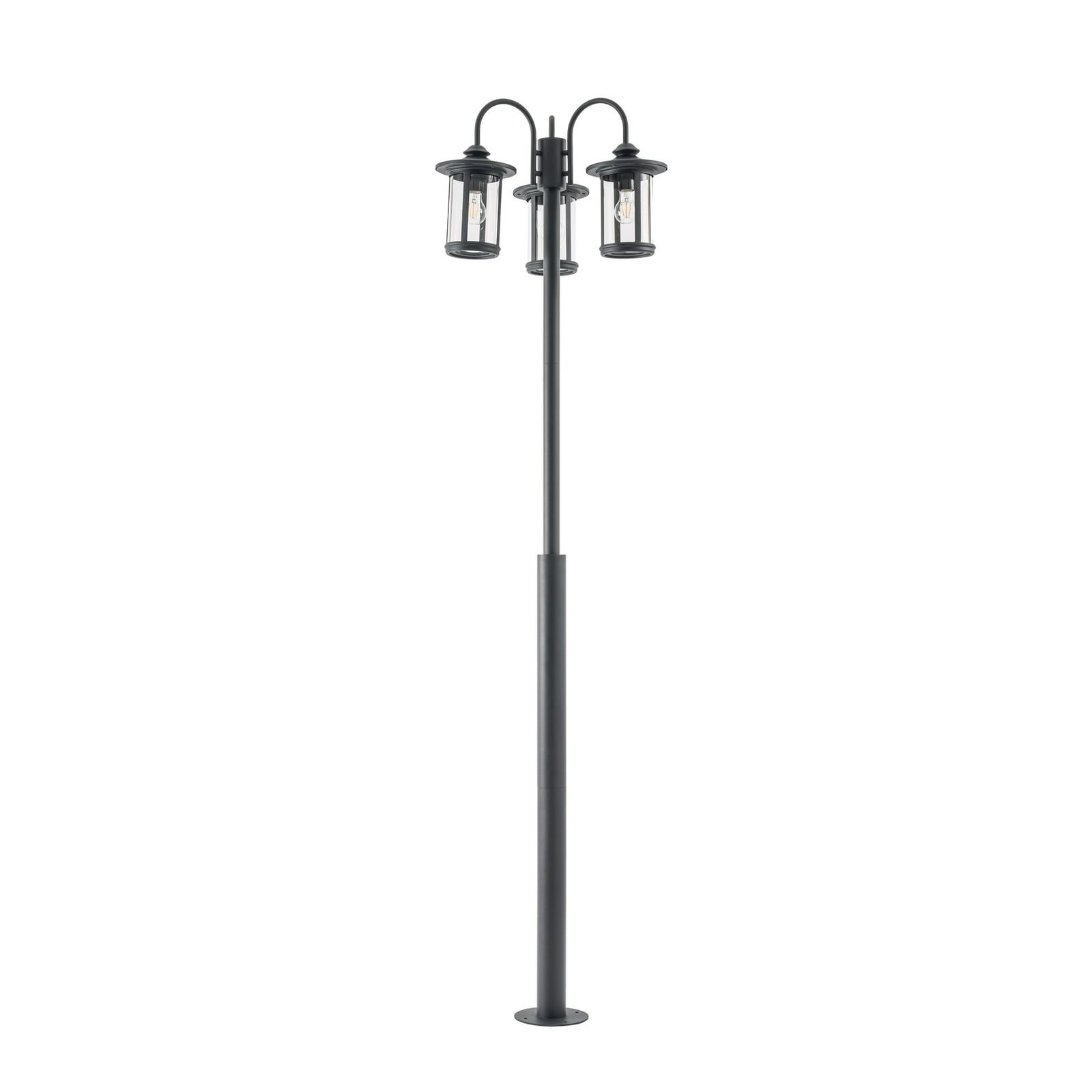
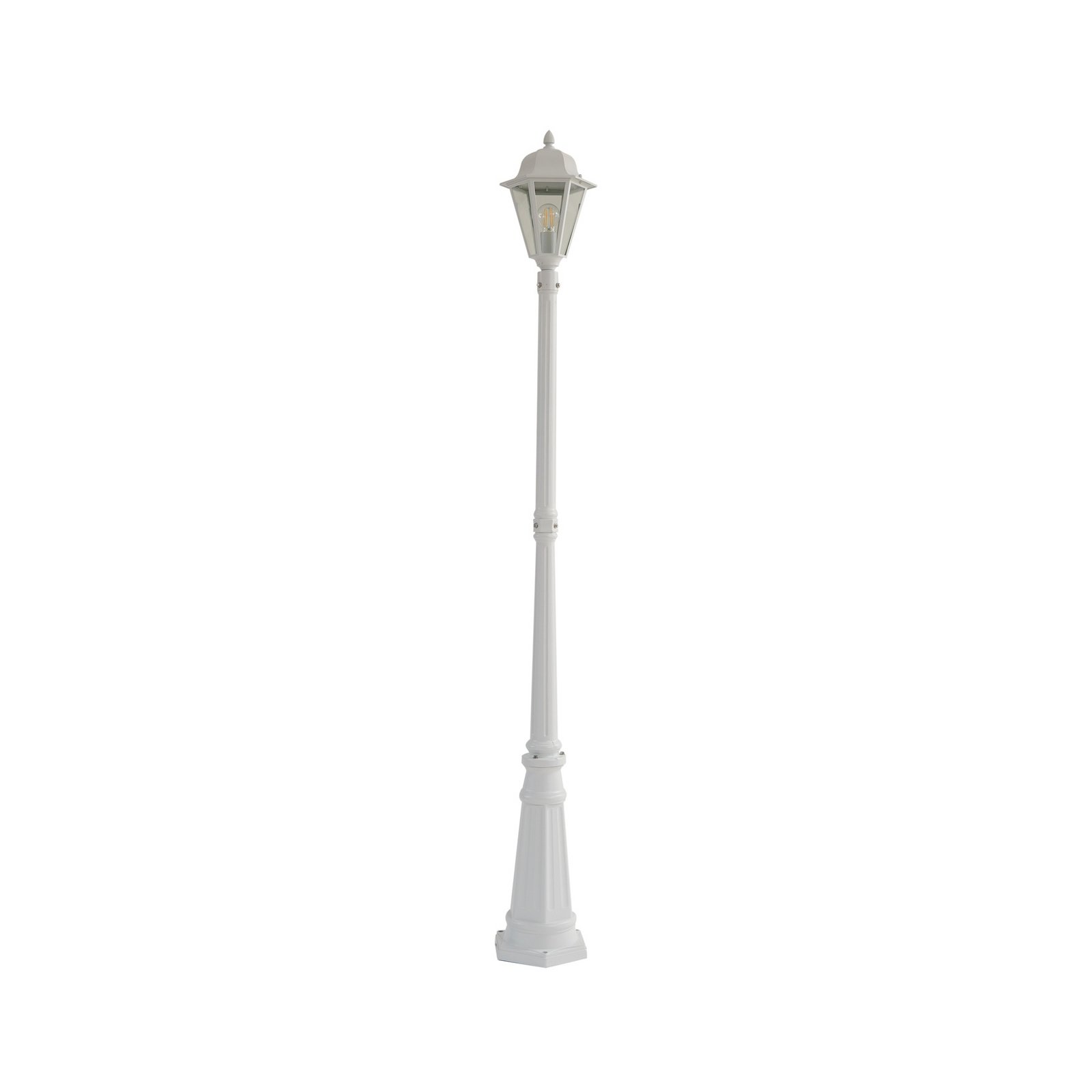
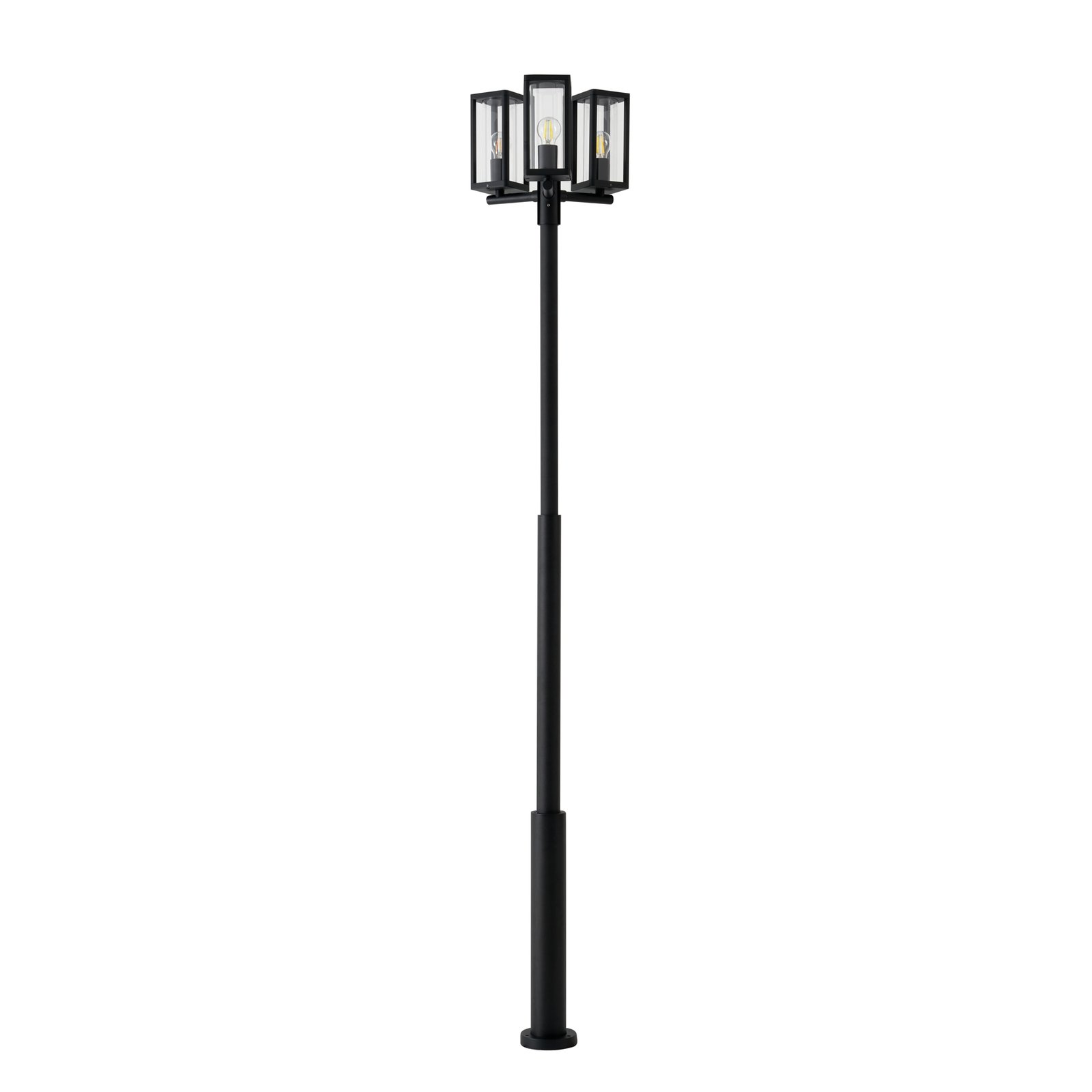
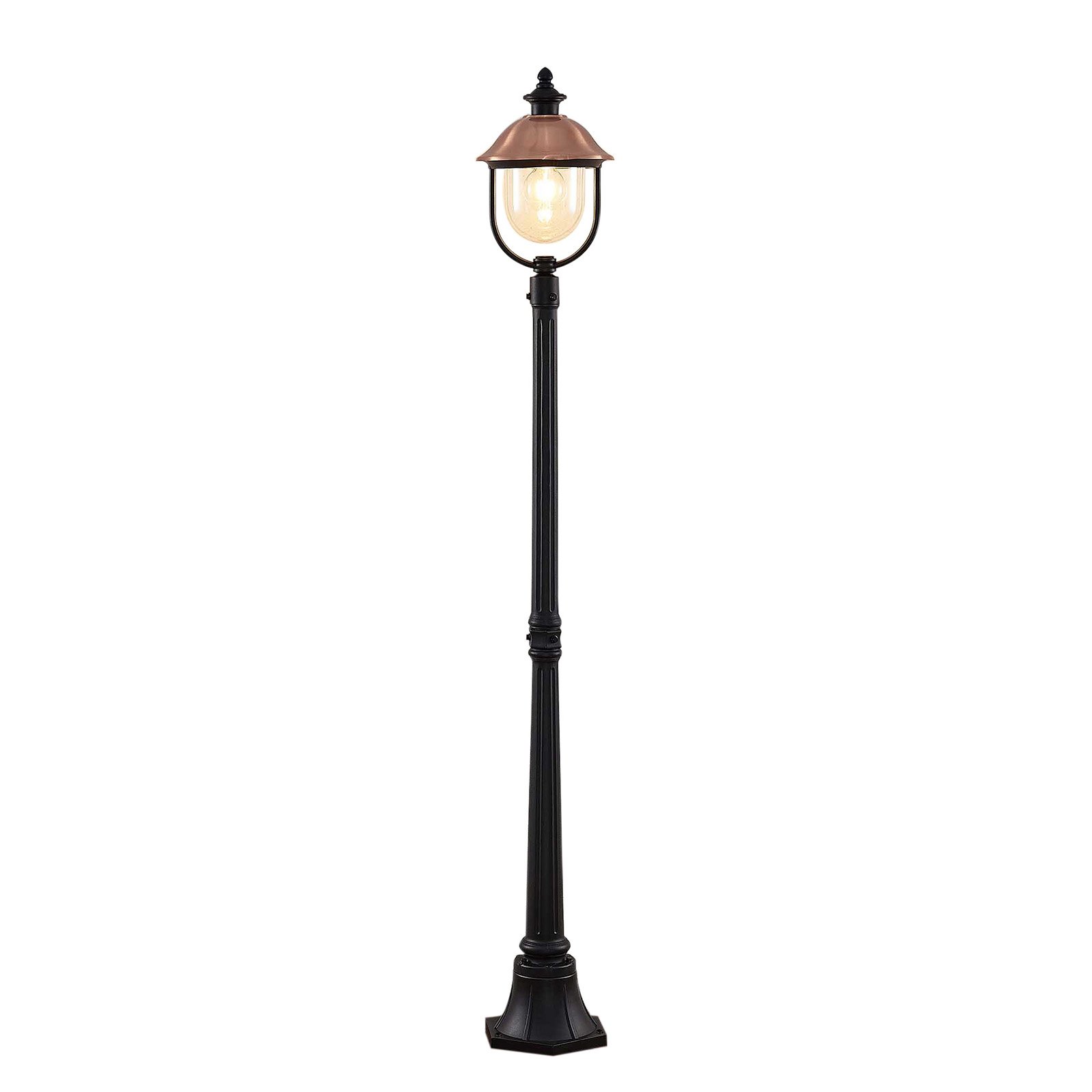
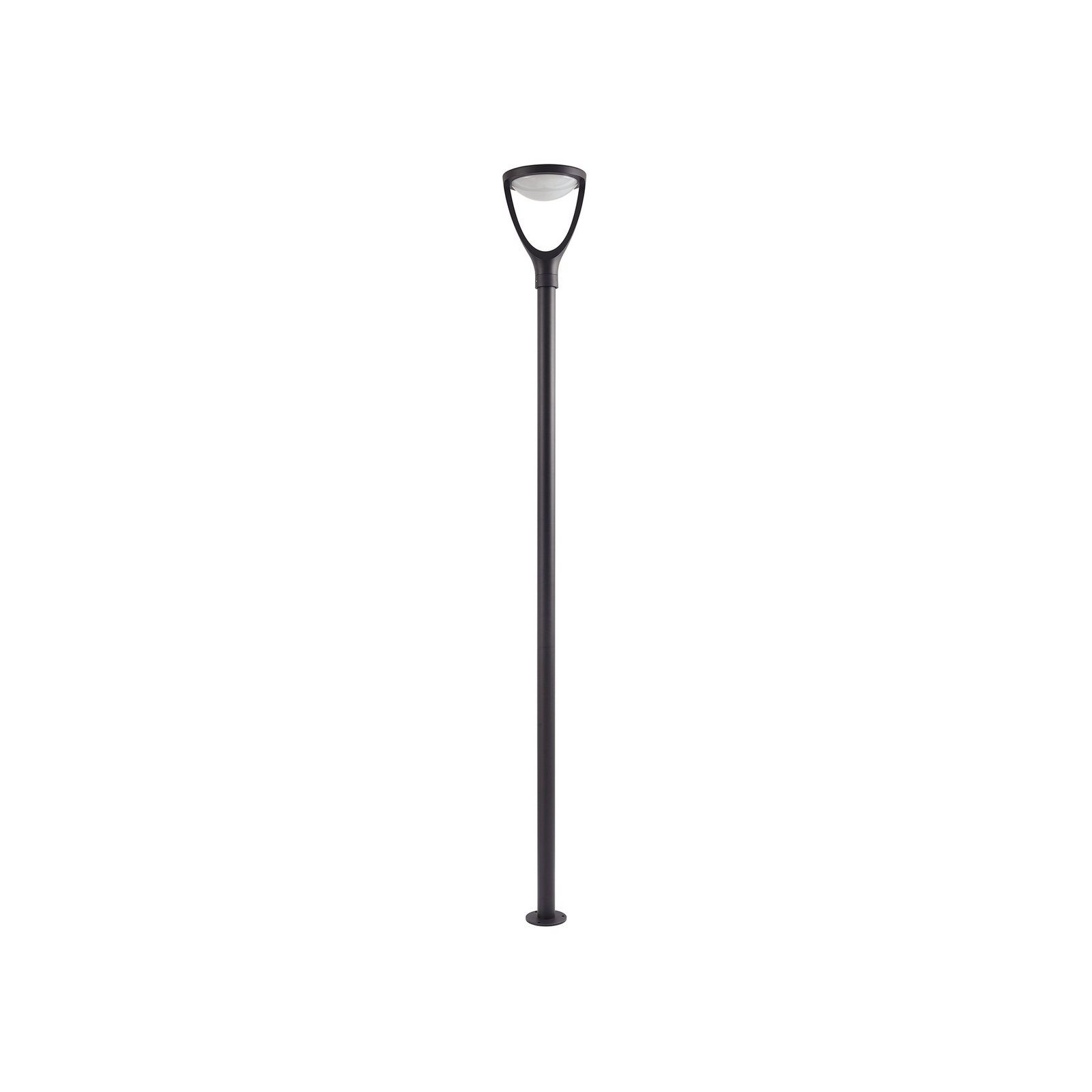
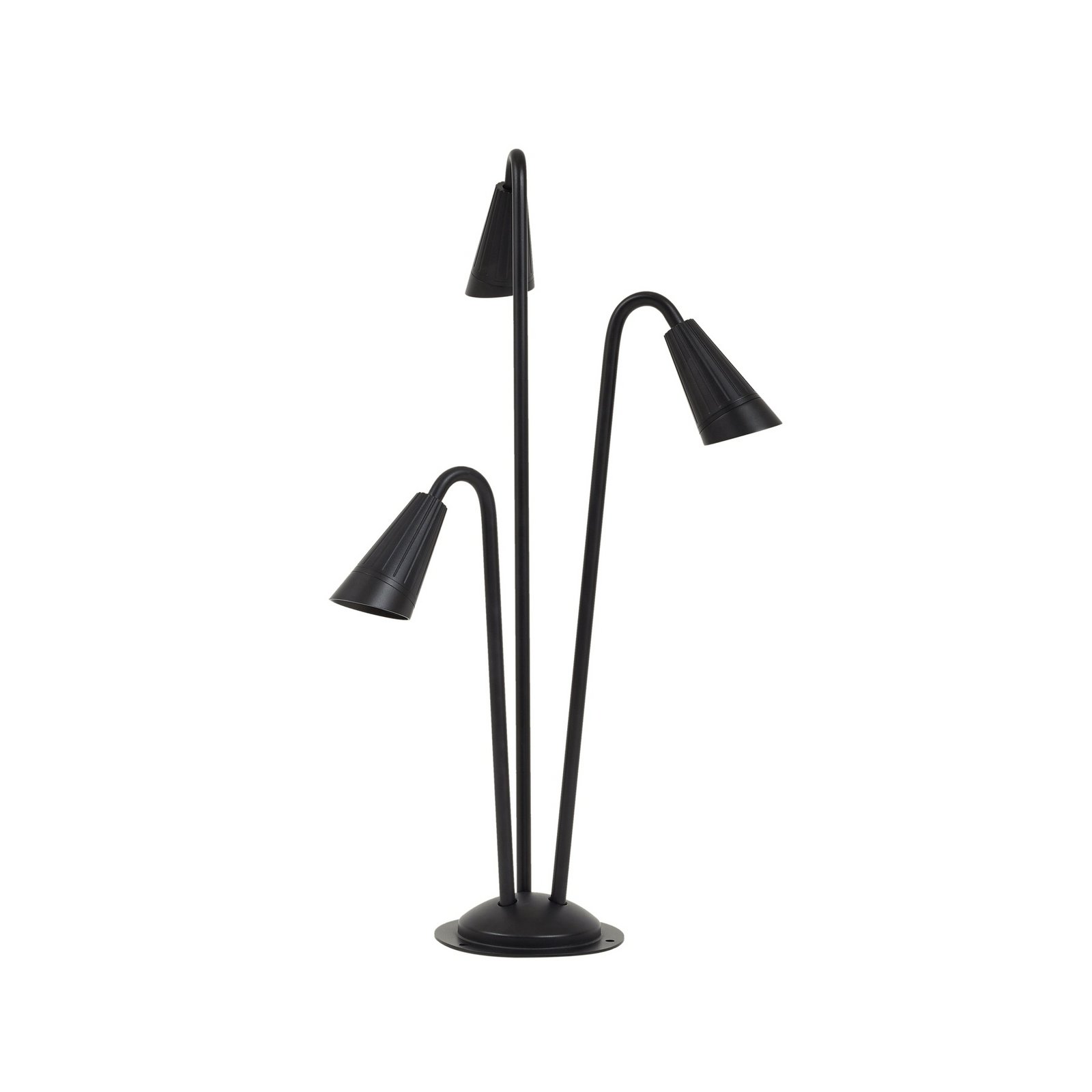
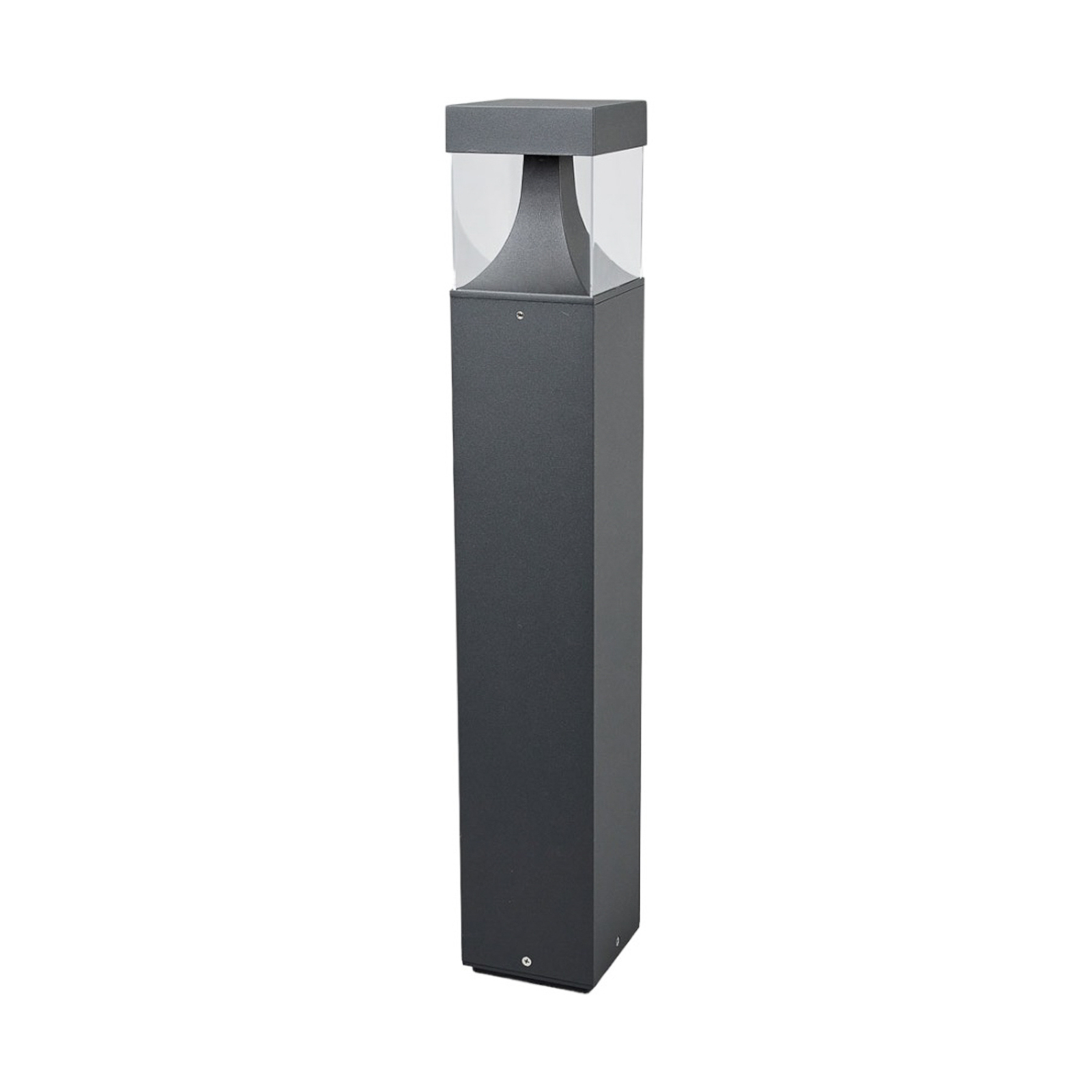
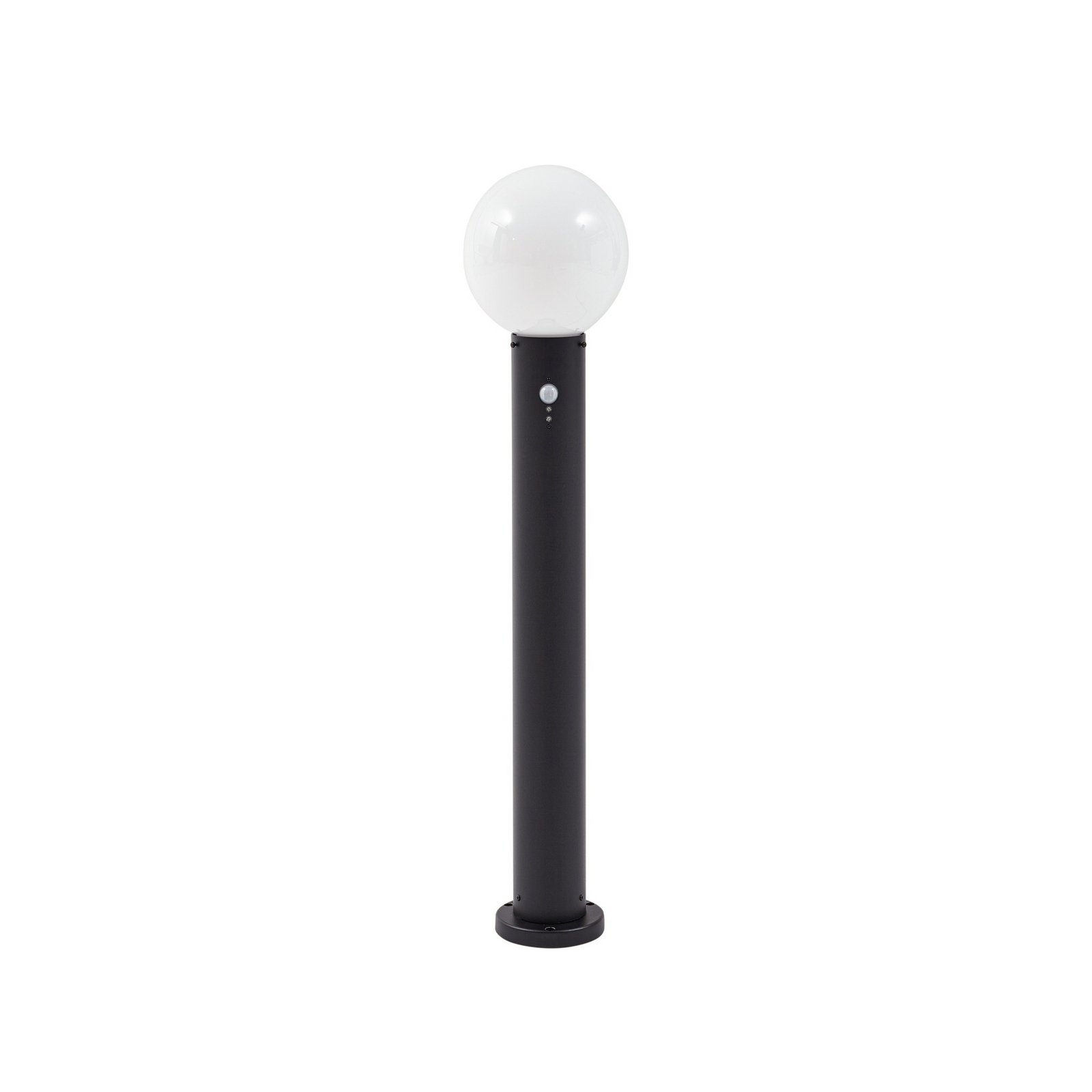
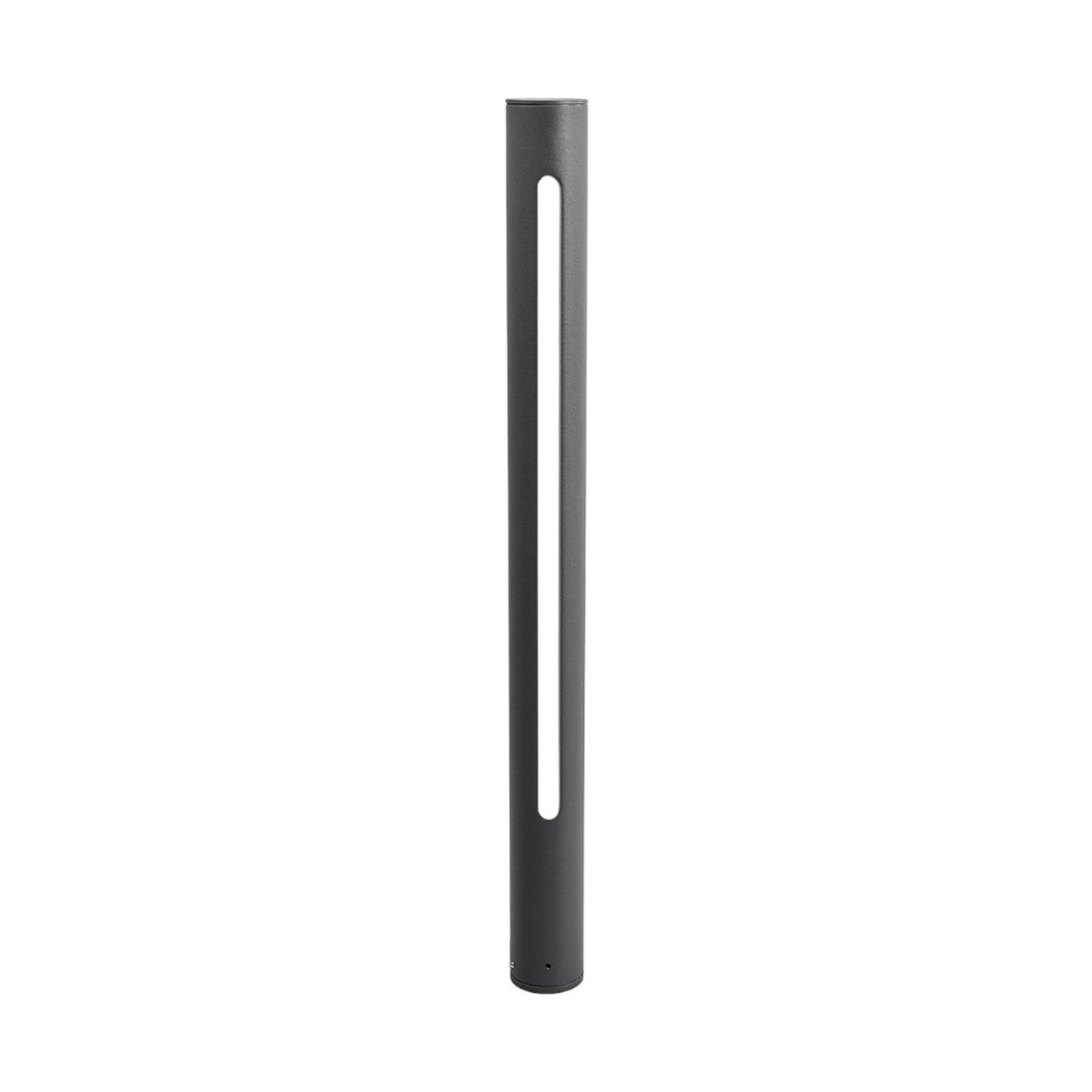
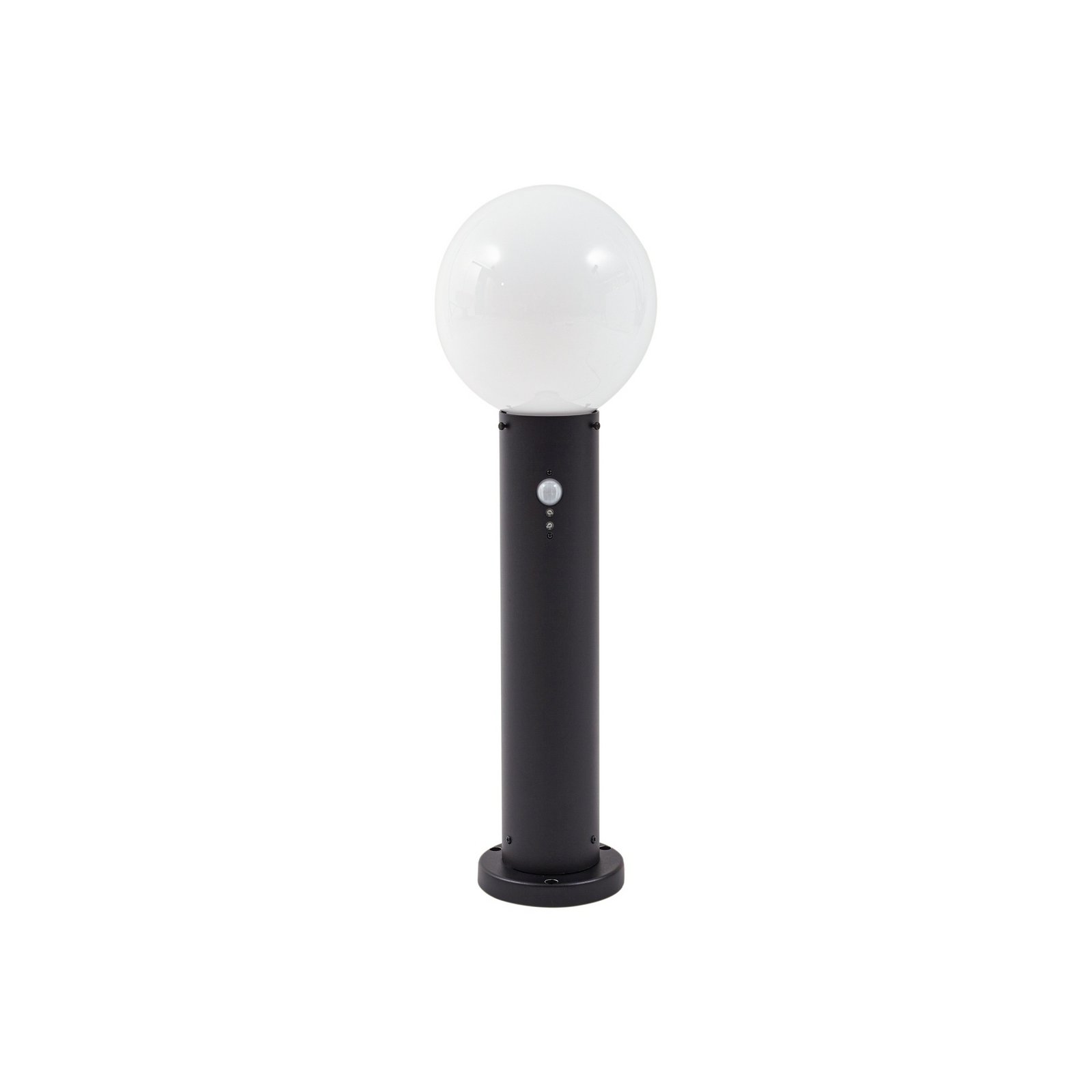
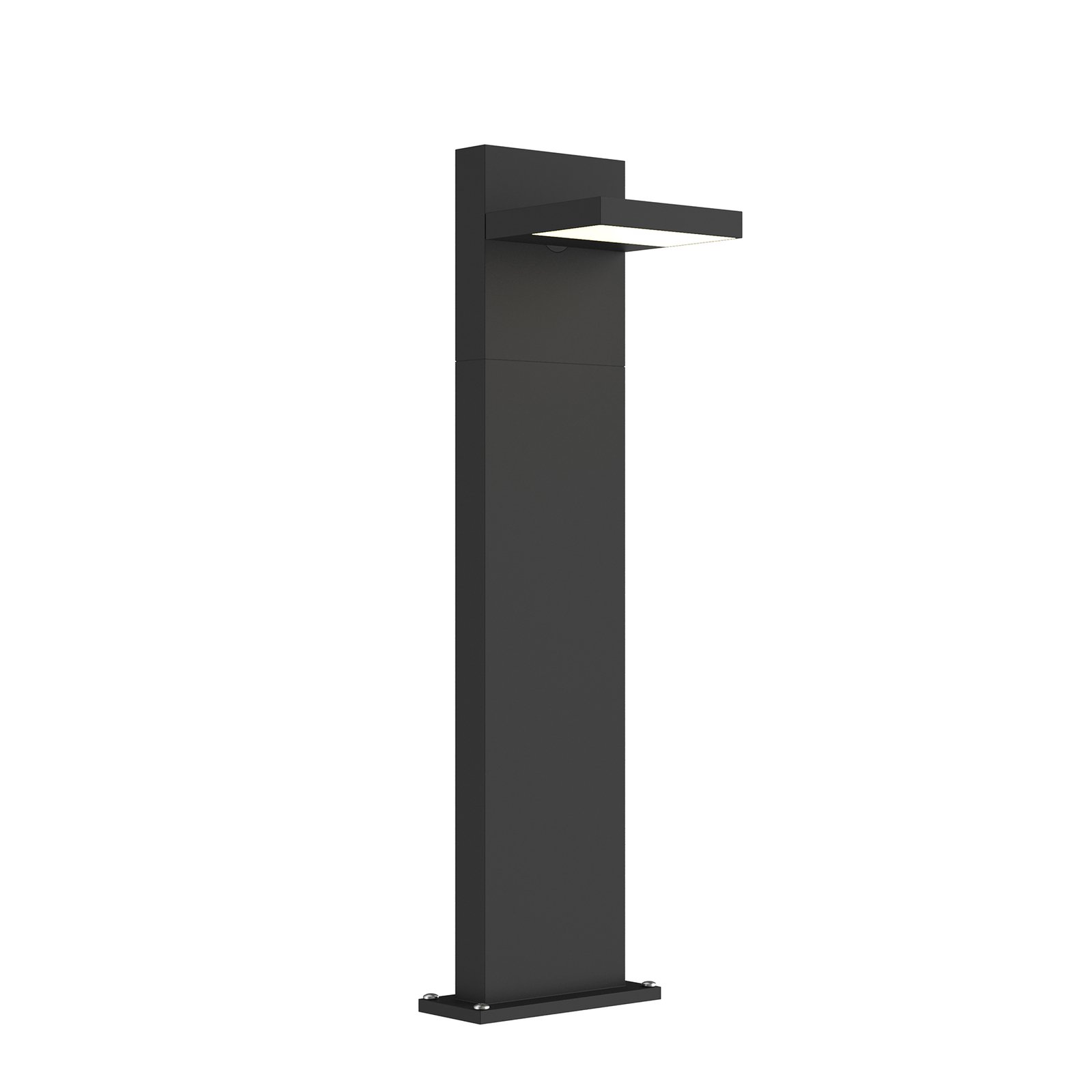
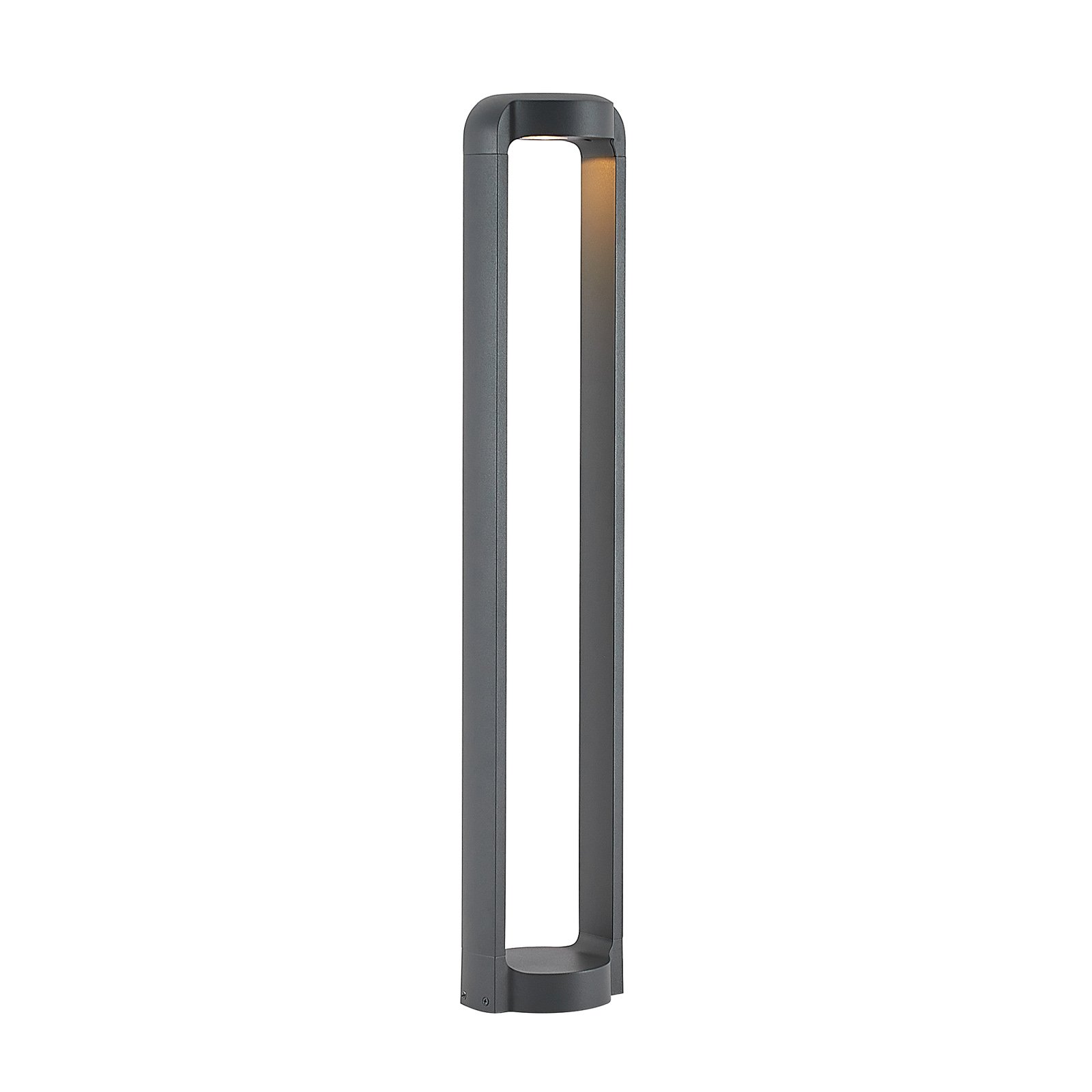
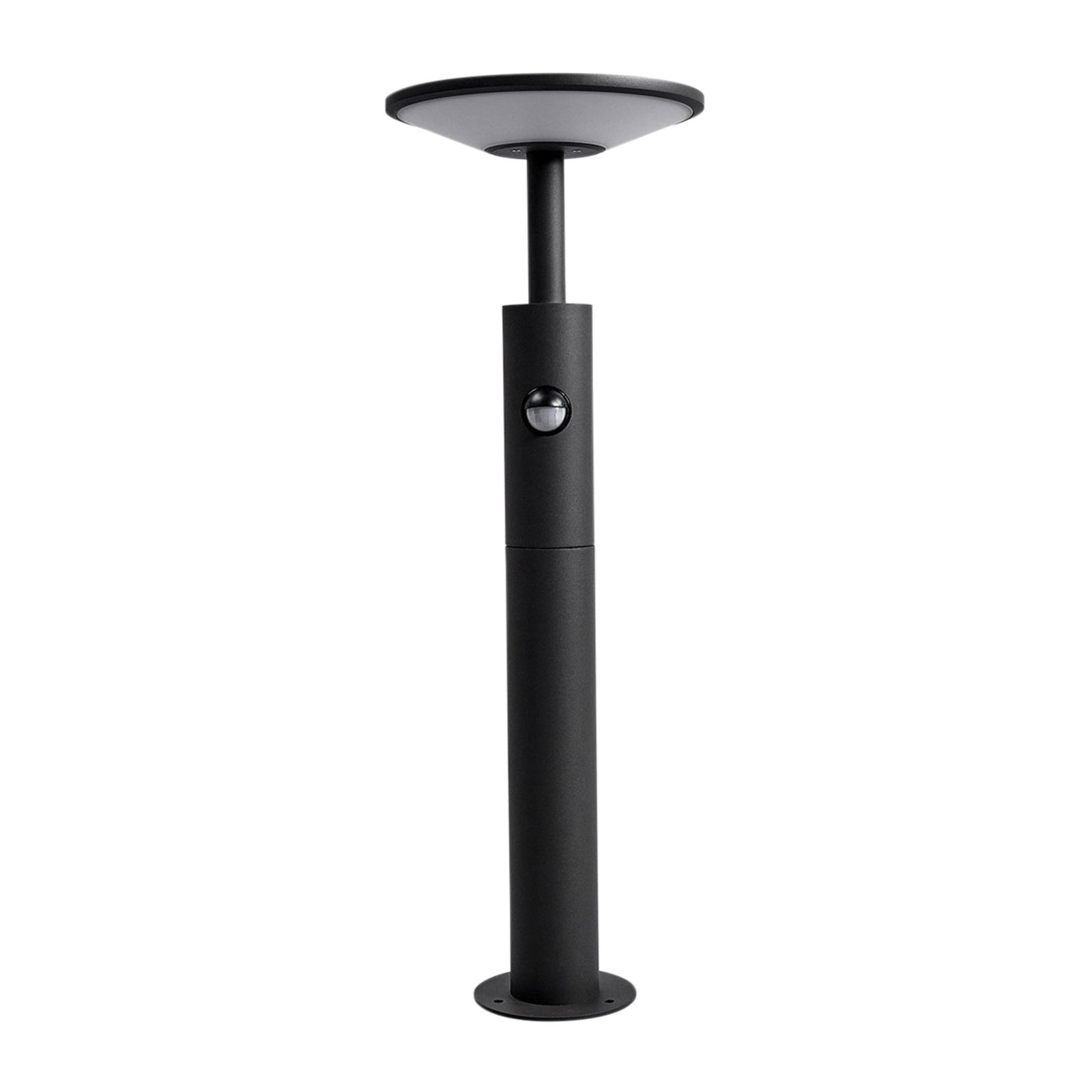
Share your pictures with @lampemesteren
Inspire and let yourself be inspired, from one unique home to another. Tag your pictures with #yesLampemesteren and you might see your home here!
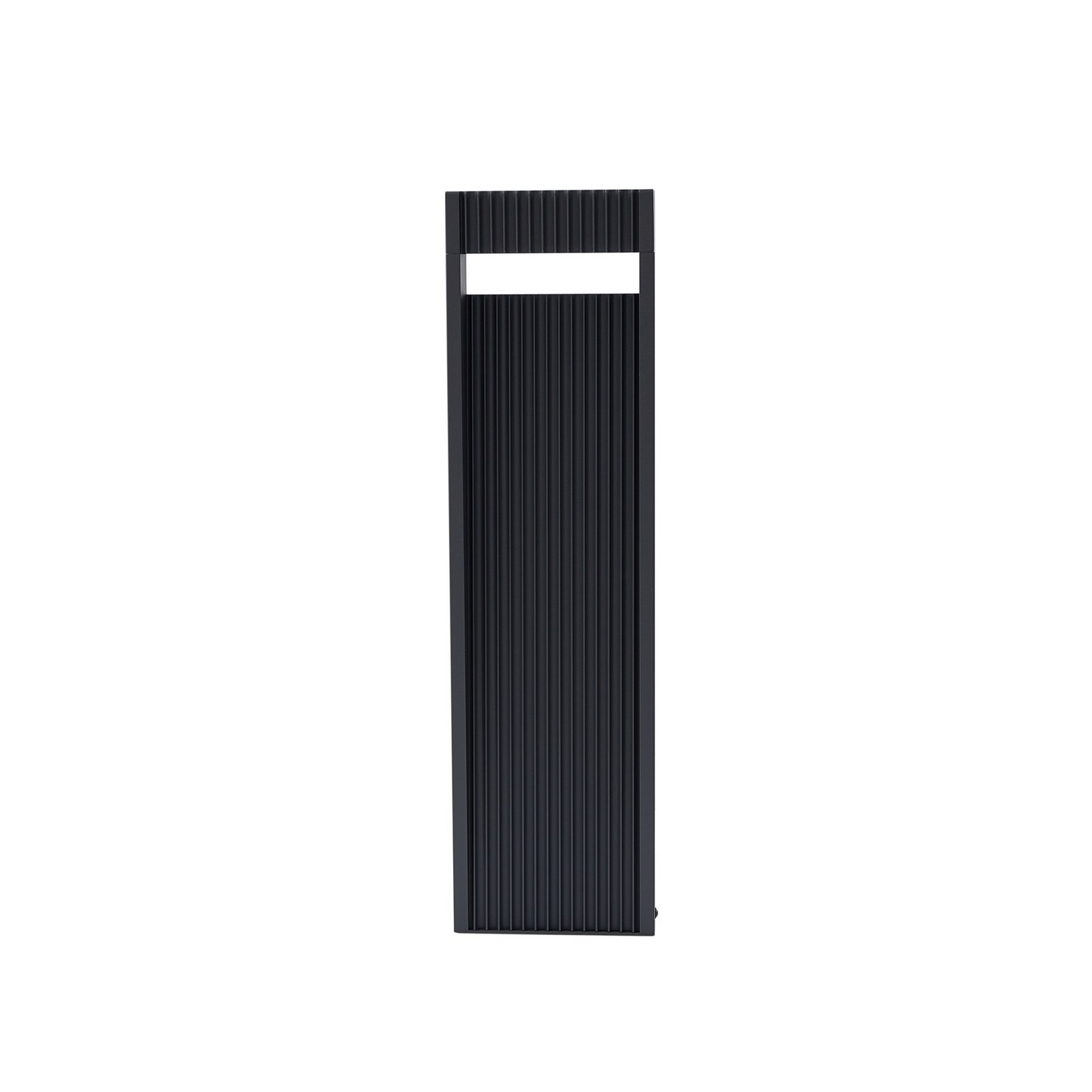
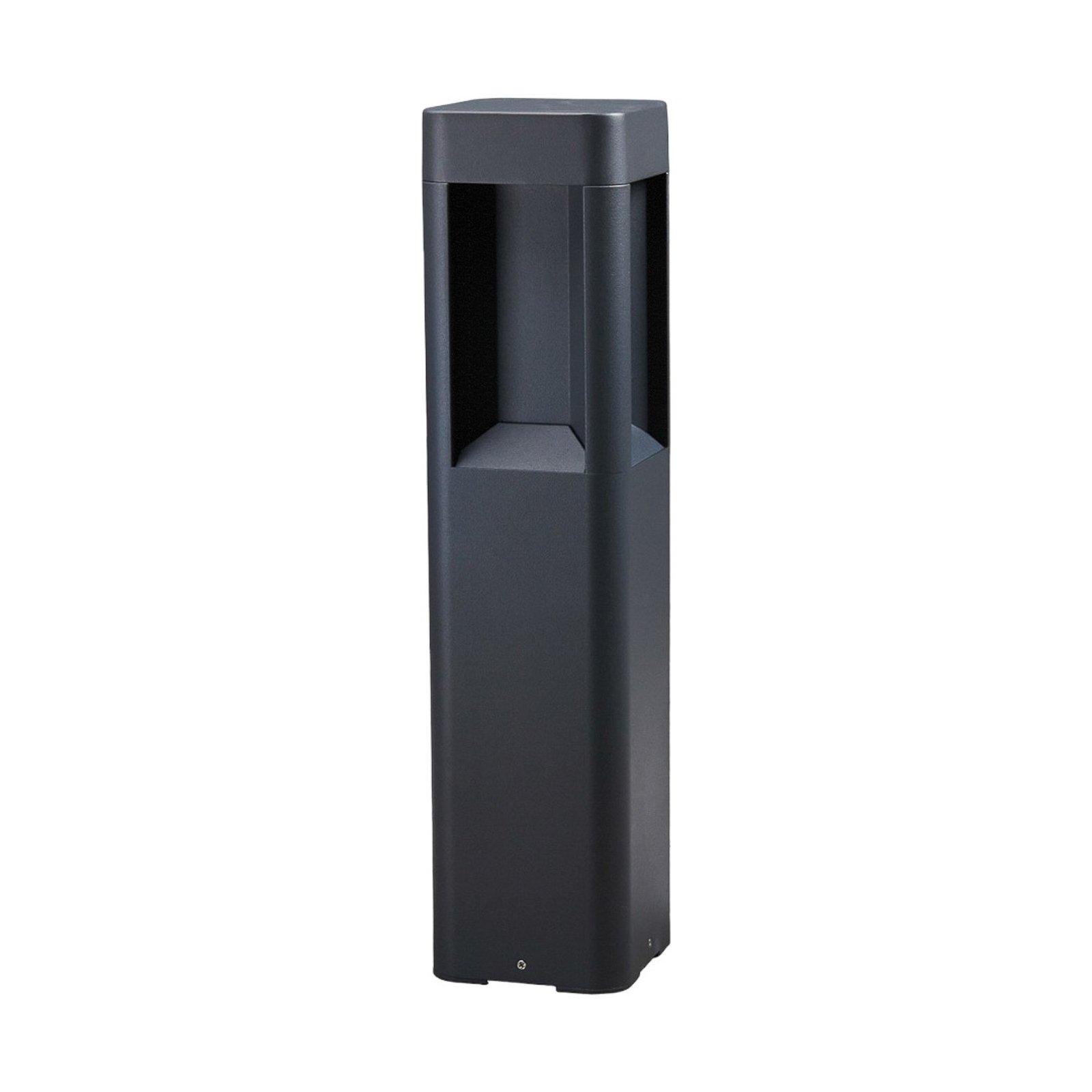
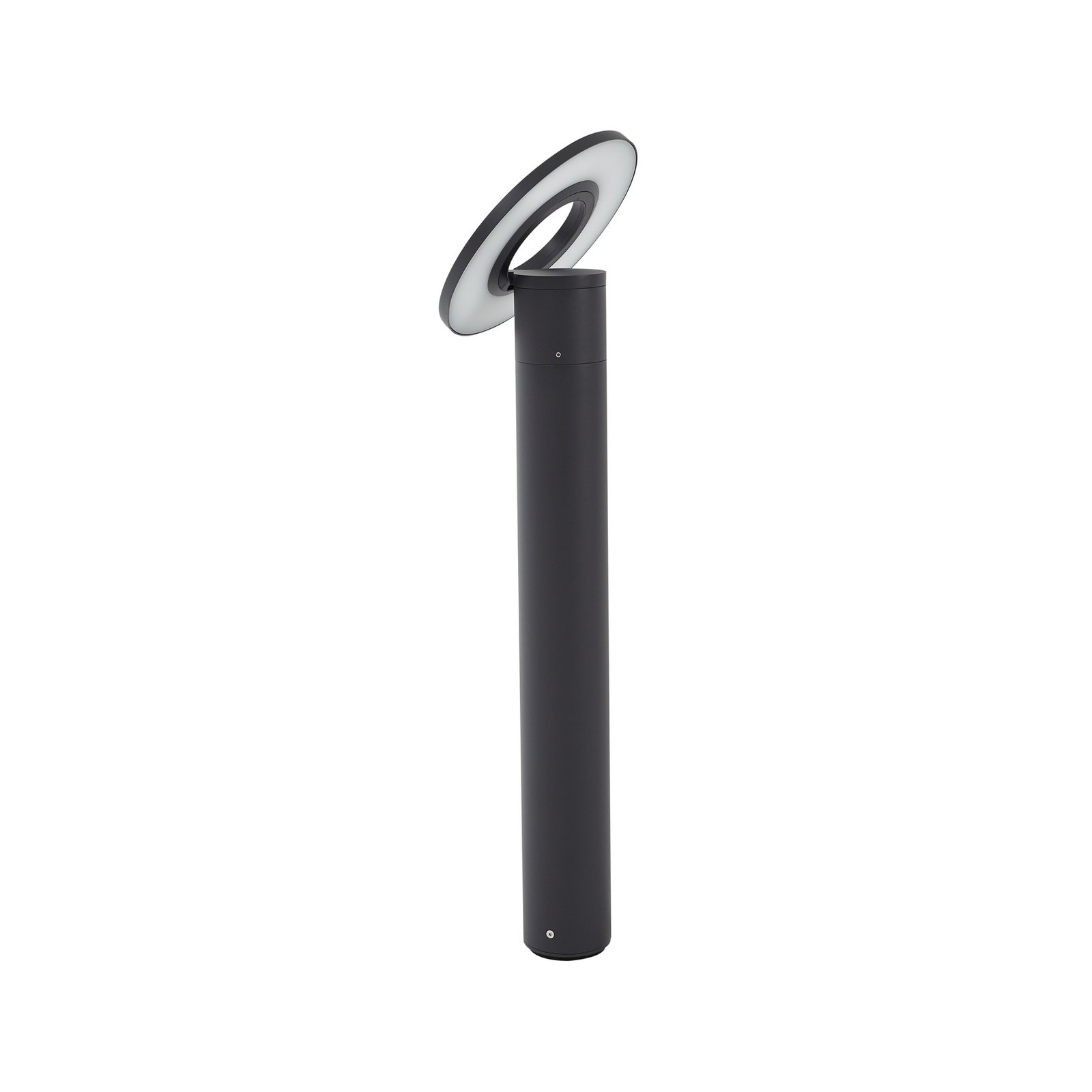
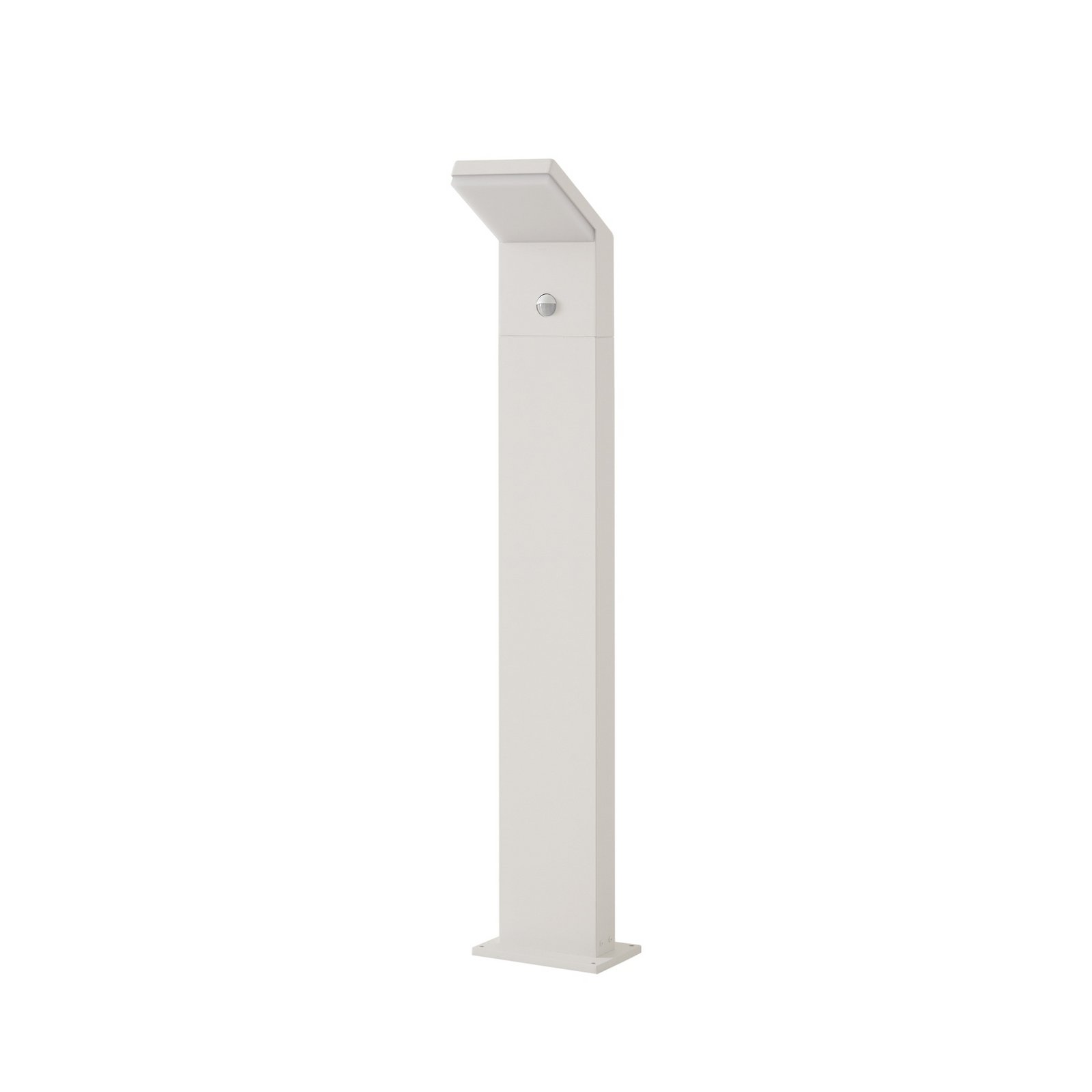
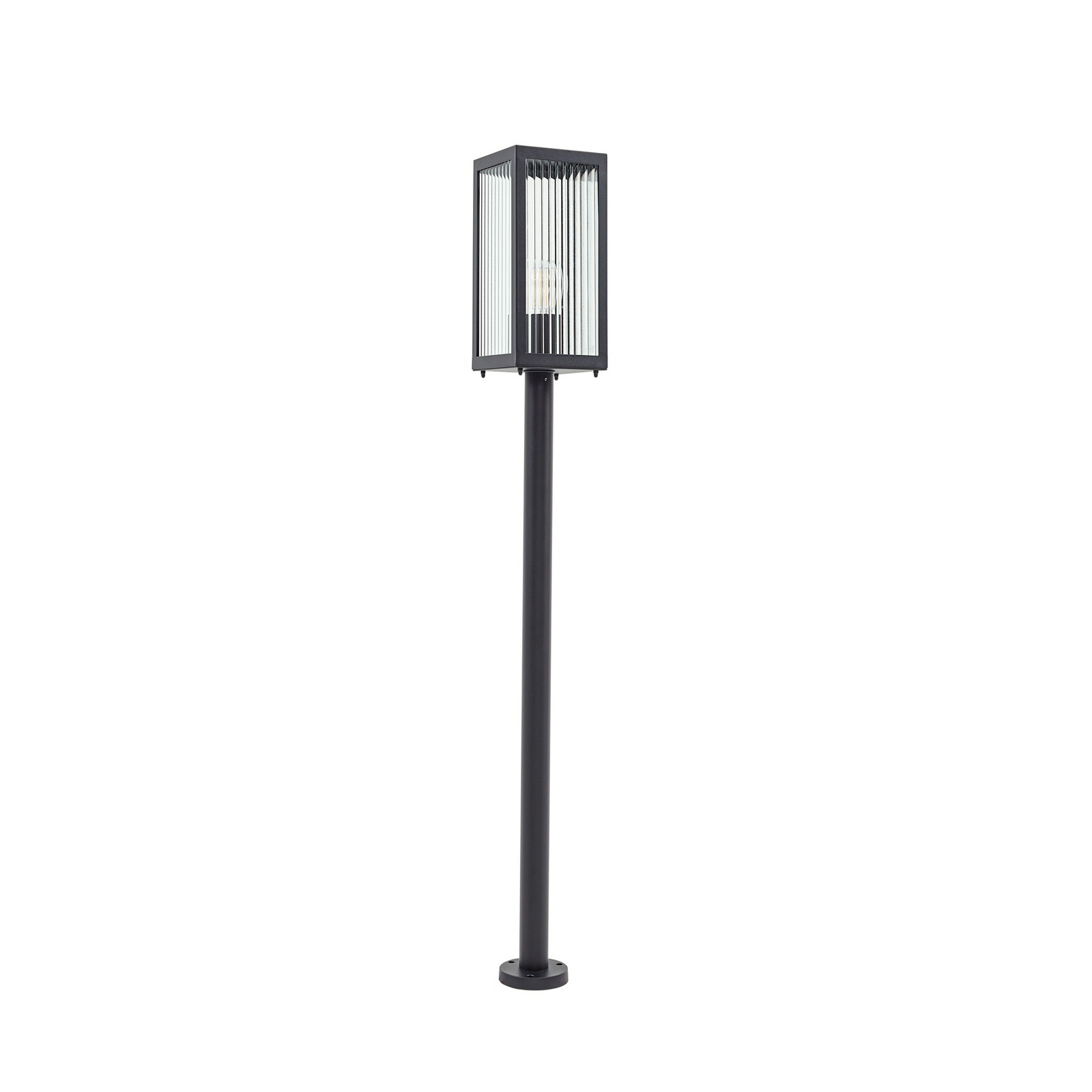
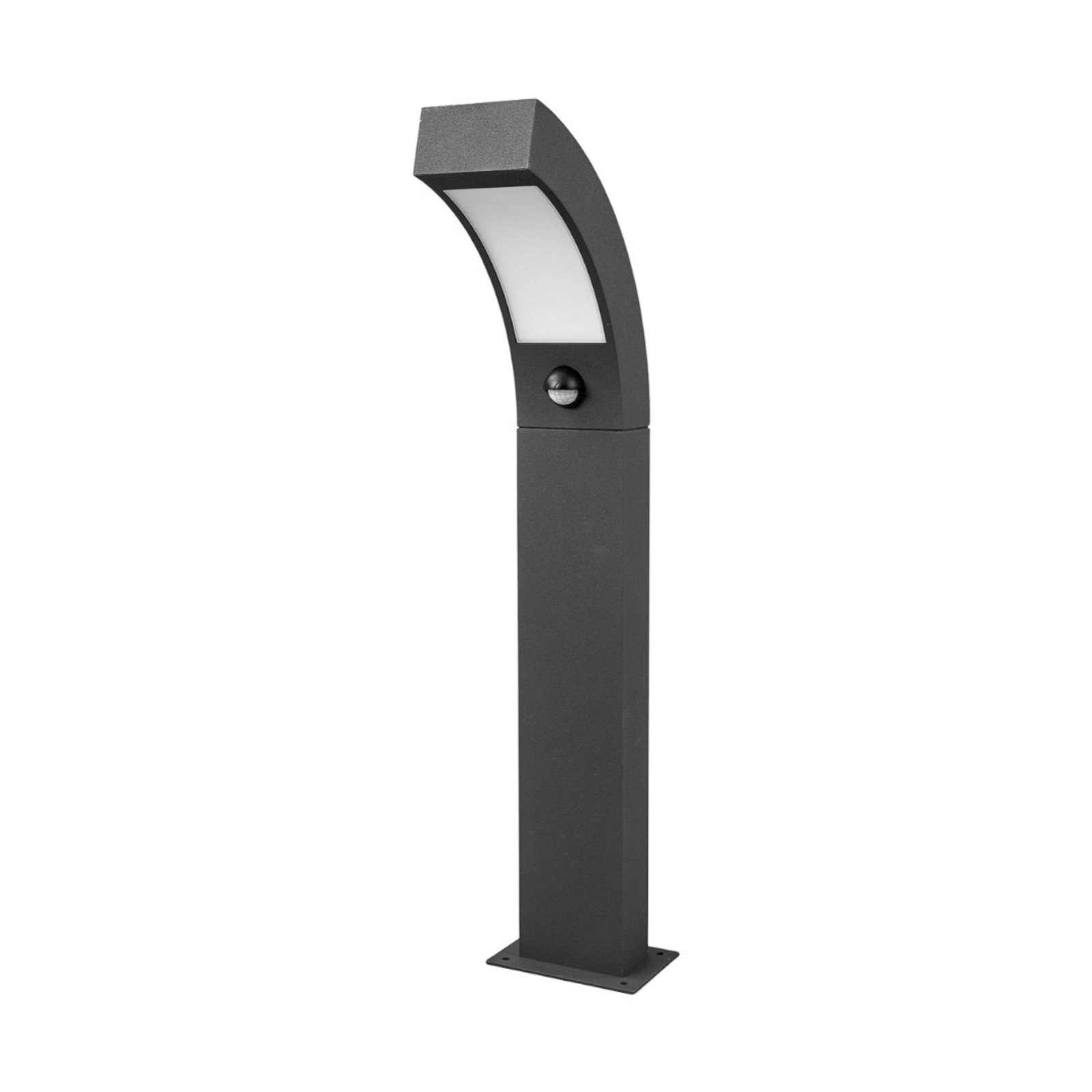
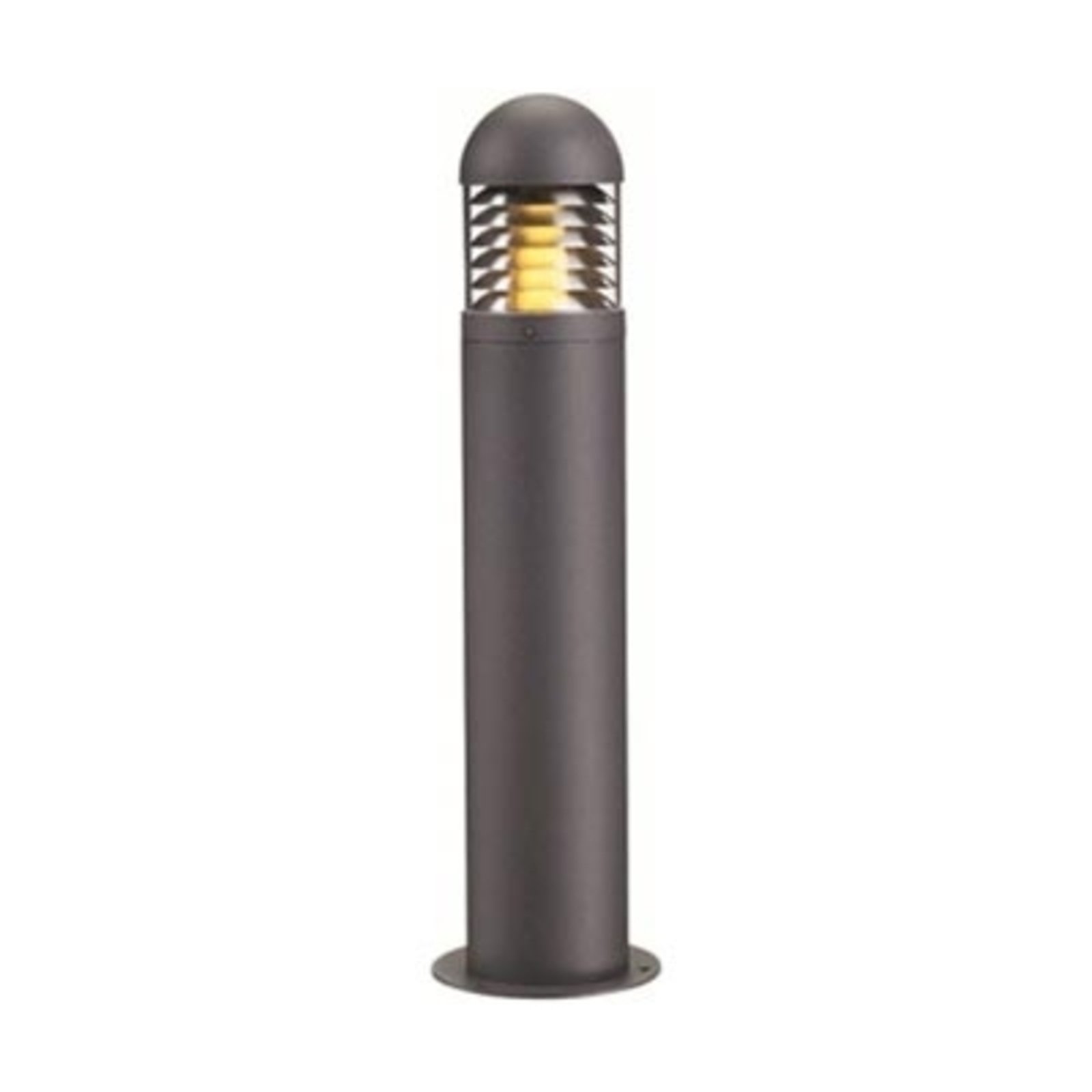
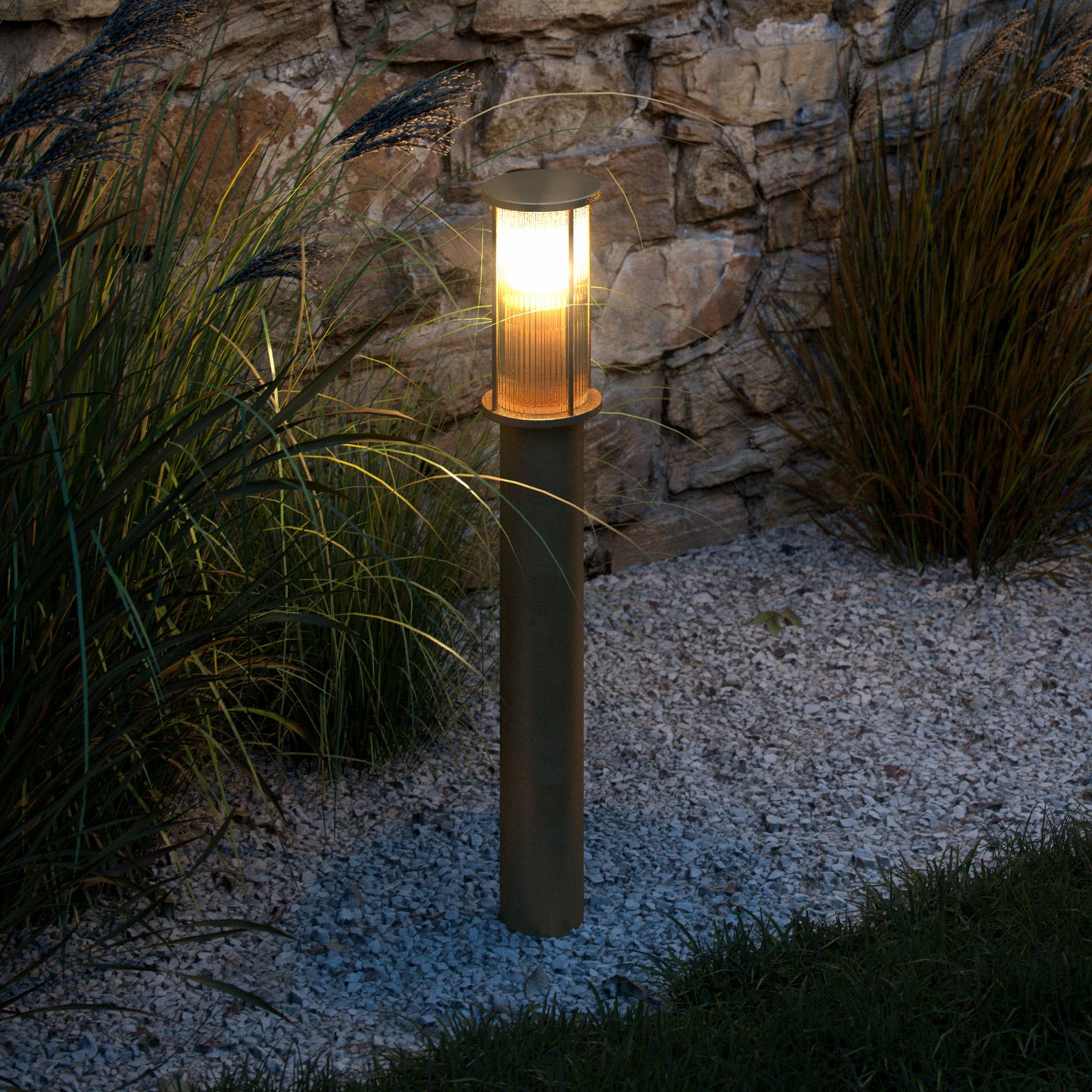
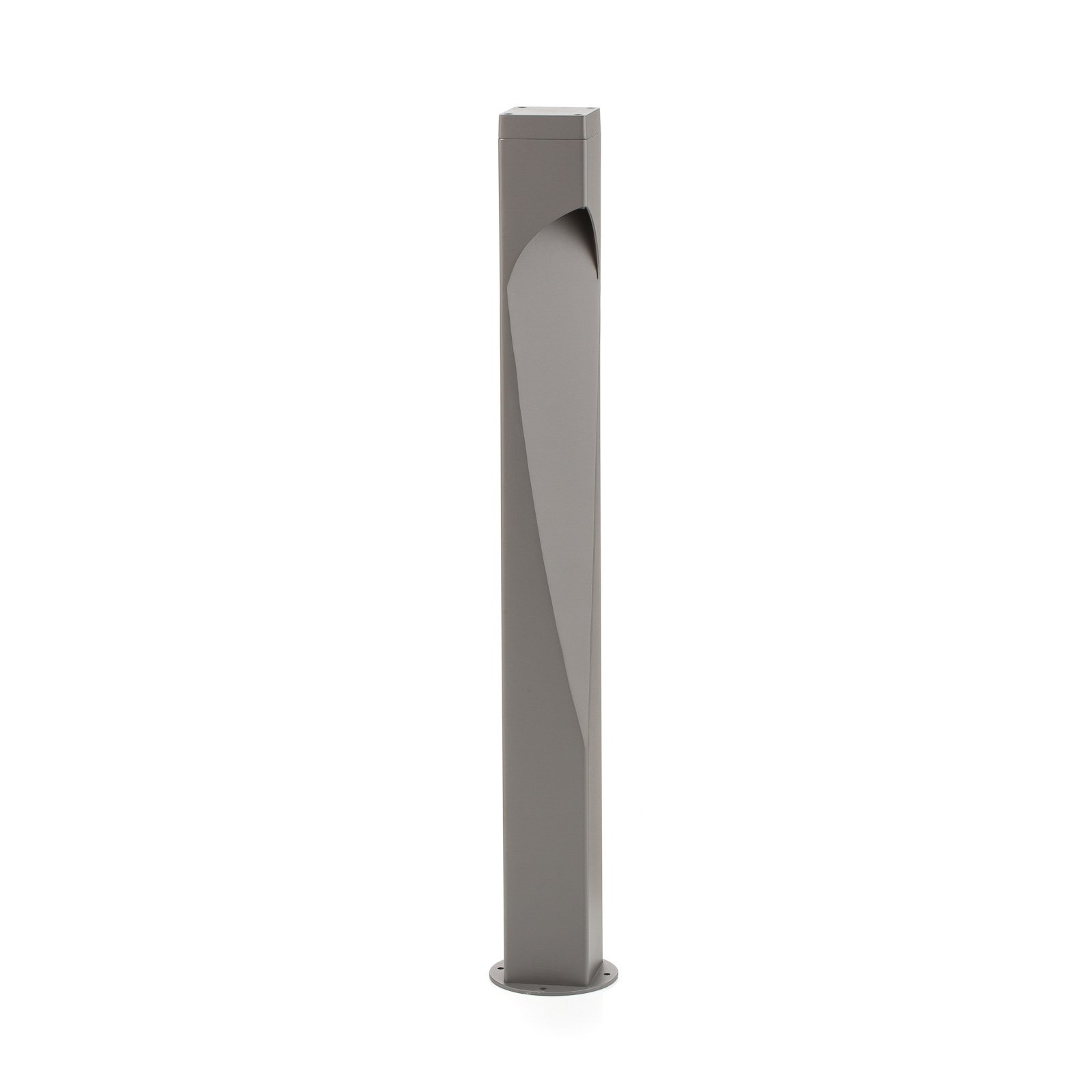
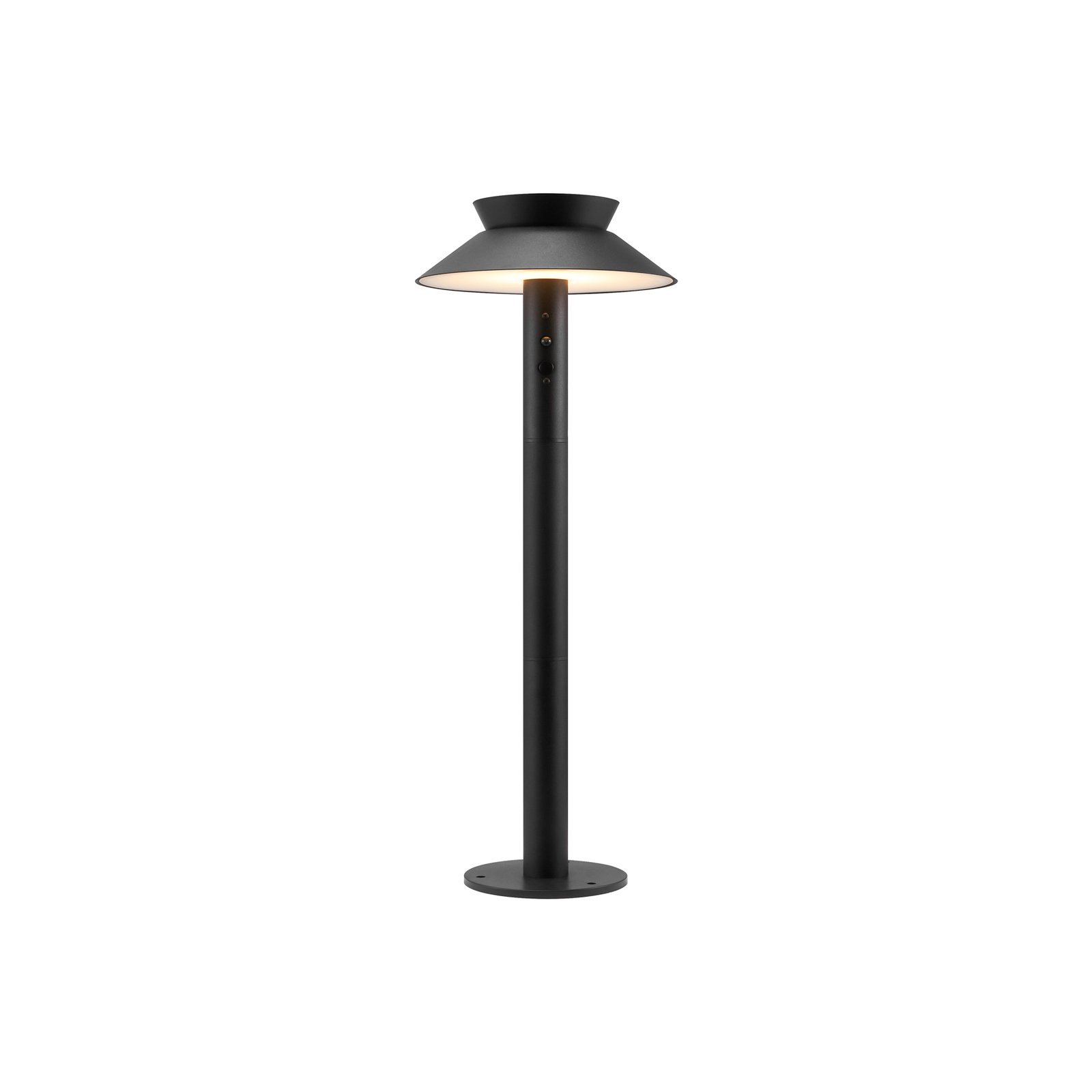
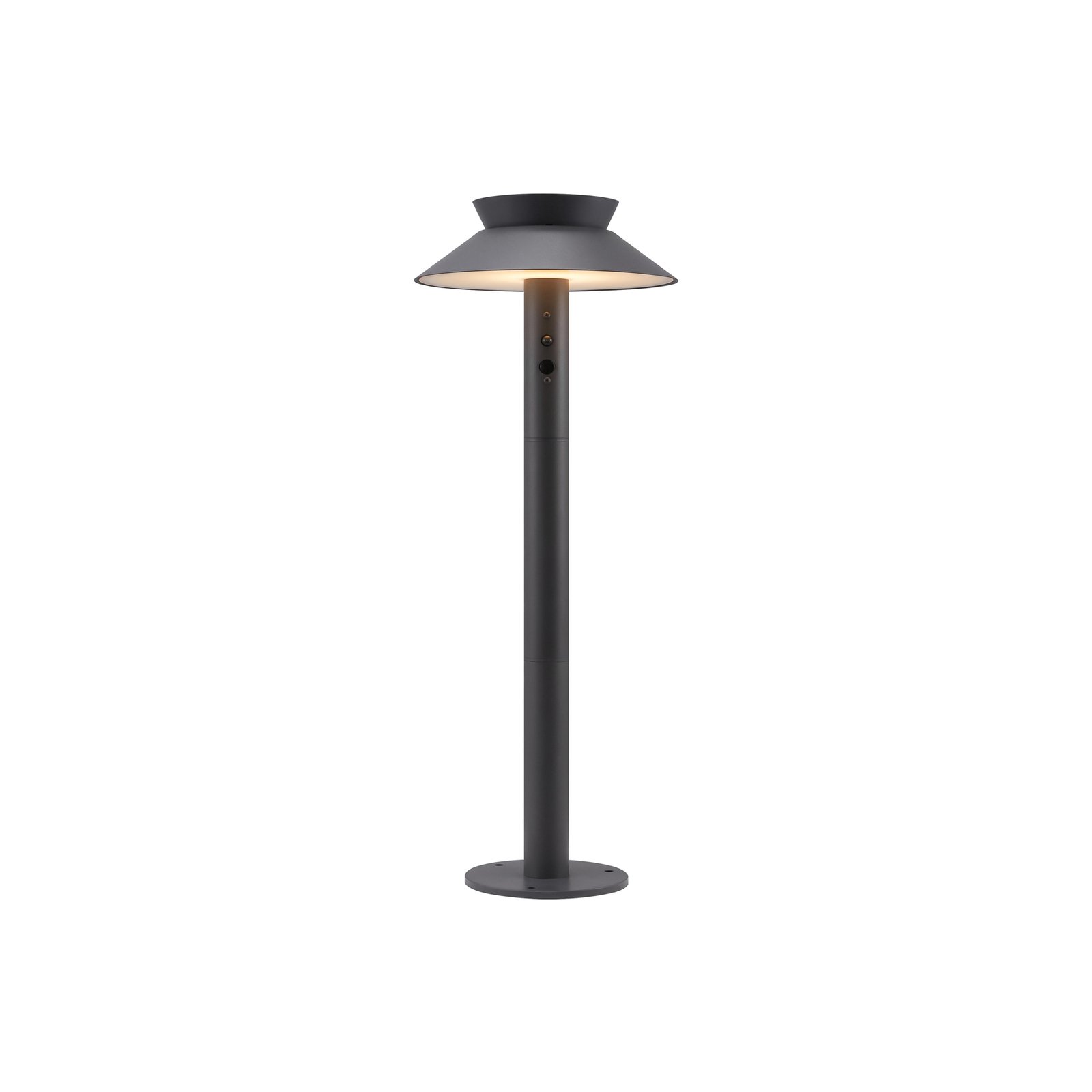
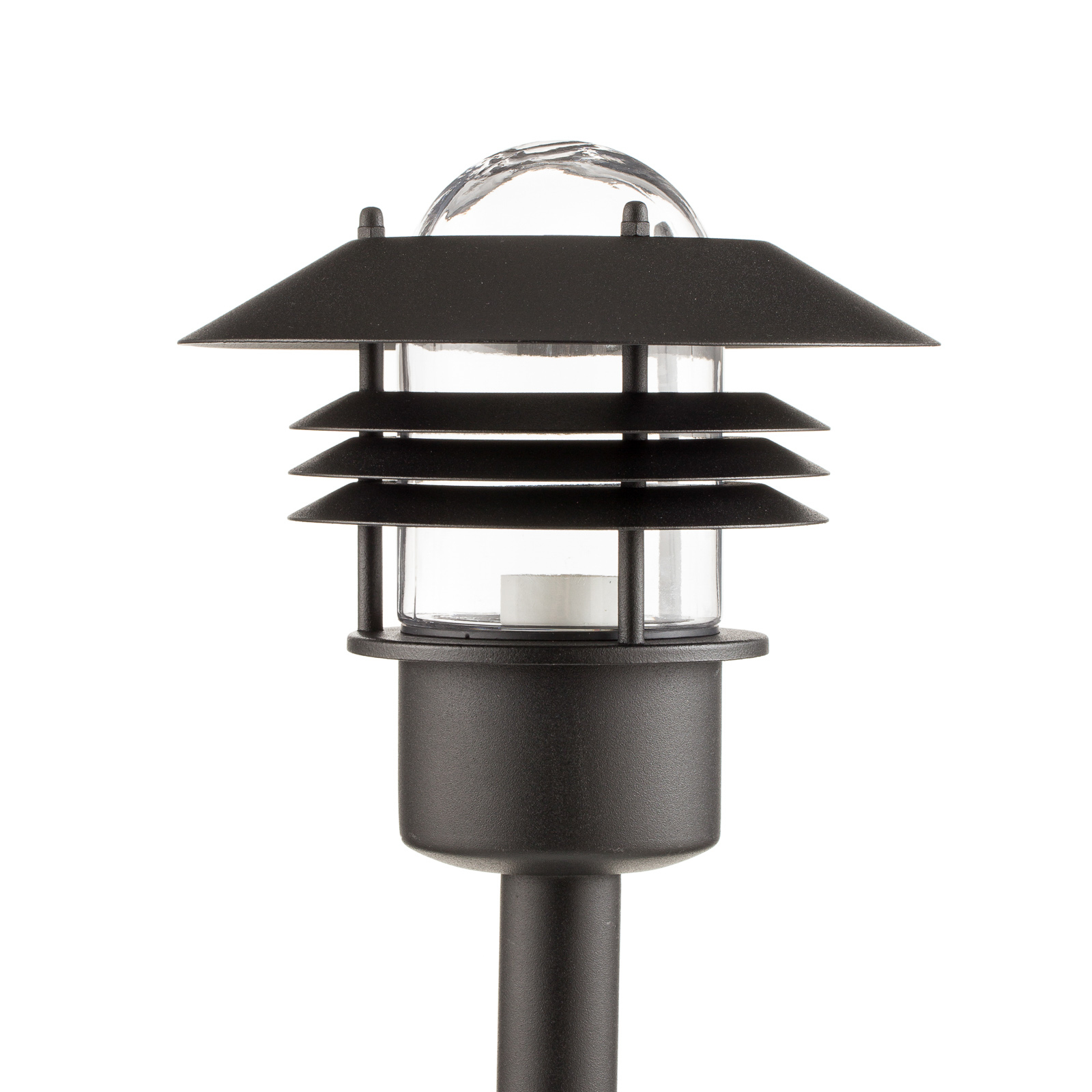
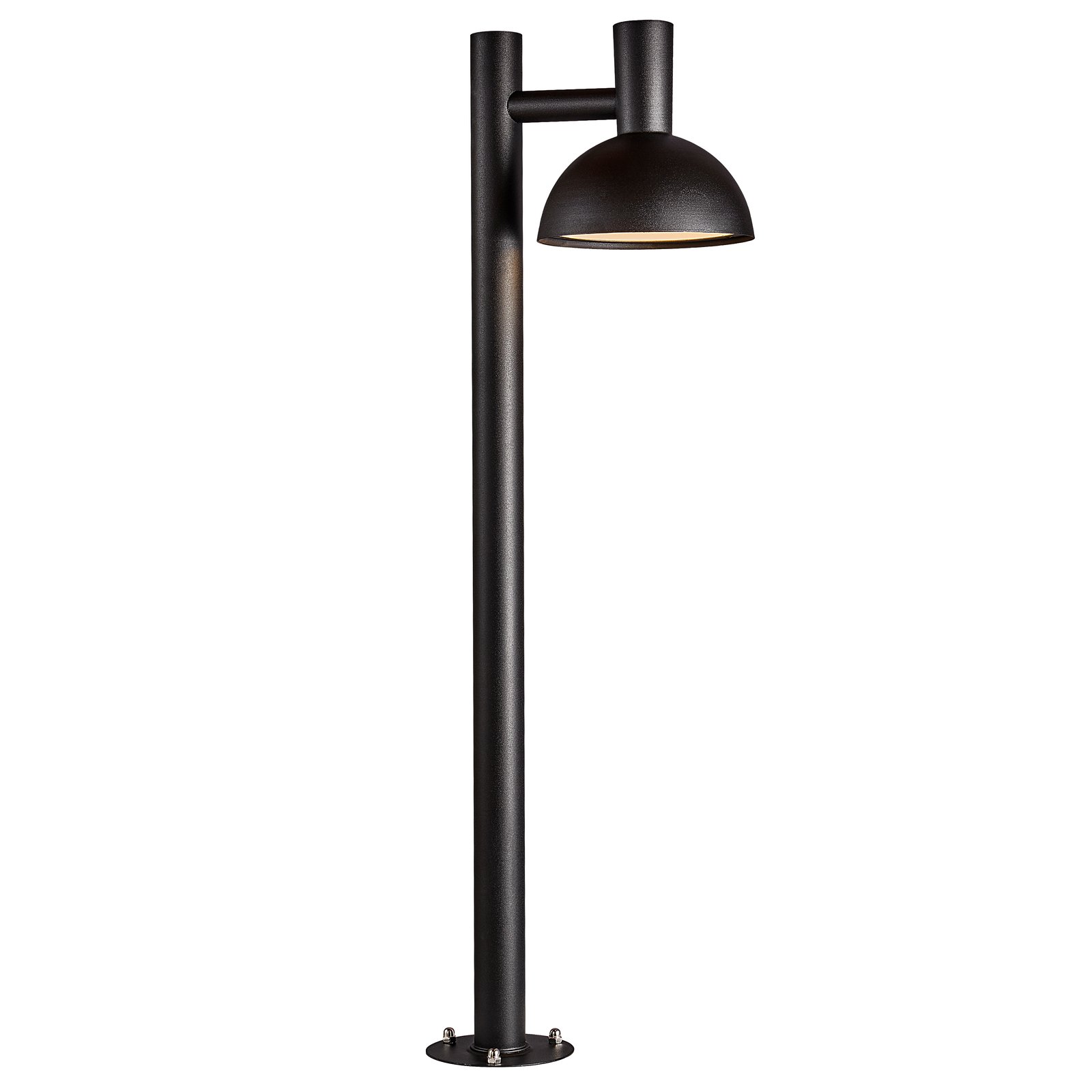
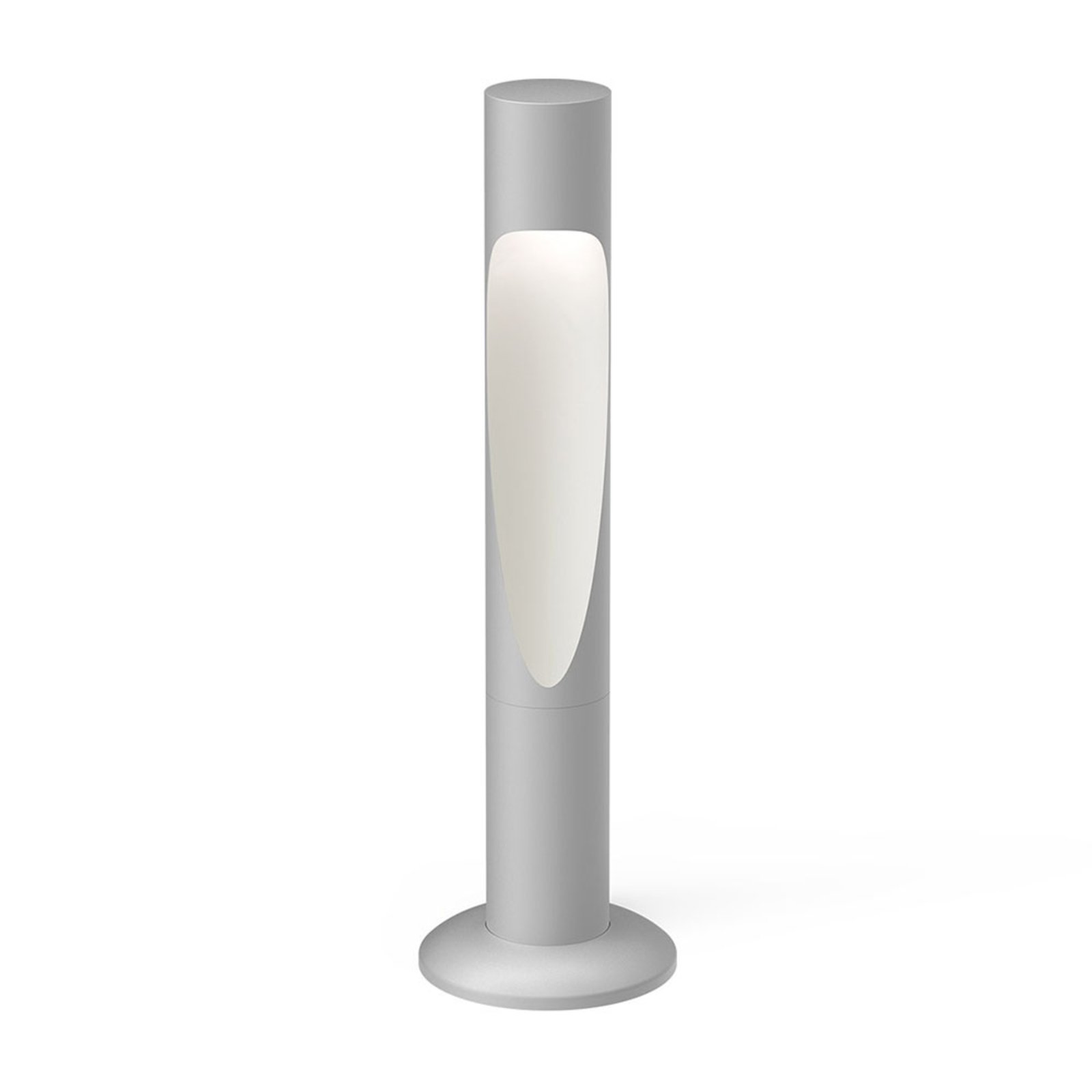
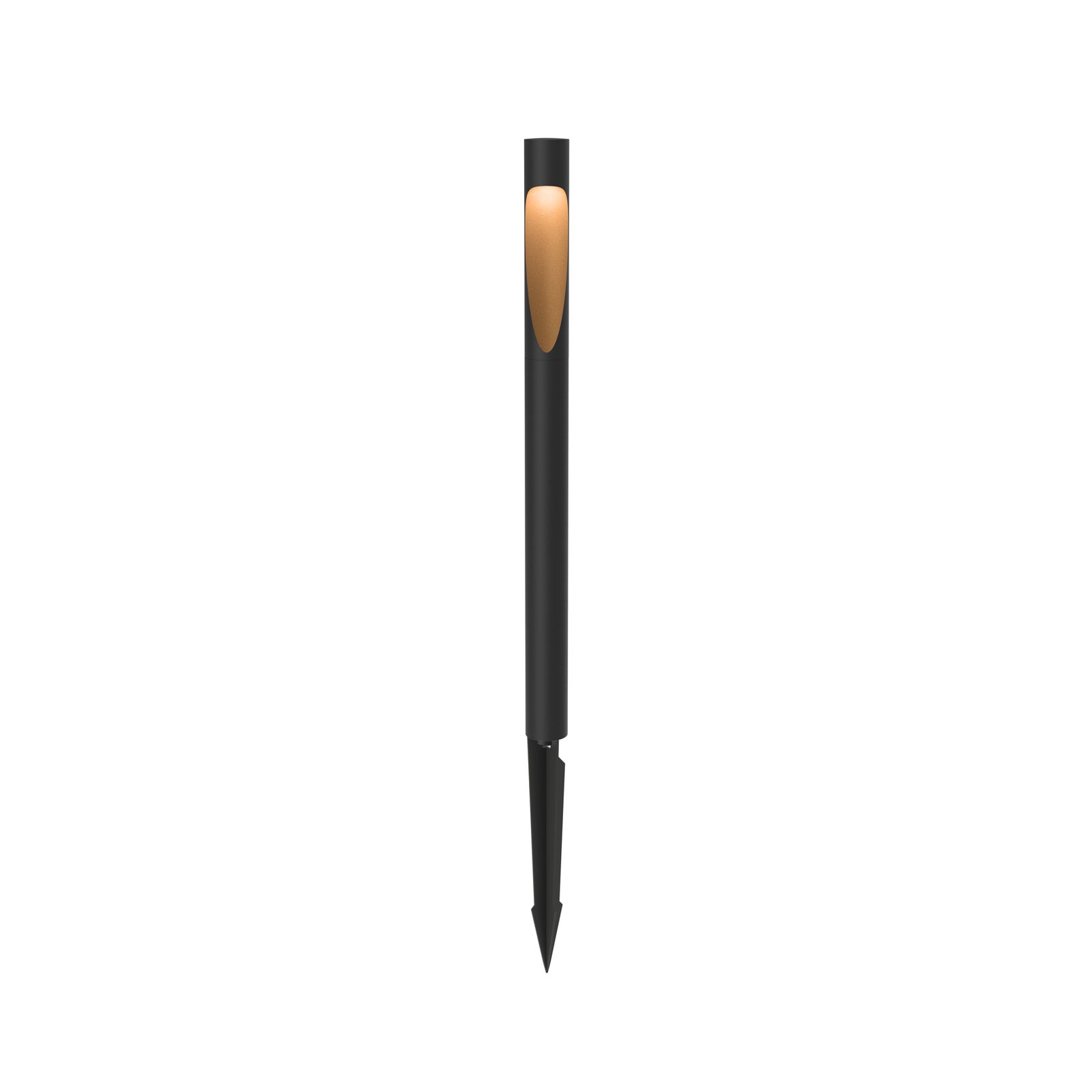
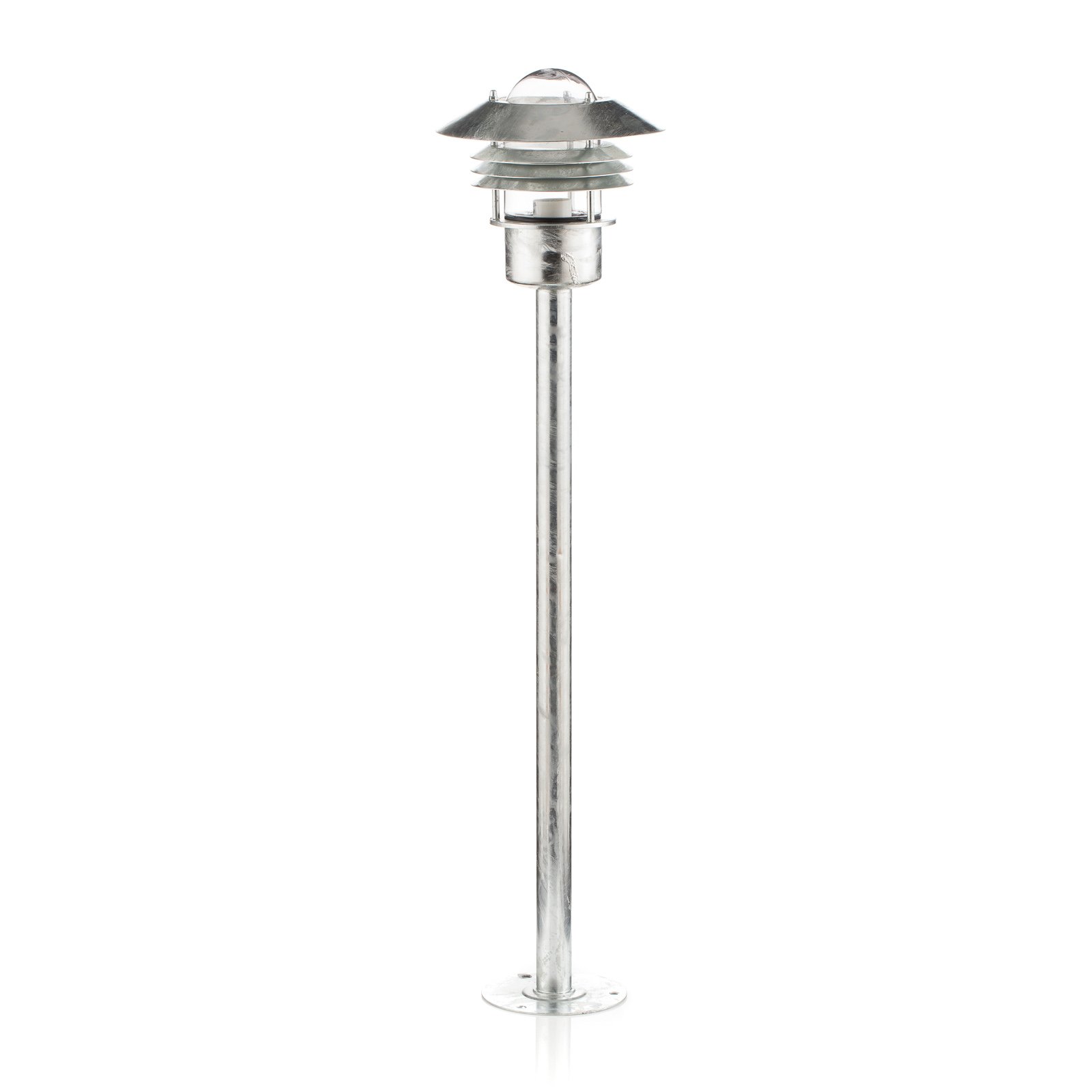
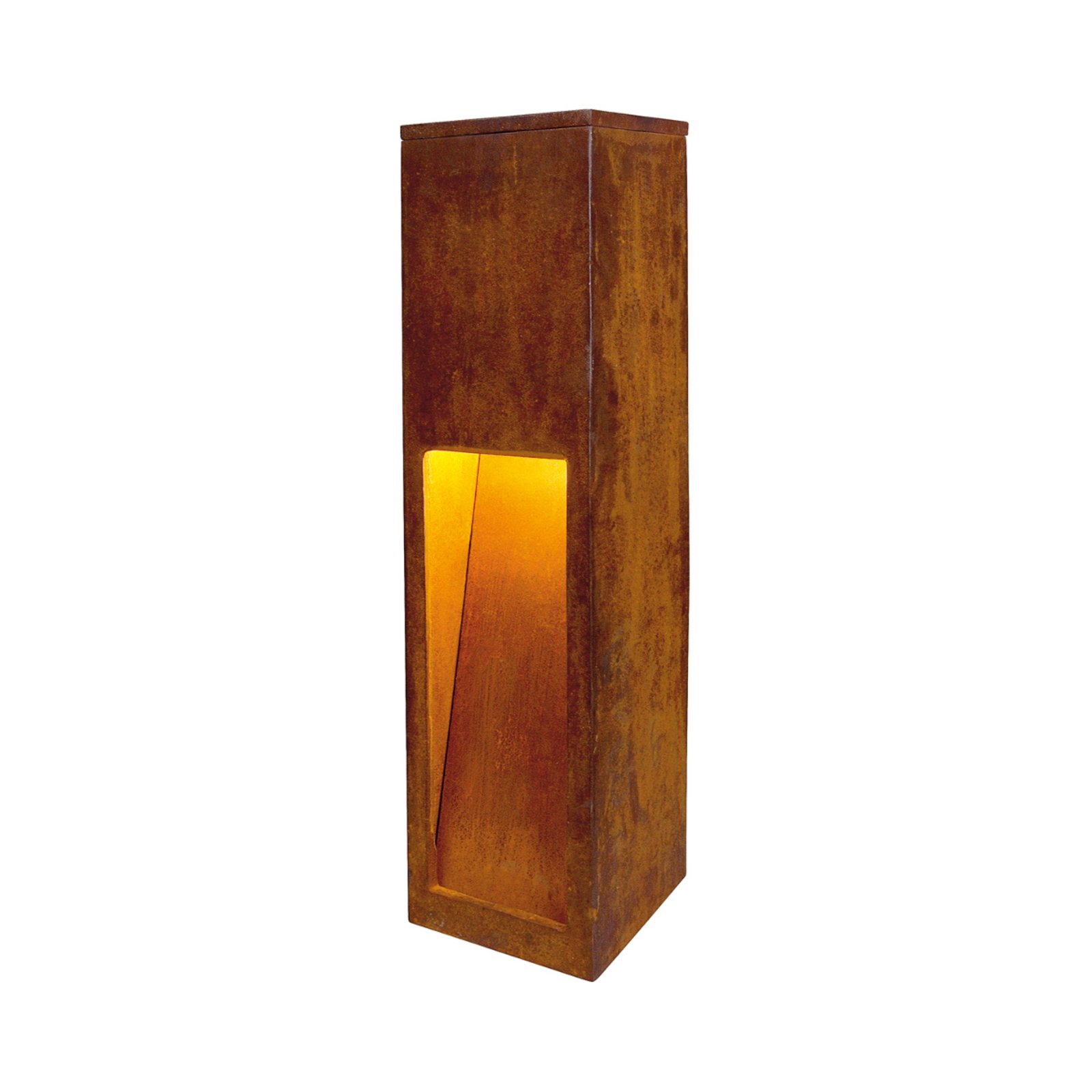
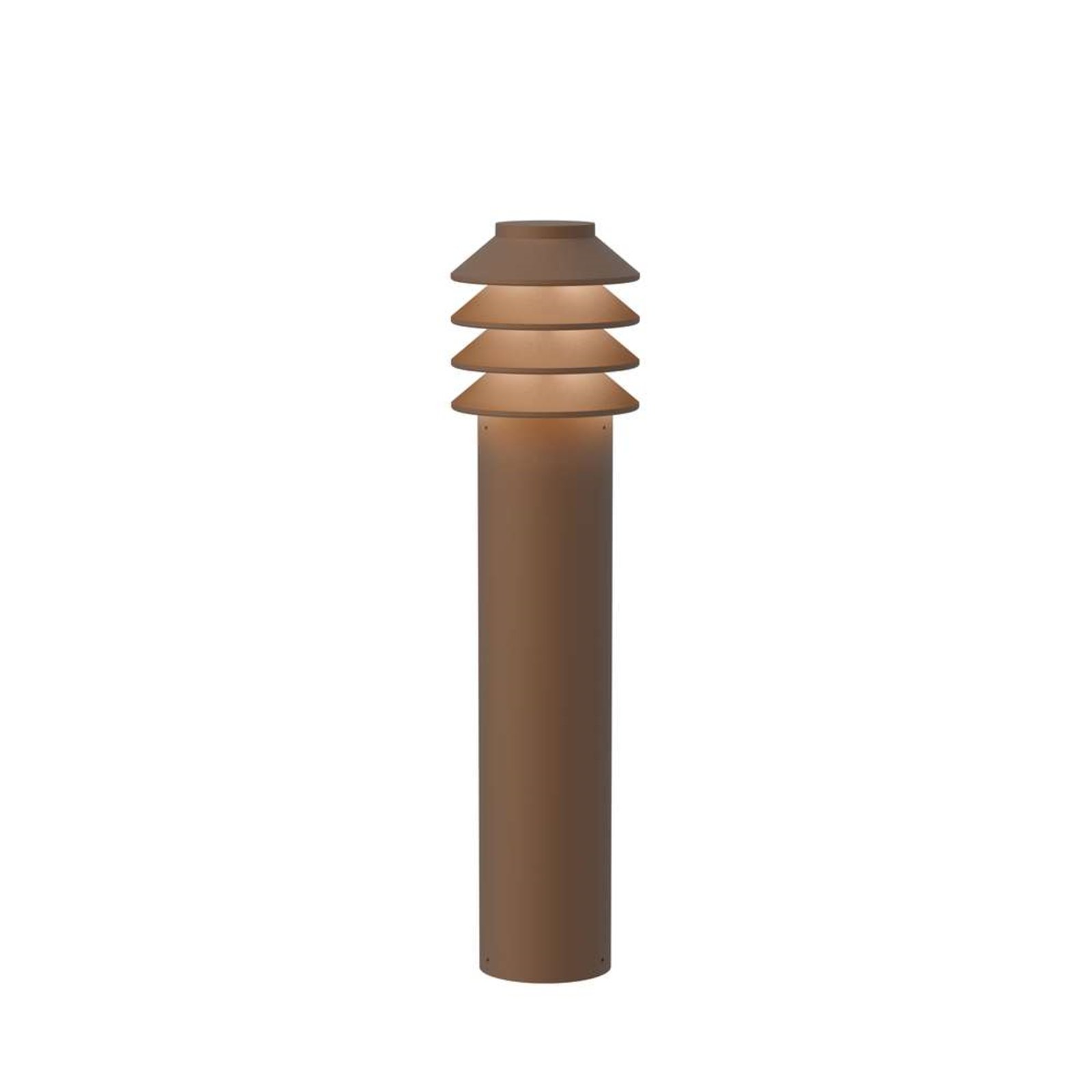
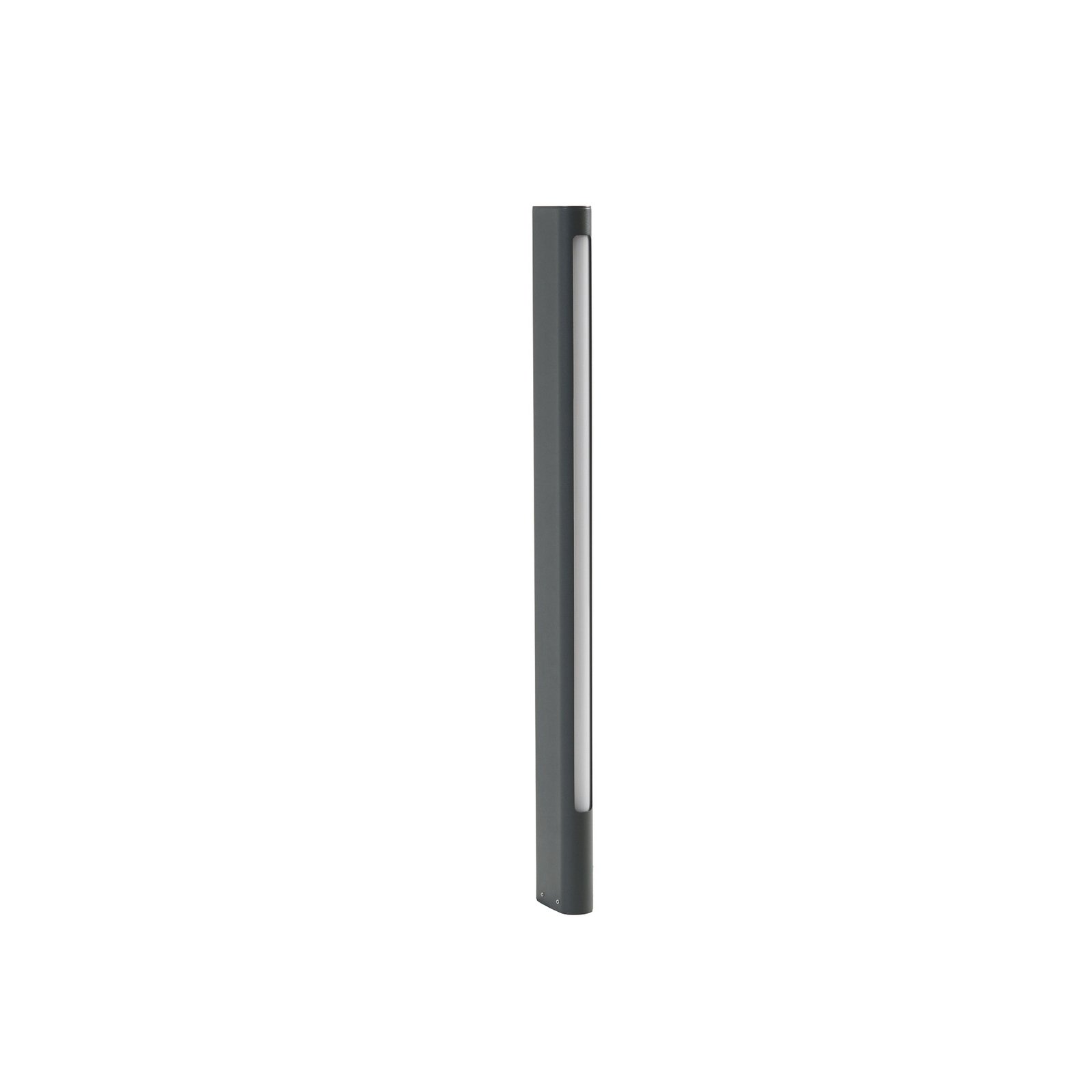
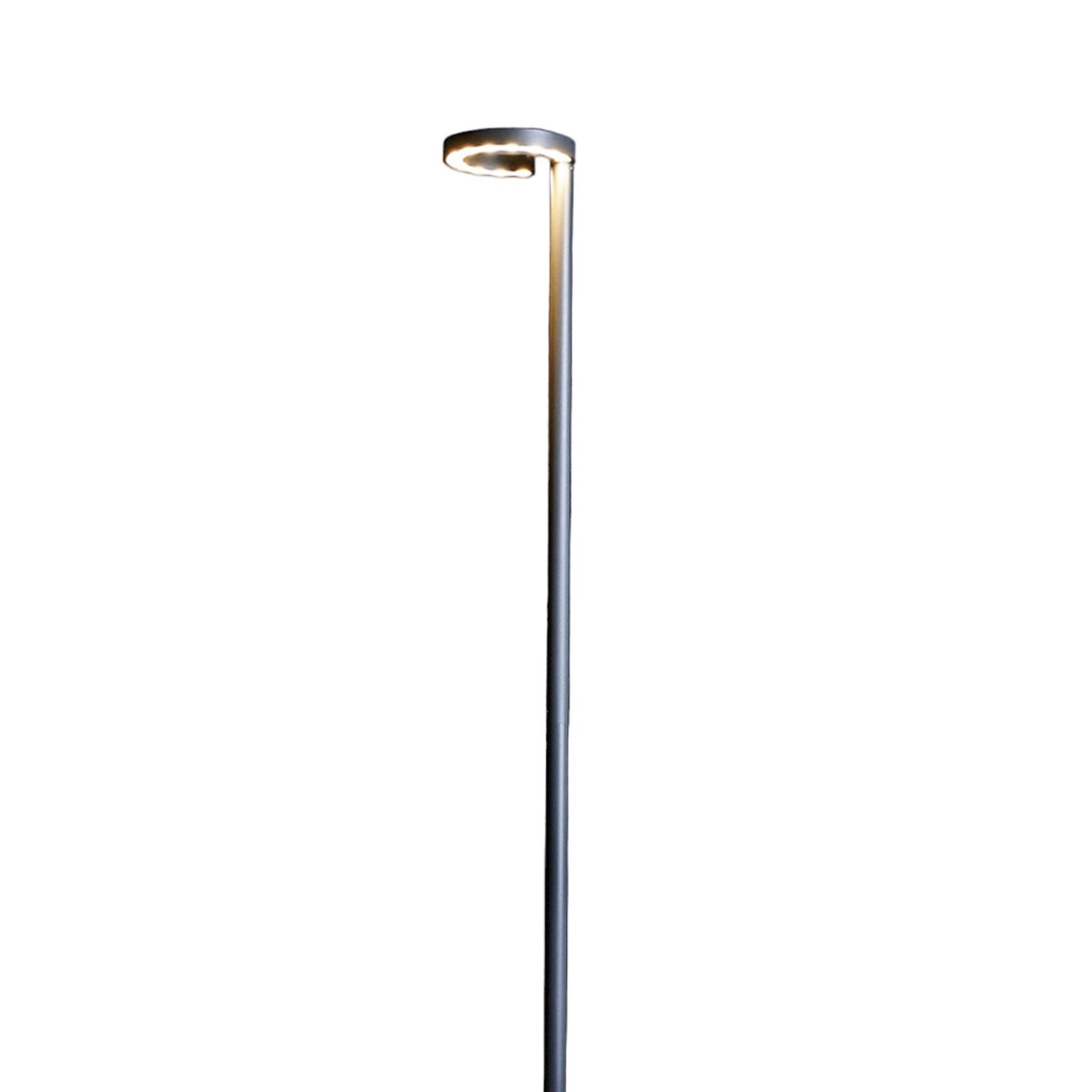
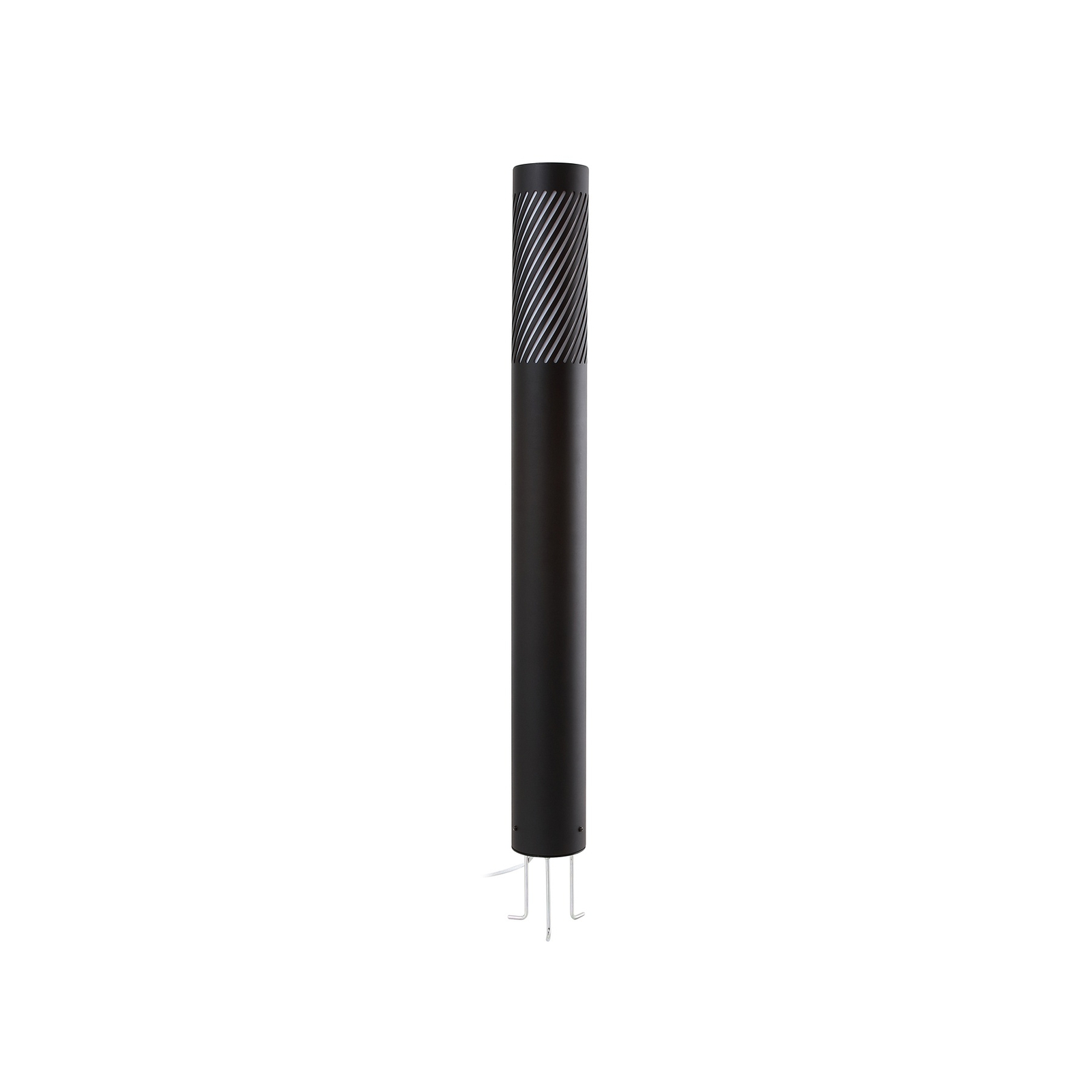
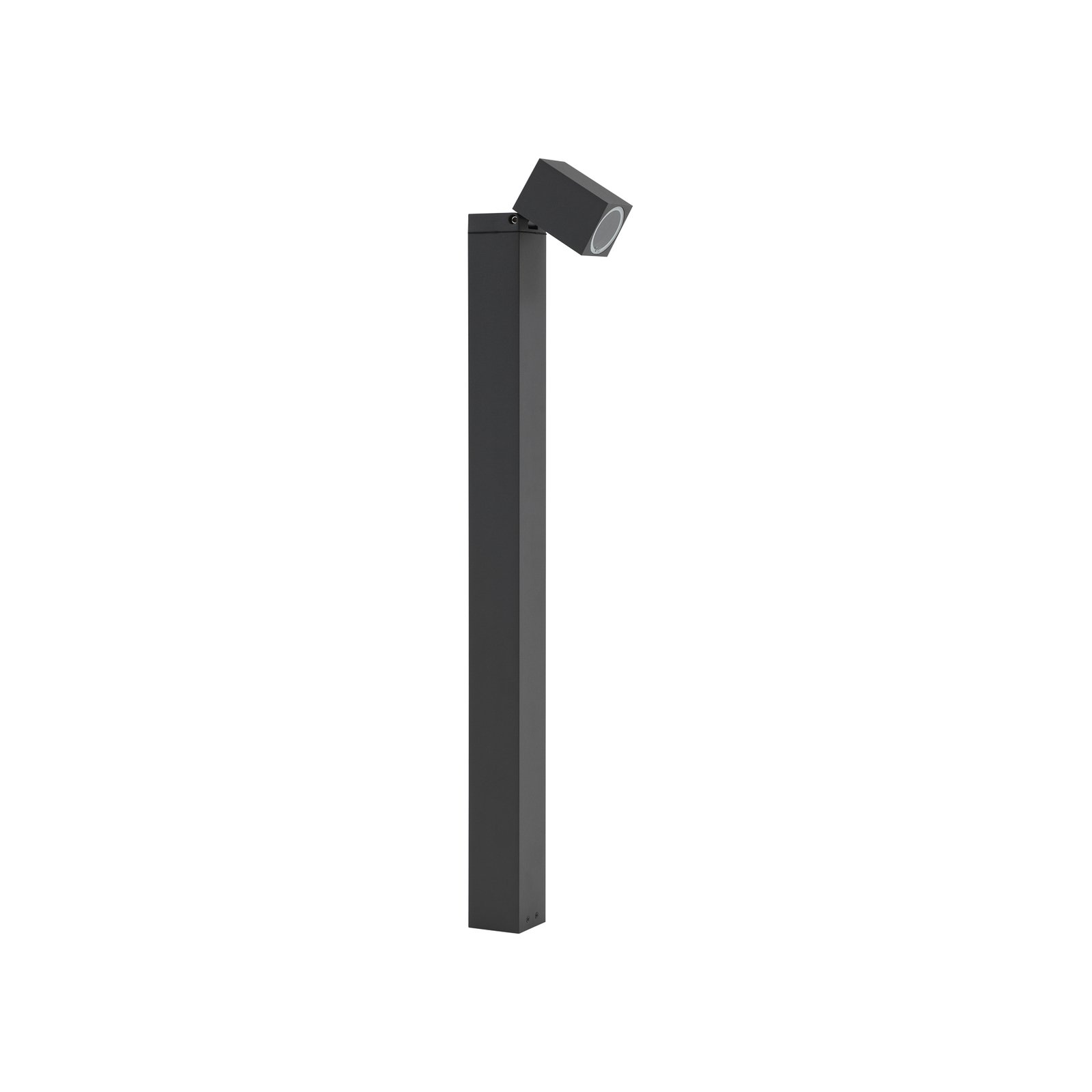
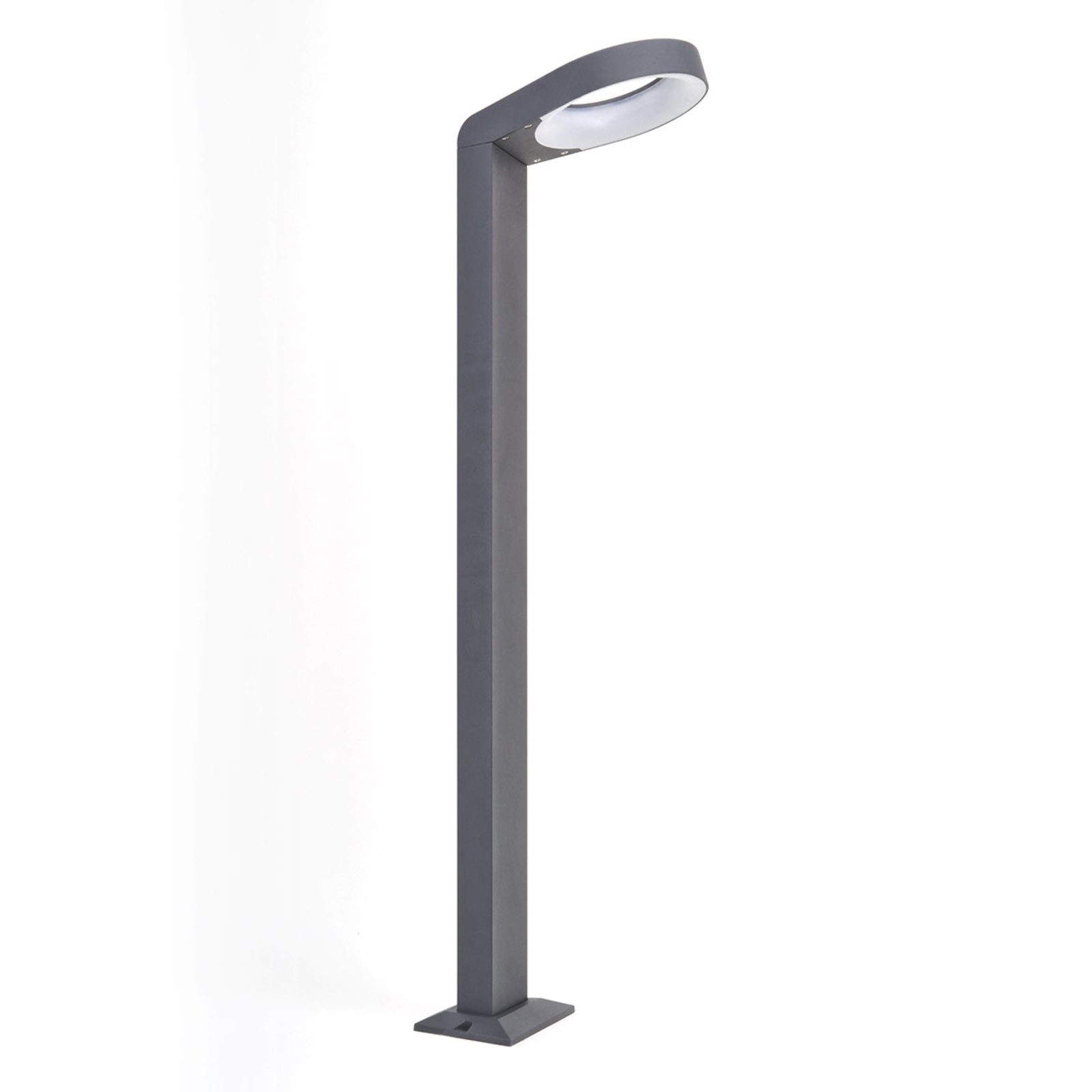
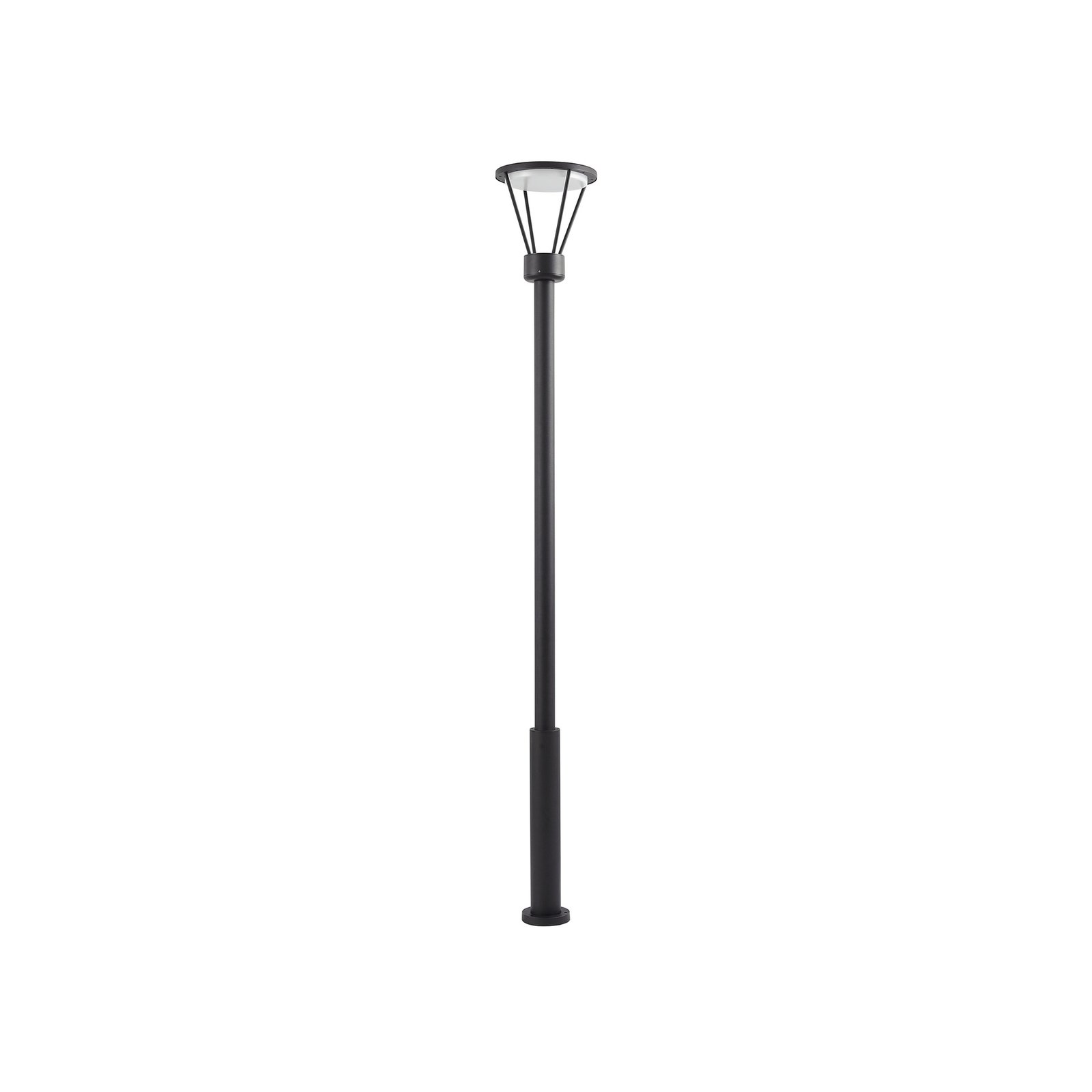
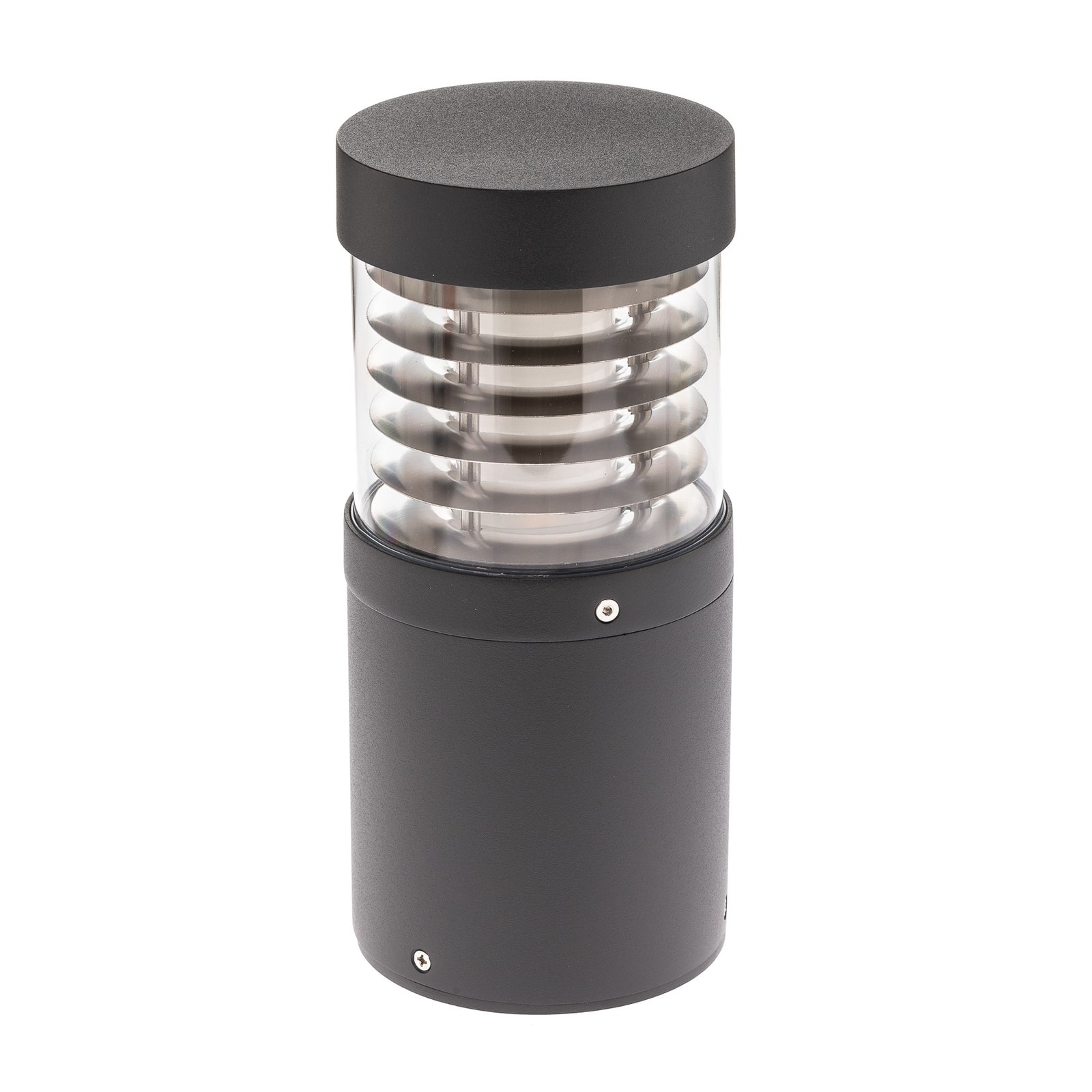
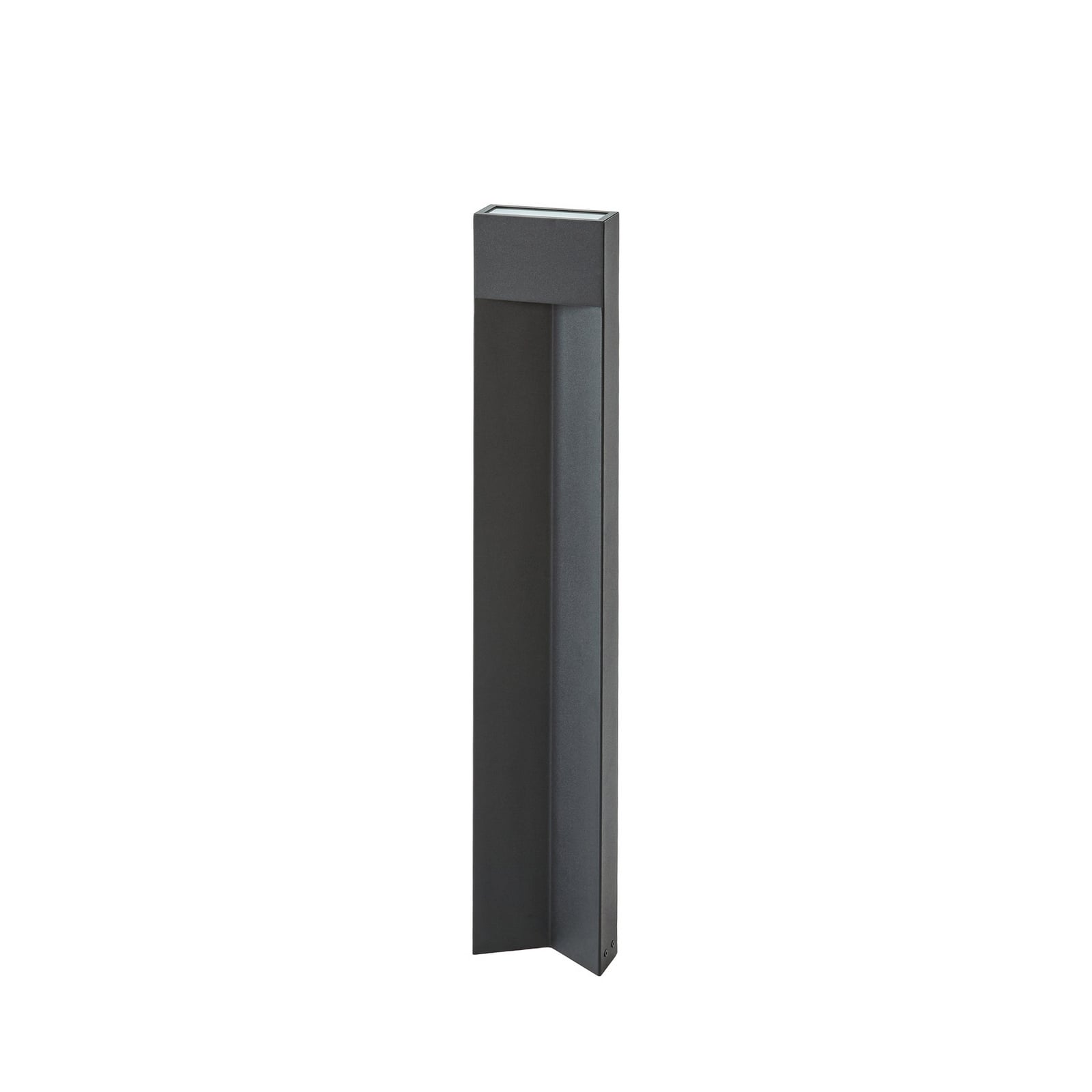
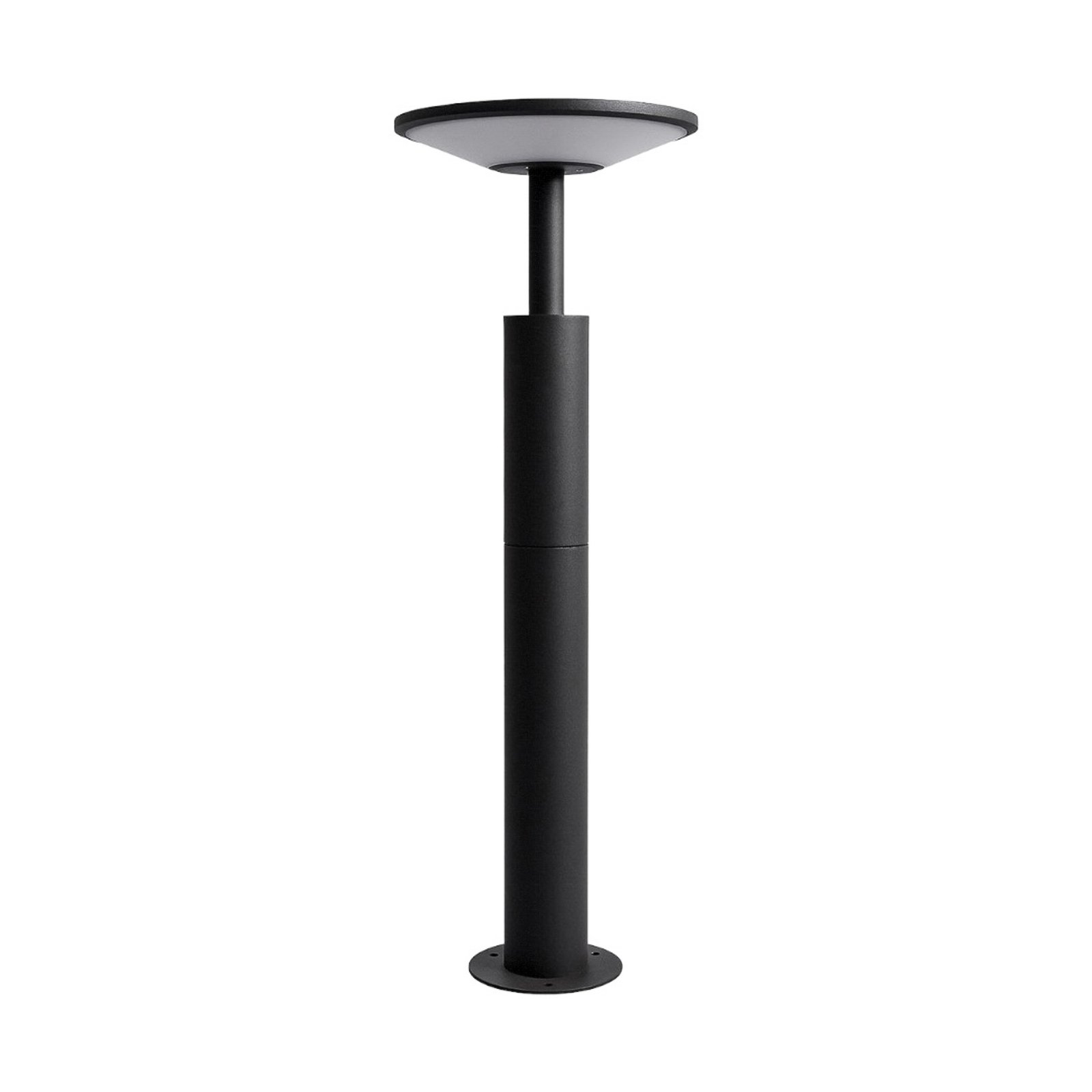
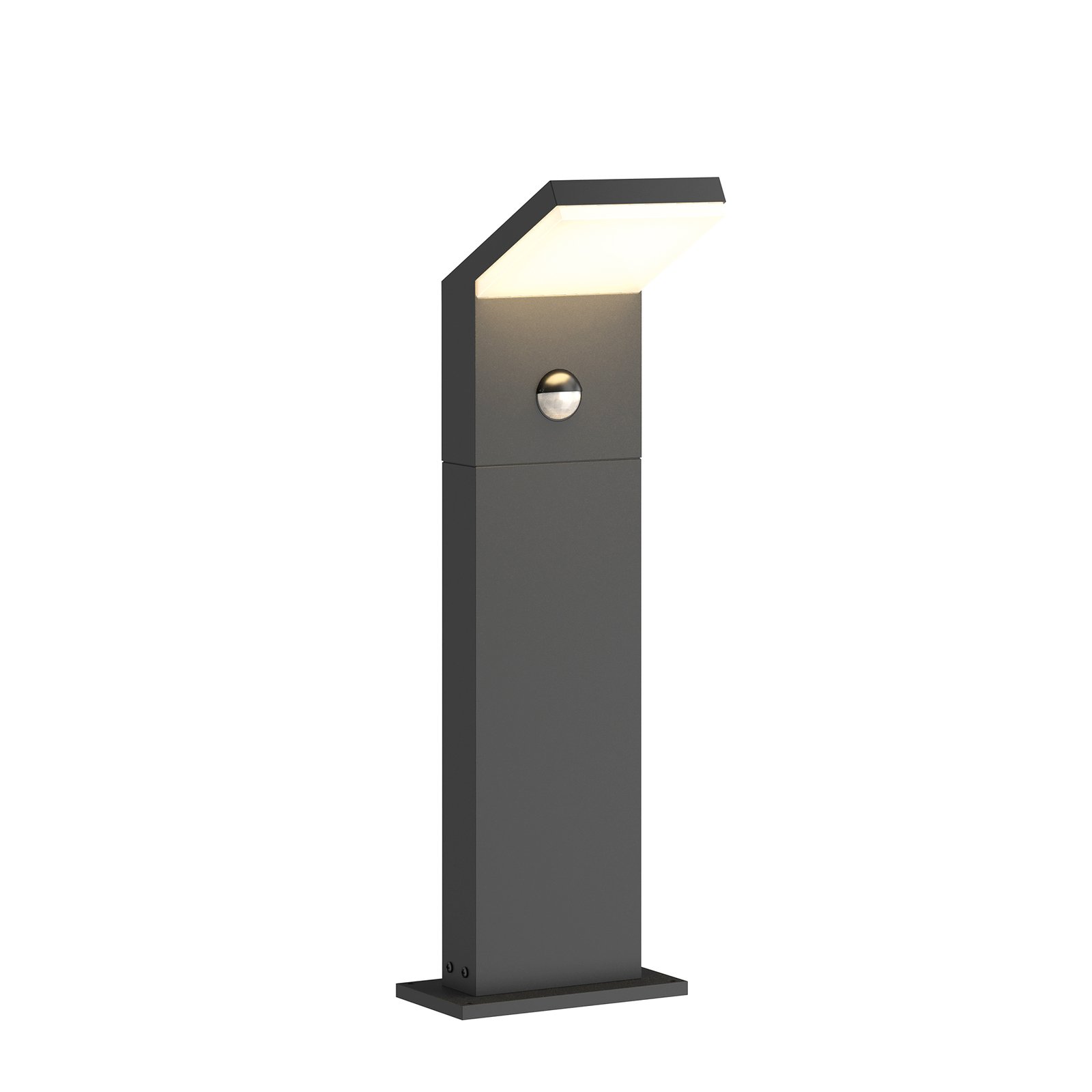
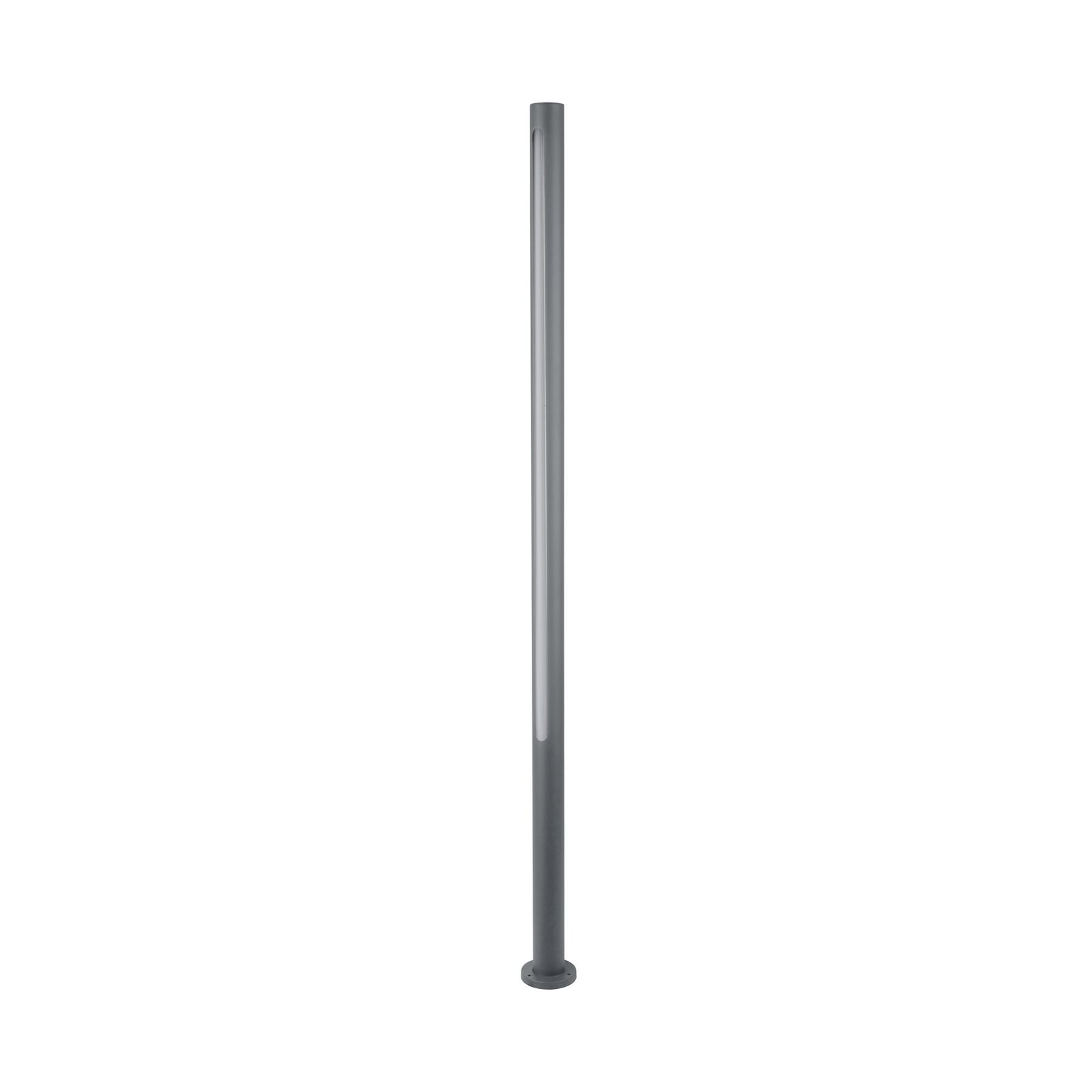
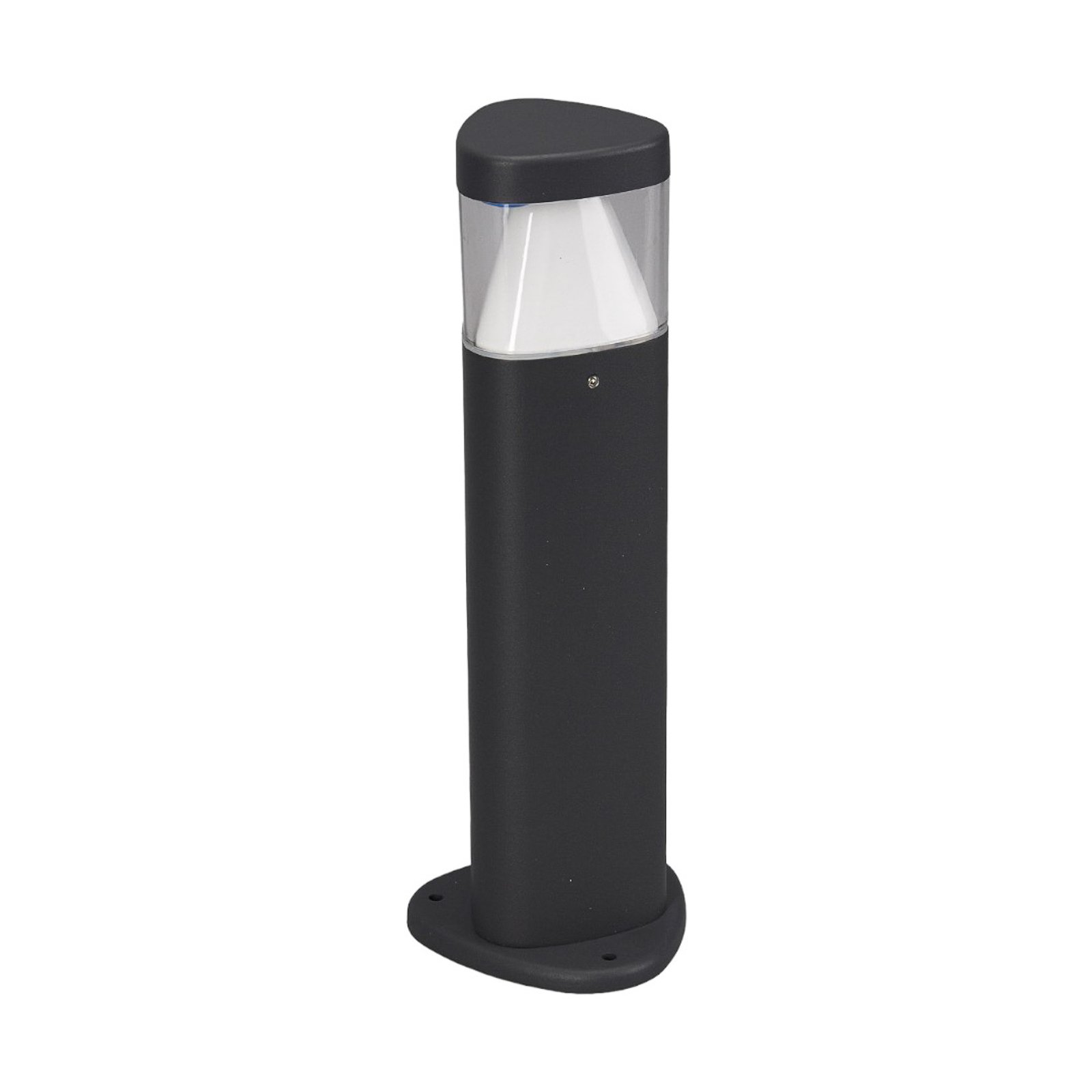
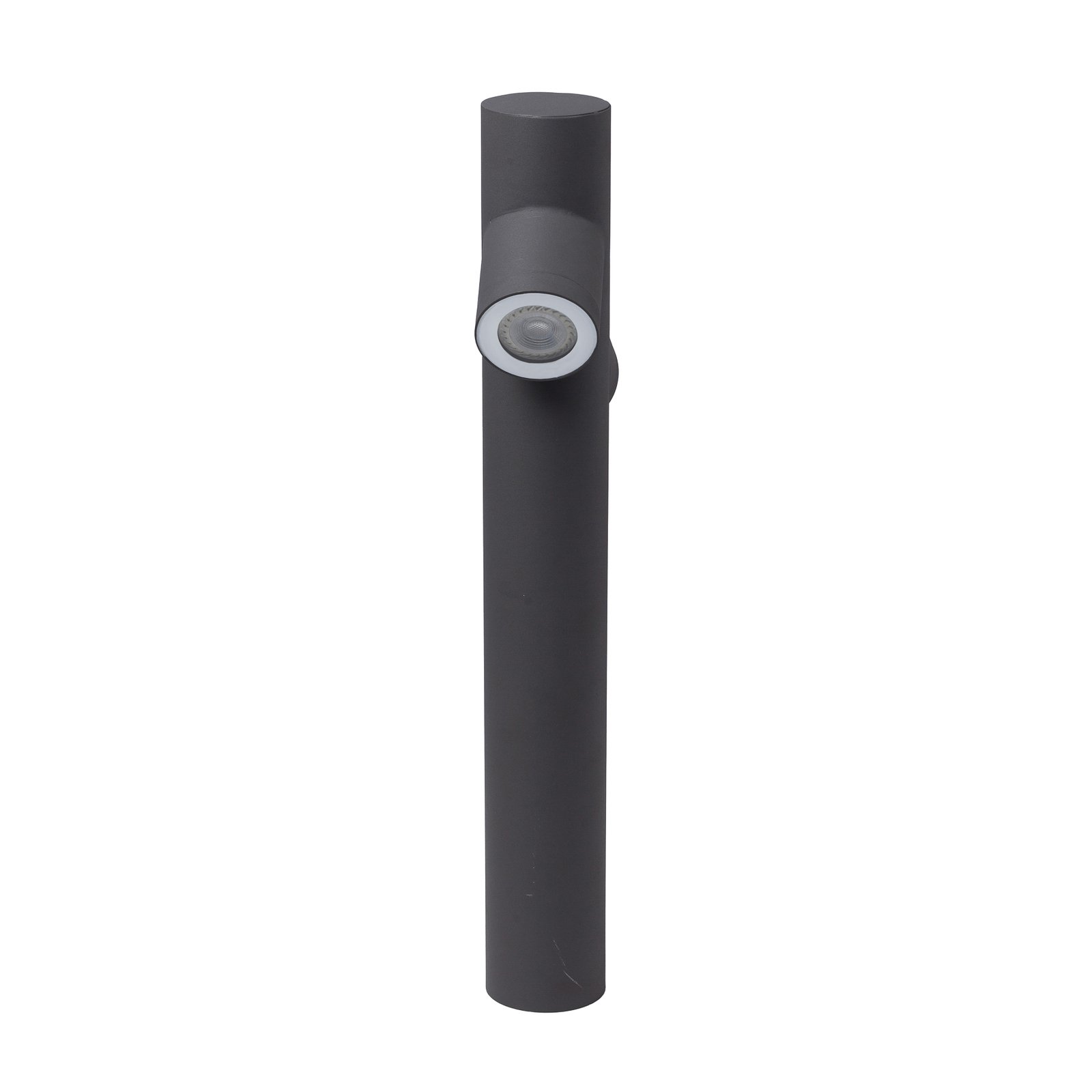
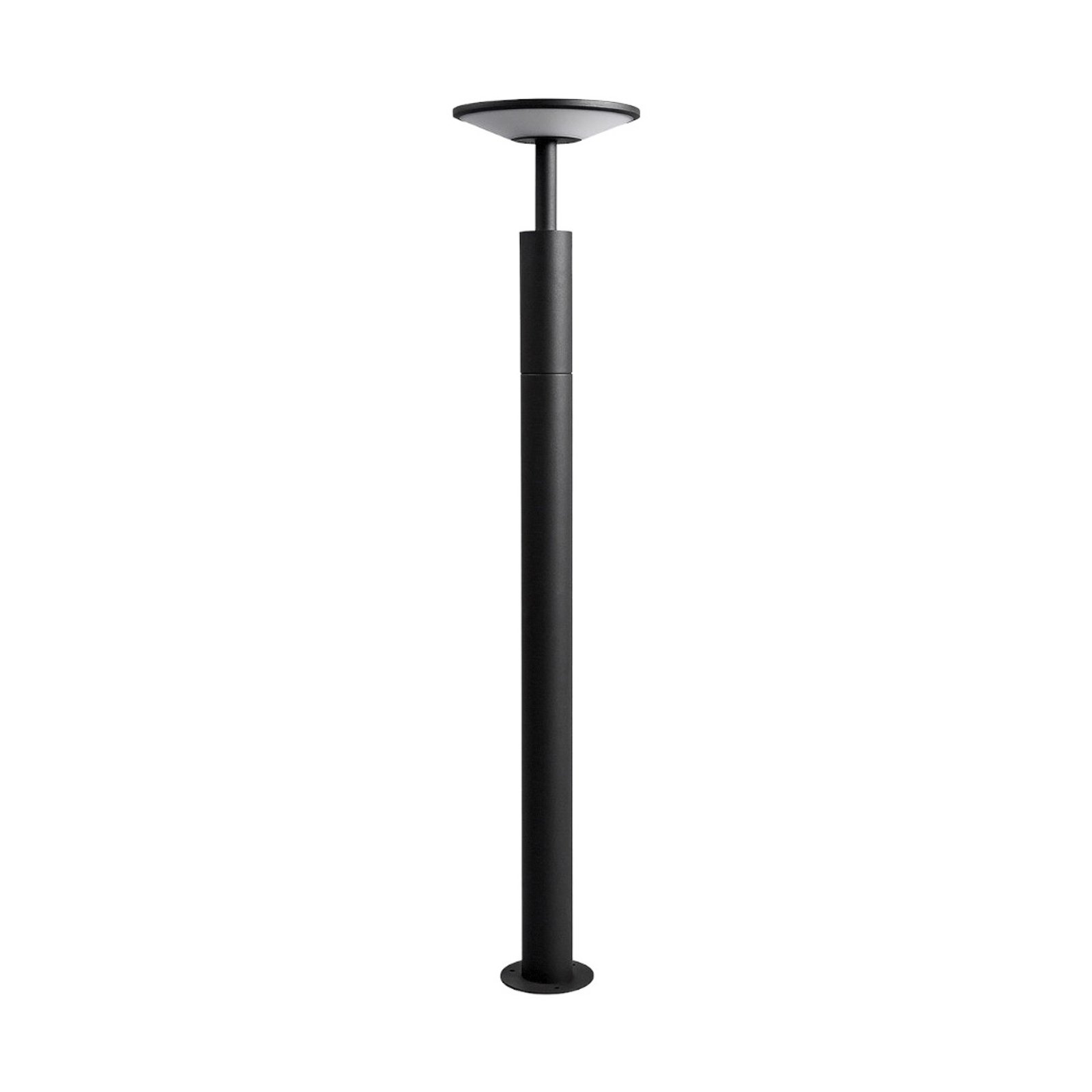
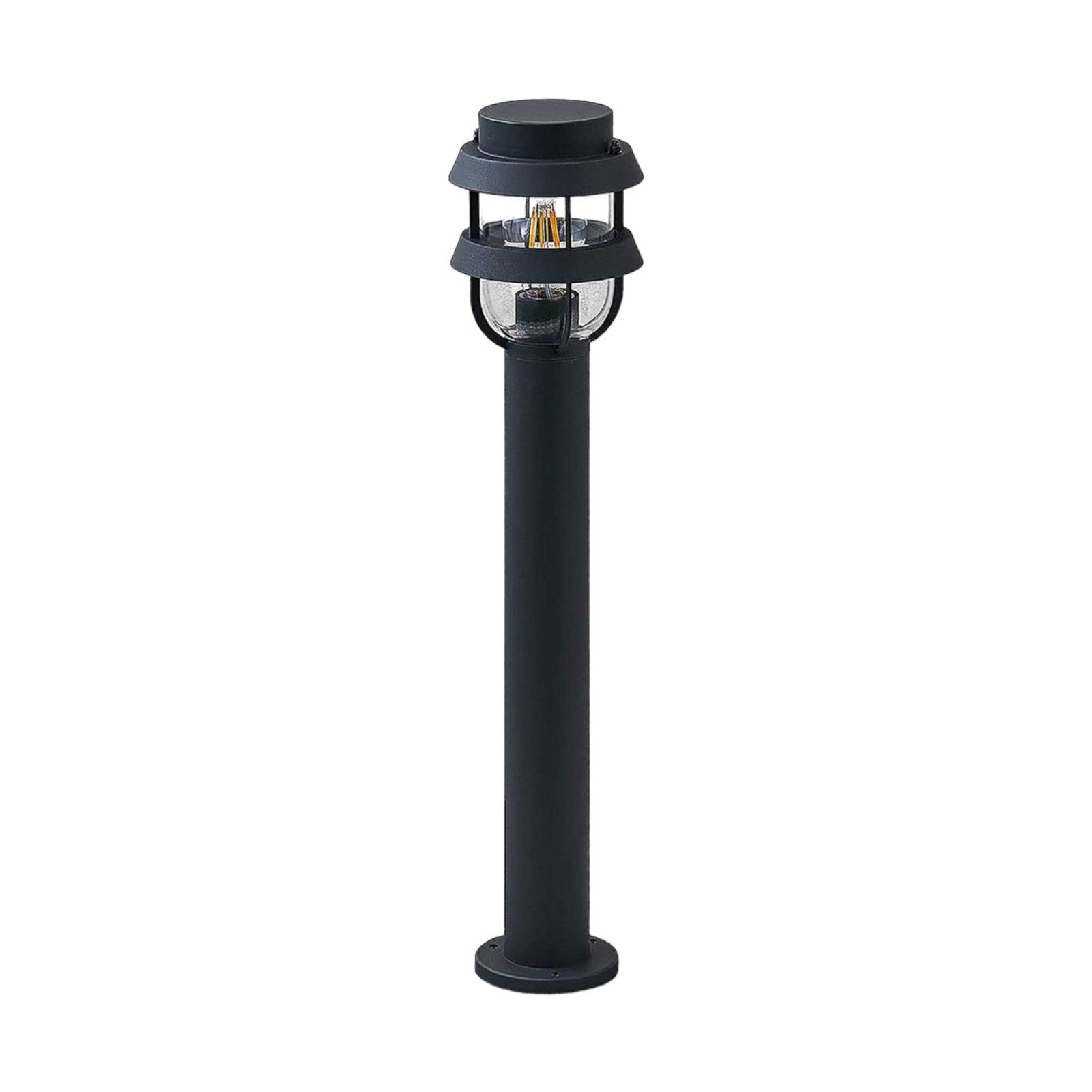
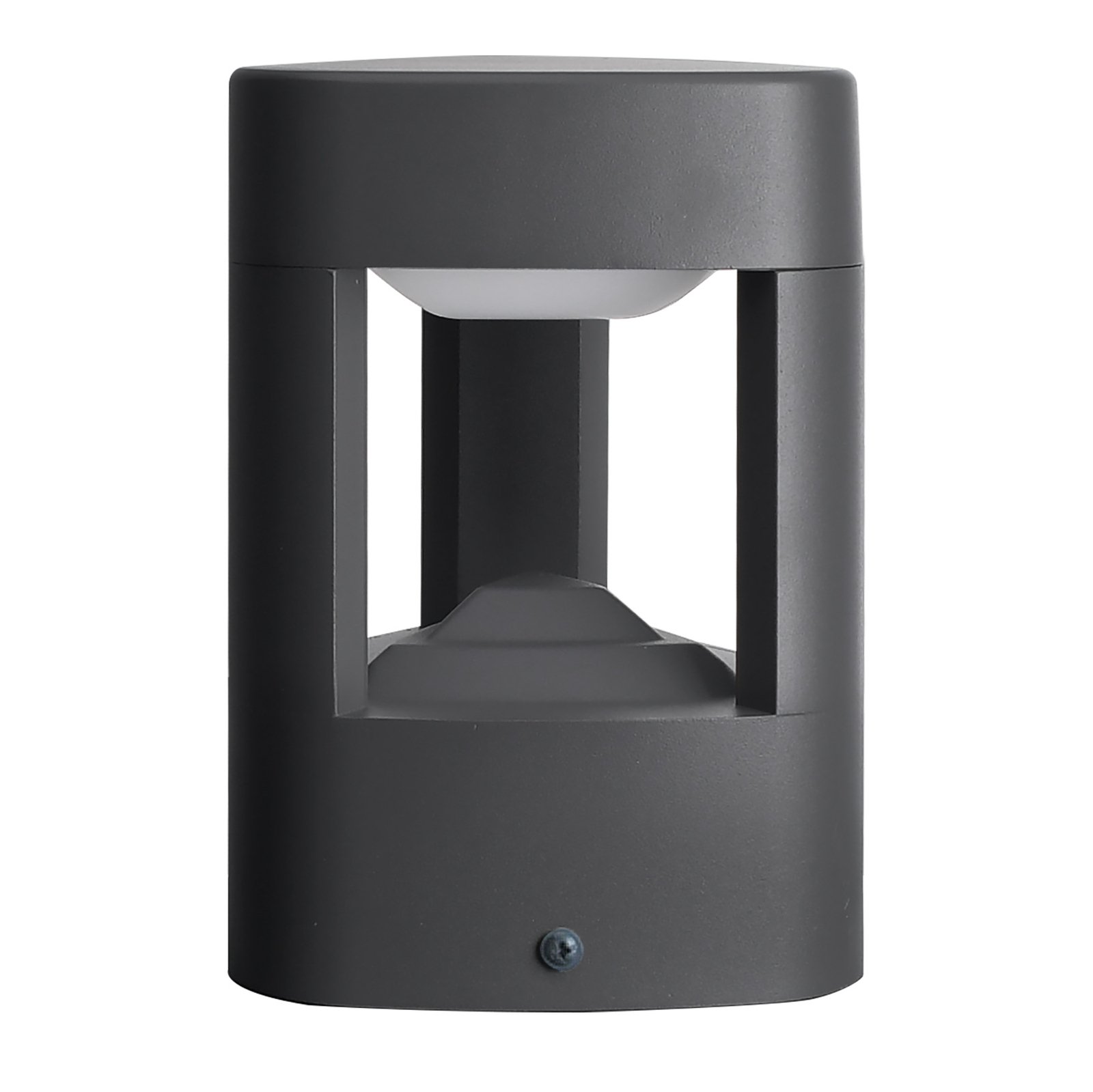
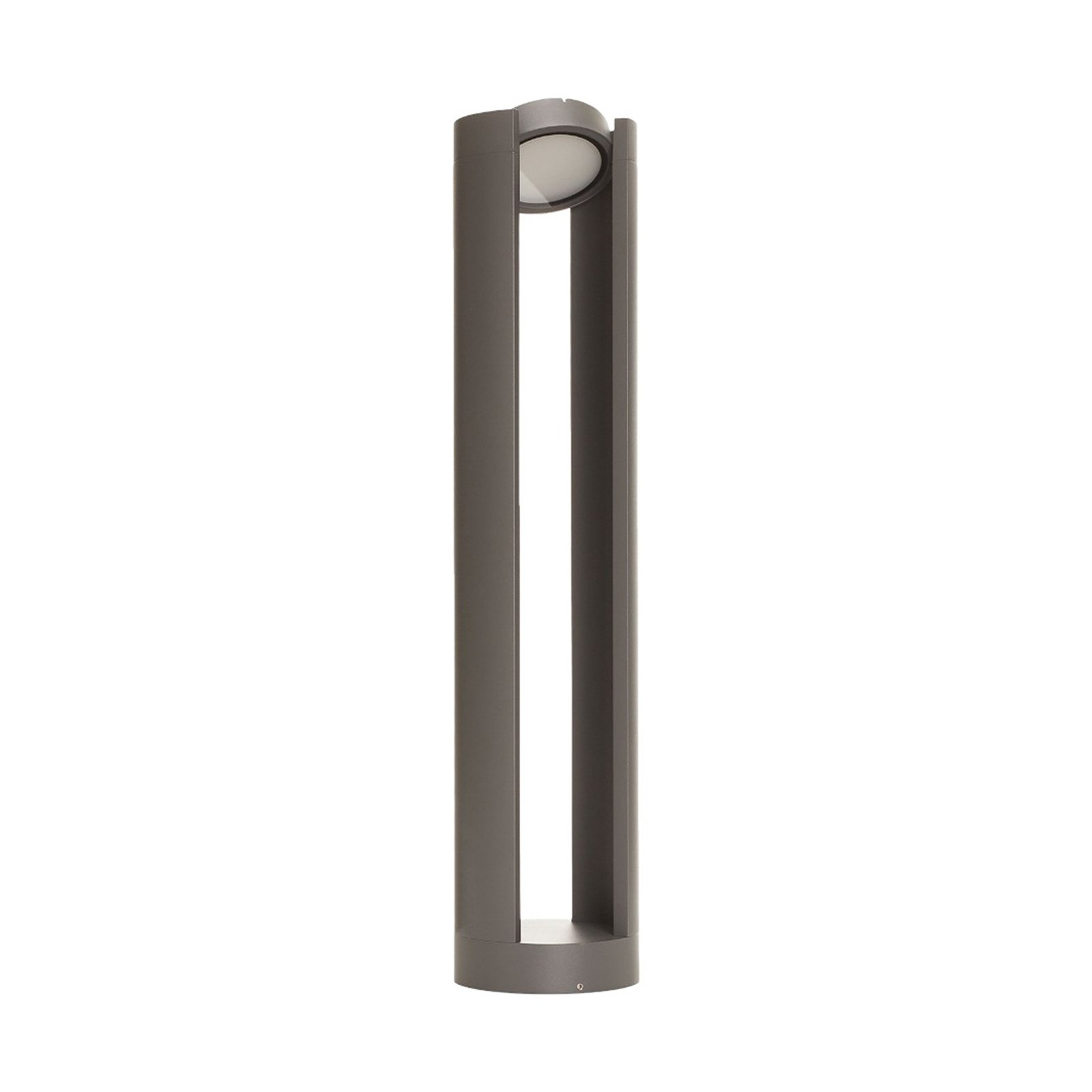
Bollard luminaires for clear light zones in outdoor areas
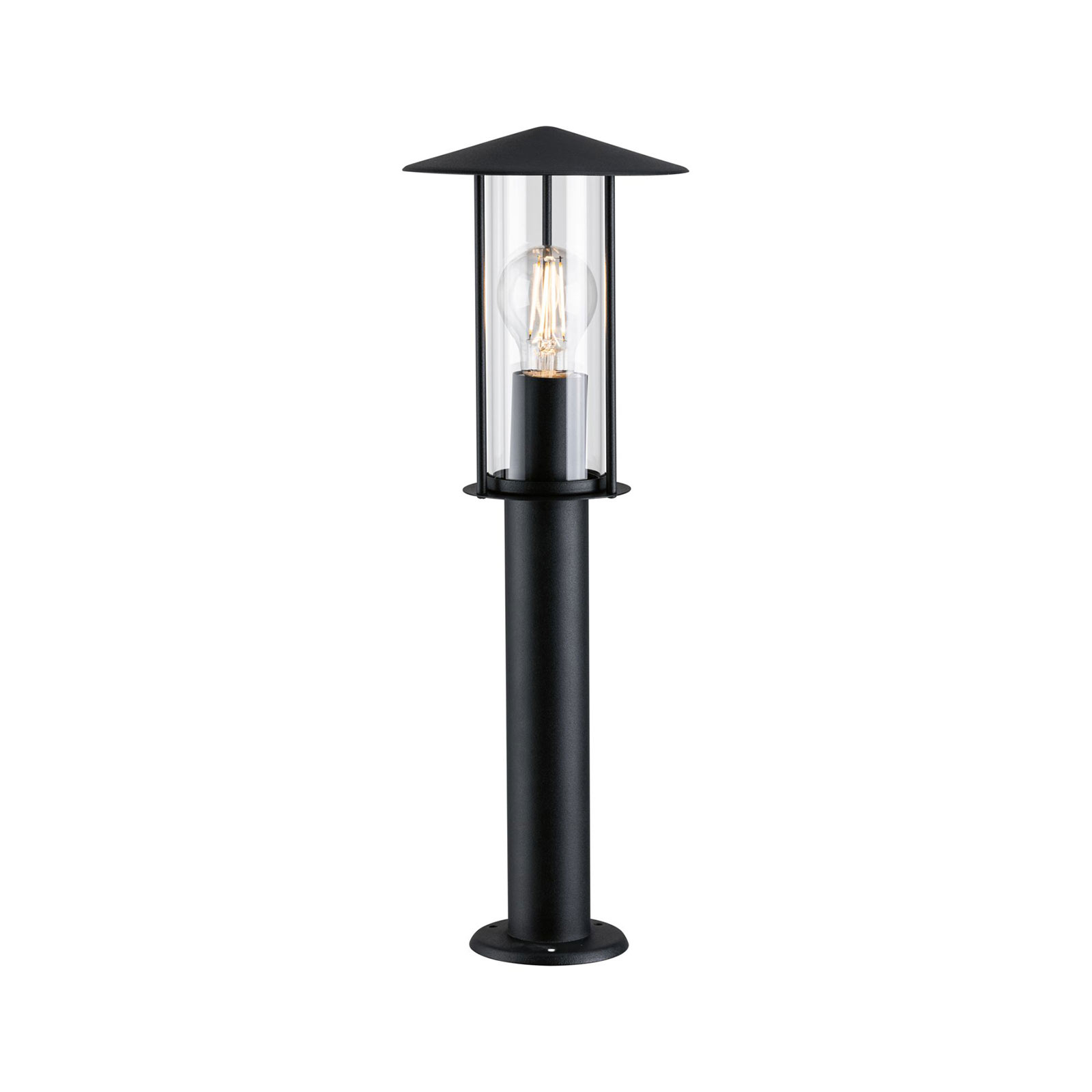
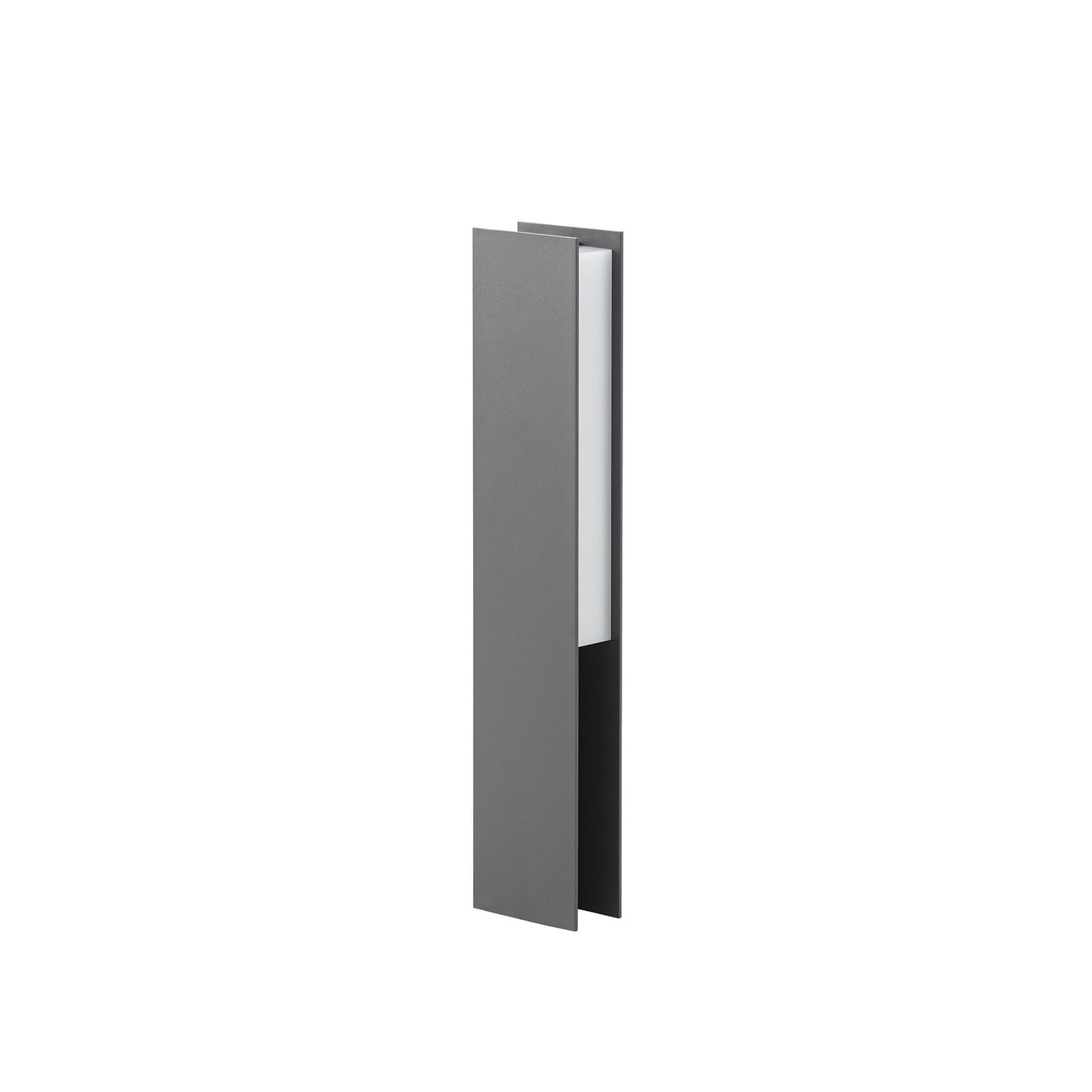
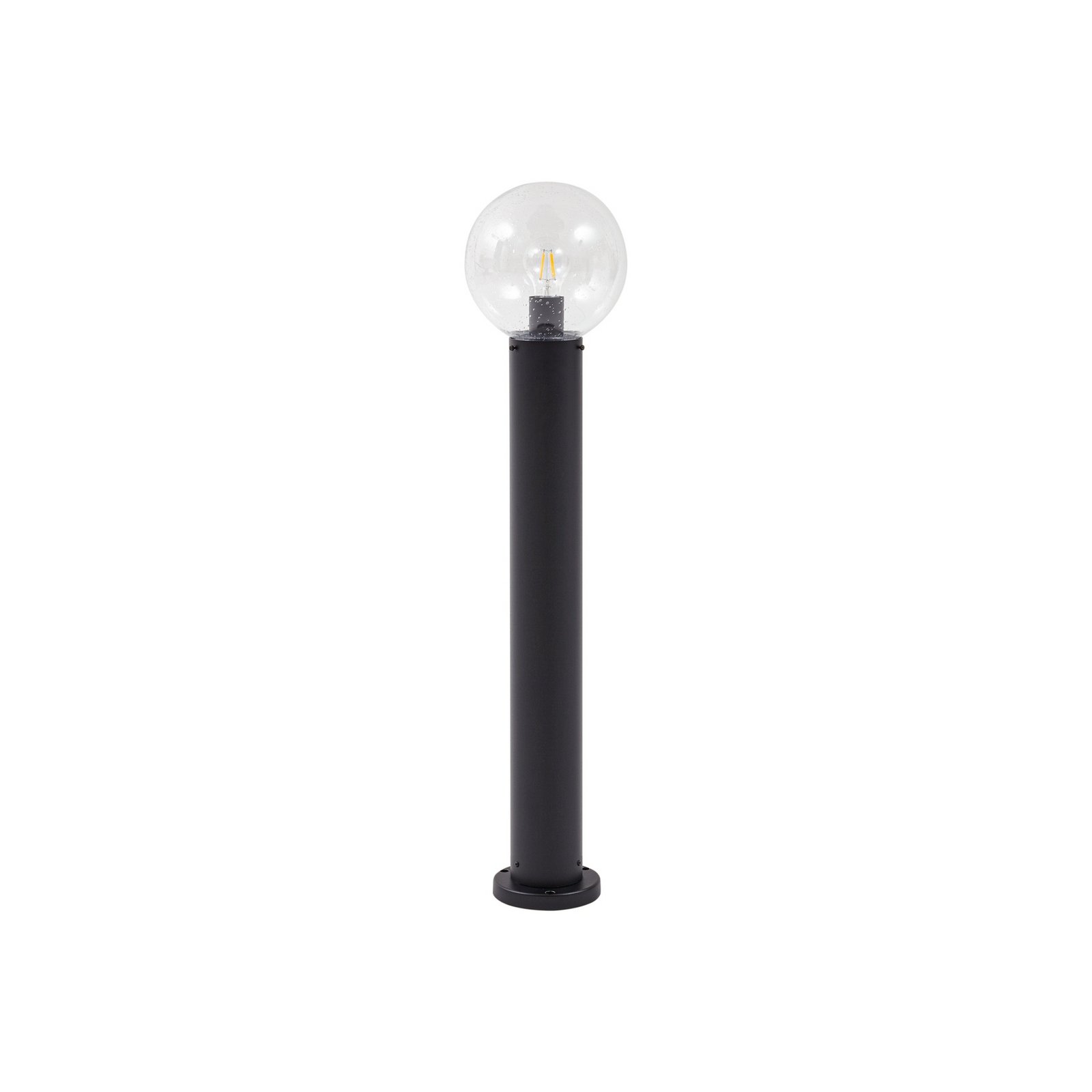
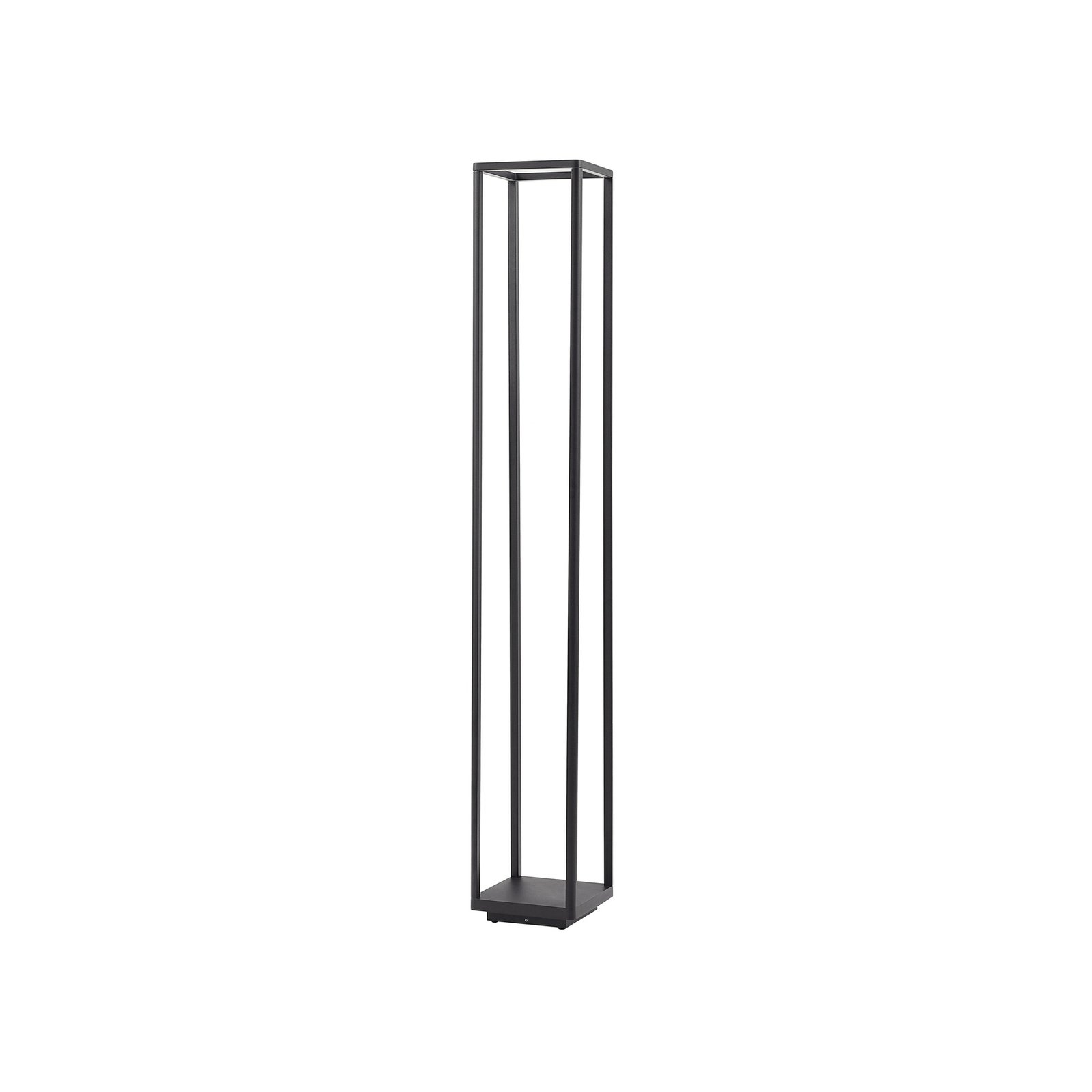
Bollard luminaires combine creative calm with functional orientation. Between the edge of the path, the flowerbed and the patio, they don't look like added details, but like an integral part of the outdoor architecture. Their height keeps the light close to the ground, their format structures transitions without disturbing visual axes. In outdoor areas in particular, this creates a form of lighting that provides orientation, makes materials legible and clearly distinguishes different zones from one another. The decisive factor is therefore not only the lighting effect, but also the question of which height and which light distribution is suitable for the respective location.
Bollard lamps as unobtrusive architecture along the path
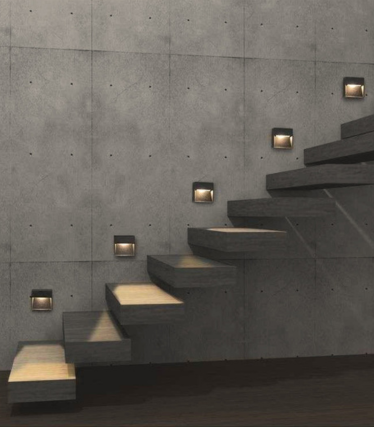
They define paths through their attitude and presence. Along entrances, driveways or neighbouring garden paths, they mark the course of an area without defining a hard boundary. The light remains close to the ground and organises the outdoor area with a quiet, architectural gesture. The luminaire is also less decorative and more integrated. It accompanies coverings, wall edges and stair nosings in such a way that transitions appear clearer and the path remains legible even in subdued light.
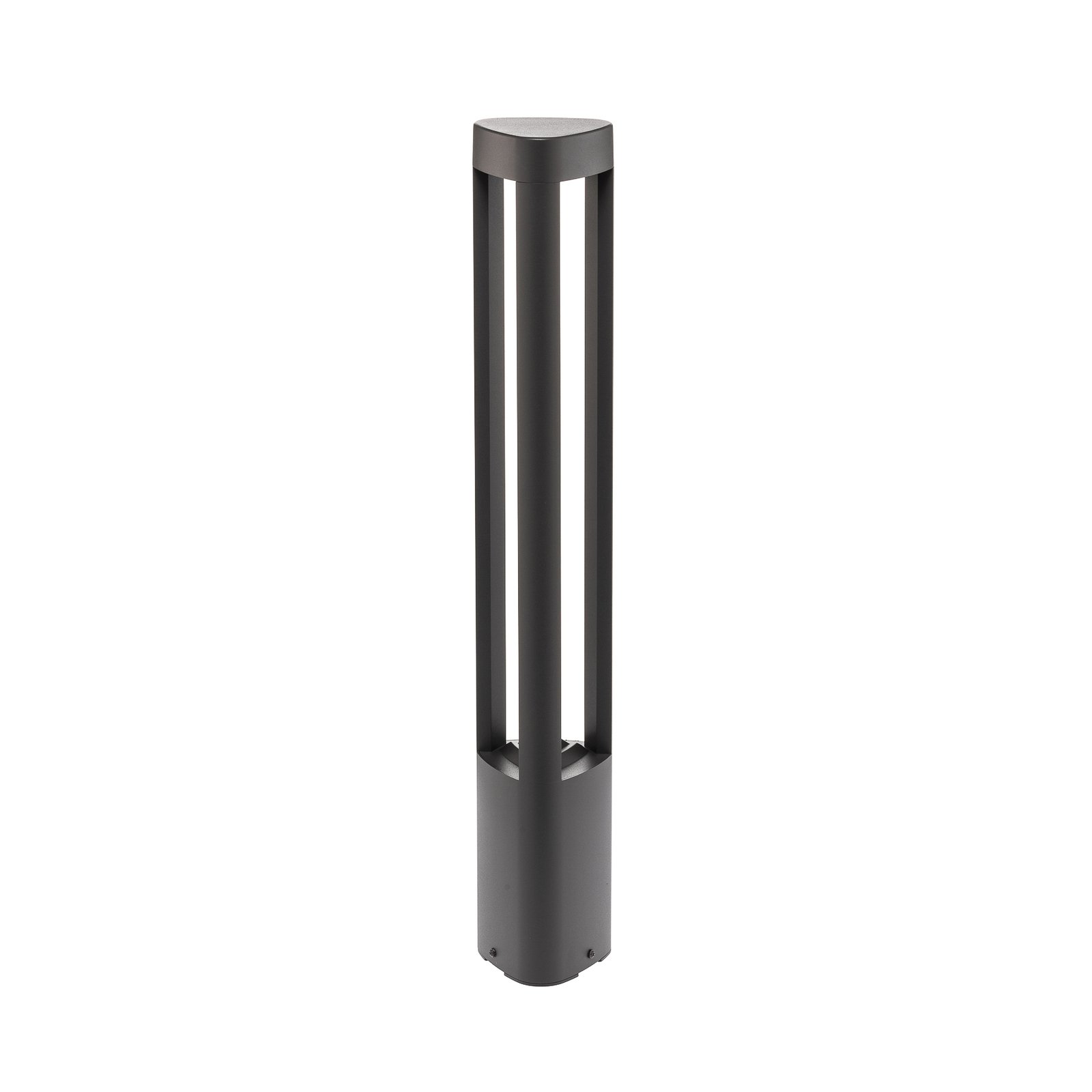
This luminaire shape really comes into its own where linear guidance is required. Several evenly spaced specimens structure paths and peripheral zones without overdrawing the outdoor space. Modern outdoor luminaires of this type give driveways, entrances and peripheral areas an organised appearance because they focus on repetition and dimensions rather than height. When making your choice, you should therefore pay particular attention to proportions, spacing and a calm integration into the pavement.
Light distribution and orientation in the outdoor space
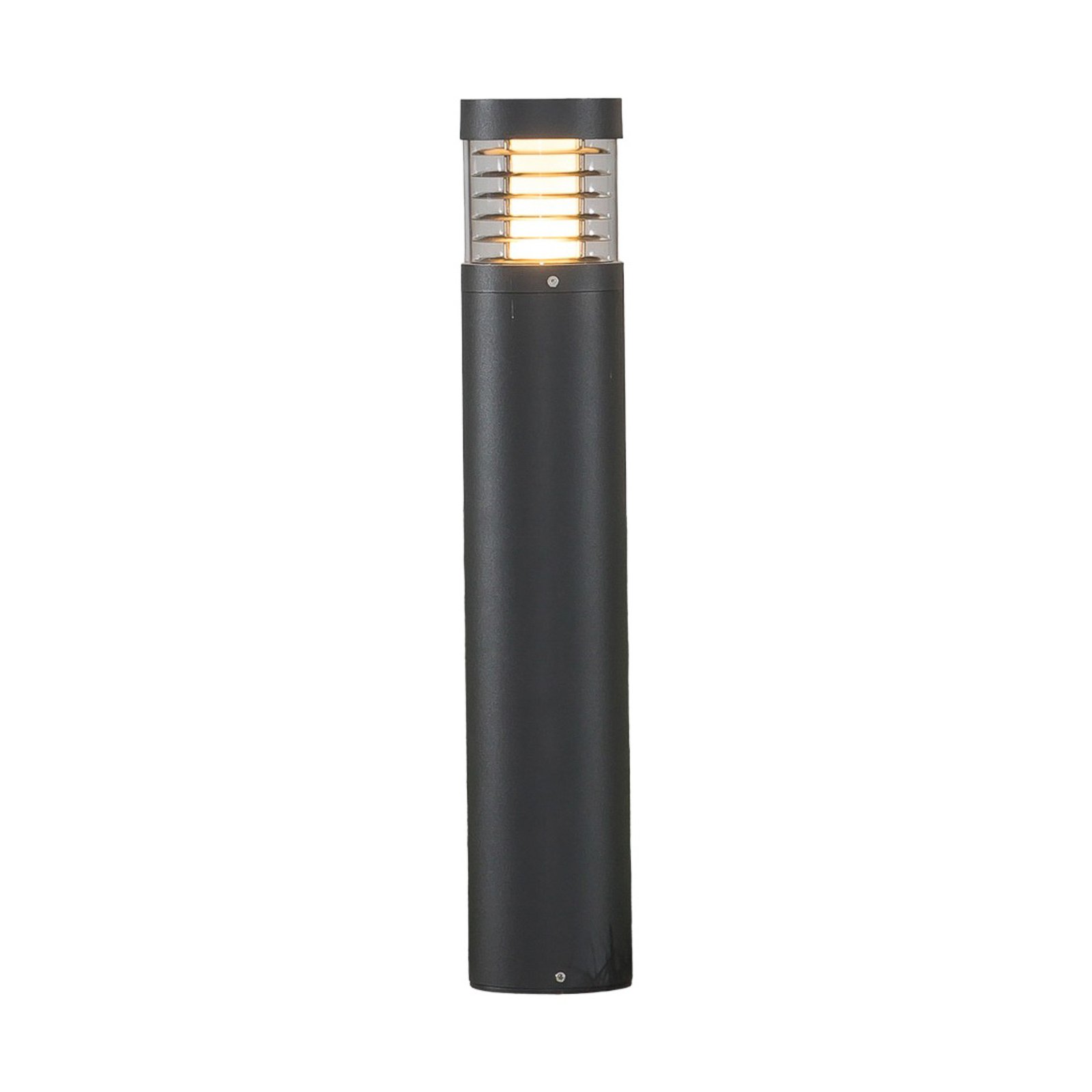
The decisive factor is not so much the visible luminaire as the light image it creates on the floor. An LED bollard light guides the eye along paths without creating harsh contrasts between light and dark. Where a path luminaire precisely accompanies the course of an area, orientation is created by the light distribution instead of excessive brightness. This effect is particularly relevant at edges, changes of direction and open transitions between access, driveway and side areas. Good lighting remains close to the movement in the room and does not dazzle either up close or from a distance.
Controlled light distribution is therefore important for the selection. It makes the floor legible and supports safety without making the outdoor space appear unsettled. Dimmable models also fit into different situations because brightness does not always have to be set to the same level. Bollard luminaires are therefore suitable for pathways, forecourts and crossings, as their light emission is clearly guided and they provide uniform lighting.
Bollard lights in the garden between the flowerbed and lawn
They show their strength above all where different surfaces are joined together. Between the edge of the bed, the lawn line and the narrow path, they provide a restrained guidance that does not compete with the planting. Such luminaires look particularly harmonious when they incorporate spacing, visual axes and the natural structure of the area. Instead of staging individual points of light, a clear sequence is created that provides orientation and at the same time preserves the character of the garden.
A bollard light can accompany entrances to patios, side entrances or garden sheds without making the space look technical. Even where classic path luminaires often appear too prominent, low-set luminaires organise garden paths and transitions without overpowering the planting. For garden areas, models that have a restrained effect and blend harmoniously into their surroundings in terms of height and light pattern are therefore particularly useful.
Material and height at ground level
Material, proportion and height determine how strongly a bollard light is present in the outdoor space. A version in aluminium, stainless steel or dark coated metal combines technical precision with a calm surface that blends in well with modern surroundings. Proportion and height also characterise the impression. Low lights remain closer to the path, patio and edge of the bed, while higher models appear more as an independent design element. High-quality luminaires in particular depend on the format and surroundings being carefully harmonised.
In combination with stone, wood or carefully crafted coverings, this creates a harmonious relationship between the light object and the floor. The luminaire is not isolated, but reacts to the texture of the ground and its proximity to neighbouring surfaces. A clear design language often has a calmer effect on the terrace than a decorative detail, because it takes up the architecture instead of overlaying it. Anyone selecting such luminaires should therefore check how the material, height and surface effect interact with the floor covering, façade line and neighbouring exterior surfaces.
Bollard lights as part of a clear line
They have a particularly convincing effect when they are not conceived as solitary items, but as part of an organised series. Recurring shapes and harmonised proportions bring tranquillity to the outdoor area and combine paths, edge zones and recreational areas into a harmonious whole. Modern models in particular develop their impact through this continuity. They blend into the architecture without appearing decorative and create a clear line between the house, garden and access.
Pedestal lights and bollard lights in a harmonised outdoor concept
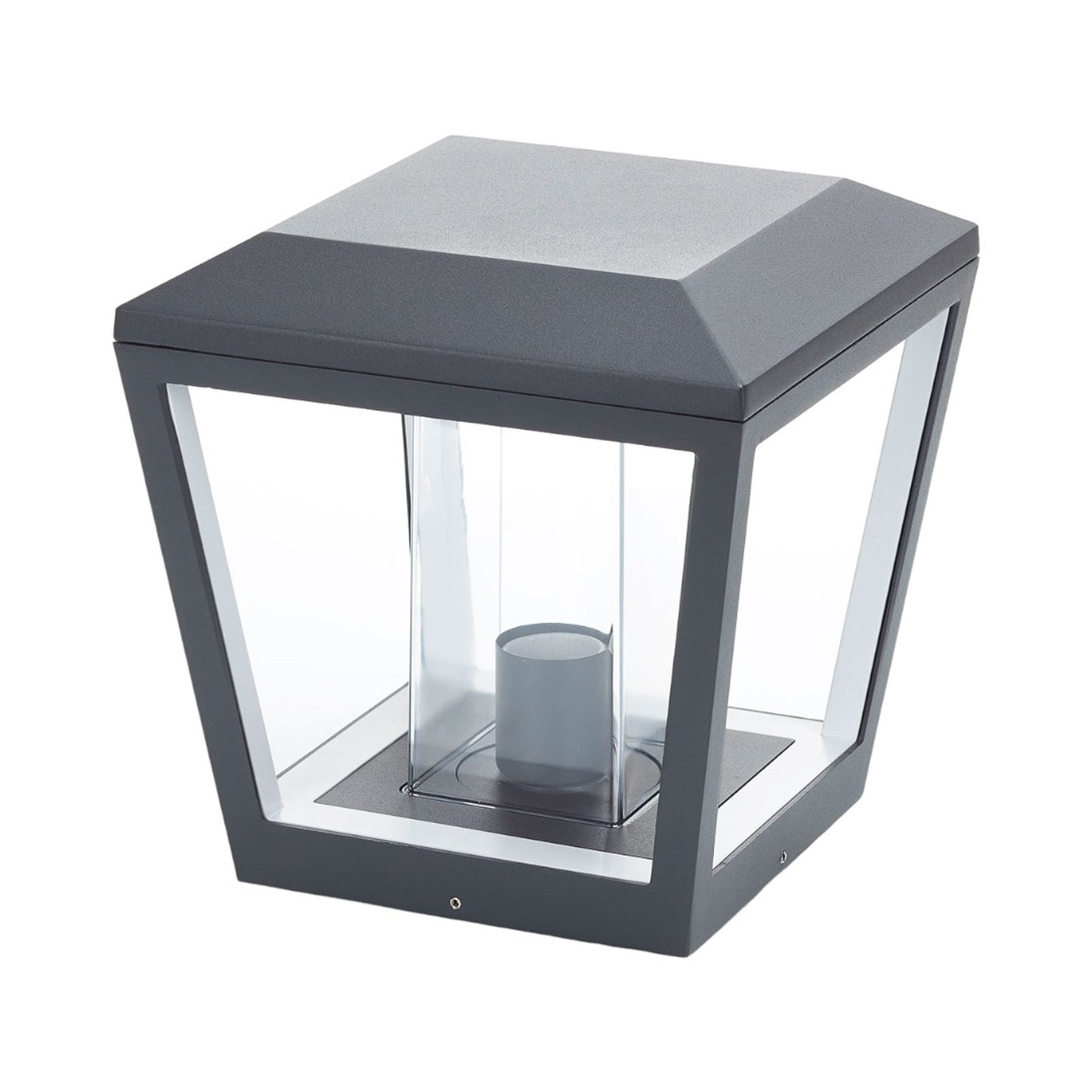
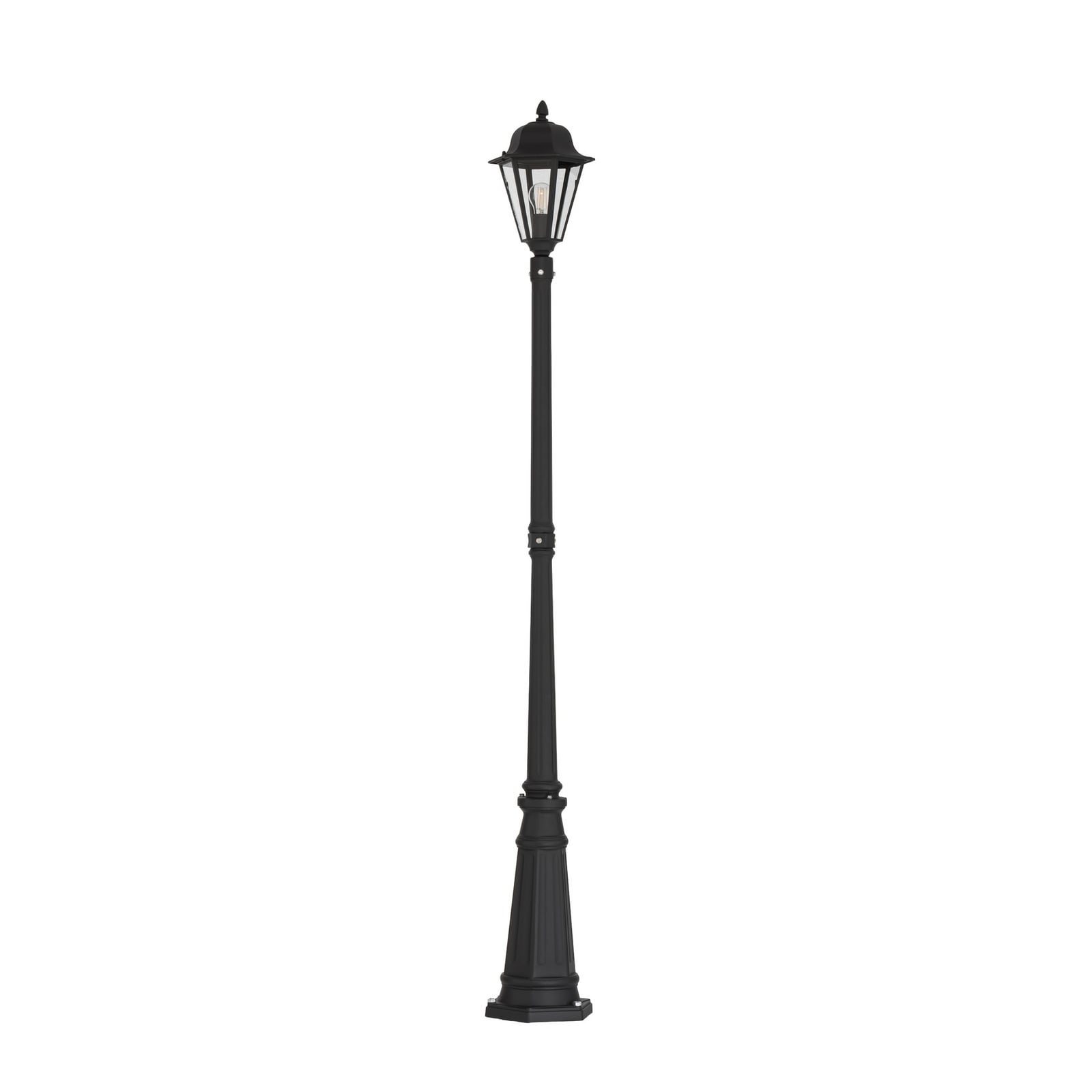
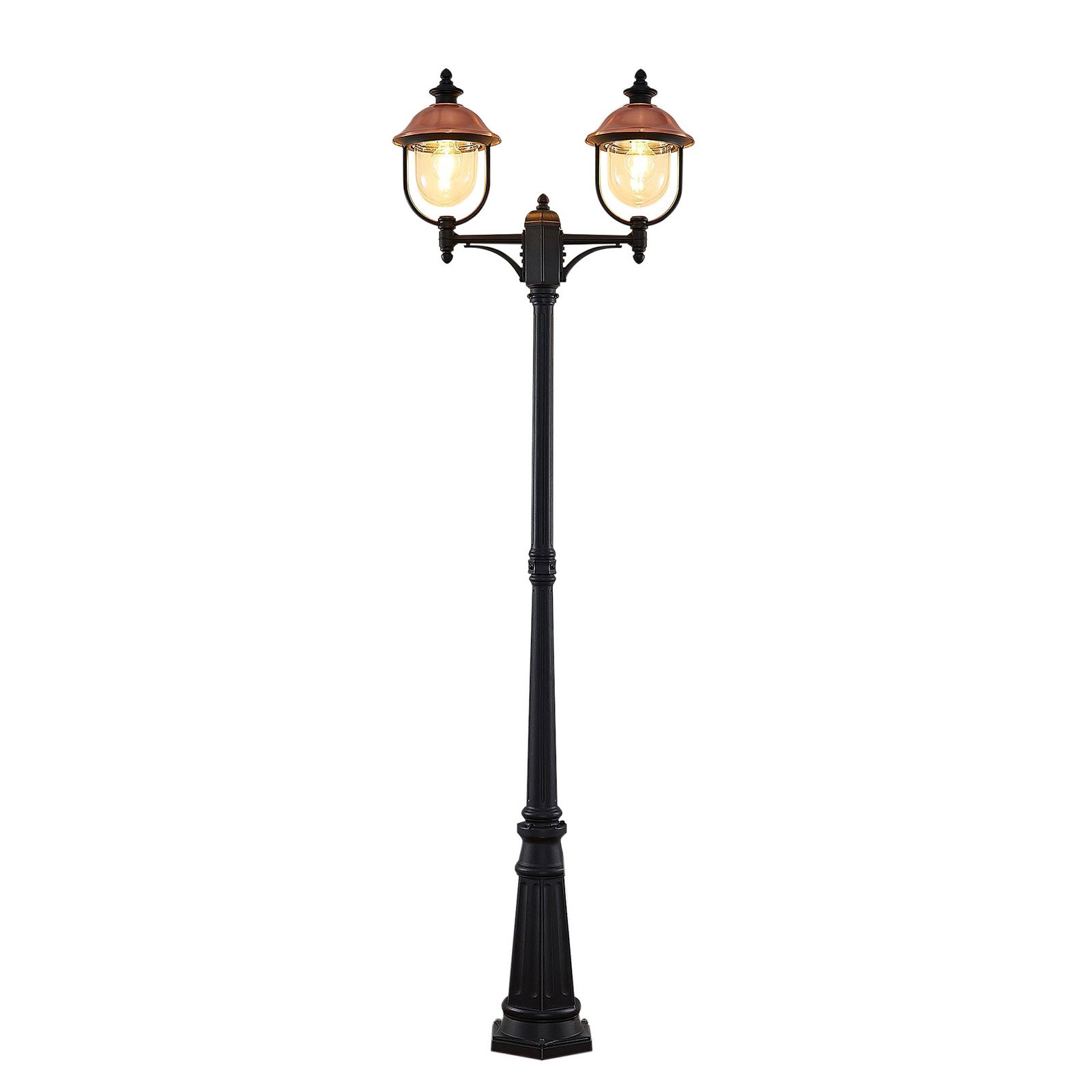
Pedestal luminaires complement bollard luminaires on walls, pillars or low boundaries if both continue the same design language. Especially when the two are formally harmonised, a calm overall impression is created that gives the outdoor space a high-quality and well thought-out appearance. Individual design-orientated models can set specific accents, but their strength lies less in an eye-catching shape than in precision, material effect and controlled lighting.
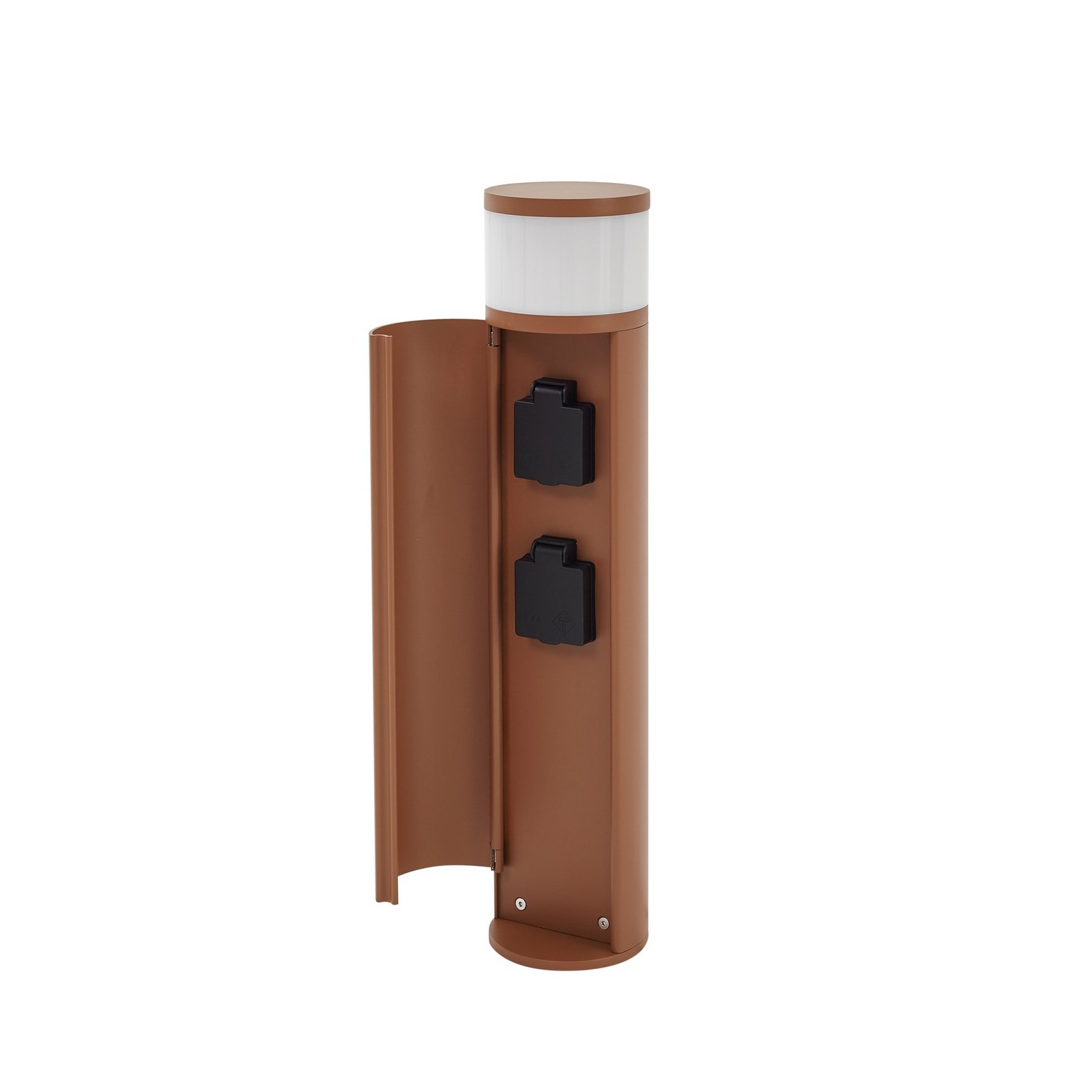
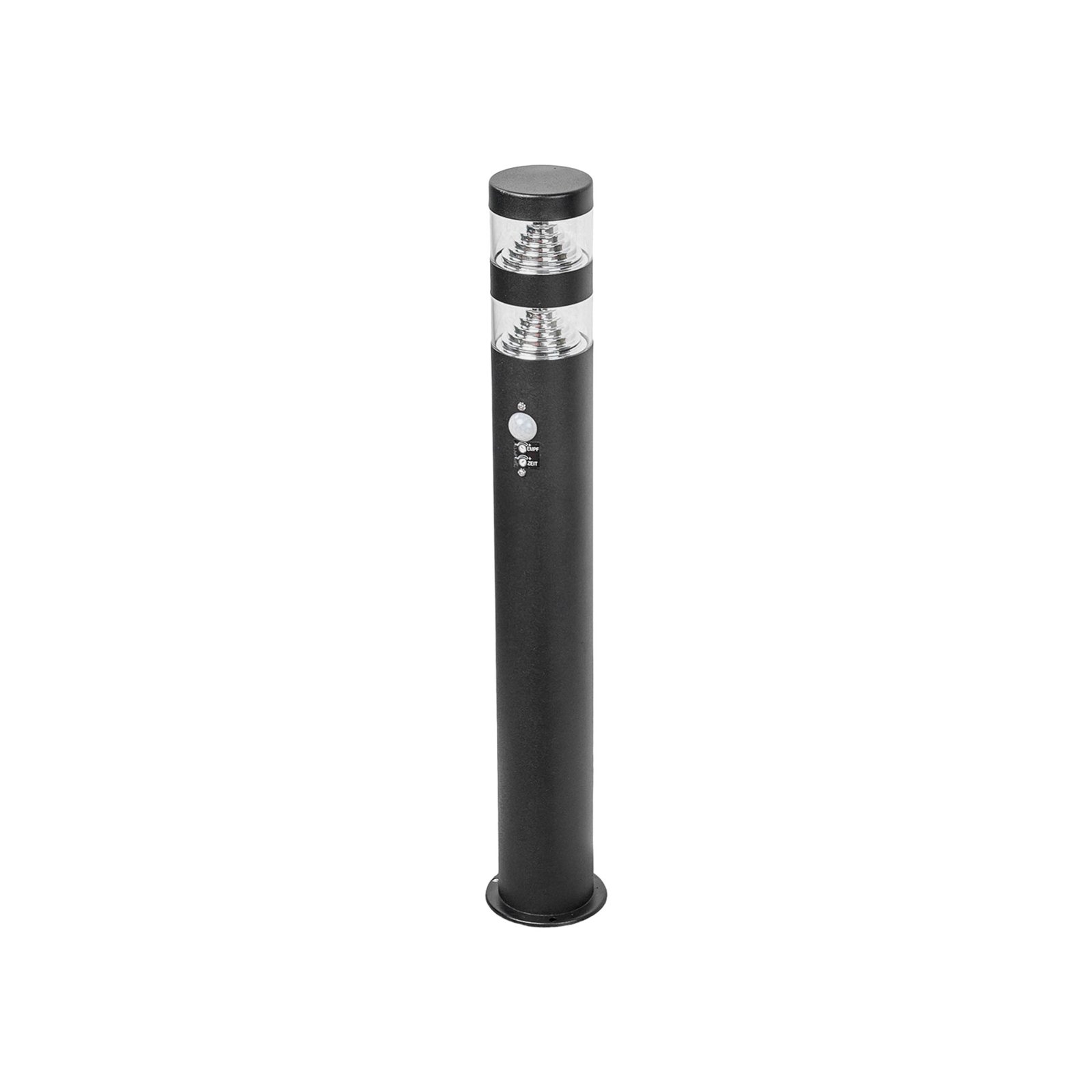
At Lampenmeister, it is precisely this creative quality that takes centre stage. Bollard luminaires can be selected so that the architecture, garden and access areas form a harmonious whole. Technical aspects such as protection class, installation, light source, motion detector, socket or even solar operation remain important, but take a back seat in terms of design. It is crucial that lighting does not appear arbitrary, but as part of a clearly composed concept.
© 2026 Lampemesteren GmbH